What to Consider When Buying an Electric Jet Body Board
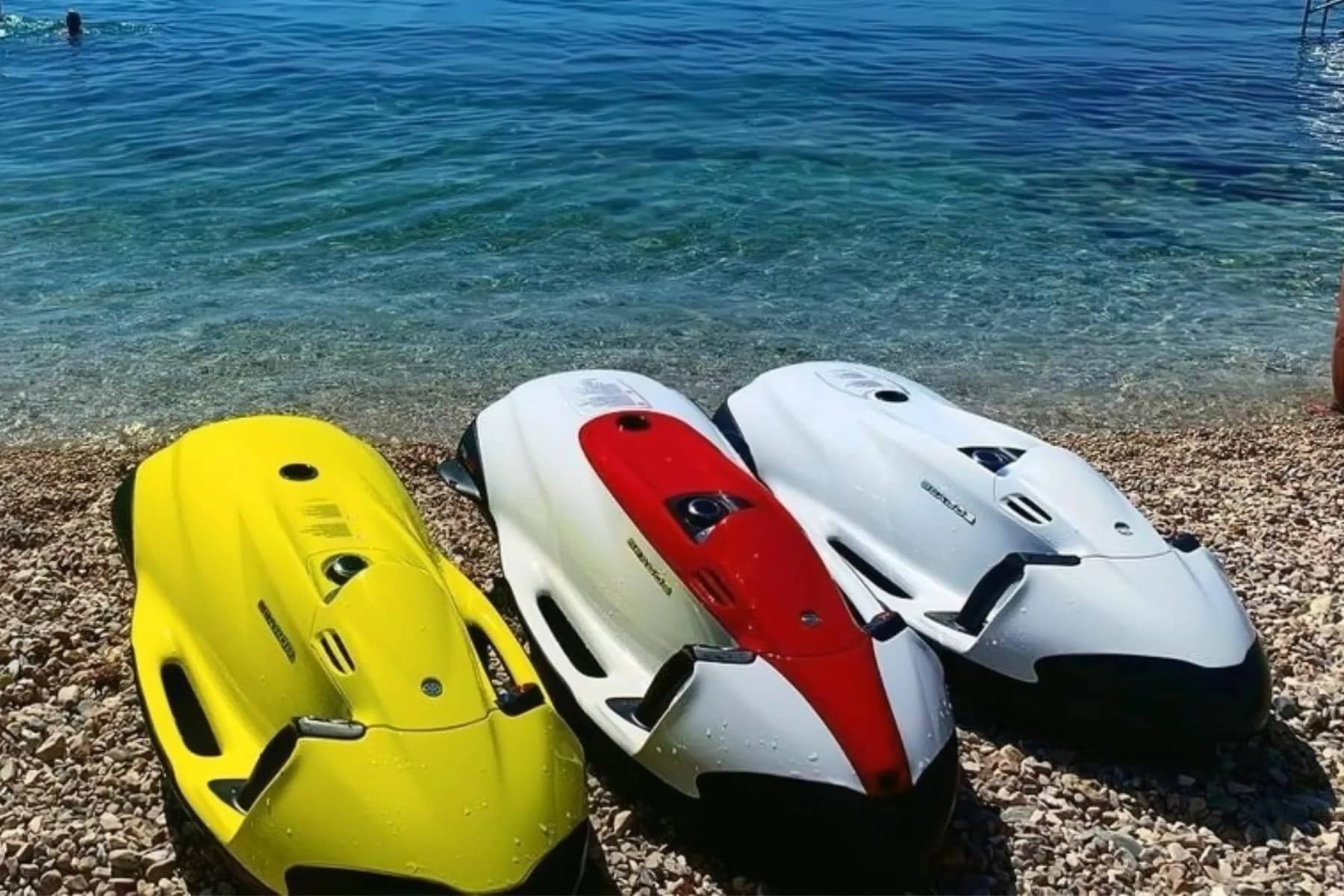
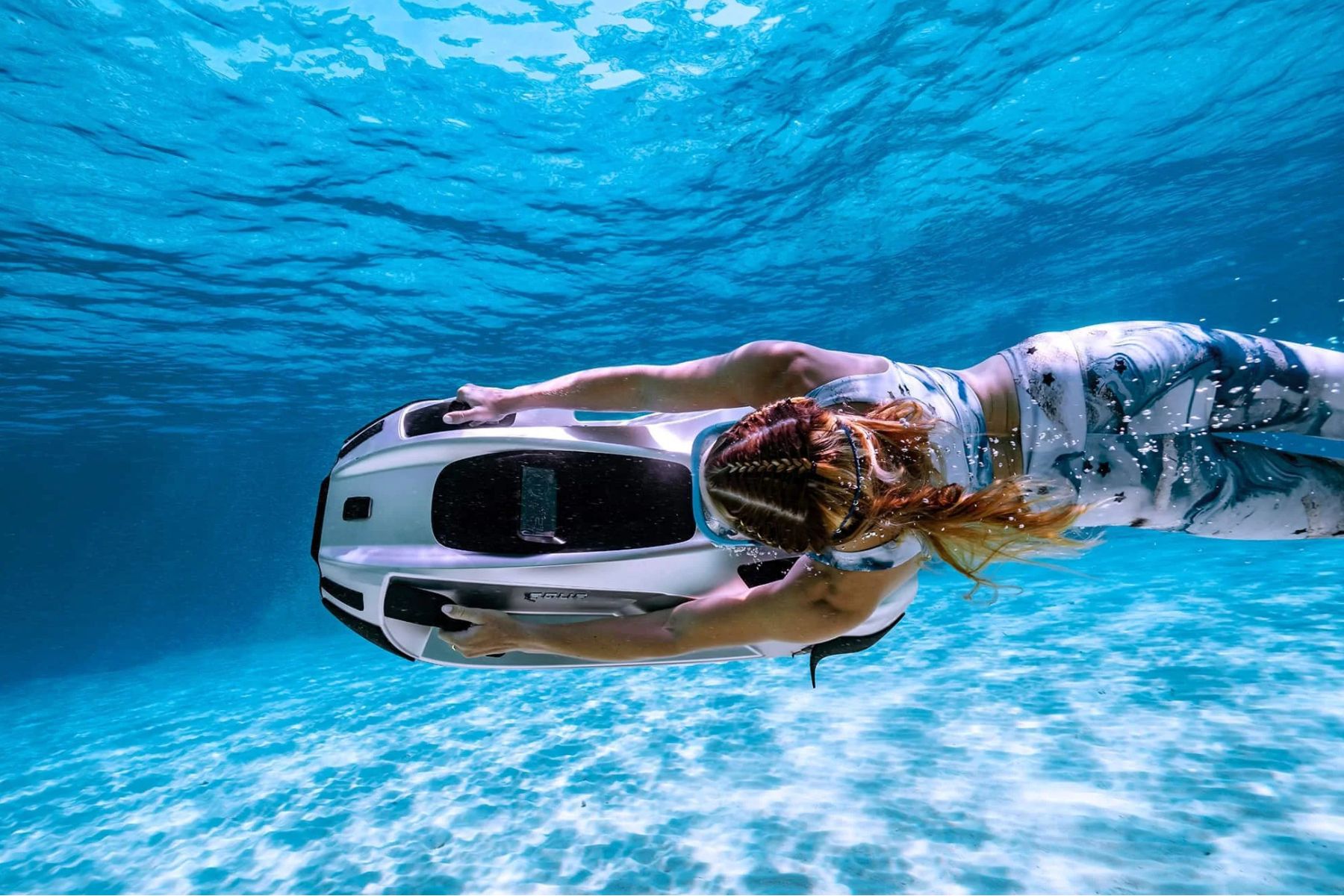
Electric jet body boards are fun toys that are often used seen on display at boat shows. Because of their high price, they are used at resorts and on yachts. They provide a thrilling experience above and, sometimes under the water.
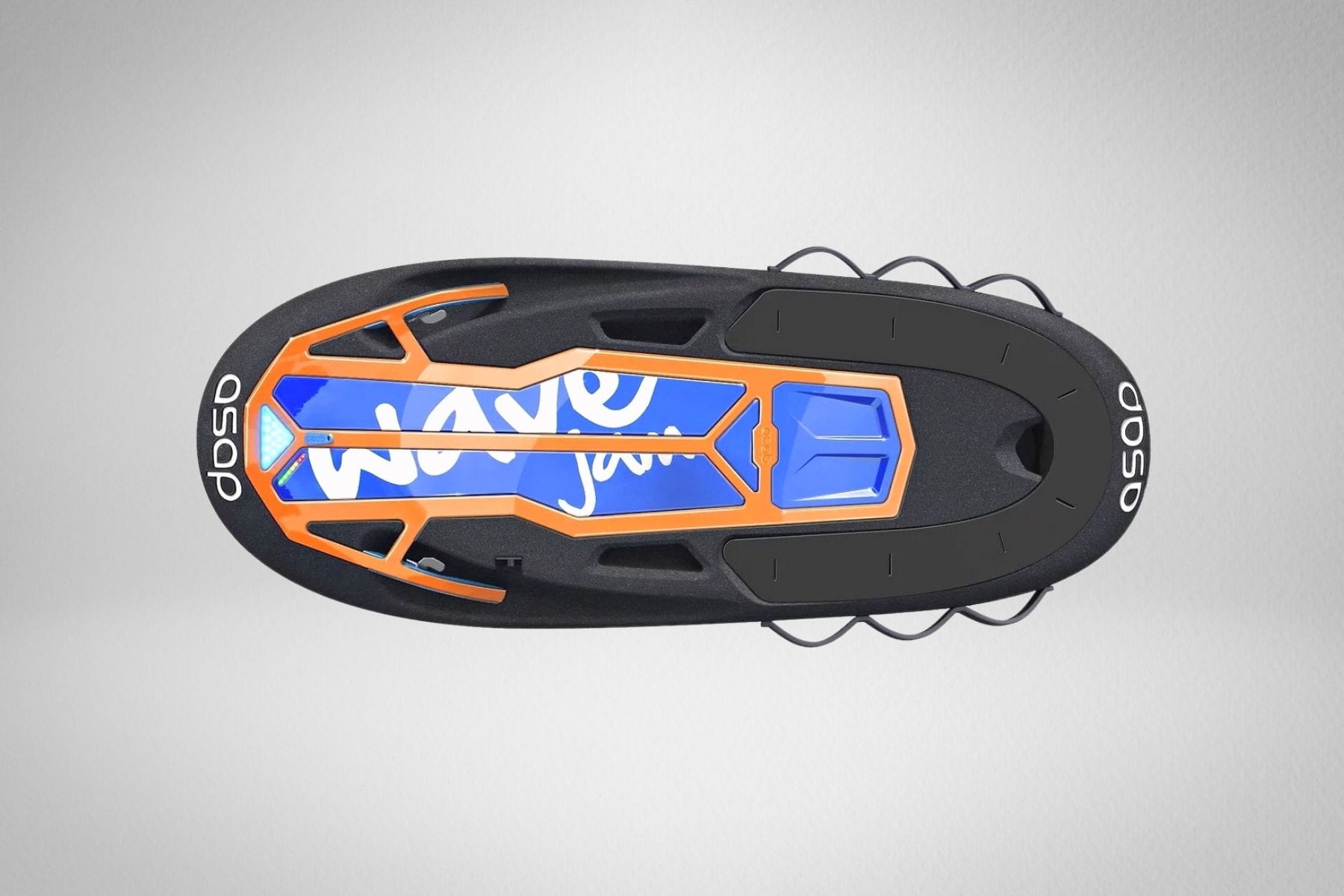
Choosing the right model depends on your needs, budget, and intended use. These aren’t to be confused with diver propulsion vehicles (DPVs), which usually have a negative buoyancy. In other words, electric body boards can act more like electric flutter boards as well as faster electric boogie boards.
Here’s what to keep in mind:
Key Features to Evaluate
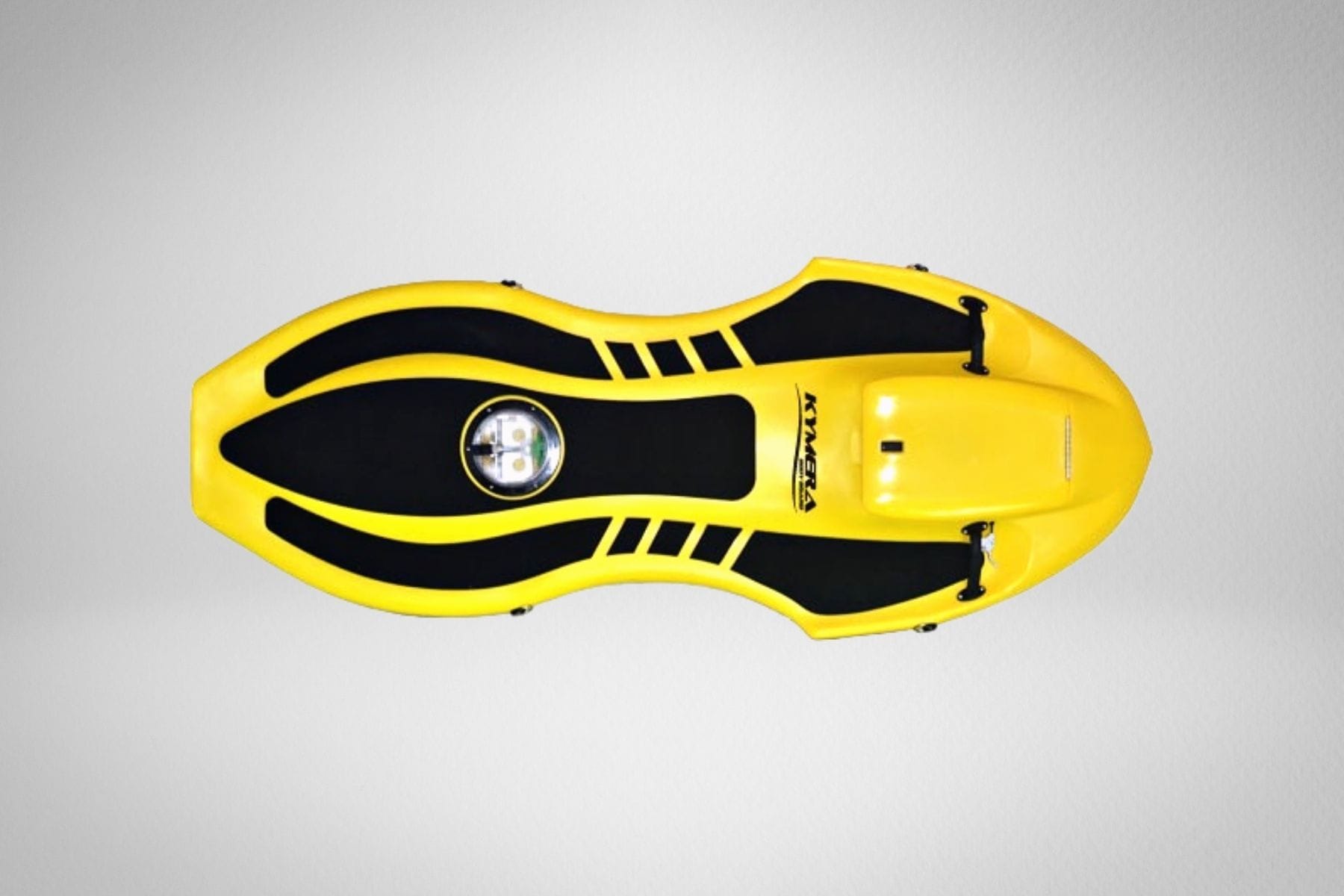
1. Speed and Performance: Evaluate top speeds and battery runtime. A Kymera Body Board, for instance, is known for its lightweight design and ease of use, reaching up to 20 mph. Seabob, on the other hand, offers faster speeds, up to 22 mph, with greater power but is heavier and bulkier.
2. Portability: If portability is a priority, Kymera shines due to its compact, lightweight frame. Seabob models, while more robust, may require additional effort to transport.
3. Battery Life and Charging: Check the duration of usage per charge. Kymera typically offers 1-2 hours of operation, while Seabob can provide slightly longer durations depending on the model.
Uses and Applications
Electric jet body boards are perfect for leisure, diving, or exploring coastal areas. Whether cruising on calm lakes or riding small waves, these boards cater to water enthusiasts of all levels.
Pricing and Alternatives
Prices range widely, with Kymera Body Boards starting at around $4,000, while Seabob models can exceed $10,000. Compare this to electric surfboards like the Awake Ravik or JetSurf Boards, which are stand-up machines that go way faster, often exceeding $12,000.
Choosing the best board depends on your needs, whether it’s speed, portability, or budget.