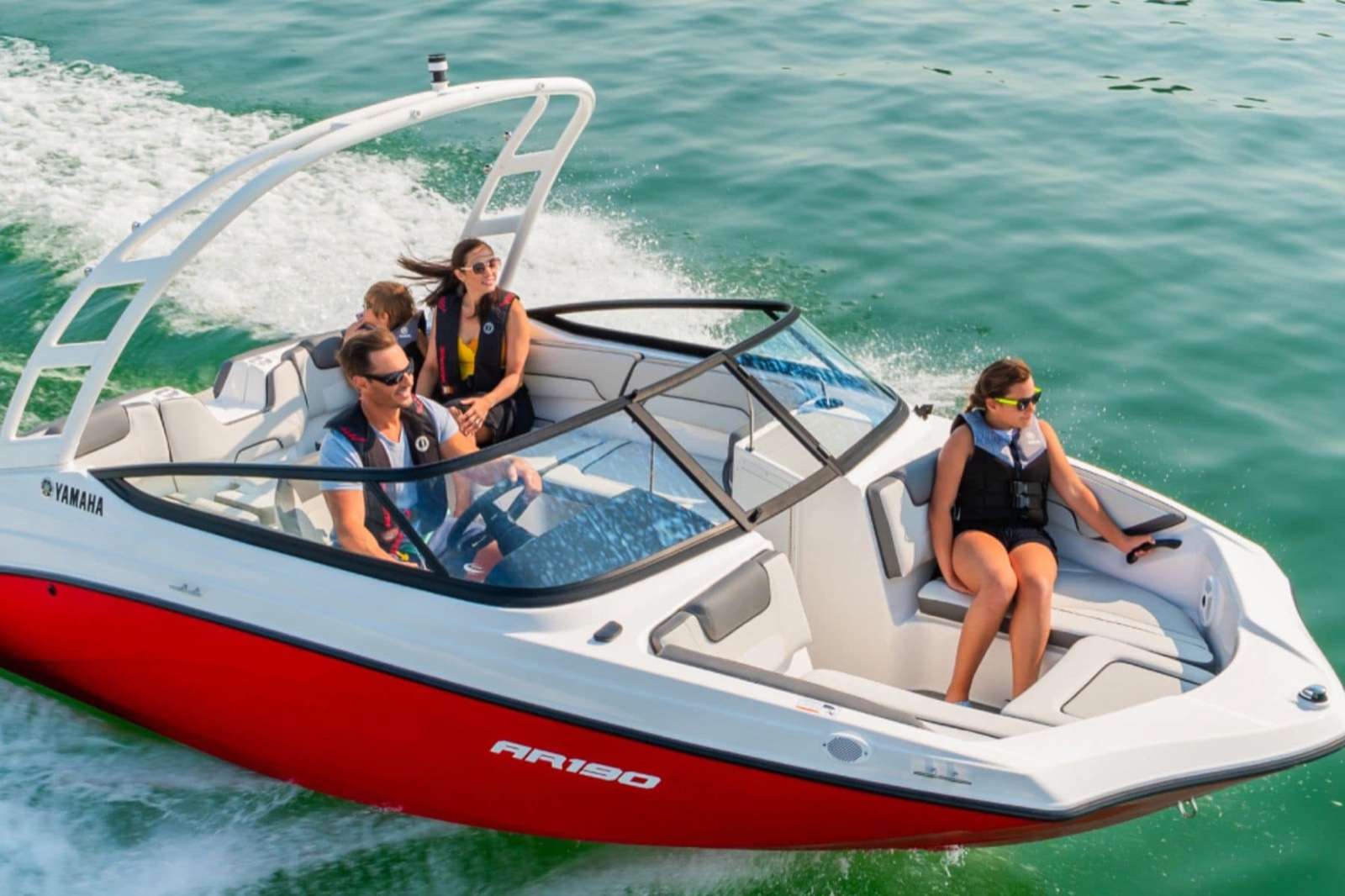
What defines a bowrider
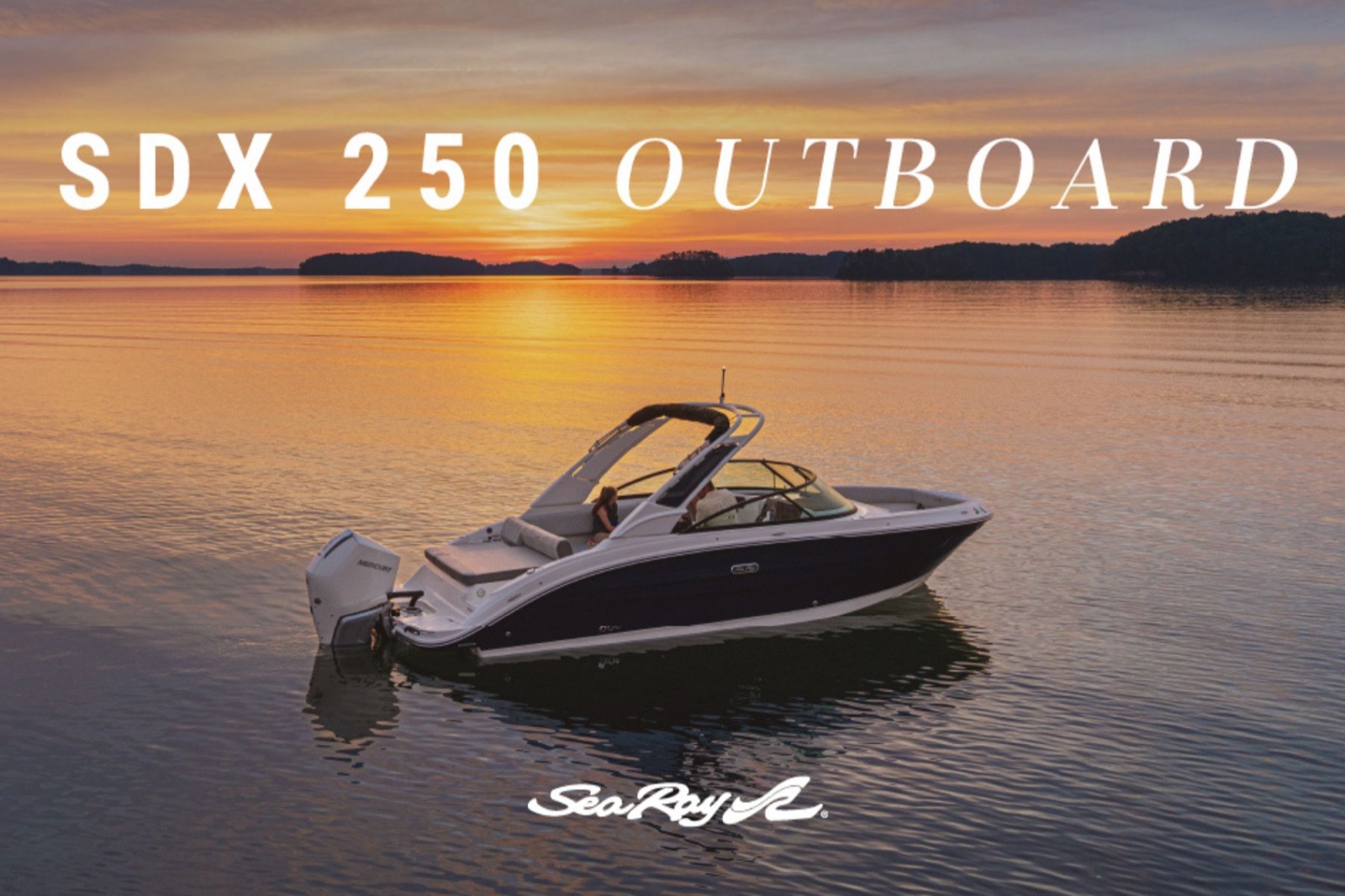
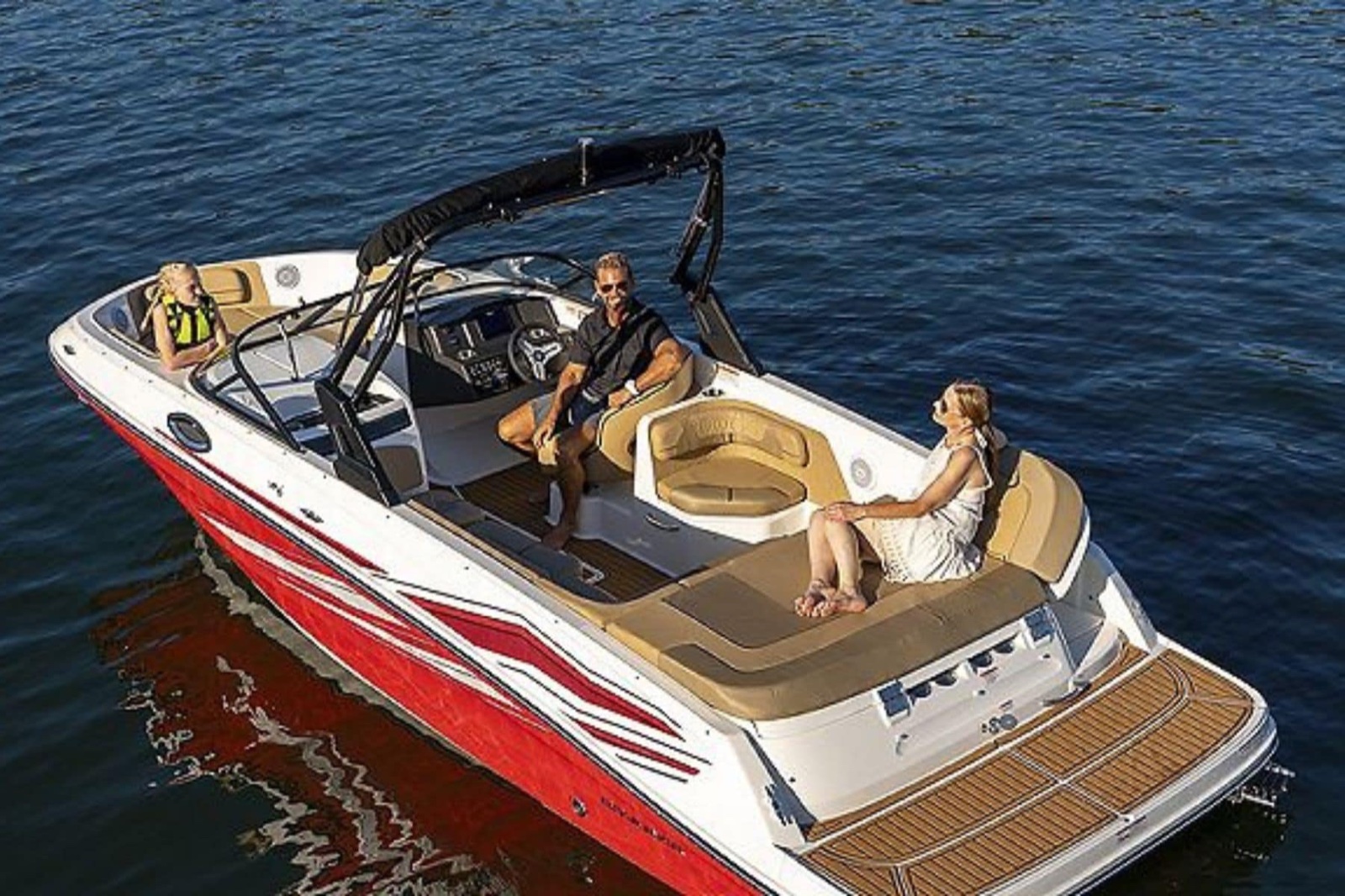
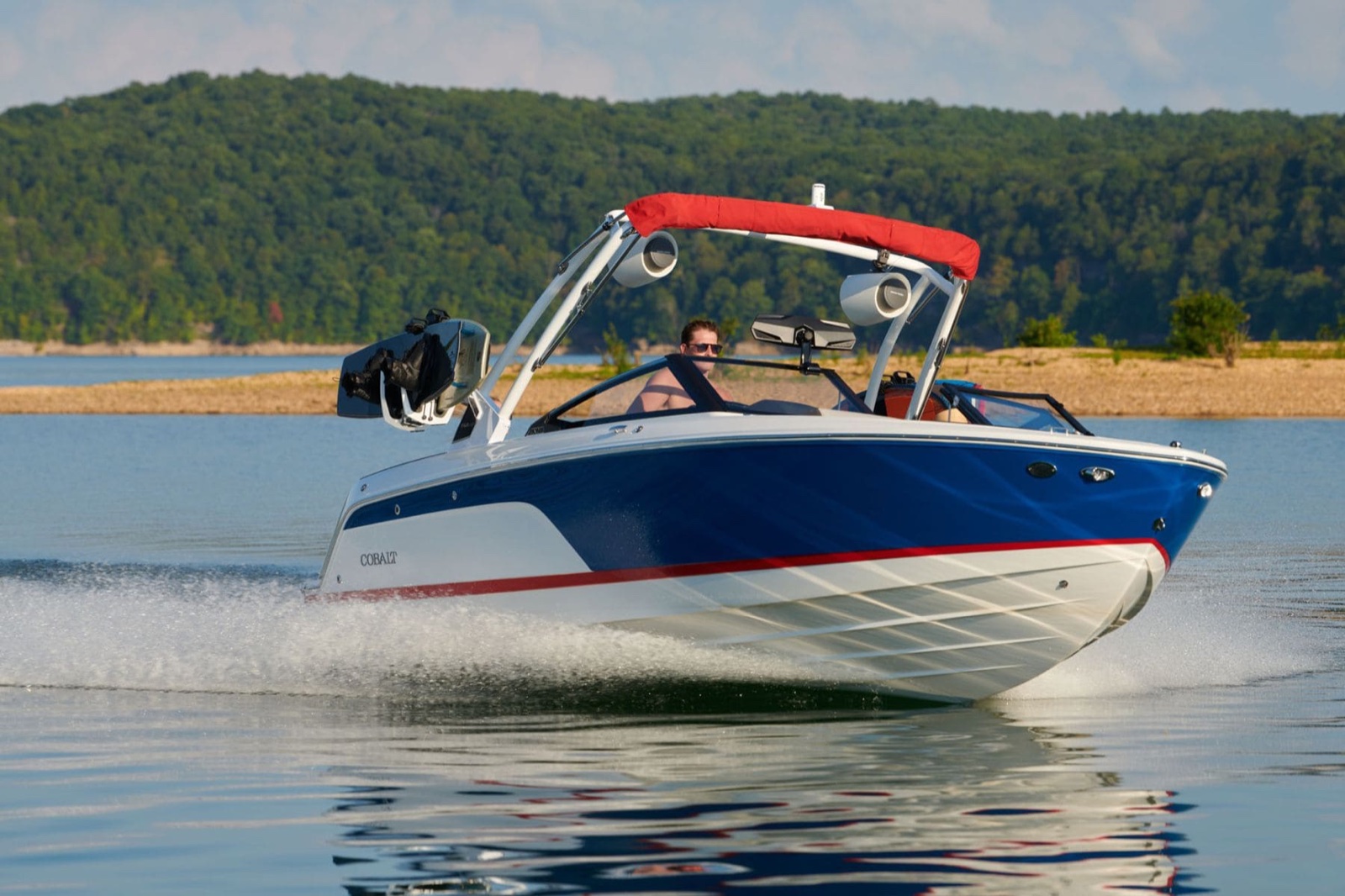
A bowrider is an open-bow runabout, typically 18 to 26 feet, with forward-facing seating in the bow ahead of the windshield. The layout trades fishability for passenger capacity, which is why this is the dominant family-boat segment on inland lakes. Drive options split three ways: traditional sterndrive, increasingly popular outboard, and jet propulsion on the watersports-focused Yamaha line. The cockpit usually carries a U-shaped lounger aft and a port-side helm, and most modern hulls run a 19 to 23 degree deadrise that handles light chop without beating up the crew.
Buyers self-sort by four filters before they read a single review: length class, drive type, freshwater versus saltwater intended use, and budget tier including the used market.
What buyers actually pay
Year-one depreciation in the bowrider segment runs 15 to 20 percent, steeper than fishing platforms because volume builders push hard on incentives in winter. Five-year depreciation lands at 35 to 45 percent for entry brands and 25 to 35 percent for premium lines like Cobalt and Chaparral. The used sweet spot is the 4-to-6-year window where the steepest curve has finished and the hull still has 10 to 15 years of useful life. Outboard-powered bowriders hold roughly 8 to 12 percent more value than sterndrive equivalents at five years, a gap that has widened every year since 2019 as buyer preference shifts.
Model-year defects worth screening
Pre-2017 Bayliner VR-series boats used a fiberglass-skinned plywood transom that failed early in saltwater storage; the 2017 cutover to a composite transom is the screen. MerCruiser 4.5L sterndrives (2015 to 2019) had a known exhaust manifold cracking pattern surfaced across owner-mechanic forum threads, and any pre-2020 example without documented manifold replacement is a $2,500 to $4,000 deferred cost. Volvo Penta DPS sterndrives produced 2013 to 2016 had a Y-pipe corrosion issue that pulled water into the bellows. On the Yamaha jet line, the 1.8L SVHO motor has been bulletproof, but pre-2018 boats had fragile reverse-bucket linkages worth a careful check during sea trial.