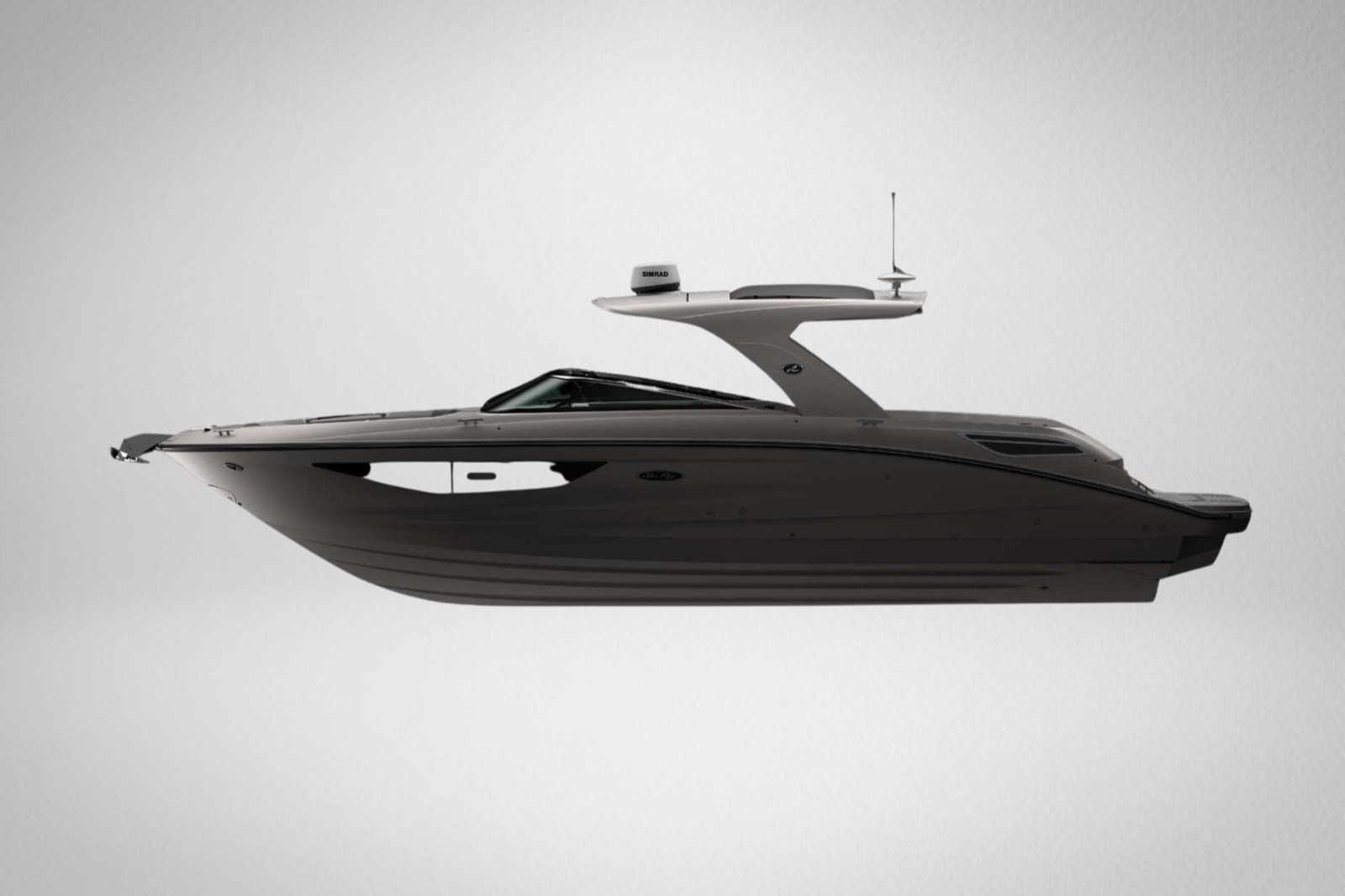
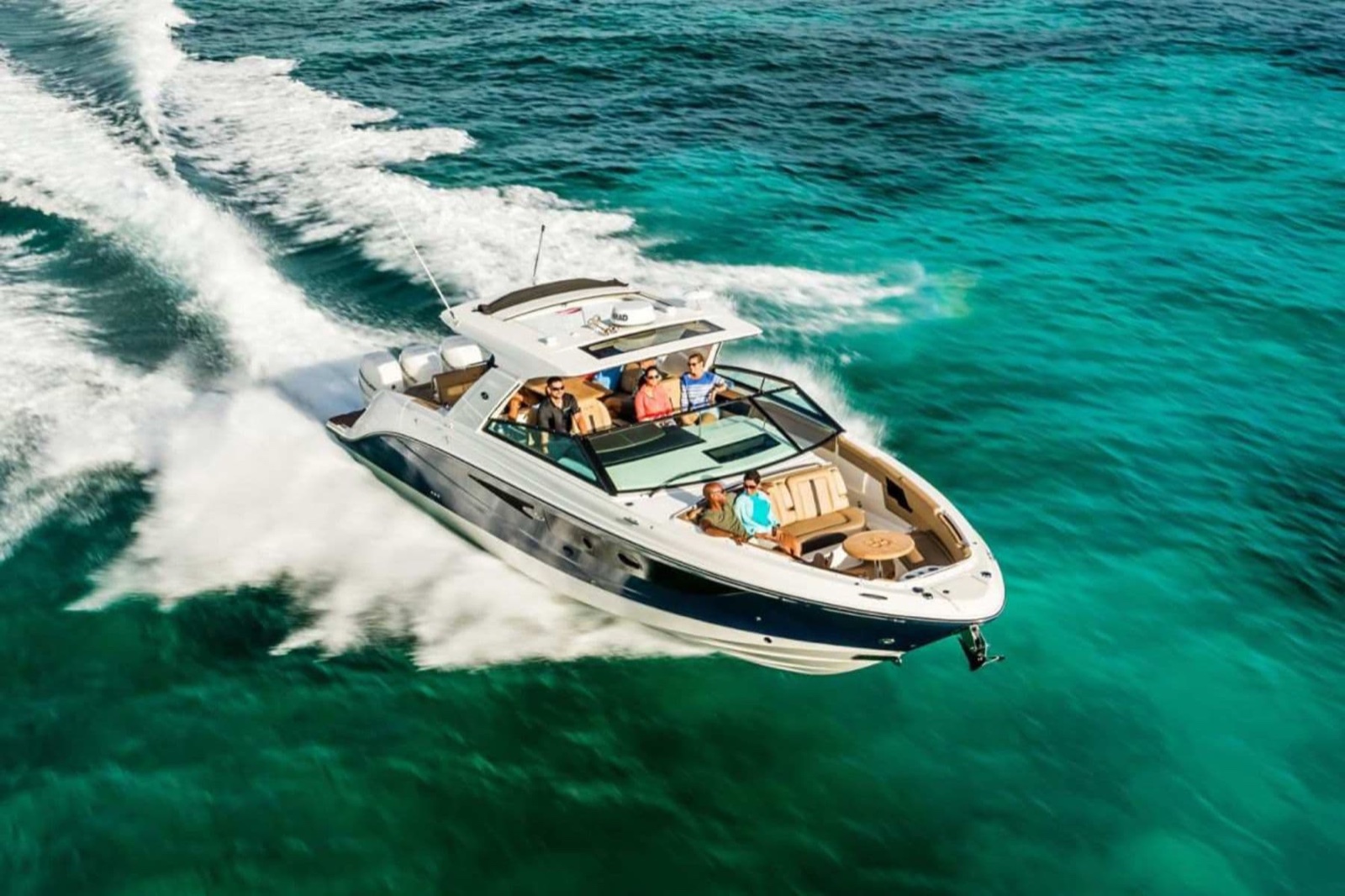
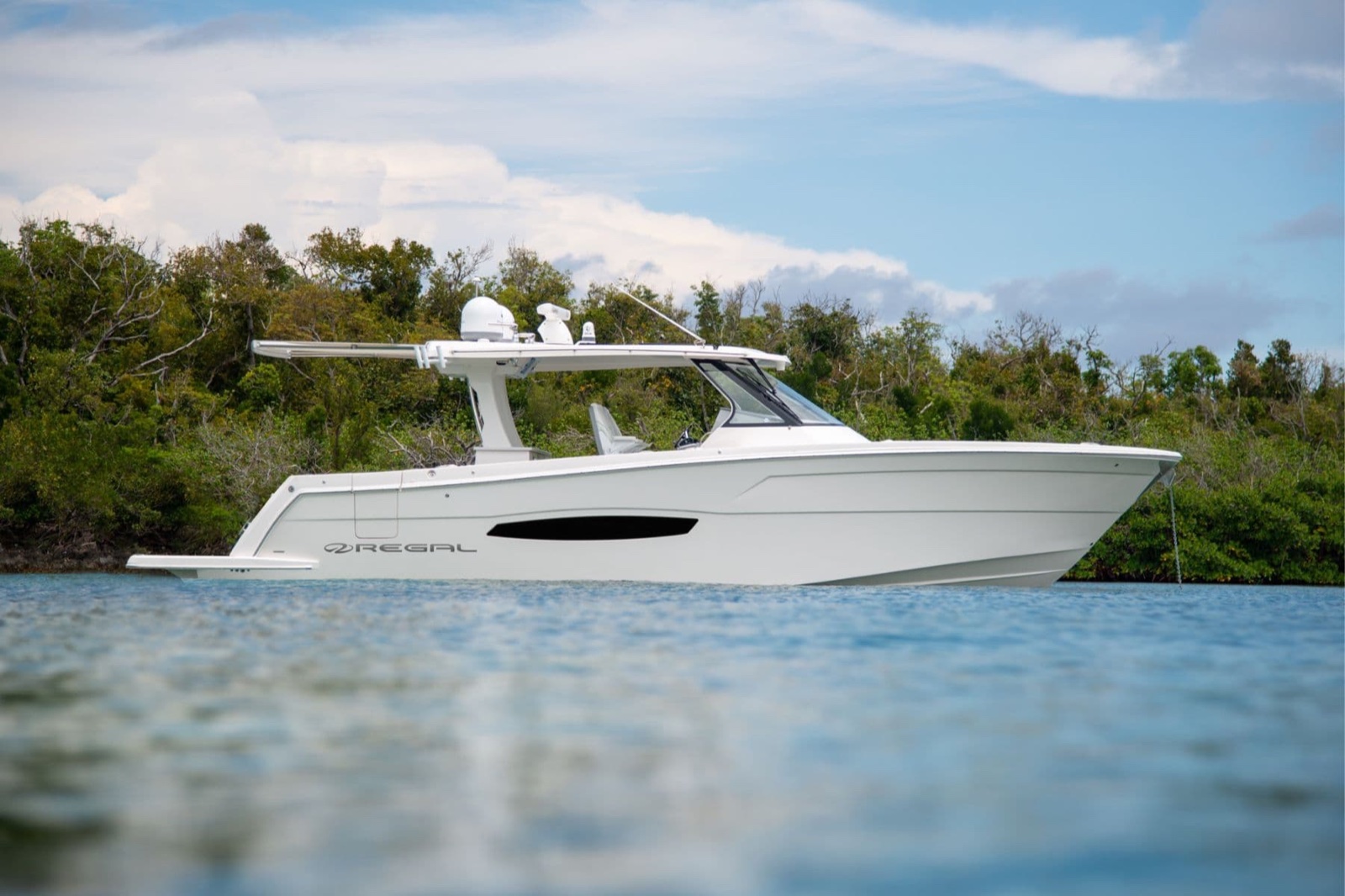
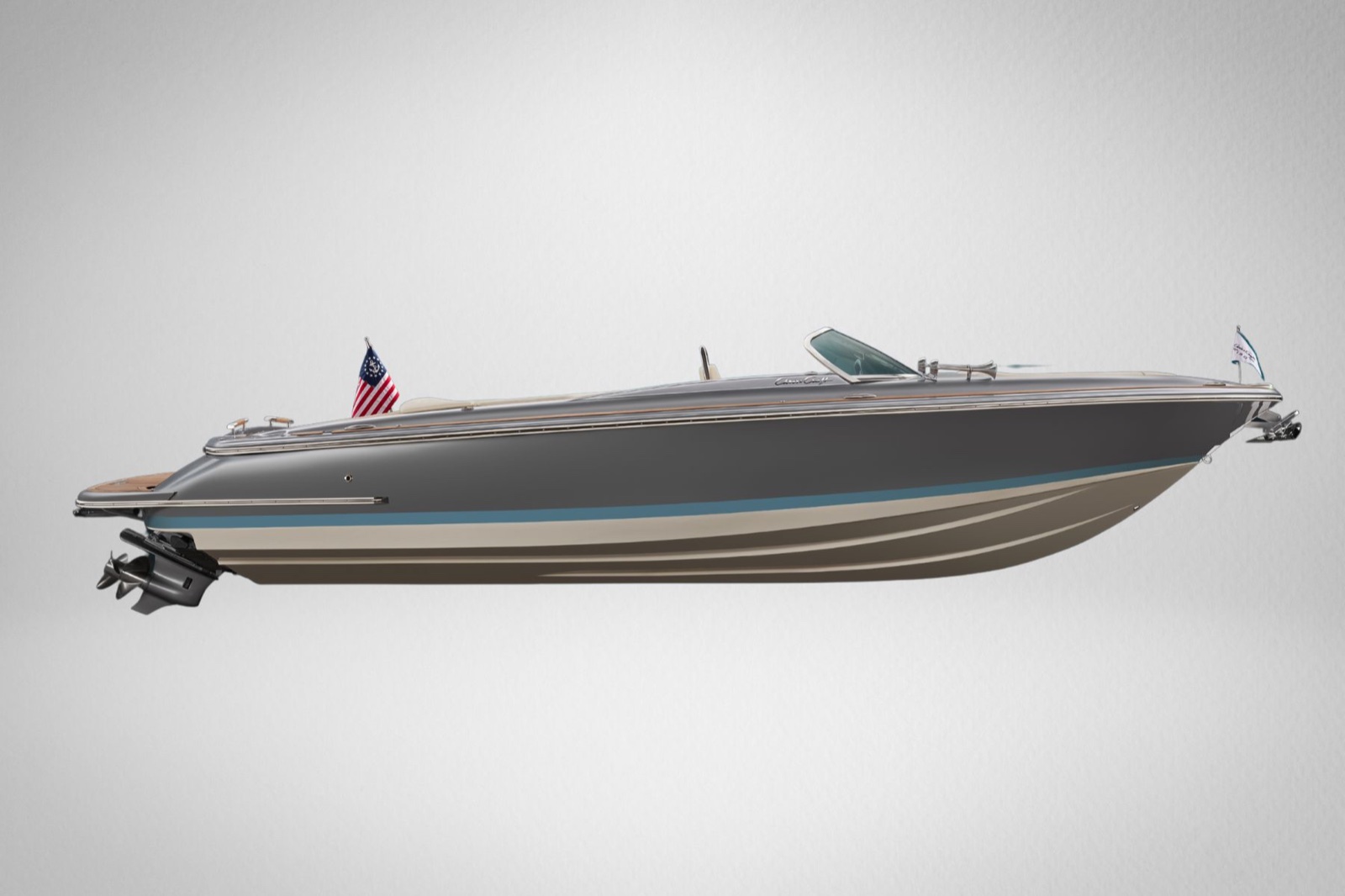
What defines a cabin cruiser
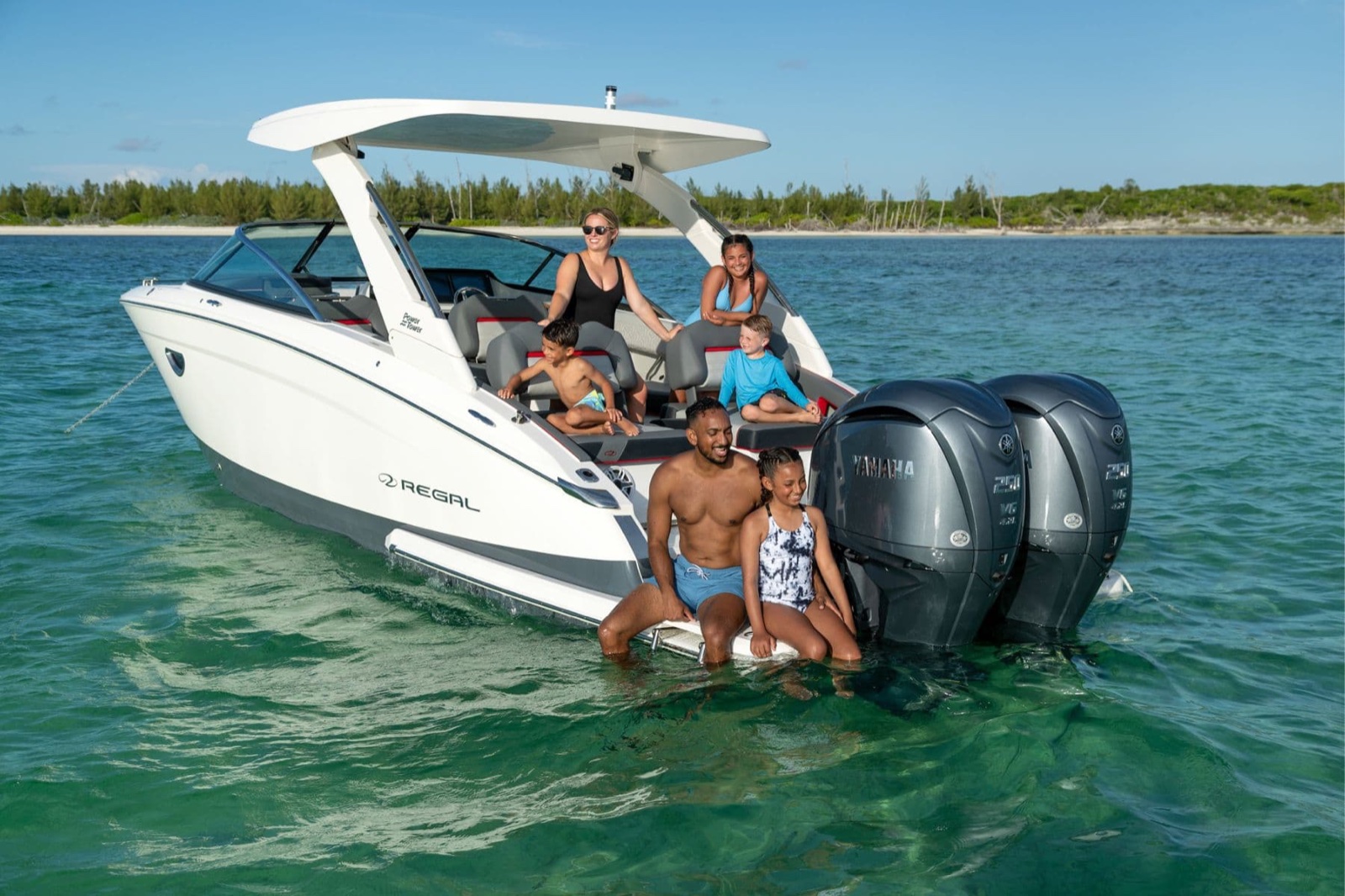
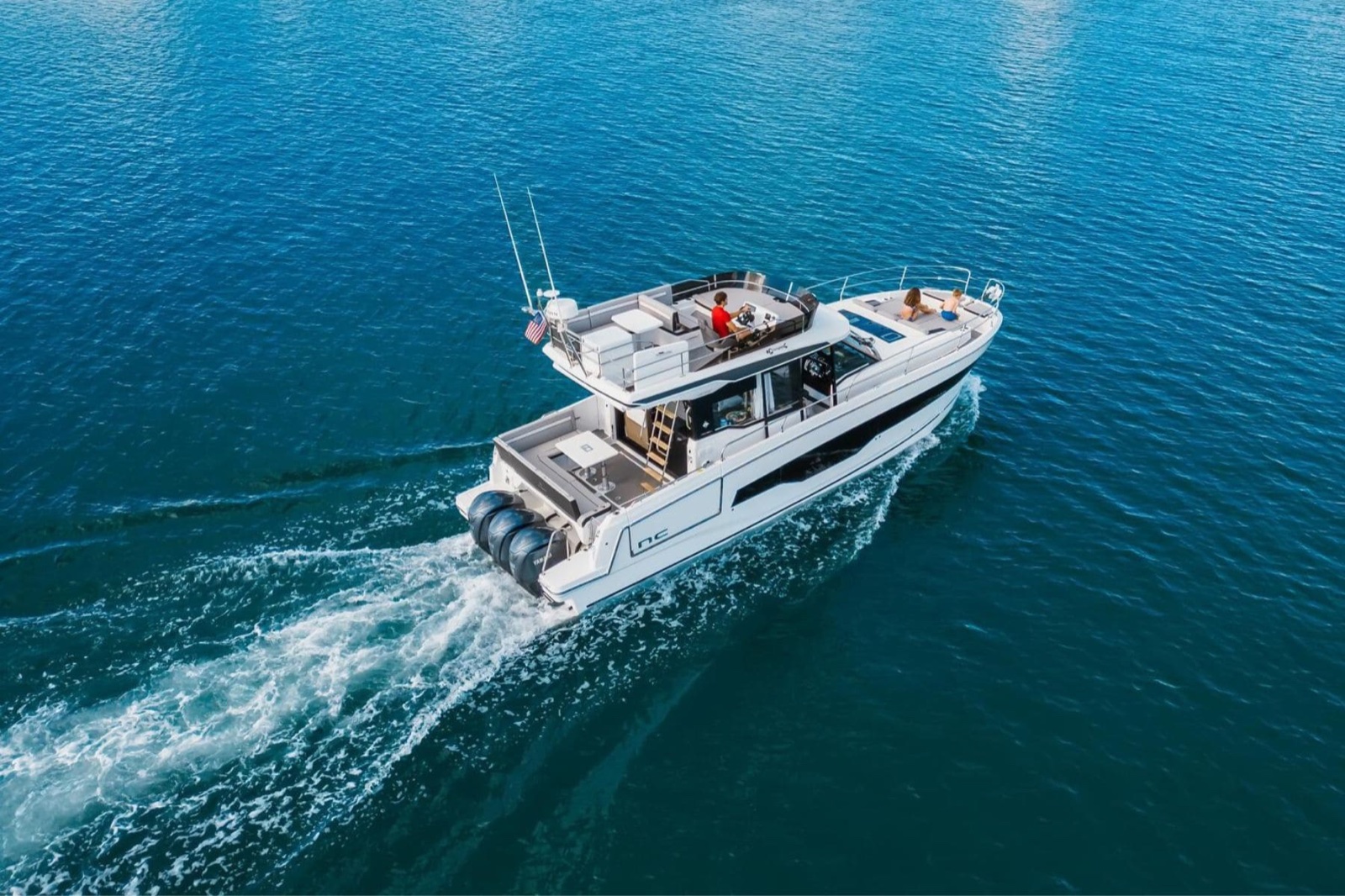
A cabin cruiser is a 25 to 40 foot express boat with an enclosed forward berth, a small galley and head, and a helm station under a hardtop or arch. The hull profile is moderate-V with a 17 to 21 degree deadrise, optimized for coastal cruising rather than offshore fishing. Propulsion has shifted dramatically over the last decade: where sterndrives once dominated, twin and triple outboards now own the new-build market above 28 feet because of better fuel economy, easier maintenance, and a cleaner transom for swim-platform use.
Buyers self-sort by five filters before they read a single review: length, drive configuration, intended cruising range, sleeping capacity (one cabin versus two), and price tier including the used market.
What buyers actually pay
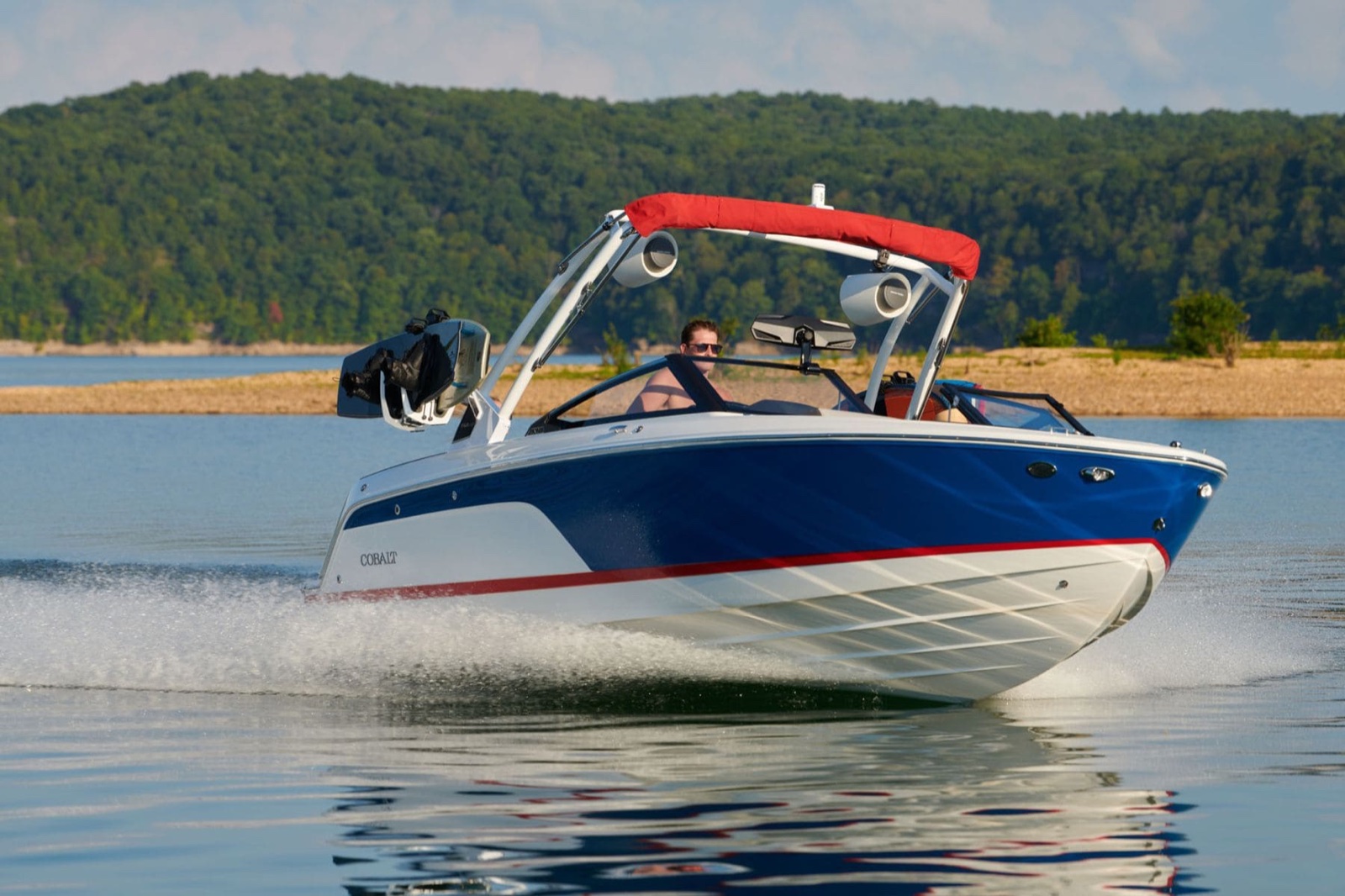
Year-one depreciation runs 18 to 25 percent in this segment, the steepest among recreational power boats because new MSRP keeps climbing while used inventory of 2018 to 2021 boats remains unusually high. Five-year depreciation lands at 35 to 45 percent for volume builders and 25 to 35 percent for premium lines like Cobalt and Chris-Craft. Outboard-powered models hold 10 to 15 percent more value than equivalent sterndrives at five years. The used sweet spot is the 5-to-8-year window where the depreciation curve flattens and the original sterndrive bellows are due for replacement, which is the moment to negotiate.
Model-year defects worth screening
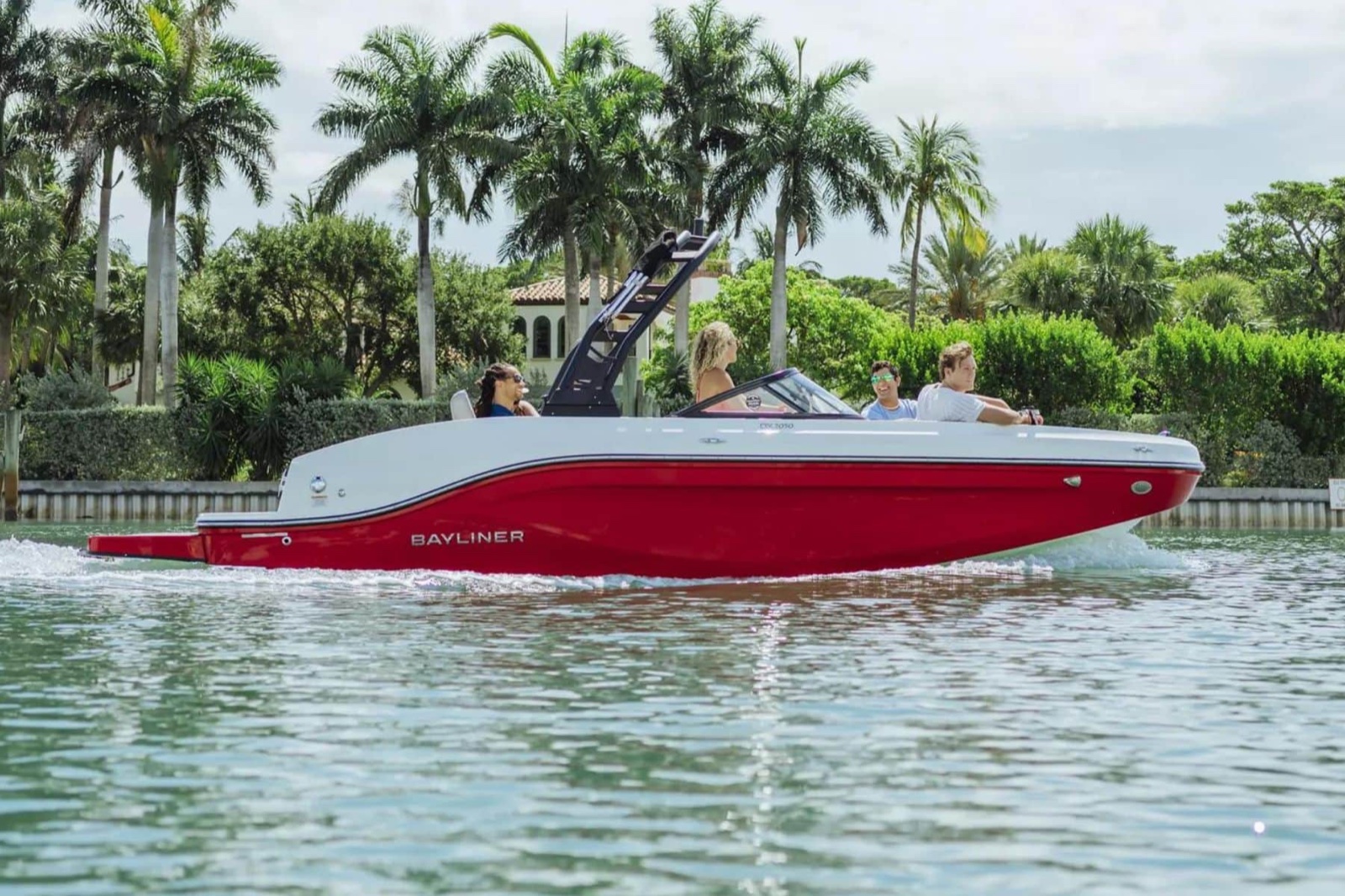
Pre-2018 Sea Ray Sundancer hulls used a balsa-cored deck that absorbed water through misbedded fittings; the 2018 cutover to closed-cell composite is the screen. MerCruiser 6.2L Bravo Three sterndrives 2015 to 2018 had a documented inner gimbal bearing failure pattern around 400 hours, surfaced across owner-mechanic forum threads. Volvo Penta IPS pods have generally aged well, but pre-2017 boats had a steering-actuator seal that wept and fouled the bilge. Bayliner 32 Element generation-one boats (2014 to 2017) had a fuel tank ground strap corrosion issue that triggered intermittent fuel-pump failures. Each of these shifts the used negotiation by $4,000 to $12,000.