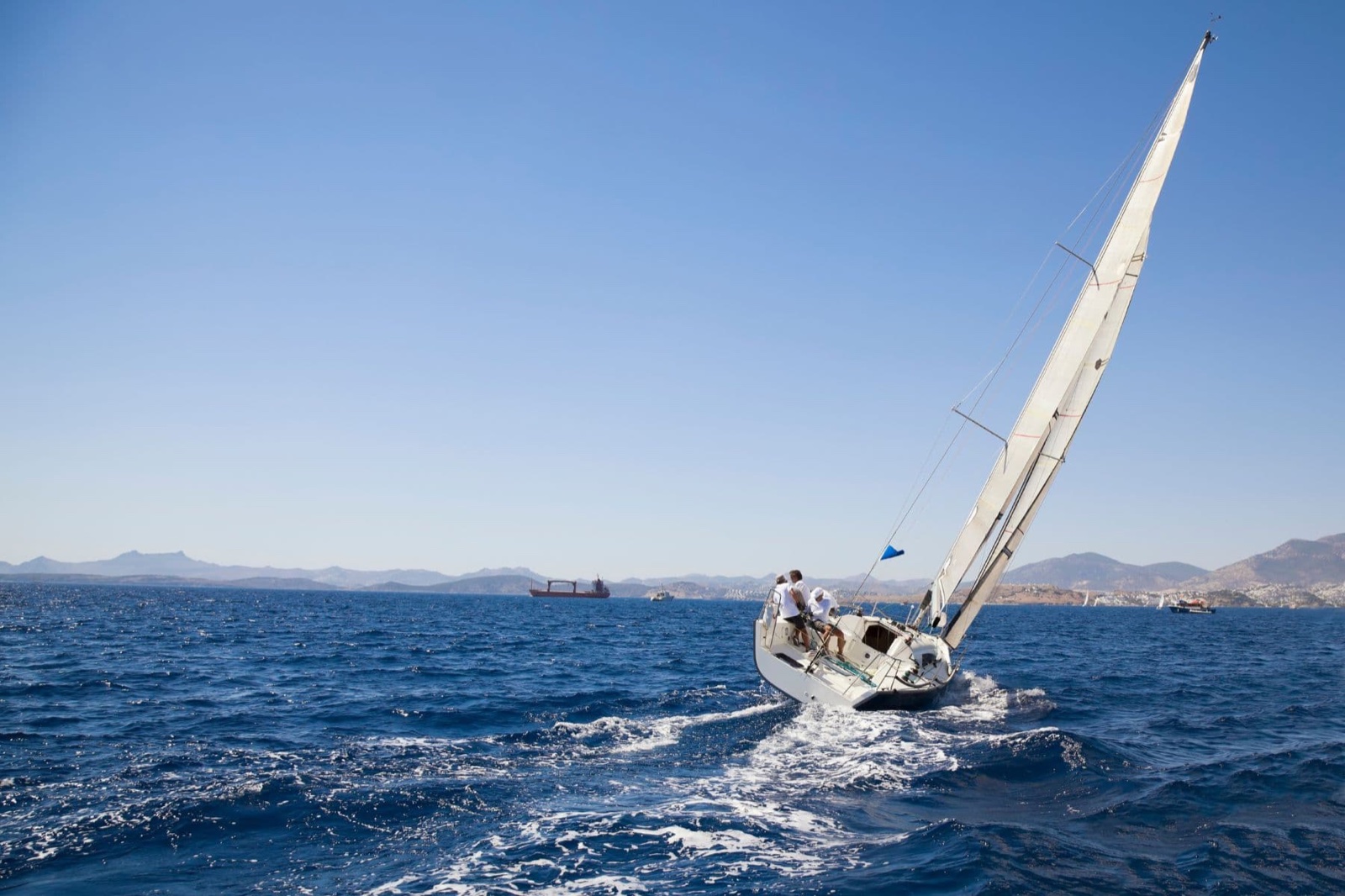
What defines a daysailer
A daysailer is any sailboat designed for non-overnight use, sized 13 to 30 feet, with no berth or cabin worth using. The category covers four very different hull types. Singlehand dinghies (Laser, Sunfish, RS Aero) are sub-200-pound boats that capsize routinely and reward weight management. Doublehand dinghies (420, 470, RS Venture) carry a crew on a trapeze. Beach catamarans (Hobie 16) are wide, fast, and beach-launchable. Daysail keelboats (Cape Dory Typhoon, Alerion 28) carry a fixed lead keel for stability and accept a small inboard or outboard for harbor use.
Buyers self-sort by four filters before they read a single review: length, hull type, intended use (learn, race, afternoon family sail), and price tier. The new market spans a 30x range; the used market is huge and active in every segment.
What buyers actually pay
Daysailer depreciation is the gentlest in any sail segment because hulls last 30 to 40 years and one-design class boats hold racing value indefinitely. A 1985 Sunfish in fair shape sells for $1,000 to $1,800 today. Laser hulls hold class-legal value within 10 to 15 percent of new at five years if the boat has not been raced hard. J/70 sport keelboats hold strongly because the fleet is big and one-design rules limit modification. The used sweet spot for a learner boat is "any older one-design with a class-legal sail and intact rig"; for a daysail keelboat, the 8-to-15-year window where the standing rigging has been replaced once.
Model-year defects worth screening
Pre-2018 RS Aero hulls had a daggerboard slot wear pattern that allowed water under the hull-to-deck joint, surfaced across owner-mechanic forum threads. The 2018 redesign solved it. Laser ILCA hulls 2014 to 2017 had a mast-step crack pattern visible from inside the cockpit; cheap to repair if caught early, expensive if ignored. Hobie 16 boats from any era need a careful pylon inspection at the trampoline corners; cracked pylons are the leading cause of sale-time discount. Cape Dory Typhoon hulls 1980s and 1990s era need a chainplate inspection because the original bedding compound failed at 30 plus years and the leak telegraphs into the bulkhead.