What defines a motor yacht
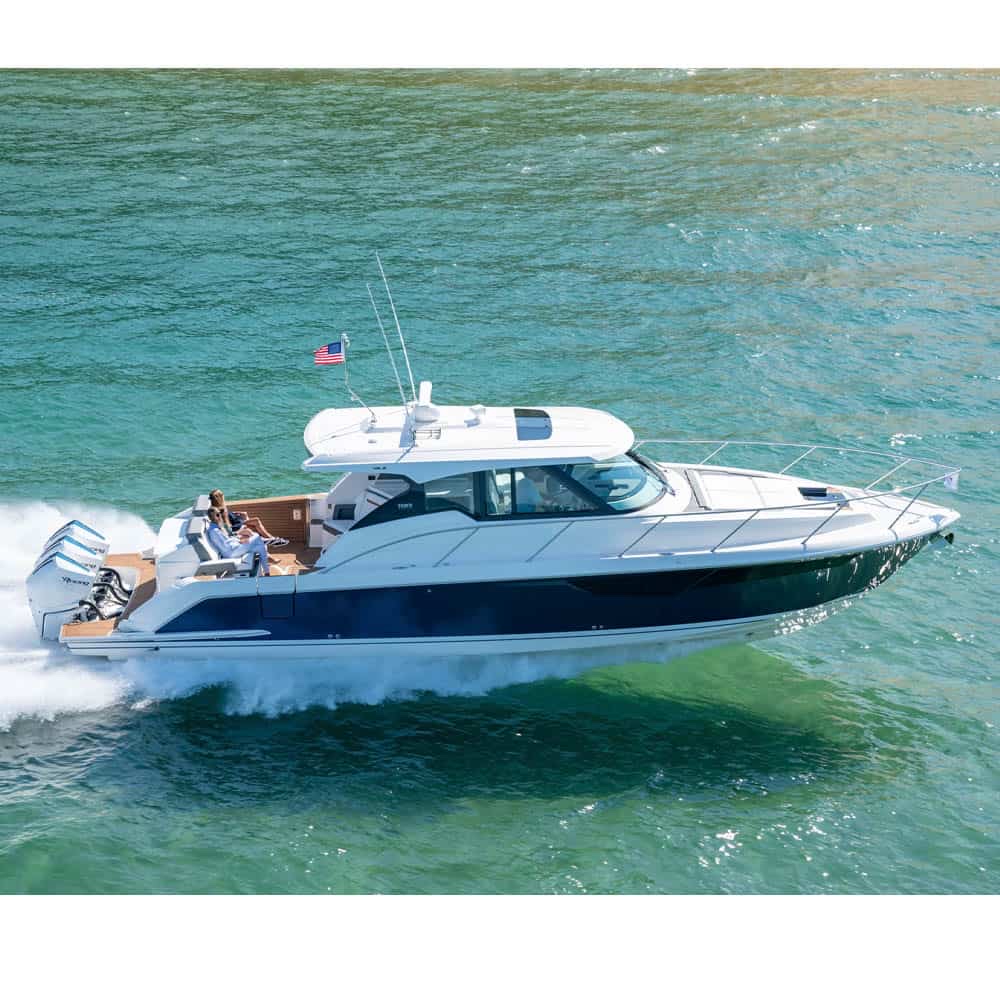
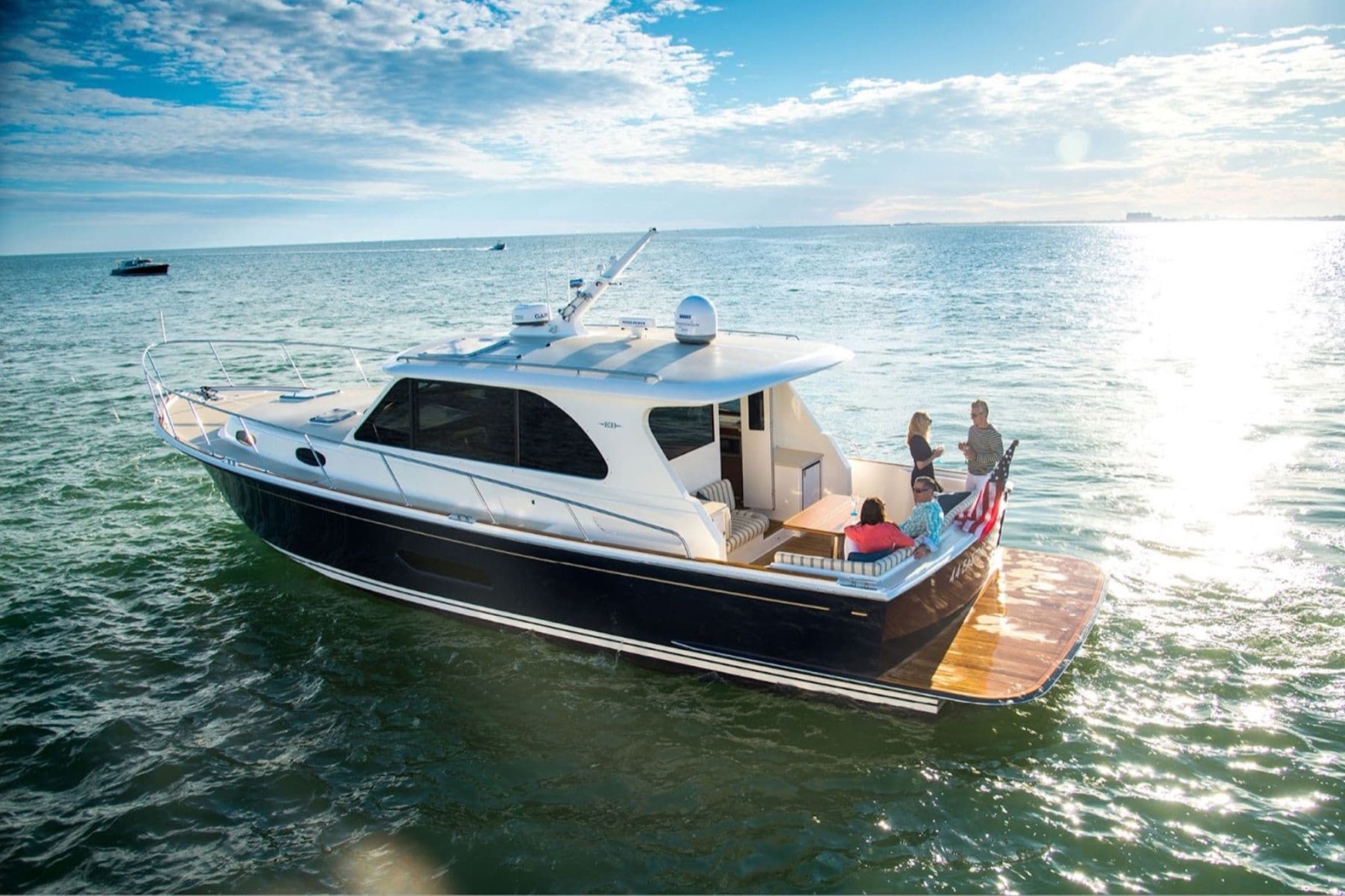
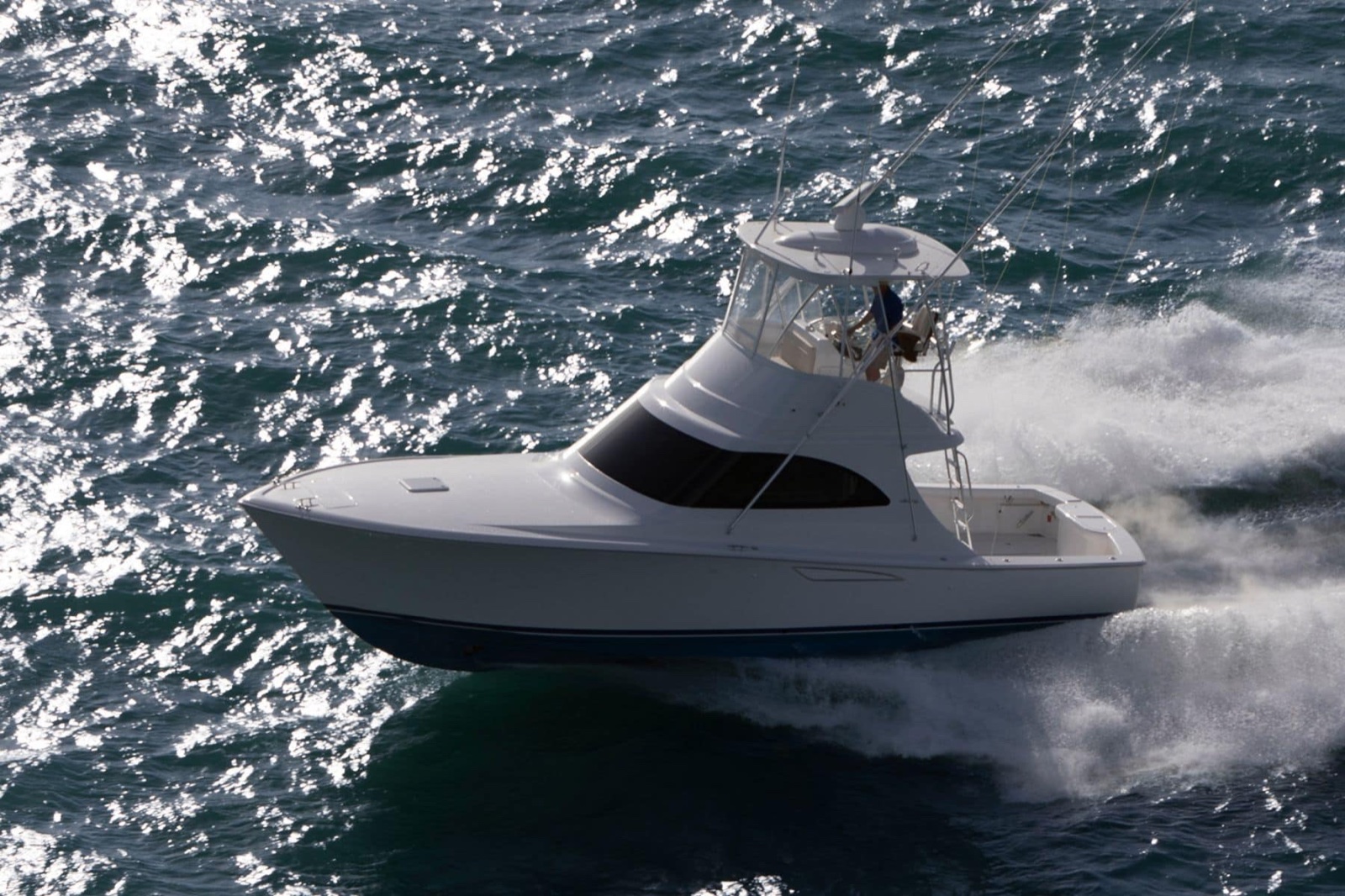
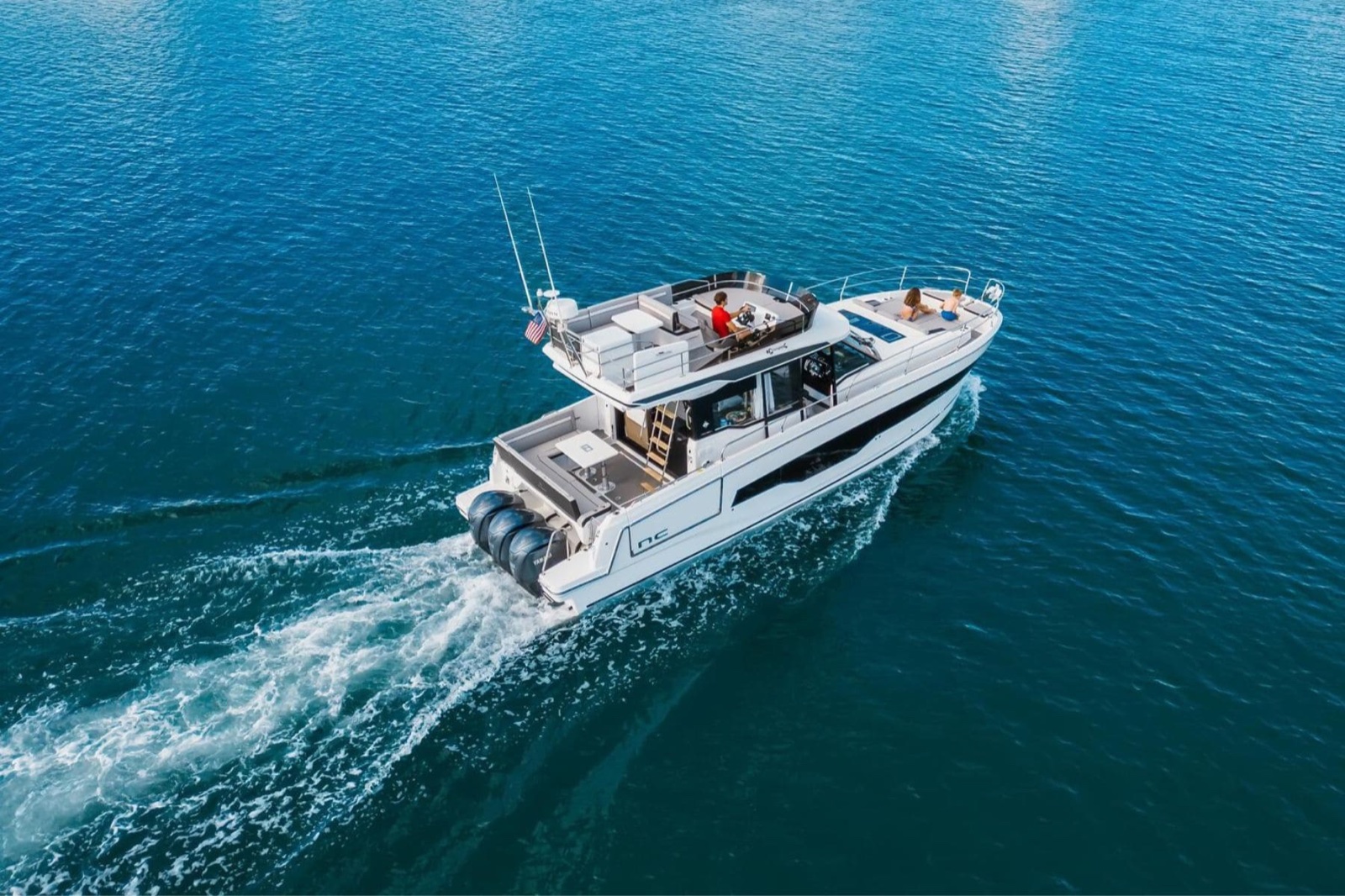
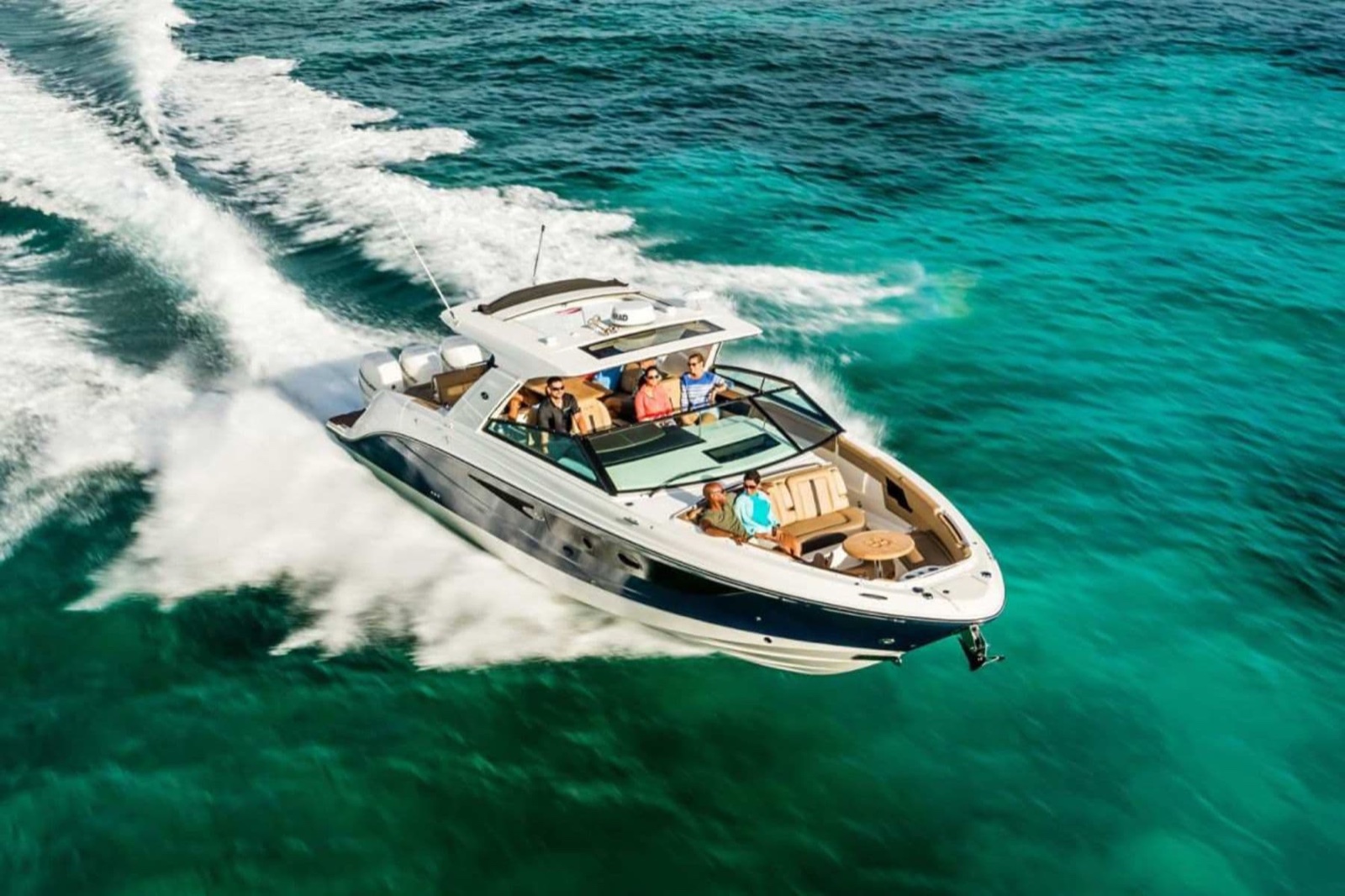
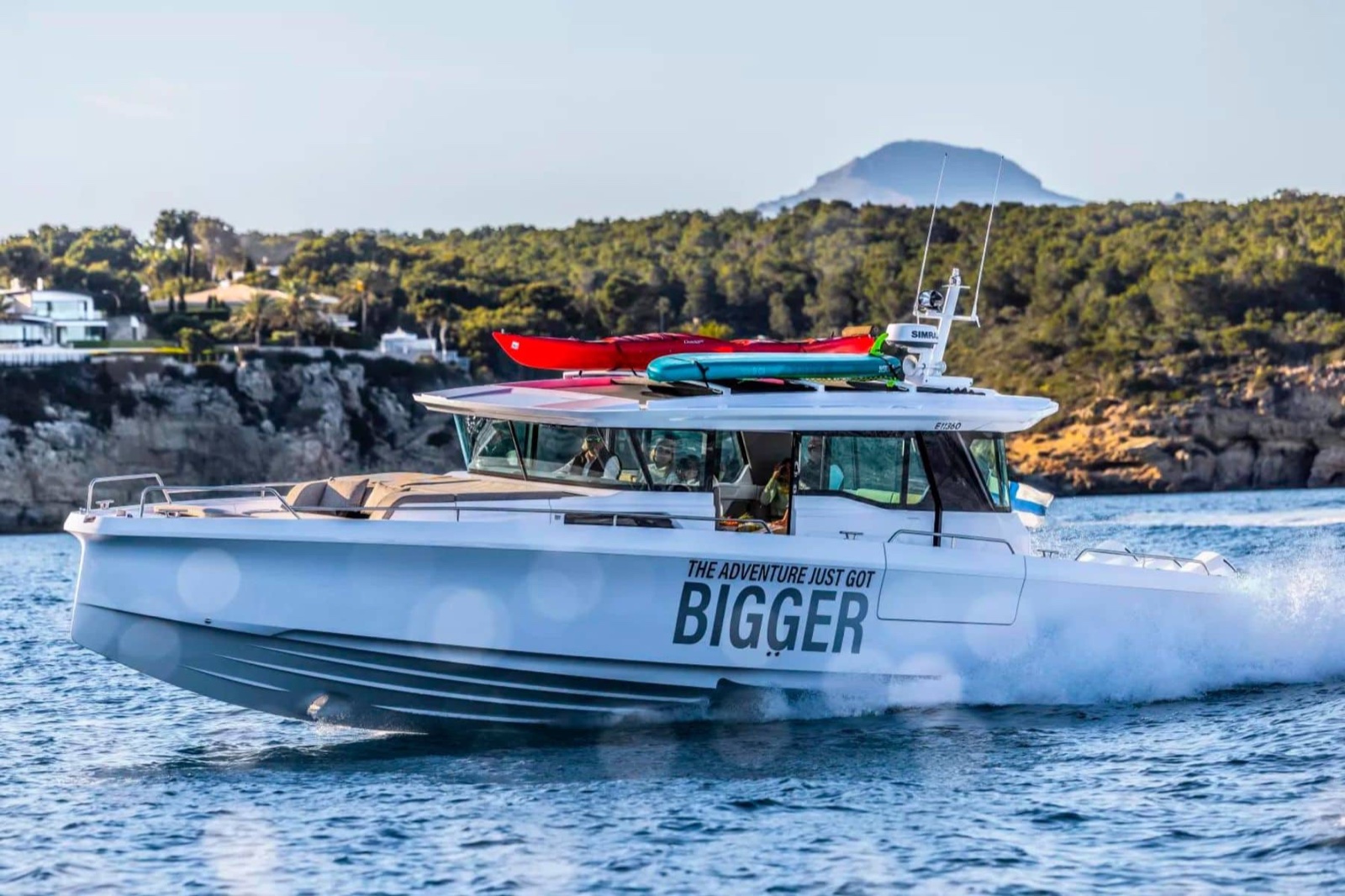
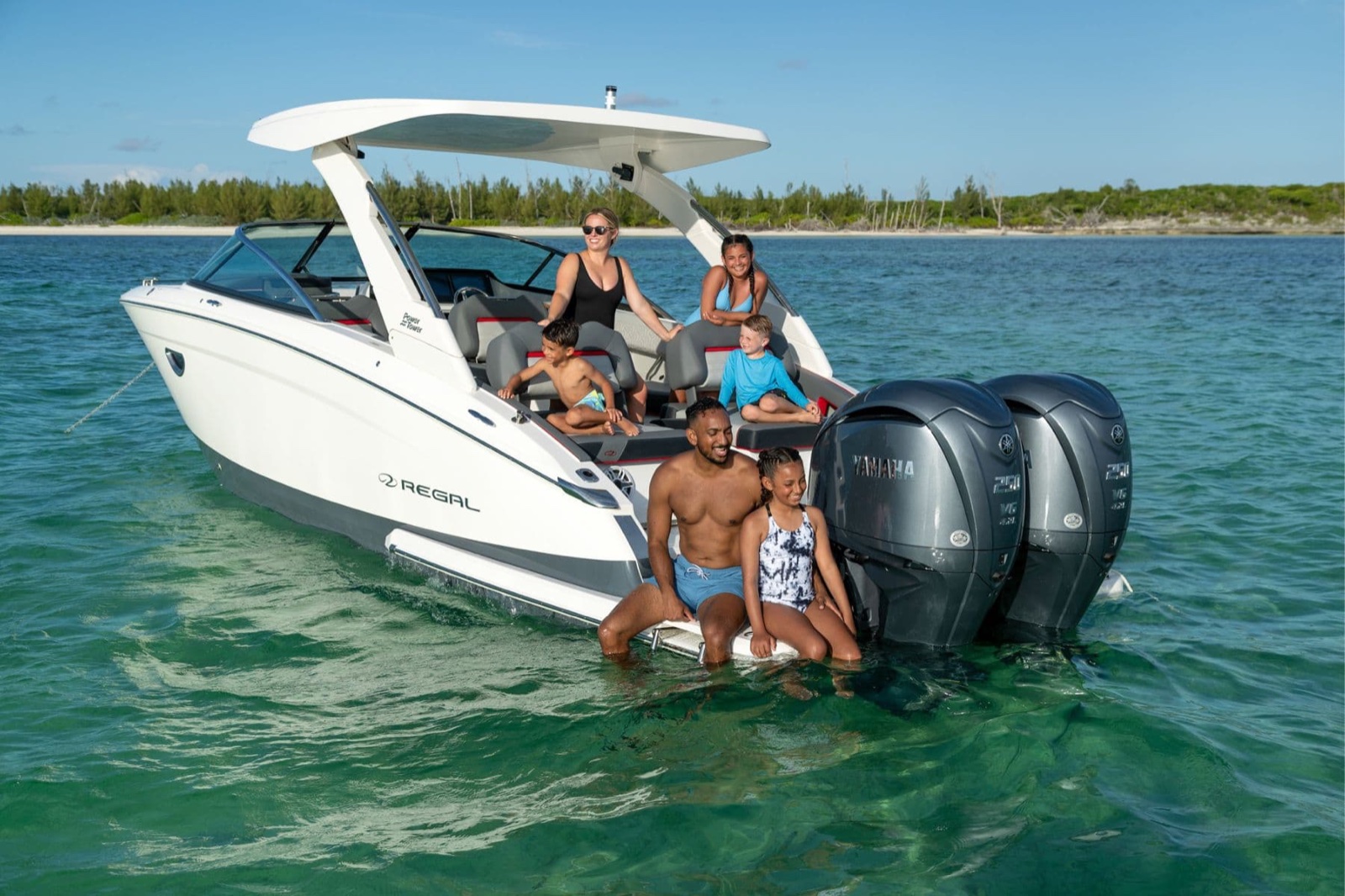
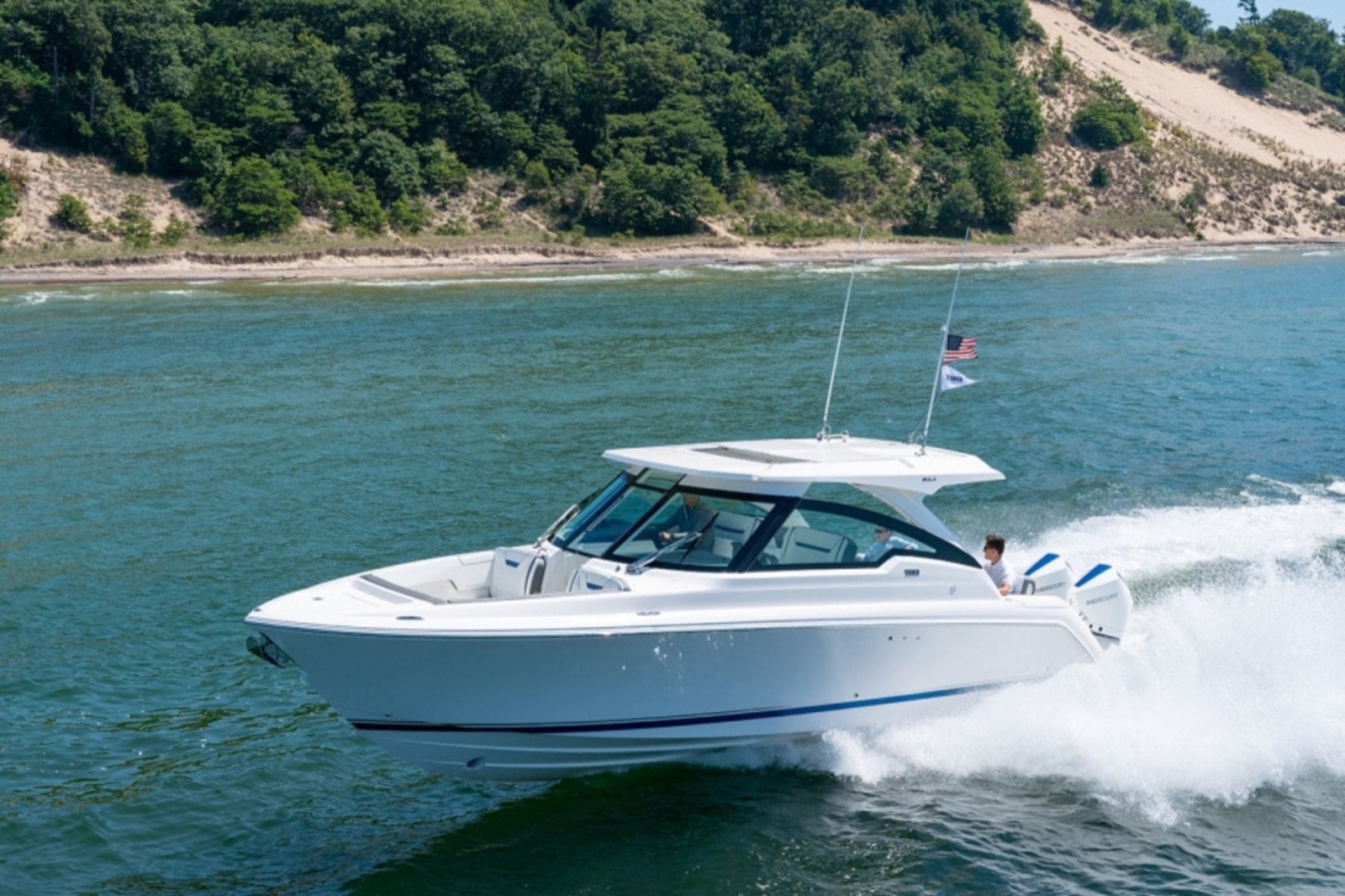
A motor yacht is a power vessel of 40 feet or more with full overnight accommodations, a pilot house or flybridge helm, and the displacement or semi-displacement hull form to handle multi-day passages. Below 50 feet the segment overlaps with express cruisers; above 60 feet the buyer pool shifts toward owner-operator yachtsmen and small captained crews. Propulsion splits three ways: traditional shaft-driven inboard diesel for long-range work, IPS pod drives for joystick docking and improved coastal economy, and increasingly twin or triple high-horsepower outboards on the 40 to 50 foot adventure-style yachts pioneered by Axopar.
Buyers self-sort by five filters before they read a single review: length, propulsion type, intended cruising range, accommodations layout (two cabins versus three or four), and price tier including the used market.
What buyers actually pay
Motor yacht depreciation is the gentlest among power boats because the supply pipeline is constrained: year one runs 12 to 18 percent off MSRP, and five-year depreciation lands at 25 to 35 percent for premium builders like Tiara, Grand Banks, and Viking. Full-displacement trawlers depreciate slower than planing yachts because the buyer pool is older and more loyal. The used sweet spot is the 7-to-12-year window where major systems (generators, water makers, hydraulics) have already had their first overhaul and the boat has earned a documented service history. Annual ownership cost typically runs 8 to 12 percent of hull value: insurance, dockage, haul-out, and routine engine service add up fast.
Model-year defects worth screening
Pre-2017 Volvo Penta IPS pods had a documented seal failure on the upper bearing housing that pulled water into the gear oil; the post-2017 service kit is mandatory on any used IPS boat without it. Caterpillar C9 and C12 inboards built 2010 to 2014 had aftercooler corrosion patterns specific to salt service, surfaced across owner-mechanic forum threads. Sea Ray L-class boats 2015 to 2018 had teak deck-bedding failures that telegraphed water into the salon coring. Tiara Open and Convertible models pre-2016 had a fuel-tank baffle weld pattern that fatigued under hard offshore use. None are deal-breakers, but each shifts the used negotiation by $15,000 to $50,000.