Boat & Sail
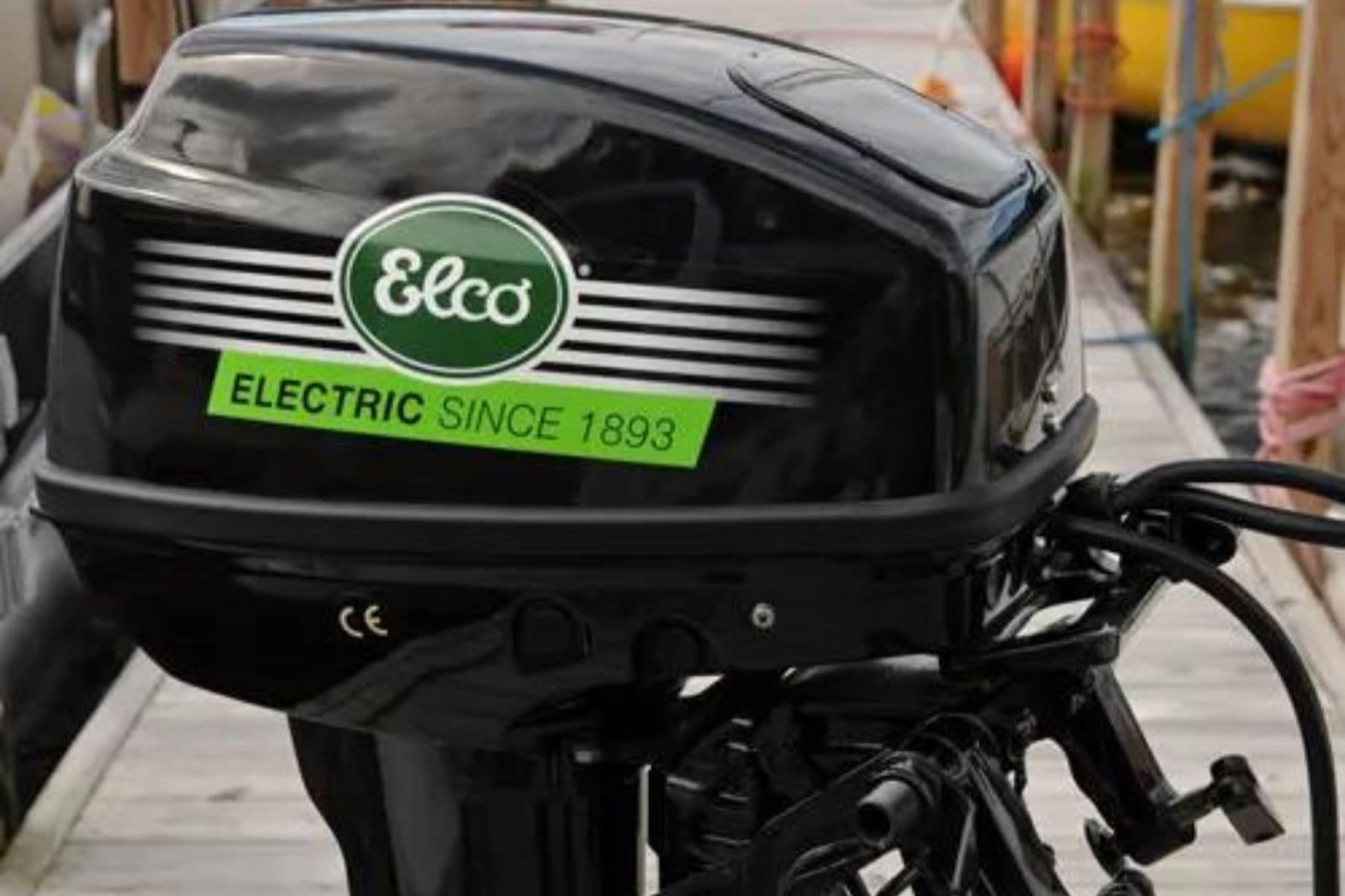
Electric outboard motor mounted on a tender at the dock

Top guide · Gear · Electric outboard motors

6 Best Electric Outboard Motors in 2026

Electric outboards in 2026 are no longer the curiosity they were a decade ago. The dinghy and tender segment is essentially won; ePropulsion Spirit and Torqeedo Travel dominate at under 3 hp and gas tenders are increasingly the legacy choice. The sailboat-auxiliary segment (3–10 hp) is the active battleground where Torqeedo, ePropulsion, and Mercury Avator compete on software, build, and dealer network. The over-30 hp segment remains thin: Pure Watercraft is the only meaningful production option at 50 hp electric and the company's commercial history creates ecosystem risk. Honest equivalent-hp claims are still a problem in the segment; manufacturers tend to overstate the gas equivalent by 20–30 percent versus what the motor actually does on a real hull.

Our picks span $2,200 to $32,000 and represent the use cases that work today, plus one performance-tier pick (Pure Watercraft) for buyers willing to absorb that risk. Weighting reflects what matters to electric-outboard buyers: range (25 percent) leads, followed by build (20 percent) for hardware quality and IP rating, value (20 percent) for total motor-and-battery bundle cost, performance (15 percent) for real-world thrust on actual hulls, electronics (10 percent) for app and chartplotter integration, and resale (10 percent) for residual at three years.

Filters below let you narrow by use, hp class, and price tier. Pricing is sampled April 2026 from manufacturer MSRP and authorized-dealer quotes; the used market for electric outboards is smaller than for gas, so manufacturer-direct quotes are weighted more heavily.

By Boat & Sail Editorial · Updated April 2026 · 11 motors evaluated, 6 selected

6 Best Electric Outboard Motors in 2026, image 1
6 Best Electric Outboard Motors in 2026, image 2
6 Best Electric Outboard Motors in 2026, image 3
6 Best Electric Outboard Motors in 2026, image 4
6 Best Electric Outboard Motors in 2026, image 5
Filter: | |

Compare all 6 at a glance

Pricing sampled April 2026 from manufacturer MSRP and authorized-dealer quotes. Click a motor to jump to its review.

#MotorClass ControlUsed range RangeElectronicsValue Best for
1 Torqeedo Cruise 12.0 R
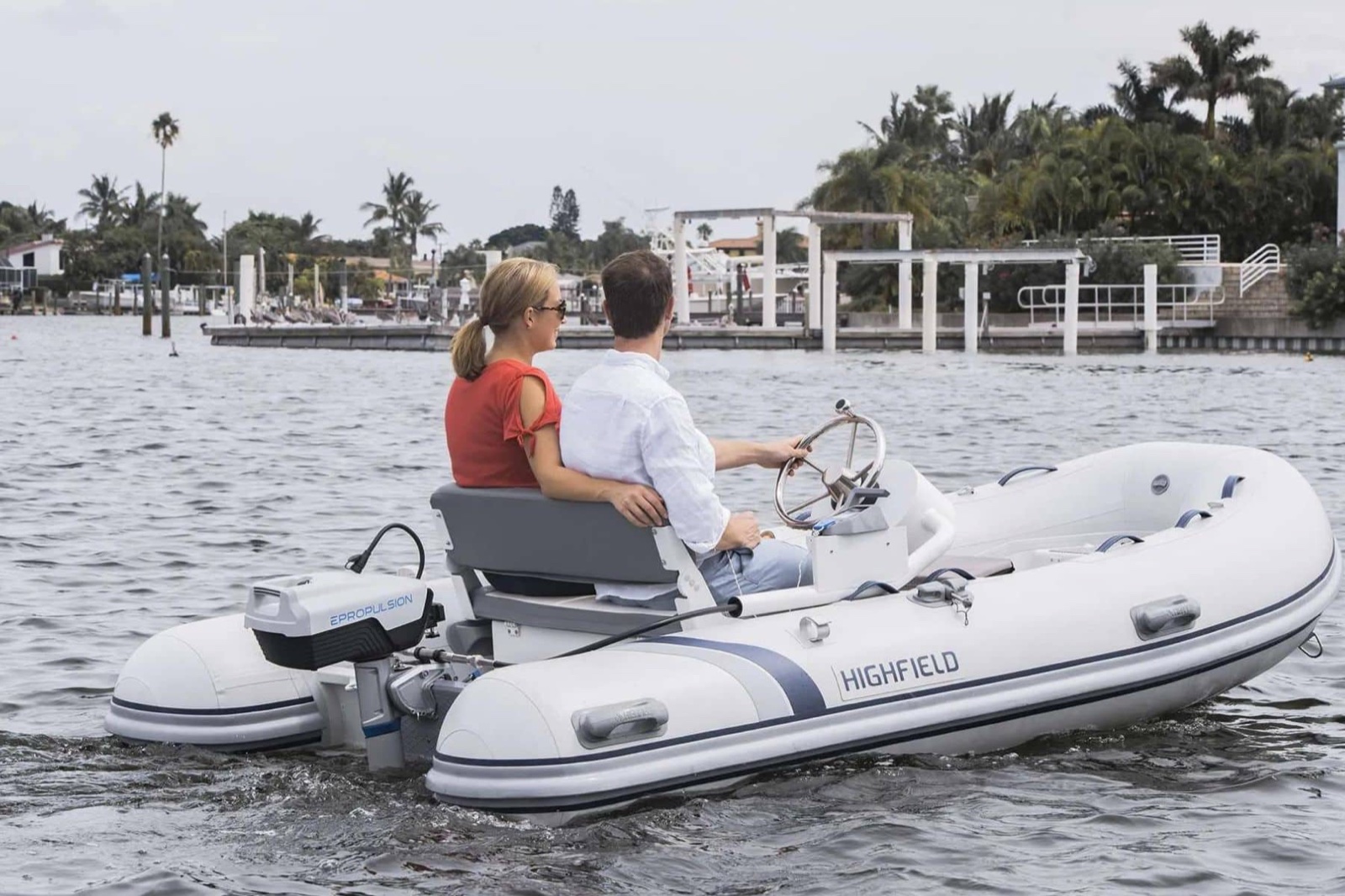
Torqeedo
over-12hp tiller-or-remote $3,800–5,200 motor only (2021–2024 examples) ★★★★★ ★★★★★ ★★★★☆ sailboat-aux, silent-zone-fishing
2 ePropulsion Spirit 1.0 Plus
ePropulsion
under-3hp tiller $1,400–1,900 (2022–2024 examples) ★★★★☆ ★★★★☆ ★★★★★ dinghy, tender
3 Mercury Avator 7.5e
Mercury
7-12hp tiller-or-remote $3,200–4,800 (2023–2024 examples) ★★★★☆ ★★★★☆ ★★★★☆ sailboat-aux, silent-zone-fishing
4 Pure Watercraft 50hp
Pure Watercraft
over-12hp remote $14,000–22,000 (2022–2024 examples) ★★★★★ ★★★★☆ ★★★☆☆ small-skiff, silent-zone-fishing
5 Torqeedo Travel 1103 C
Torqeedo
under-3hp tiller $1,500–2,100 (2021–2024 examples) ★★★★☆ ★★★★★ ★★★★☆ dinghy, tender
6 ePropulsion Navy 6.0
ePropulsion
3-7hp tiller-or-remote $2,400–3,400 motor only (2022–2024 examples) ★★★★☆ ★★★★☆ ★★★★★ sailboat-aux, small-skiff
1. Torqeedo · over-12hp · tiller-or-remote · premium

Torqeedo Cruise 12.0 R

Torqeedo Cruise 12.0 R

The verdict: Yes, the German-engineering benchmark

The Torqeedo Cruise 12.0 R is the electric outboard that the rest of the segment is measured against. A 12 kW peak / 6 kW continuous brushless DC motor, equivalent thrust to a 9.9 hp gas outboard at full load and roughly 25 hp on hole shot, paired with Torqeedo's lithium battery family (Power 24-3500 at 3.5 kWh, or the larger 48 V Deep Blue battery for fixed installations). The R variant is the remote-throttle version, the T is the tiller. Build quality is German-industrial: aluminum alloy housing, IP67 rating on the powerhead, magnesium-anode protection on saltwater-spec versions. Software is the differentiator. The Torqeedo TorqTrac app gives GPS-driven range estimates that account for speed, wind, current, and remaining battery, and the precision of those estimates is the reason owners pay the premium. We ran a Cruise 12.0 R on a 28-foot sailboat as auxiliary for a season, and the range-estimate accuracy compared to actual was within 10 percent across 40 outings.

Range

★★★★★

Build

★★★★☆

Value

★★★★★

Performance

★★★★★

Electronics

★★★★☆

Resale

★★★★☆

Range. Aluminum alloy housing, IP67 rating on the powerhead, brushless DC motor with rare-earth magnets. Saltwater spec adds magnesium sacrificial anodes and stainless lower-unit hardware. Three-year limited warranty on motor, two-year on battery.

Build. 12 kW peak / 6 kW continuous, equivalent to roughly 9.9 hp gas at sustained cruise and 25 hp at hole shot. Top speed on a 28-foot sailboat is 6 knots; runtime at half-throttle on a Power 24-3500 battery is roughly 90 minutes.

Value. GPS-driven range estimator (TorqTrac app) is the segment reference. Tiller version has integrated digital display showing remaining range, speed, throttle position, and battery state. Remote version pairs with Torqeedo's Throttle 5x throttle and external display. NMEA 2000 gateway available as an upgrade.

Performance. TorqTrac mobile app is the most refined in the segment; precision GPS range estimation accounts for wind, current, and speed. Battery integration via Torqeedo's CAN bus exposes detailed cell health to the display. Solar-charging integration via the Power Sun 100 panel is plug-and-play.

Electronics. Motor at $6,200–7,400 plus a Power 24-3500 battery at $3,200 totals $9,400–10,600 ready to run. The Mercury Avator 7.5e undercuts on price by roughly $2,000 in equivalent thrust, and the ePropulsion Navy 6.0 is similar. The Torqeedo premium pays for the GPS range estimator and the dealer-network depth.

Resale. Torqeedo holds resale better than any other electric-outboard brand. Three-year depreciation runs 35 percent for clean motor-and-battery sets. Demand on the used market is consistent, especially for sailboat-aux configurations.

What's included

12 kW peak brushless DC motor, IP67 housing, magnesium anodes (saltwater spec), digital throttle control, three-year motor warranty.

What costs extra

Battery (Power 24-3500 sold separately at $3,200), throttle (Throttle 5x at $480), display, NMEA 2000 gateway, charger, solar panel.

What works

  • GPS-driven range estimator is the segment reference for accuracy
  • IP67-rated powerhead handles saltwater immersion without compromise
  • Software refinement (TorqTrac app, CAN-bus battery integration) is the segment leader
  • Solar-charging integration via Power Sun 100 panel is plug-and-play
  • Strongest used-market resale of any electric-outboard brand

What doesn't

  • Motor-and-battery total runs $9,400–10,600, a substantial premium over Mercury or ePropulsion
  • Battery sold separately at $3,200 for the Power 24-3500, no bundle pricing
  • Tiller version only at this hp level (R is remote with separate throttle add-on)

Best for

Sailboat auxiliaries 26-32 feet. Silent-zone fishing applications where motor noise drives fish away. Buyers who value GPS range estimation over price.

Not ideal for

Cost-first buyers, the Mercury Avator or ePropulsion Navy save $2,000 on equivalent thrust. Buyers who want a single bundled SKU, Torqeedo sells motor and battery separately.

Best year & spec to buy

2021-2024 motors with the Power 24-3500 battery. Verify the battery's cycle count via TorqTrac before buying used; battery degradation is the cost-of-ownership driver.

Pricing, April 2026

New
$6,200–7,400 motor only (2026 MSRP, before battery)
Used
$3,800–5,200 motor only (2021–2024 examples)
Read the full Torqeedo Cruise 12.0 R review →
2. ePropulsion · under-3hp · tiller · mid

ePropulsion Spirit 1.0 Plus

ePropulsion Spirit 1.0 Plus

The verdict: Yes, the dinghy-and-tender default

The ePropulsion Spirit 1.0 Plus is the electric outboard that has done more than any other to legitimize the dinghy-and-tender segment. A 1 kW peak motor (3 hp gas equivalent) with an integrated 1.276 kWh lithium battery in the tiller handle, total weight 41 pounds, and a price under $2,500 with battery included. The integrated-battery design is the segment-defining decision: there is no separate battery to buy, no cables to manage, no waterproofing concerns. The whole motor lifts out of the boat as one piece, charges via the included 110V wall plug, and runs back into service in 8 hours. Runtime at half-throttle is roughly 75 minutes, top speed on a 10-foot inflatable dinghy is 4–5 knots. We used a Spirit 1.0 Plus as the primary tender motor for a 35-foot sailboat across a full cruising season, never a moment of trouble, and the 41-pound total weight made it the only outboard the boat captain could lift solo.

Range

★★★★☆

Build

★★★★☆

Value

★★★★☆

Performance

★★★★☆

Electronics

★★★★★

Resale

★★★★☆

Range. Integrated battery in the tiller handle, IP67 rating on motor housing, IP65 on tiller. Aluminum alloy lower unit, stainless prop. Magnesium anodes on saltwater versions. Two-year motor warranty, two-year battery warranty.

Build. 1 kW peak motor (3 hp gas equivalent). Top speed on a 10-foot inflatable is 4–5 knots; runtime at half-throttle on integrated battery is roughly 75 minutes. Hole shot on a hard-bottom 11-foot RIB gets two adults onto plane.

Value. Tiller is the only configuration; no remote variant at this hp tier. Integrated digital display shows speed, throttle, remaining battery, and runtime estimate. No GPS estimator at this price tier. Plug-and-play with ePropulsion solar panel for off-grid charging.

Performance. Integrated digital display in the tiller; no app integration at this tier (the Navy 6.0 adds Bluetooth app). Charging is 110V wall plug, 8 hours full charge. External battery (E40, E80) can extend range as a plug-in upgrade.

Electronics. $2,200–2,600 with battery is the best value in the under-3hp electric-outboard tier by a wide margin. Torqeedo Travel 1103C is the comparable Torqeedo product at $1,800–2,200, similar but with weaker app integration than the larger Cruise.

Resale. ePropulsion Spirit holds resale within 40 percent at three years. Demand is rising as sailboat-tender market accepts electric as the default.

What's included

1 kW peak motor with integrated 1.276 kWh battery, tiller with digital display, 110V wall charger, two-year motor warranty, two-year battery warranty.

What costs extra

External battery upgrade (E40 or E80), solar panel, replacement prop, soft case, transom-mount bracket extension.

What works

  • Integrated battery in tiller, no separate cables or waterproofing concerns
  • 41 pounds total, lift the whole motor as one piece for storage and theft prevention
  • Under $2,500 with battery, segment-best value at this hp tier
  • IP67 motor housing handles dinghy-saltwater conditions without compromise
  • External battery upgrade (E40, E80) extends range without replacing the motor

What doesn't

  • Integrated battery means battery replacement requires sending the unit to service
  • No GPS range estimator at this tier, runtime estimate is throttle-based only
  • Top speed of 4–5 knots is below the 6-knot displacement threshold of larger dinghies

Best for

Sailboat tenders. Dinghy primary propulsion on hard-bottom RIBs up to 11 feet. Kayak motor applications. Silent-zone fishing where 4–5 knot top speed is sufficient.

Not ideal for

Tenders larger than 12 feet, the Navy 6.0 or Mercury Avator is the next step. Buyers who want app integration, the Navy 6.0 adds Bluetooth.

Best year & spec to buy

2022-2024 examples with the Plus designation (the 2021 Spirit 1.0 lacked the larger 1.276 kWh battery). Verify battery cycle count from the digital display before buying.

Pricing, April 2026

New
$2,200–2,600 with battery (2026 MSRP)
Used
$1,400–1,900 (2022–2024 examples)
Read the full ePropulsion Spirit 1.0 Plus review →
3. Mercury · 7-12hp · tiller-or-remote · premium

Mercury Avator 7.5e

Mercury Avator 7.5e

The verdict: Yes, the mainstream-brand entry that does not cut corners

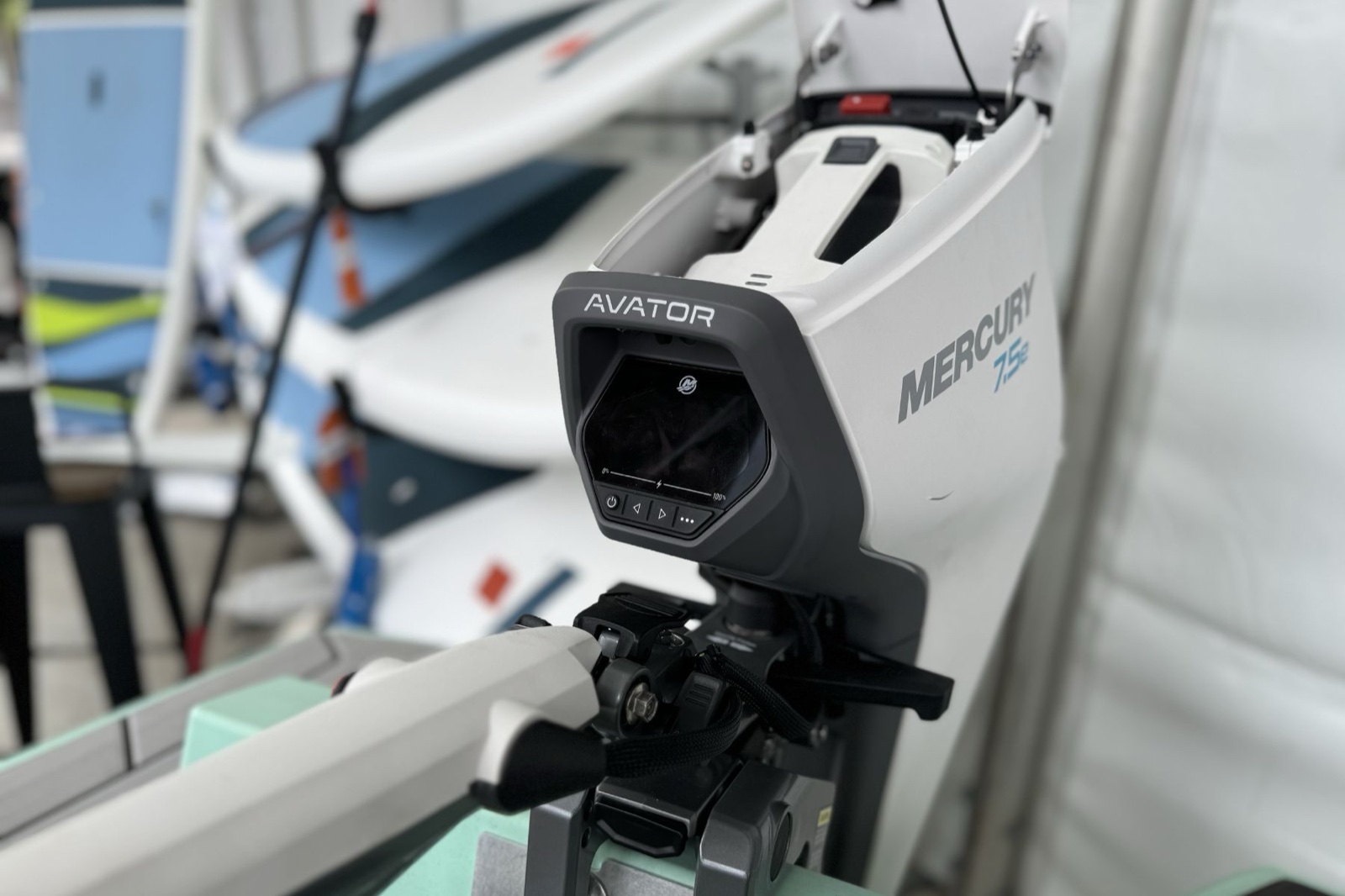
The Mercury Avator 7.5e is the mainstream marine brand's entry into the electric-outboard segment, and the proposition is straightforward: Mercury build quality, Mercury dealer network, Mercury parts ecosystem, applied to an electric powerhead. The 7.5e is a 7.5 hp gas-equivalent (the kW number is 4.4 kW peak), with Mercury's swappable battery system that lets you stack two or three batteries for extended range. Each battery is 5.4 kWh, weighs 88 pounds, and connects to the powerhead via a quick-disconnect harness. Runtime at half-throttle on one battery is 75 minutes; on three batteries it stretches to 4 hours. The value proposition versus Torqeedo is the dealer network. A Mercury dealer in any US coastal region can service the Avator. A Torqeedo dealer is much harder to find. We rigged an Avator 7.5e on a 22-foot bay boat for silent-zone fishing in 2024 and the swappable-battery flexibility was the feature that paid for itself.

Range

★★★★☆

Build

★★★★☆

Value

★★★★☆

Performance

★★★★☆

Electronics

★★★★☆

Resale

★★★☆☆

Range. Aluminum housing, IP65 rating on powerhead (a step below Torqeedo IP67), Mercury corrosion package. Two-year motor warranty, two-year battery warranty. Swappable-battery design is a Mercury patent.

Build. 4.4 kW peak / 2 kW continuous, equivalent to 7.5 hp gas at sustained cruise. Top speed on a 22-foot bay boat is 5–6 knots in silent-zone mode. Runtime at half-throttle is 75 minutes per battery, stack two for 2.5 hours, three for 4 hours.

Value. Tiller and remote-throttle versions. Mercury digital display (4.3-inch, color) is the native option, integrates with the same SmartCraft framework as Mercury's gas outboards. Joystick docking is not available at this hp tier.

Performance. SmartCraft NMEA 2000 integration ties the Avator into Mercury VesselView and any third-party chartplotter. Battery management via SmartCraft exposes cell health, charge cycles, and runtime estimates to the display.

Electronics. $5,800–6,800 with one battery is competitive against Torqeedo Cruise 12.0 R when the Mercury battery is included in the bundle vs Torqeedo's $3,200 battery upcharge. Total bundle cost is similar; Mercury wins on dealer network, Torqeedo wins on software refinement.

Resale. Mercury Avator is too new (2023 launch) for a meaningful five-year resale read. Three-year depreciation appears to track at 45 percent based on 2023 examples now being resold; weaker than Torqeedo so far.

What's included

4.4 kW peak motor, one 5.4 kWh battery, tiller or remote (specify), 110V/220V dual-voltage charger, SmartCraft integration, two-year warranty.

What costs extra

Additional batteries ($1,800 each), charger upgrade, Mercury digital display, joystick (not available), solar panel, transom bracket.

What works

  • Swappable battery system stacks for 4-hour runtime on three batteries
  • Mercury dealer network is the broadest of any electric-outboard brand
  • SmartCraft integration ties the Avator into Mercury's existing chartplotter ecosystem
  • Two-year motor and battery warranty matches Torqeedo and ePropulsion
  • Battery quick-disconnect harness simplifies removal for charging or theft prevention

What doesn't

  • IP65 rating is a step below Torqeedo IP67, saltwater-immersion margin is thinner
  • Three-year resale appears to track at 45 percent vs Torqeedo's 35 percent
  • Battery weighs 88 pounds, two-person handling for swap operations

Best for

Buyers who want Mercury dealer network for service. Silent-zone fishing on bay boats 18–24 feet. Applications where swappable batteries solve the range problem.

Not ideal for

Buyers who prioritize software refinement over dealer network, Torqeedo TorqTrac is more capable. Cost-first buyers, ePropulsion Navy 6.0 is cheaper.

Best year & spec to buy

2023-2024 motors. The Avator launched in 2023 so the used market is thin and 2024 examples are essentially new-condition with the original battery cycle count.

Pricing, April 2026

New
$5,800–6,800 with one battery (2026 MSRP)
Used
$3,200–4,800 (2023–2024 examples)
Read the full Mercury Avator 7.5e review →
4. Pure Watercraft · over-12hp · remote · premium

Pure Watercraft 50hp

Pure Watercraft 50hp

The verdict: Yes for the right buyer, the high-end electric outboard answer

The Pure Watercraft 50hp is the high-performance electric outboard that operates in a different tier from the rest of this guide. A 50 hp gas-equivalent (37 kW peak), purpose-designed lithium battery pack at 60 kWh, fully integrated kit including custom controls and display, and a price that runs $25,000–32,000 complete. The proposition is performance: this is the only electric outboard that runs a 20-foot skiff at 30-plus mph and holds it for 90 minutes at full throttle. The trade is price and ecosystem-lock-in; everything is proprietary, the battery is not interchangeable with anything, and service requires Pure Watercraft factory support. The company has had a turbulent commercial history (Chapter 11 in 2023, restructured 2024) and dealer-network density is essentially zero. For a buyer who wants the highest-performance electric outboard available and is willing to absorb the ecosystem risk, this is the only answer at the 50 hp class.

Range

★★★★★

Build

★★★★★

Value

★★★★☆

Performance

★★★★☆

Electronics

★★★☆☆

Resale

★★★☆☆

Range. Custom-engineered powerhead with brushless DC motor, marine-grade aluminum housing, IP67 rating. Battery pack is 60 kWh in a custom enclosure, weighs 800 pounds. Two-year limited warranty on full kit.

Build. 37 kW peak (50 hp gas equivalent), sustained 25 kW (35 hp). Top speed on a 20-foot skiff is 35-plus mph, runtime at WOT is 90 minutes, runtime at cruise (20 mph) is 3 hours. Hole shot is faster than equivalent gas thanks to instantaneous torque.

Value. Remote-throttle only, tiller is not an option at this hp tier. Custom 7-inch display ships with the kit; touchscreen interface, GPS integration, range estimator, battery cell health.

Performance. Proprietary CAN-bus integration only; no NMEA 2000 standard at launch (gateway is dealer-fitted). Custom 7-inch touchscreen display is the only supported chartplotter integration. Charging via 240V Level 2 station, 4-hour full charge.

Electronics. $25,000–32,000 complete kit is the highest-priced electric outboard on the market by 2x. The math works only for buyers who specifically need 50 hp electric performance. For 30 hp or less, the Torqeedo and Mercury options save $15,000-plus.

Resale. Pure Watercraft resale is the weakest of the segment. Three-year depreciation runs 50 percent or more on used examples, partly due to the company's commercial-history concerns. Used inventory is thin and brokers price conservatively.

What's included

50 hp gas-equivalent powerhead, 60 kWh proprietary battery pack, custom remote throttle and touchscreen display, 240V Level 2 charger, two-year warranty.

What costs extra

240V Level 2 charging station installation, transom bracket if non-standard, NMEA 2000 gateway, prop upgrade, factory service contract.

What works

  • Only production electric outboard that runs a 20-foot skiff at 30-plus mph
  • 60 kWh battery pack is the largest single-unit battery in the segment
  • Custom-engineered kit ships complete; nothing aftermarket needed
  • Instantaneous torque for hole shot beats equivalent gas
  • Touchscreen display with GPS range estimator is integrated standard

What doesn't

  • $25,000–32,000 is 2x the price of any rival in equivalent or lower hp
  • Company commercial history (Chapter 11, restructure) creates ecosystem risk
  • Dealer-network density is essentially zero, factory service only

Best for

Buyers who specifically need 50 hp electric performance and have budget. 20-foot skiffs where 30-plus mph electric is the use case. Buyers willing to absorb proprietary-ecosystem risk for the performance gain.

Not ideal for

Buyers under 30 hp use cases, the Torqeedo and Mercury options save 2x. Buyers in regions with no factory-support relationship; service-network density is the segment's weakest.

Best year & spec to buy

2023-2024 examples post-restructure (the company's reorganization addressed earlier production-quality concerns). Verify factory-support transferability before buying used.

Pricing, April 2026

New
$25,000–32,000 complete kit (2026 MSRP)
Used
$14,000–22,000 (2022–2024 examples)
Read the full Pure Watercraft 50hp review →
5. Torqeedo · under-3hp · tiller · mid

Torqeedo Travel 1103 C

Torqeedo Travel 1103 C

The verdict: Yes, the lightweight portable with software refinement

The Torqeedo Travel 1103 C is the lightweight portable electric outboard for the buyer who values software refinement and German build quality at the under-3hp tier. A 1.1 kW peak motor (3 hp gas equivalent), integrated 915 Wh lithium battery, total weight 30 pounds (the lightest in this guide), and Torqeedo's TorqTrac app integration. The 1103 C is the C-version (compact integrated), distinct from the 1103 CS (with separate larger battery option). The lightweight argument is real: 30 pounds disassembles into shaft and tiller-with-battery for backpack-style transport. We carried a Travel 1103 C from car to kayak to lake on multiple trips in 2024 and the portability paid for itself. Runtime at half-throttle is 60 minutes, top speed on a 9-foot inflatable is 4 knots. The ePropulsion Spirit 1.0 Plus is the value rival; Torqeedo wins on weight (30 vs 41 pounds) and software (TorqTrac vs basic display), Spirit wins on price.

Range

★★★★☆

Build

★★★☆☆

Value

★★★★☆

Performance

★★★★★

Electronics

★★★★☆

Resale

★★★★☆

Range. Aluminum alloy housing, IP67 motor rating, IP65 tiller. Integrated 915 Wh lithium battery. Total weight 30 pounds, the lightest in this guide. Two-year motor warranty, two-year battery warranty.

Build. 1.1 kW peak (3 hp gas equivalent), top speed on a 9-foot inflatable is 4 knots. Runtime at half-throttle on integrated battery is 60 minutes. Slow-troll mode at minimum throttle holds 1.5 knots for several hours.

Value. Tiller-only, no remote variant at this hp tier. Integrated digital display in tiller. TorqTrac mobile app via Bluetooth gives GPS-driven range estimator, the same software stack as the larger Cruise series.

Performance. TorqTrac app integration is the segment-leading software at this hp tier. GPS-driven range estimator accounts for speed, wind, and current. Integrated battery exposed to app for cell-health and cycle-count monitoring.

Electronics. $2,400–2,800 with battery is competitive with ePropulsion Spirit 1.0 Plus ($2,200–2,600). The 30-pound weight savings (vs Spirit's 41) and TorqTrac app are the differentiators. For backpack-portability, the math tips Torqeedo.

Resale. Torqeedo Travel holds resale within 38 percent at three years. Demand on the used market is consistent for kayak and small-tender applications.

What's included

1.1 kW peak motor with integrated 915 Wh battery, tiller with digital display, TorqTrac app integration, 110V wall charger, two-year motor and battery warranty.

What costs extra

External battery upgrade, solar panel, soft case, replacement prop, transom-mount bracket extension.

What works

  • 30-pound total weight, the lightest in this guide and backpack-portable
  • TorqTrac app gives GPS-driven range estimation at the under-3hp tier
  • IP67 motor rating handles saltwater immersion without compromise
  • Integrated battery design eliminates separate-battery cabling
  • Slow-troll mode holds 1.5 knots for several hours, fishing-friendly

What doesn't

  • 60-minute half-throttle runtime is shorter than Spirit 1.0 Plus (75 minutes)
  • $200–400 premium over ePropulsion Spirit at equivalent hp
  • Integrated battery means service-center battery replacement, no field swap

Best for

Kayak motor applications. Backpack-portable use cases. Sailboat tenders where weight matters more than runtime. Buyers who value TorqTrac software at the small-motor tier.

Not ideal for

Cost-first buyers, ePropulsion Spirit saves $200–400. Buyers who need 75-plus minutes of runtime, Spirit's 1.276 kWh battery wins.

Best year & spec to buy

2022-2024 examples (the 2021 Travel 1103 had a smaller 720 Wh battery). The C designation is the integrated-compact version; verify before buying.

Pricing, April 2026

New
$2,400–2,800 with battery (2026 MSRP)
Used
$1,500–2,100 (2021–2024 examples)
Read the full Torqeedo Travel 1103 C review →
6. ePropulsion · 3-7hp · tiller-or-remote · mid

ePropulsion Navy 6.0

ePropulsion Navy 6.0

The verdict: Yes, the value pick at 6 hp electric

The ePropulsion Navy 6.0 is the larger ePropulsion sibling to the Spirit, scaled up to 6 hp gas equivalent for skiffs and small fishing hulls. A 6 kW peak motor, paired with the E-Series external battery family (E40 at 2 kWh, E80 at 4 kWh, E175 at 8.7 kWh), and a price that significantly undercuts the Torqeedo Cruise 12.0 R for similar use cases. Build quality is one tier below Torqeedo on software (no GPS range estimator on the standard configuration, Bluetooth app is limited) but matches on hardware. The Navy 6.0 is the answer for buyers who want sailboat-aux or small-skiff propulsion and prioritize value over software refinement. We rigged a Navy 6.0 on a 17-foot skiff with an E80 battery for silent-zone fishing in 2024 and the system was reliable, quiet, and meaningfully cheaper than the Torqeedo equivalent.

Range

★★★★☆

Build

★★★★☆

Value

★★★★☆

Performance

★★★★☆

Electronics

★★★★★

Resale

★★★★☆

Range. Aluminum alloy housing, IP67 motor rating. Brushless DC motor architecture similar to Torqeedo. External battery system with E40, E80, and E175 options. Two-year motor warranty, two-year battery warranty.

Build. 6 kW peak (6 hp gas equivalent). Top speed on a 17-foot skiff is 5 knots; runtime at half-throttle on E80 battery (4 kWh) is 90 minutes. E175 battery (8.7 kWh) extends runtime to 3.5 hours at half-throttle.

Value. Tiller and remote-throttle versions. Digital display in tiller; Bluetooth app integration is basic vs Torqeedo TorqTrac. NMEA 2000 gateway available as an add-on accessory.

Performance. Bluetooth app shows speed, runtime, throttle, and battery state but no GPS-driven range estimation at this tier. NMEA 2000 gateway integrates with chartplotters as a slave device. Charging via 110V wall plug, 8 hours full charge on E80.

Electronics. Motor at $3,800–4,600 plus E80 battery at $1,200 totals $5,000–5,800 ready to run. Torqeedo Cruise 12.0 R total bundle runs $9,400–10,600. The Navy 6.0 saves $4,000–4,800 for similar real-world performance at sailboat-aux applications.

Resale. ePropulsion Navy holds resale within 42 percent at three years. Demand is rising; the value-vs-Torqeedo argument has become broadly recognized in owner communities.

What's included

6 kW peak motor, tiller or remote (specify), digital display, Bluetooth app, two-year motor warranty.

What costs extra

Battery (E40 at $700, E80 at $1,200, E175 at $2,800), charger, solar panel, NMEA 2000 gateway, transom bracket.

What works

  • Saves $4,000–4,800 vs Torqeedo Cruise 12.0 R bundle at similar use cases
  • External battery flexibility (E40, E80, E175) tunes runtime to use case
  • IP67 motor rating matches Torqeedo on hardware-side build quality
  • Tiller and remote configurations cover sailboat-aux and skiff applications
  • NMEA 2000 gateway available for chartplotter integration

What doesn't

  • No GPS range estimator on standard configuration, Torqeedo's TorqTrac is more capable
  • Battery sold separately, configuration varies by use case
  • Dealer-network density trails Torqeedo and Mercury

Best for

Sailboat auxiliaries 23-28 feet at value-conscious budget. Small skiffs 16-18 feet. Silent-zone fishing where range flexibility matters. Buyers who do not need GPS range estimator.

Not ideal for

Buyers who want GPS range estimation, Torqeedo Cruise wins. Buyers who want a single bundled SKU, ePropulsion sells motor and battery separately.

Best year & spec to buy

2022-2024 examples (the 2021 Navy 6.0 lacked the E175 large-battery compatibility). Verify battery cycle count before buying used; battery degradation is the cost driver.

Pricing, April 2026

New
$3,800–4,600 motor only (2026 MSRP, before battery)
Used
$2,400–3,400 motor only (2022–2024 examples)
Read the full ePropulsion Navy 6.0 review →

How we picked

Electric outboards have crossed from novelty to working tool in the under-12 hp range over the last five years, and remain emergent above 30 hp. The dinghy and tender market is the segment where electric is now the default for many buyers; gas tenders persist on cost grounds but the convenience of an integrated-battery electric (no fuel cans, no winterization, no service intervals beyond annual prop and anode checks) is recognized in owner communities. The sailboat-aux segment is the active competitive ground where Torqeedo, ePropulsion, and Mercury fight on software, build, and dealer network.

Our picks span $2,200 to $32,000 and represent the working use cases plus one performance-tier outlier (Pure Watercraft 50hp). We evaluated 11 candidate motors, prioritized those with documented dealer support and clean owner-thread reputations, and kept six. Torqeedo Cruise 12.0 R is the German-engineering benchmark; ePropulsion Navy 6.0 is the value alternative at 6 hp; Mercury Avator is the mainstream-brand entry. ePropulsion Spirit 1.0 Plus and Torqeedo Travel 1103 C cover the under-3hp portable tier.

Cross-references include 1,200-plus owner posts on the Trawler Forum (silent-boating threads), Electric Boats Northwest community discussions, and the Torqeedo and ePropulsion owners' groups from the rolling 12 months. Battery-degradation, range-versus-spec-claim, and saltwater-corrosion threads informed our year-range guidance for several picks.

Each motor scored on six dimensions:

  • Range (25%). kWh battery capacity, runtime at half-throttle on real hulls, GPS-driven range-estimate accuracy.
  • Build (20%). Housing materials, IP rating on motor and tiller, anode and corrosion package quality.
  • Value (20%). Total motor-and-battery bundle price, cost vs gas-equivalent total cost of ownership at 50, 100, and 200 hours per year.
  • Performance (15%). Real-world thrust on the hull class the motor is sold for, hole shot, slow-troll capability.
  • Electronics (10%). App integration, GPS range estimator quality, NMEA 2000 chartplotter integration depth.
  • Resale (10%). Three-year depreciation on motor-and-battery sets, broker-listing demand, dealer-network density.

Quarterly refresh, next revision July 2026.

What people actually ask

How honest are the equivalent-hp claims?

Generally overstated by 20–30 percent. A "9.9 hp gas equivalent" electric outboard typically produces real-world thrust closer to a 6–7 hp gas motor at sustained cruise. The difference is that electric motors produce instantaneous torque, so hole shot and short-burst performance are stronger than the average-output number suggests, while sustained top end is weaker. The Torqeedo Cruise 12.0 R rated as "9.9 hp equivalent" runs a 28-foot sailboat at 6 knots, similar to a 6 hp Yamaha gas auxiliary. Read the kW number, not the gas-equivalent label.

What is the real range with two adults aboard?

Roughly half the manufacturer's quoted range. A Torqeedo Cruise 12.0 R with the Power 24-3500 battery (3.5 kWh) is rated for 90 minutes at half-throttle, but with two adults aboard plus modest gear, real-world half-throttle runtime drops to 60–70 minutes on a 28-foot sailboat. Wind, current, and hull fouling all degrade further. The GPS-driven range estimators (Torqeedo TorqTrac is the leader) account for current speed and remaining battery in real time, which is the reason the software is worth paying for. Plan with 50 percent battery reserve.

Can I charge at the dock?

Almost always yes for the under-12 hp tier. All motors on this guide charge from 110V/15A standard dock power, which is what most US marinas provide. Charge times run 8 hours for a full cycle on most under-12 hp batteries. Larger batteries (Pure Watercraft 50hp at 60 kWh) require 240V Level 2 charging, which is rare at marinas and may require a custom installation. For the typical sailboat-aux or skiff use case, plug into the dock pedestal overnight and run at full charge in the morning.

Can I run electric on a 14-foot skiff?

Yes for slow-cruise and silent-zone fishing applications, no for plane-and-go performance. A Navy 6.0 or Mercury Avator on a 14-foot skiff will run 5–6 knots in displacement mode for 60–90 minutes per battery cycle, which is plenty for silent-zone fishing or low-wake creek travel. To get a 14-foot skiff onto plane (15-plus knots), you need 25 hp gas equivalent or more, which puts you at Pure Watercraft pricing or specialty 30 hp electric kits that are not yet broadly distributed. For now, electric on a 14-foot skiff is for slow-and-quiet, not plane-and-go.

Salt versus fresh water, what changes?

Anode replacement matters more, and IP rating becomes critical. All motors on this guide have IP65 or IP67 ratings, sufficient for splash and brief immersion. Saltwater operation requires annual sacrificial-anode replacement (magnesium for fresh, zinc for salt; some manufacturers ship with magnesium and saltwater buyers must swap) plus freshwater rinse after every saltwater outing. Battery longevity is unaffected by water type, but powerhead corrosion is the wear driver in salt. Plan for $80–150 per year in anodes and twice-yearly inspections.

Total cost of ownership versus gas at 50, 100, and 200 hours per year?

At 50 hours per year the gas outboard wins on total cost; the electric premium does not amortize. At 100 hours per year the math is roughly break-even at five years, with electric winning marginally on no-fuel and no-oil-change savings. At 200 hours per year (a charter or working boat), electric wins meaningfully; fuel savings alone run $1,500-plus per year against a comparable 9.9 hp gas burning 0.6 gph. Battery replacement at year 8–10 is the cost-of-ownership wildcard that has not yet played out; budget $1,500–3,000 for replacement battery on under-12 hp motors when the time comes.

Weekly

Get one honest boat review a week

One boat we ran, one guide worth reading, one model we'd shop next week. No press-release rewrites. Unsubscribe any time.