Types of outboards
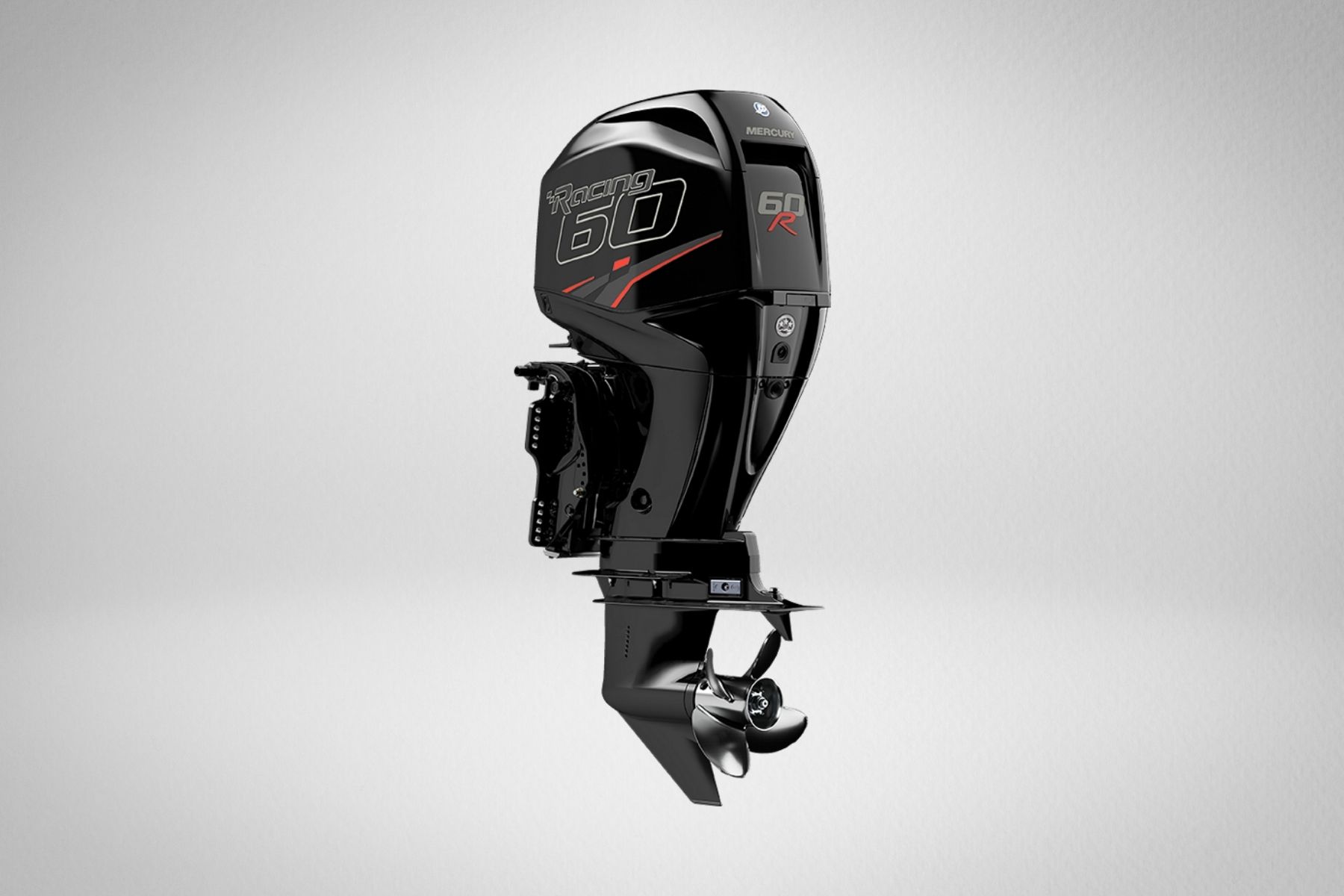
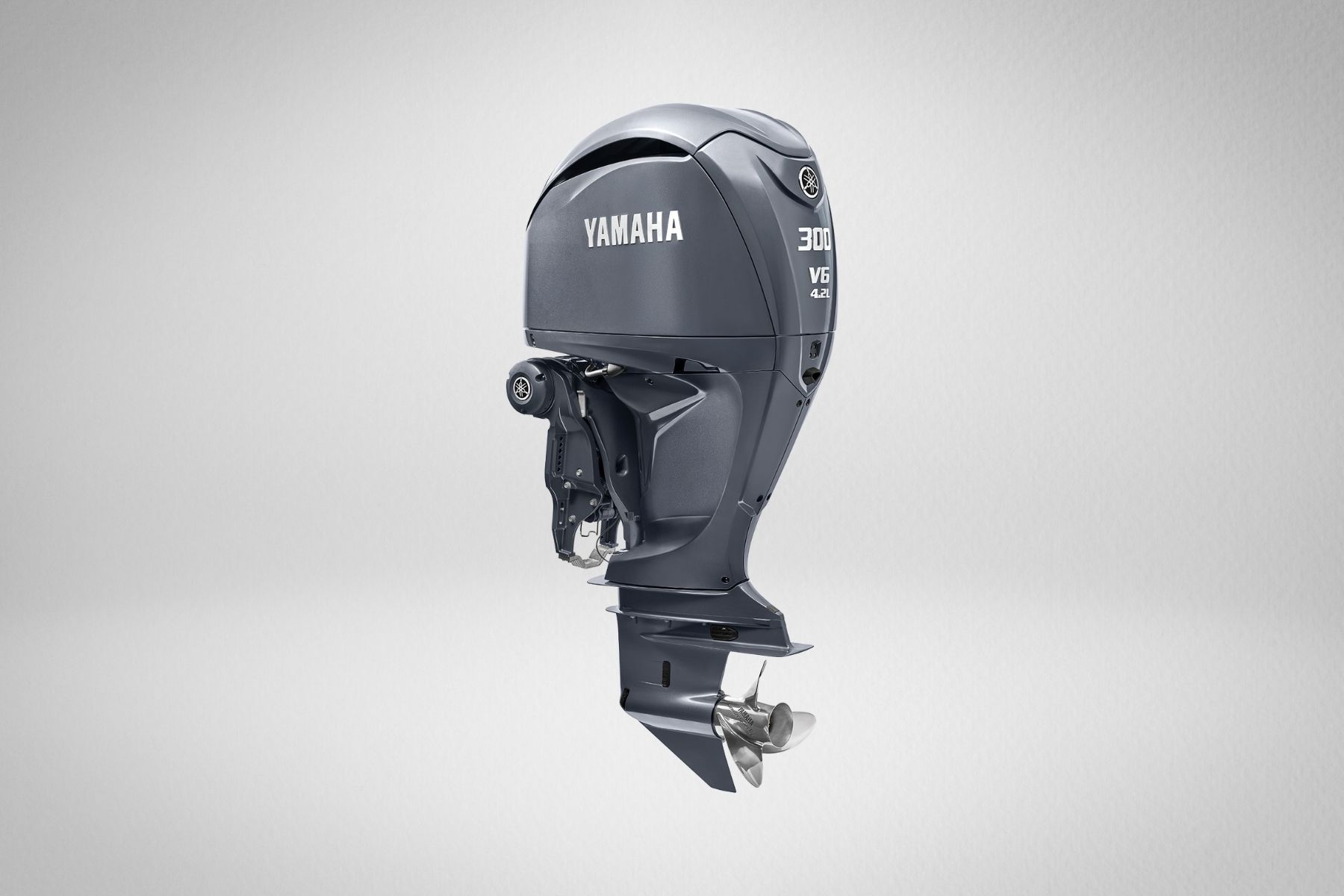
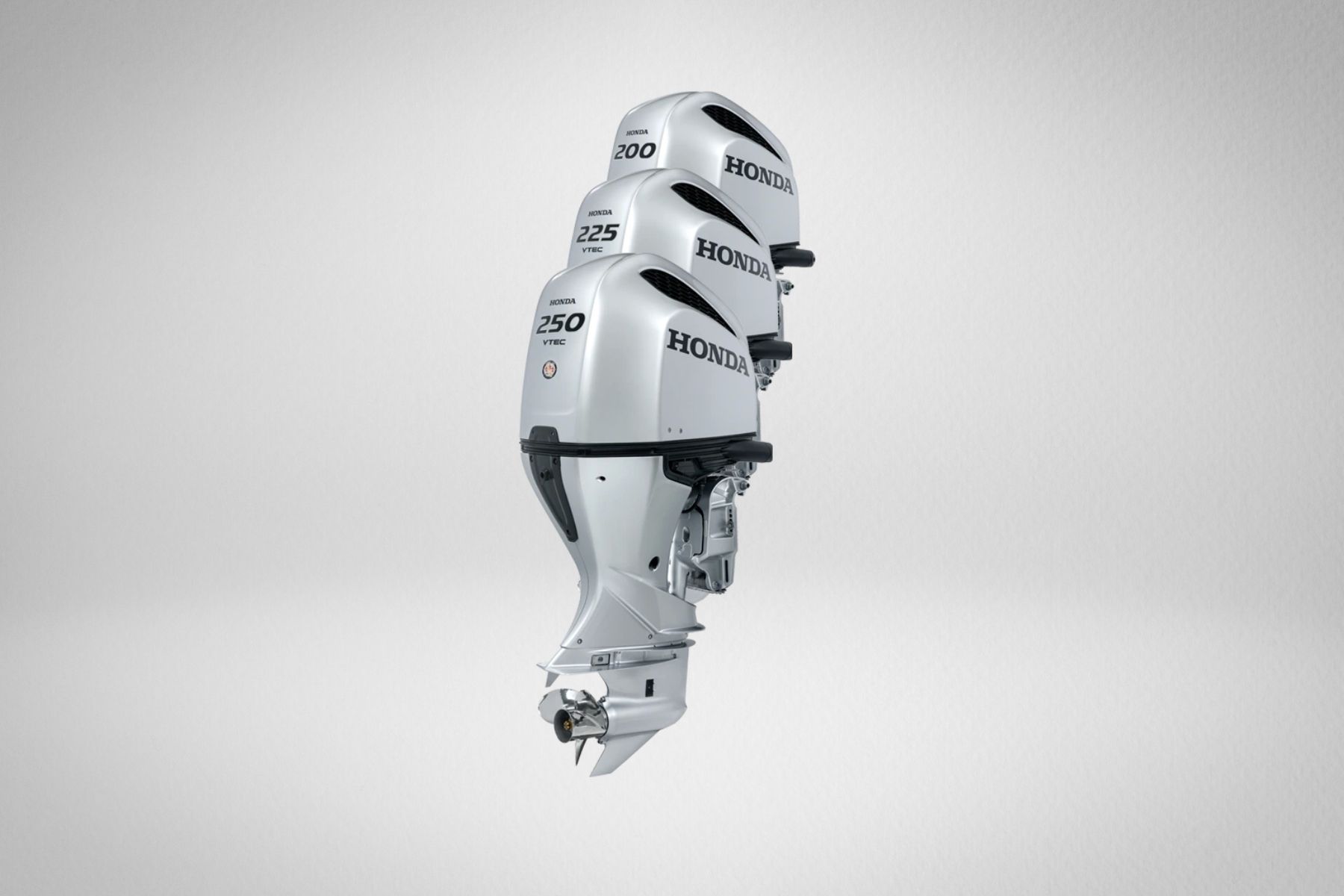
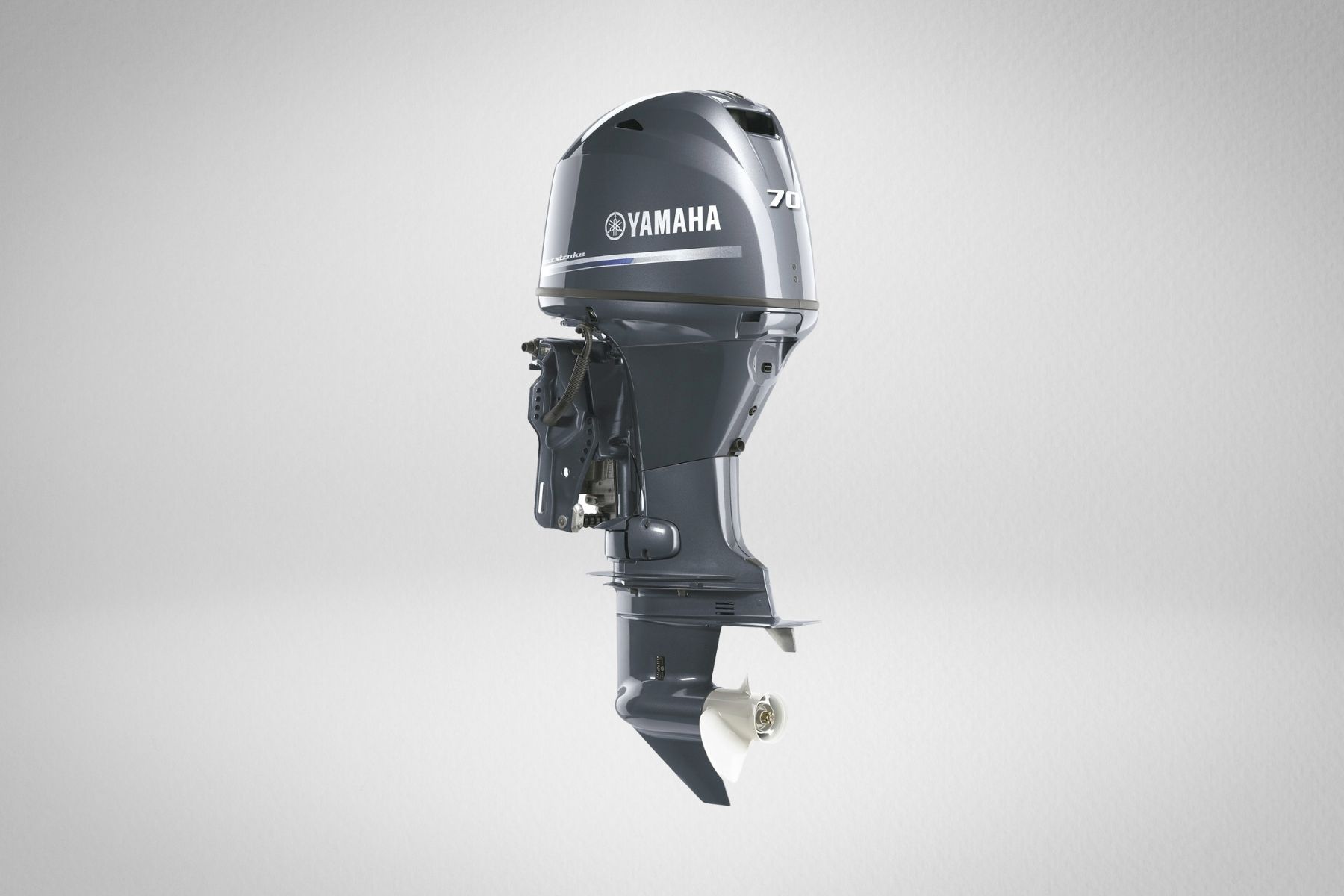
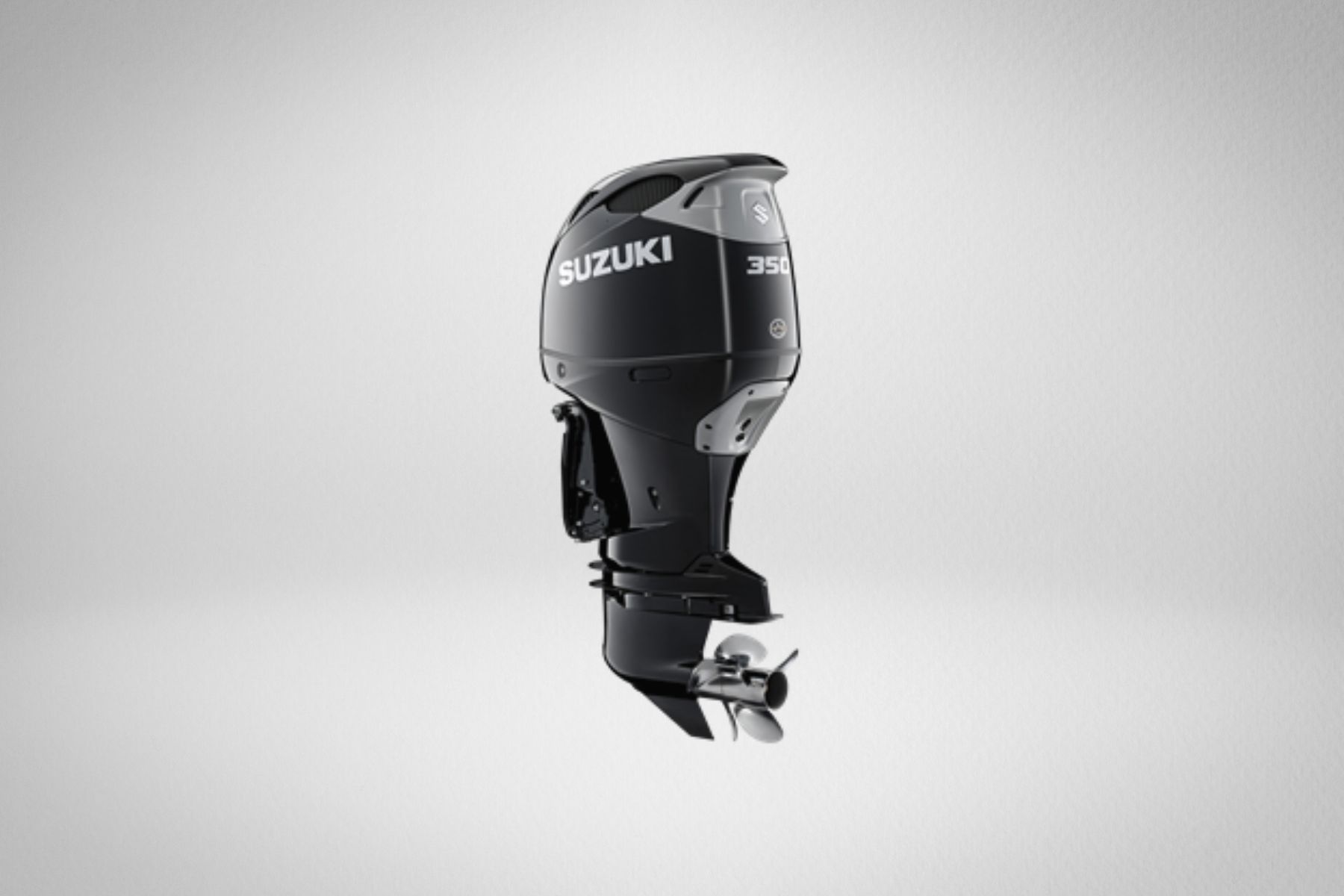
The most common types of outboards seen on boats today are gasoline-powered internal combustion engines:
Internal Combustion Engines
Two strokes and four strokes
Two-stroke engines complete all cycles of engine operation, air and fuel intake, ignition or power, and exhaust in two strokes or revolutions of the engine pistons.
Four-stroke engines complete all of the steps of engine operation in four separate revolutions of the pistons.
Some benefits of a two-stroke are that it is simpler in design, and therefore a lighter, easier engine to maintain. The power stage occurs each cycle offering greater thrust in a smaller package than its four-stroke counterparts. The fuel efficiency, however, is greatly decreased and its emissions are increased by its gasoline-lubrication oil mixture, making it less environmentally friendly.
In fact, when the Environmental Protection Agency (EPA) was established in the US, policies regulating the emissions of engines were implemented and many manufacturers ceased making two-stroke outboards altogether. Some manufacturers recognized the desire for the lighter weight and higher horsepower demand. So they endeavored to use the same two-stroke technology in the same light package, but with emissions within the specs of the EPA requirements.
Four strokes, while having a more complicated, heavier design owing to more moving parts, are as a whole, more fuel-efficient, quieter, and more eco-friendly. With the growing demand for lower carbon emissions, technology has improved to provide those options in a more compact unit. Truthfully, if you’re willing to read the manual and take the time to look at your engine, the maintenance on a four-stroke engine is quite achievable.
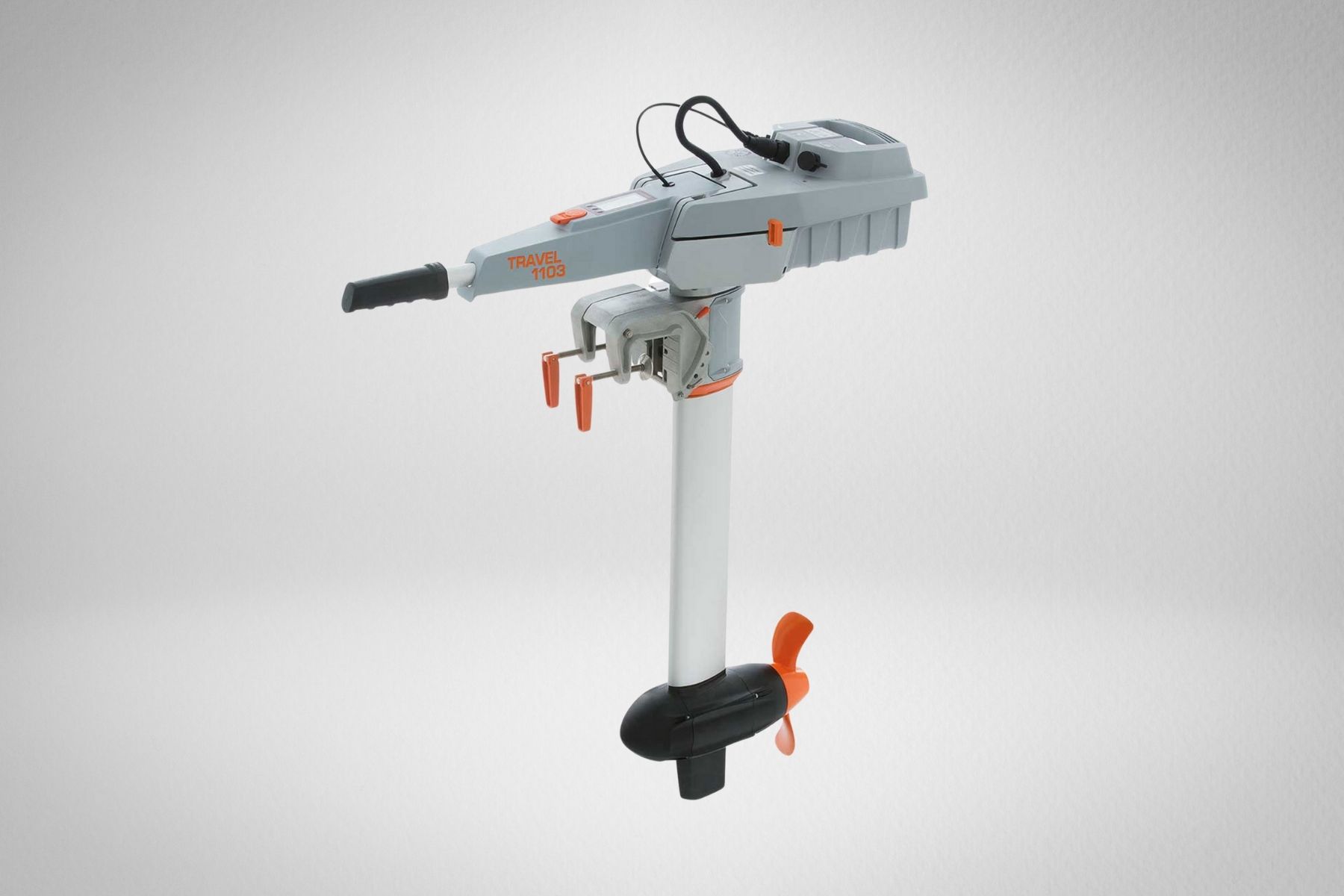
Electric outboards
With increasing awareness about the effects of fossil fuel-powered products on the environment, coupled with the advancing technologies for electricity, solar power, and batteries, recent years have seen a greater demand for electric outboards.
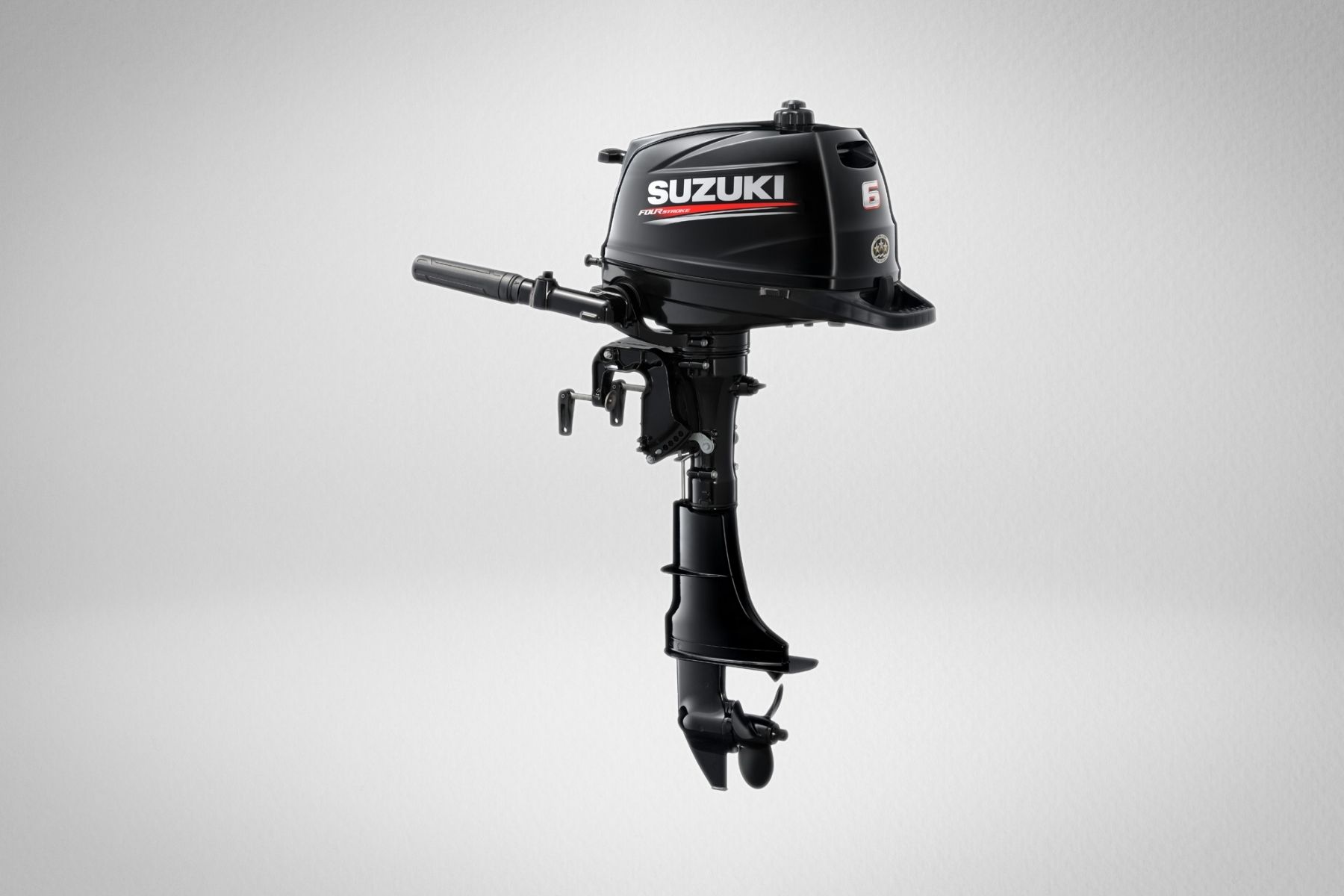
Small/Portable
Horsepower Range: 2.3HP to 20HP
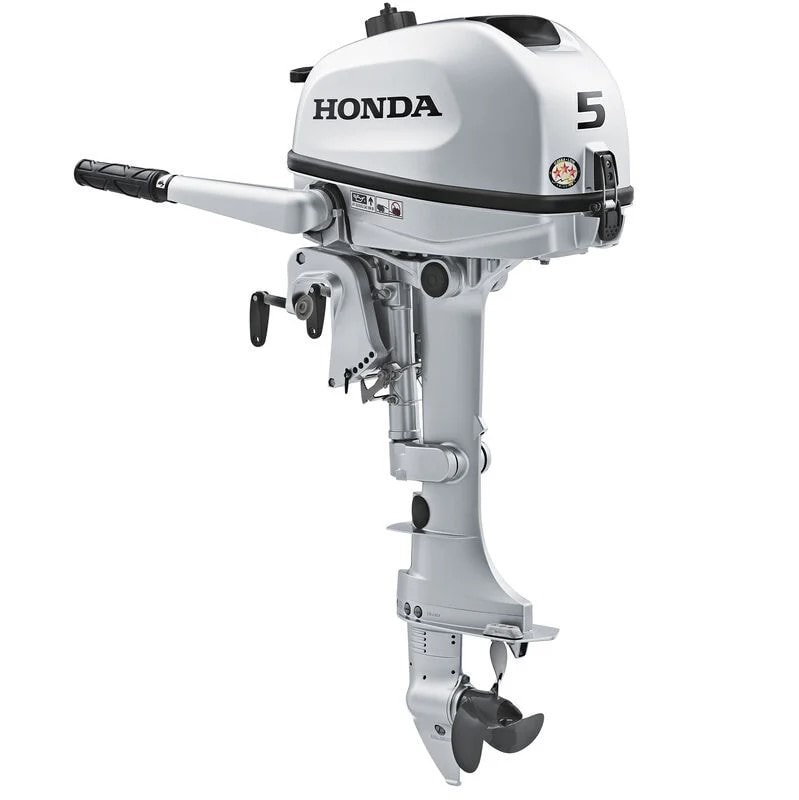
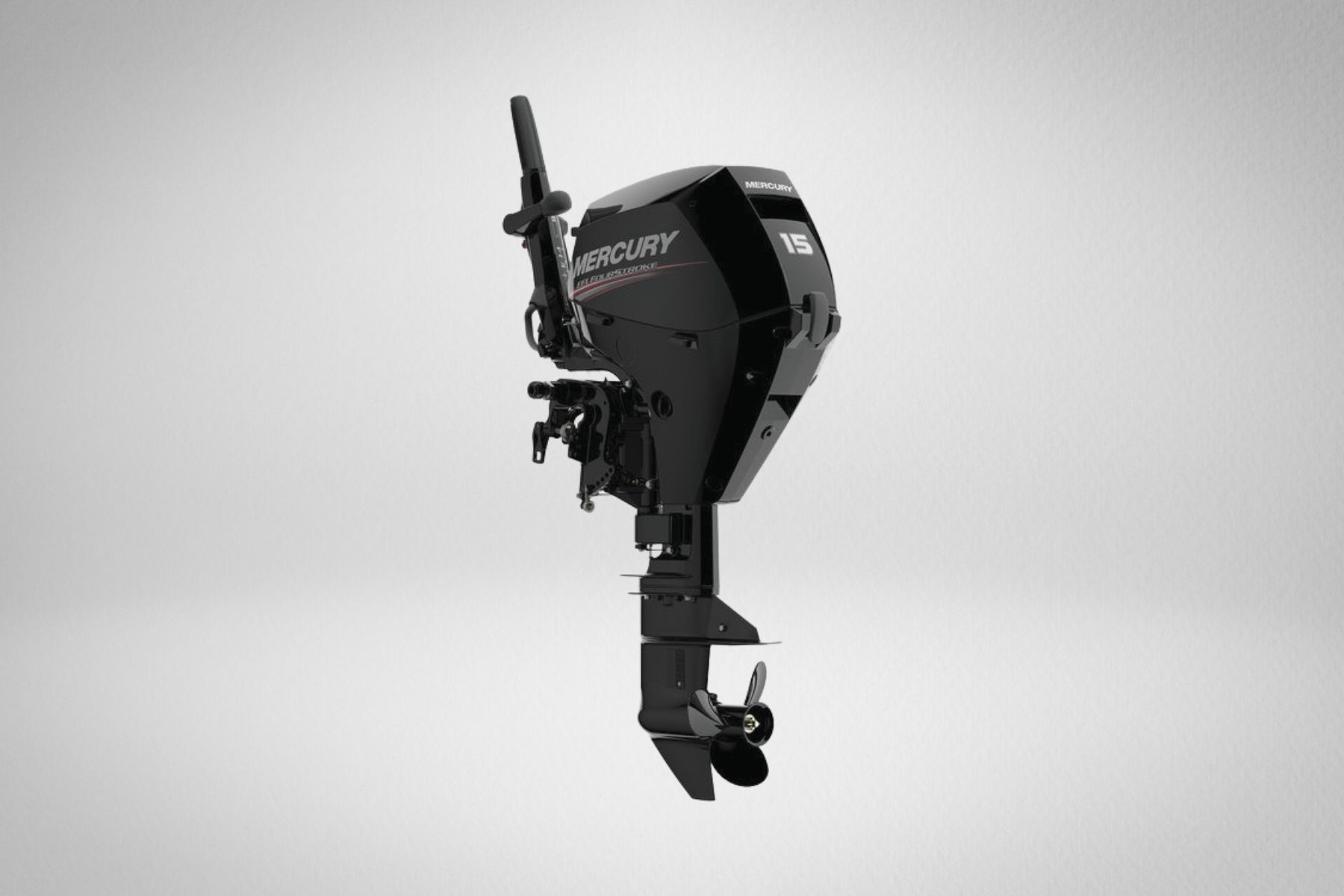
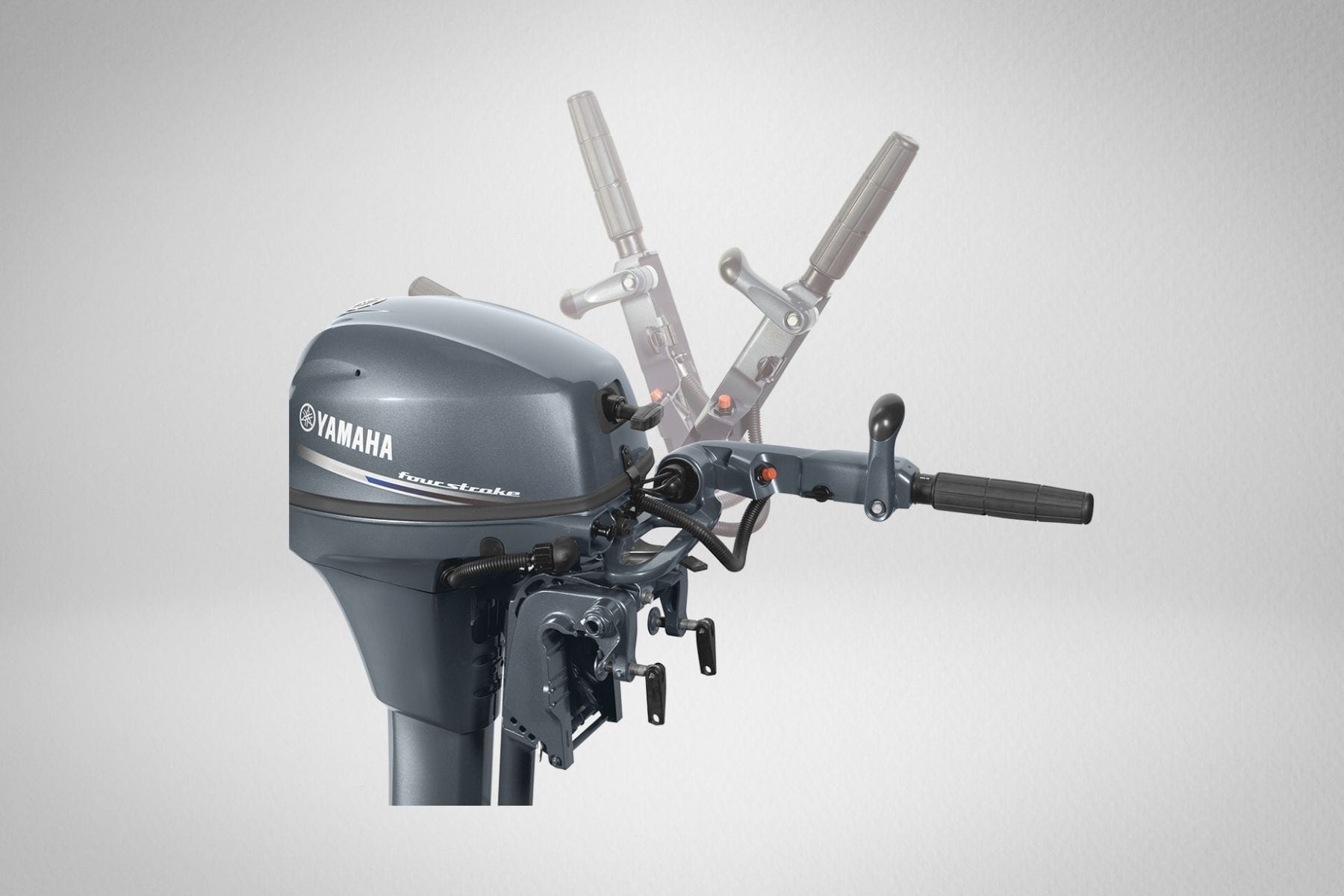
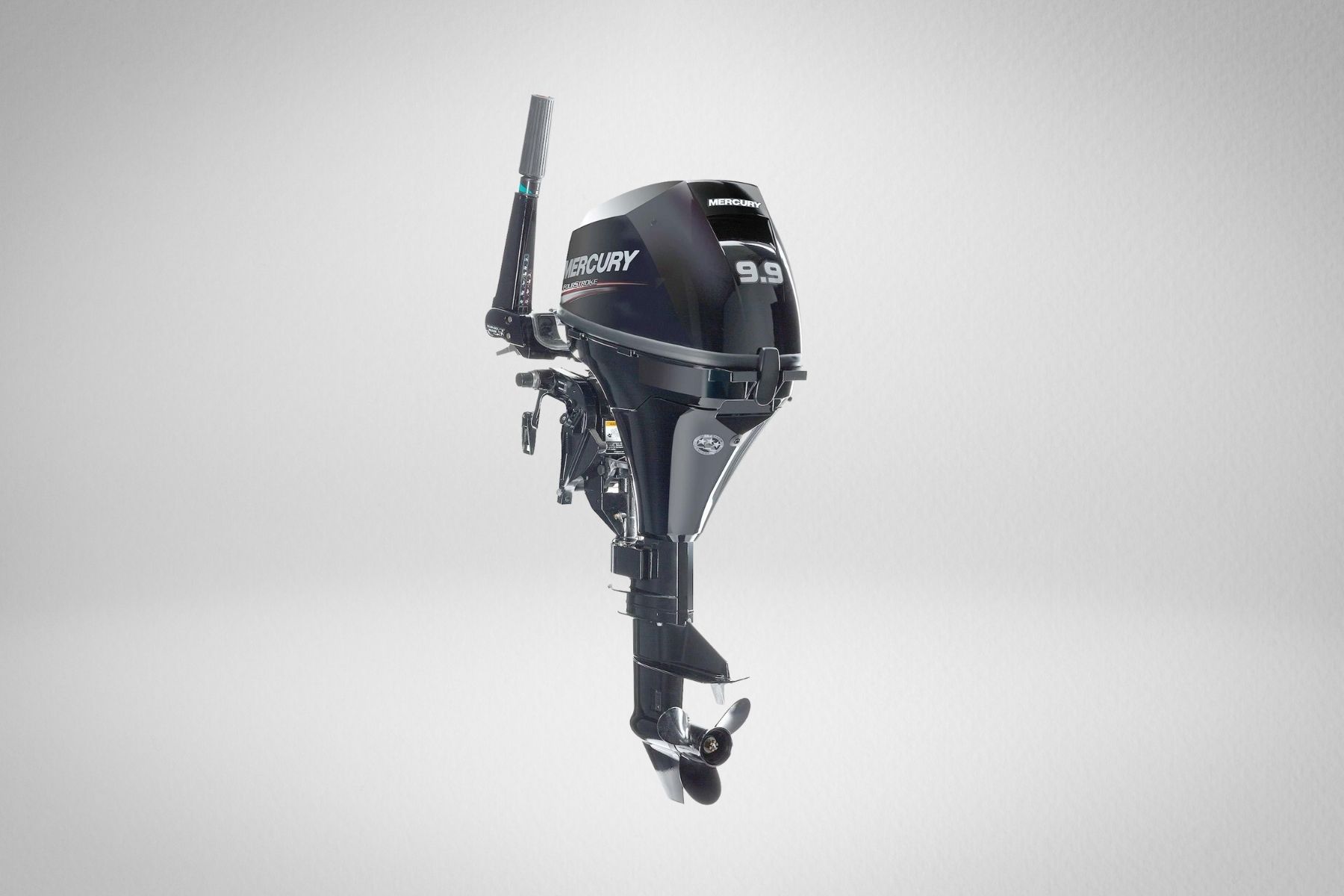
These little outboards are the ideal option as a primary means for propelling your dinghy, kayak, Jon boat, or even small sailboats. The smaller HP options make great secondary or trolling motors for the fishing folk among you. They are pretty lightweight, making them easy to lift and stow. Some of the best options are as follows:
Choosing an Outboard
So you’re buying your first outboard, congrats!
There’s a lot of information and even more opinions out there on the best brand, size, and horsepower.
So, before you pull out your hard-earned money and give it to an outboard dealer, addressing the following topics for yourself will help narrow down your search and find the right outboard that suits your needs.
Intended Use:
One of the first determining factors to consider before purchasing your outboard is the vessel’s intended use. Are you using it on weekend fishing trips? Does it need to be capable of covering a lot of distance? Perhaps it will be used on a utility boat. Will it be used in freshwater or salt? Will it remain on your boat’s transom or does it regularly need to be removed and stored? Will it be required to move a lot of gear?
For cruisers, that includes cabin cruisers as well as some bow riders, efficiency and noise might be relevant.
Size and Weight:
This one seems obvious, but it bears examination. How much real estate does your boat transom actually have and what size engine or engines can you fit on it? If you desire more than one engine, which options have the best integrations for multi-engine controls? Will it require an outboard with the longer shaft option or a shorter one?
Center console boats operating in bigger surf need to consider this point. Take a look at the Boston Whaler boats–mostly equipped with Mercury engines–to see the profile for motor and purpose.
For portables: how much can you reasonably lift for engine transport and installation mechanically unassisted?
How Much Horsepower?
While it is tempting to want to purchase the sleekest looking engine with the greatest horsepower, many boats will have a maximum horsepower safety rating. It is important to know this number when shopping as it is dangerous to exceed the vessel’s designed horsepower, and most dealers won’t knowingly sell you an engine that does.
Conversely, it’s important not to aim too small when choosing your engine’s horsepower compared to your boat’s maximum rating so you don’t lose efficiency.
Budget: What is your maximum budget? Taking into account the answers to the above categories, make a list of the outboards which provide the most value and are within your maximum budget.
Common outboard terminology
Below are a couple of definitions to have an understanding of before making your outboard purchase. Knowing the details of an outboard’s specs and how they benefit you with how you intend to use your engine, will only aid you in making the best selection.
Gear Ratio: gear ratio is the number of crankshaft turns in relation to the number of prop shaft rotations. If an engine has a gear ratio of 2:1, it means that for every 2 rotations of the engine, the propeller turns one time. A 1:1 gear ratio means the prop shaft turns each time the engine does. While it might seem like you would want the prop to turn each time the engine crankshaft does, engines require reduction gear to maximize the torque and the efficiency of propellers based on their pitch and diameter.
Electronic Fuel Injection (EFI): a batteryless method of injecting the appropriate fuel-air mixture directly into the piston chamber for ignition by the spark plug. This method of fuel injection increases the engine’s overall performance, reduces fuel consumption, and eliminates the need for a carburetor, which can get clogged and dirty.
Carbureted Engine: An engine that uses a carburetor to inject the proper mixture of fuel and air into the engine cylinders. While most newer engines have incorporated EFI, some traditionalists still prefer a carbureted engine for its easy troubleshooting and maintenance over a computer system.
Engine Displacement: this refers to the swept volume of the cylinders of an engine, usually measured in liters. Engine displacement is related to the amount of torque and horsepower an engine is capable of, as well it’s fuel economy. Larger engine displacement=more power (but also higher fuel consumption).
Taking care of the machine: Basic Outboard Maintenance
Regardless of what brand-name manufacturer you choose, the life expectancy of any internal combustion engine will greatly rely upon the quality and timeliness of its routine maintenance.
Take care before initial break-in and subsequent normal use to read the provided manual, and layout your engine’s maintenance schedule.
Some consumable items which should always be kept on hand are oil filters, manufacturer-recommended oil, appropriately sized spark plugs, and fuel filters.
Some routine maintenance items which should be checked before they become a problem
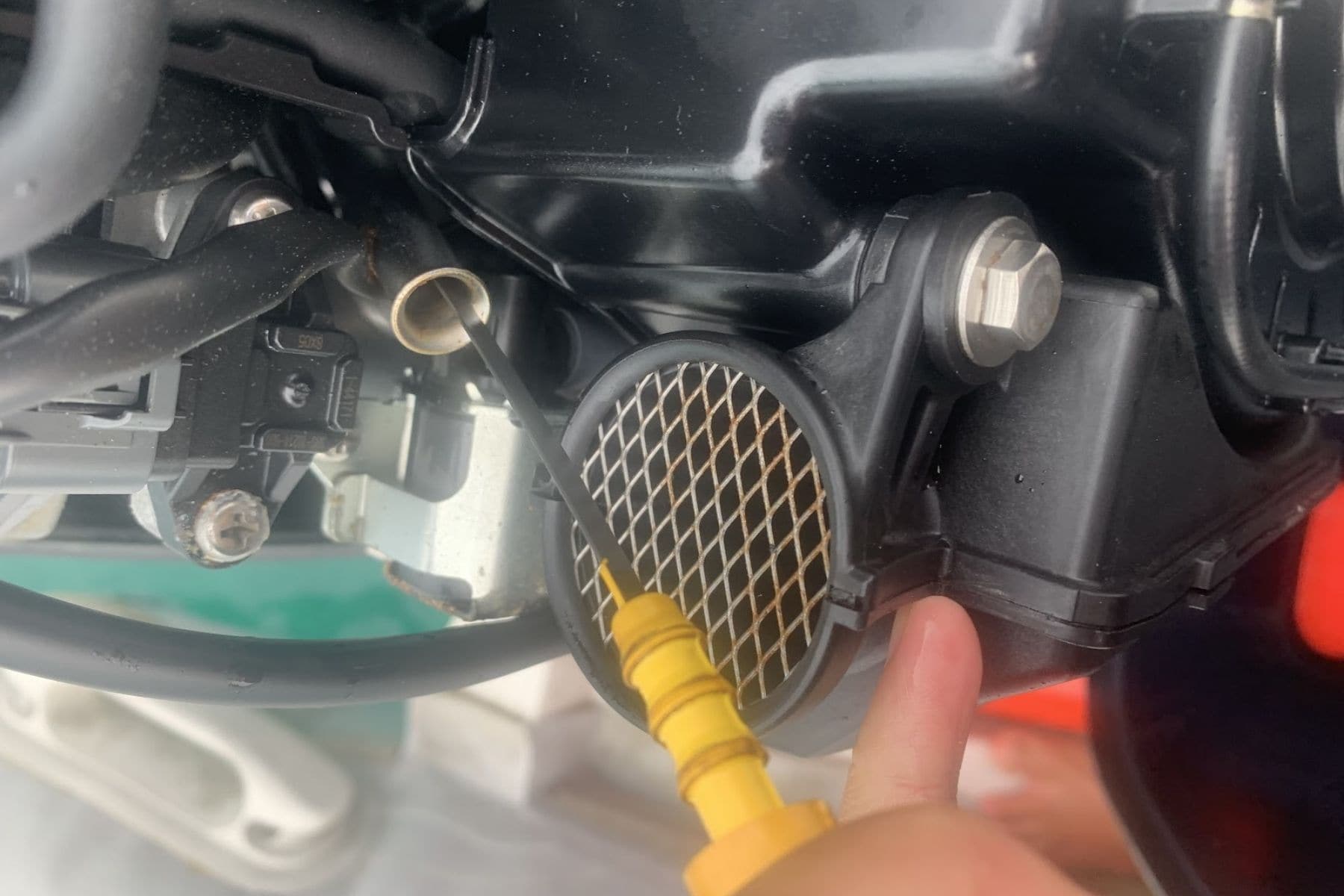
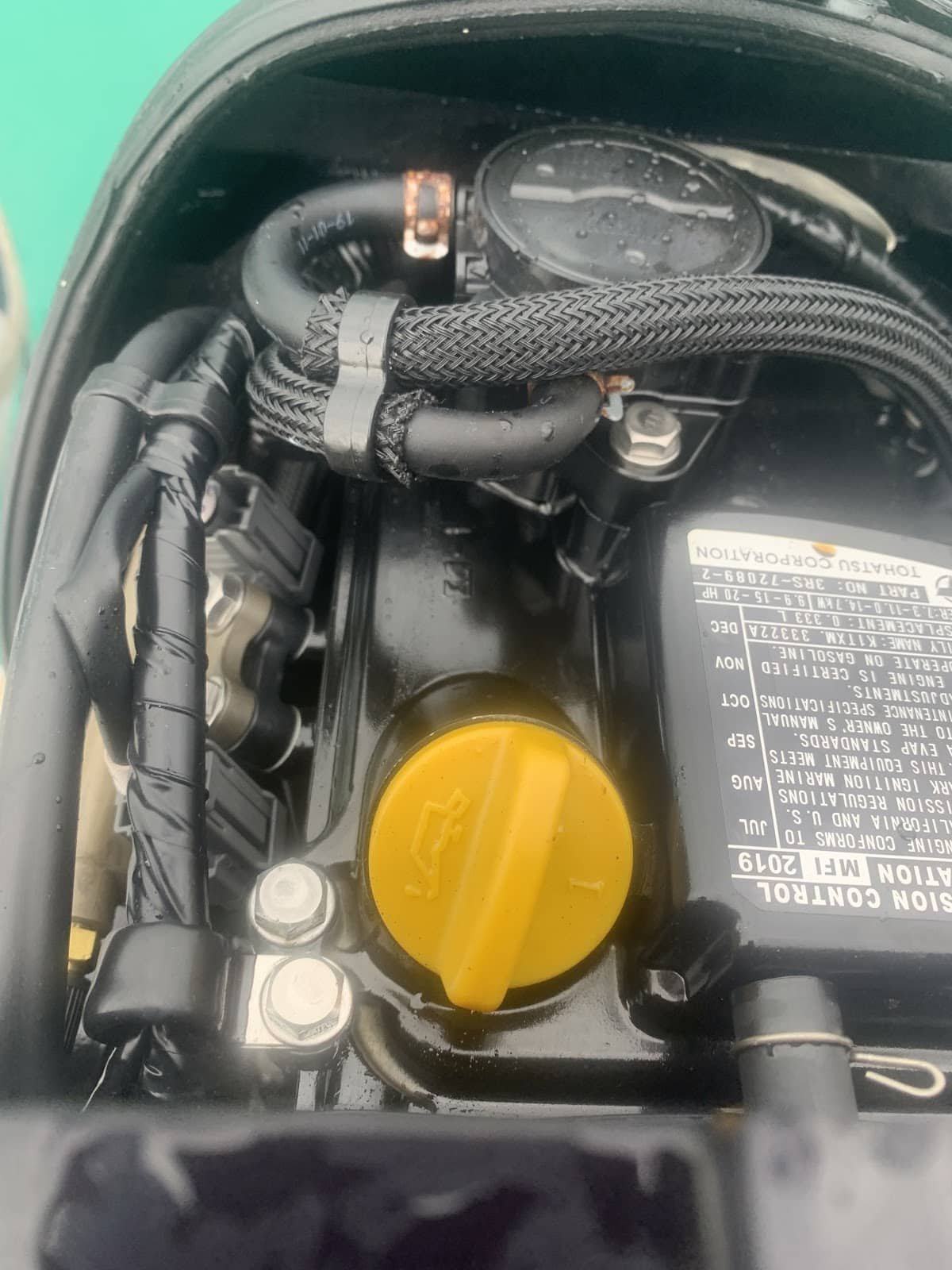
Oil: Check the oil dipstick ideally every time the engine is run. Look for changes in oil color, adequate oil level, and metal shavings or debris in the oil.
This is good practice, especially after an engine break-in period as gears and pistons straight from the factory will lose tiny metal particles from the friction created from running for the first time. These particles, if left in the oil can reduce the engine’s service life,
If the manufacturer suggests changing the oil every 100 hours, it may pay in the long term to halve that interval for the first oil change.
When changing the oil, precautions should be taken to avoid spilling oil into the environment.
Some tools to make this process easy and clean are a manual vacuum pump:
Or if working with a portable engine, remove the engine from the transom and place it on a service rack.
Ensure you have an appropriate container to catch the old oil as it drains as well as some petroleum product diapers and rags handy should you have an accidental spill.
Remove the oil drain plug on the side of the engine (see engine manual), just above the engine’s lower unit. Once removed, the engine oil will start to drain out into your waste oil container.
Once the oil is completely drained, replace the plug and tighten. Make sure to recycle your old oil at an appropriate facility. Most auto body shops provide this service.
With the plug securely in place, open the oil fill cap and place a funnel in the opening. Using a grade of lubrication oil recommended by the manufacturer, slowly fill the engine with oil. Do not exceed the capacity indicated in the manual.
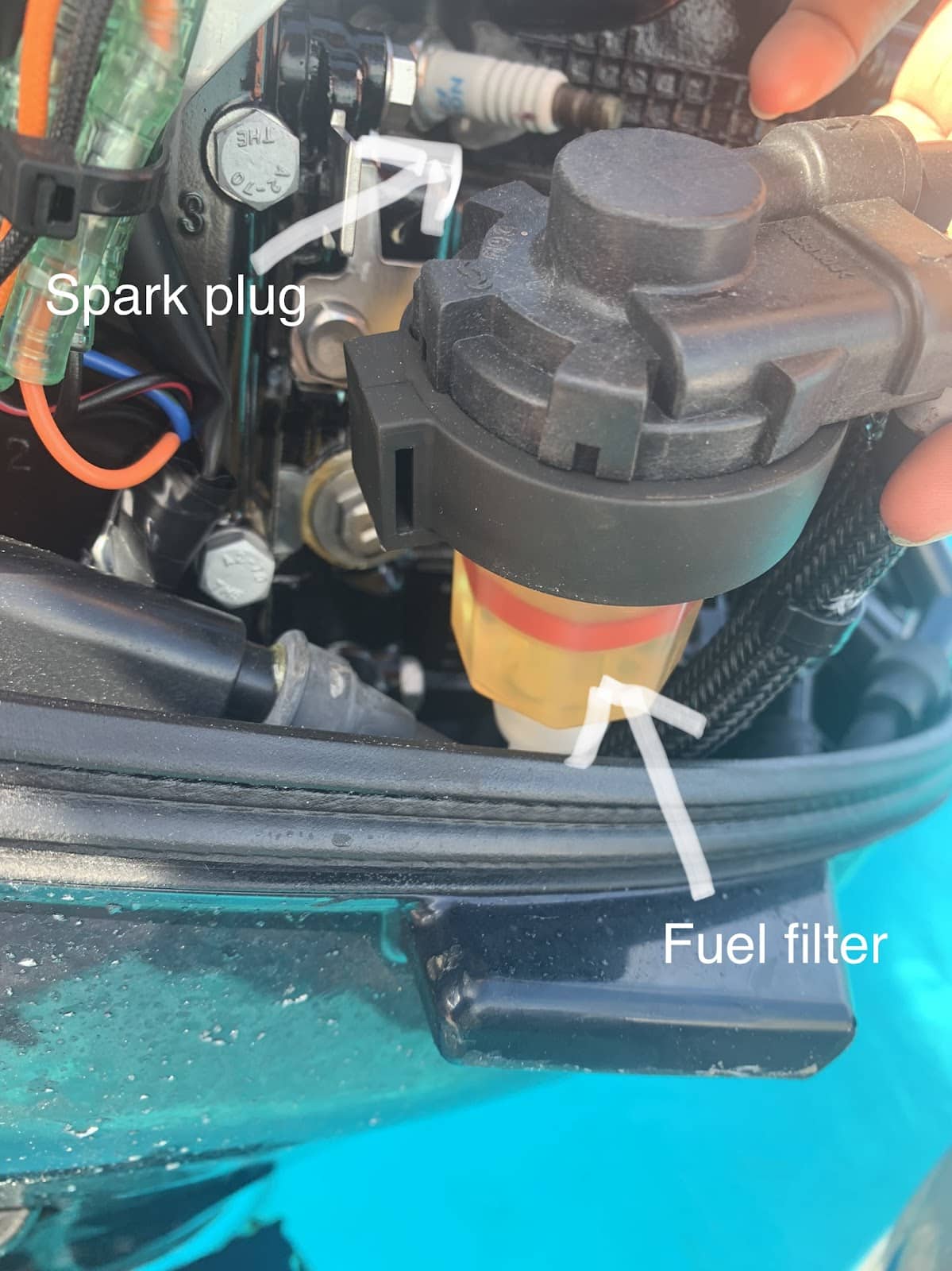
Spark plugs: The spark plug(s) is a common item that ought to be inspected and replaced at regular intervals. These little cylindrical pieces provide the tiny spark which ignites the fuel-air mixture during the ignition/power cycle of two and four-stroke engines.
There is one spark plug for each cylinder in a given engine. They are relatively inexpensive and it’s always good to have extras.
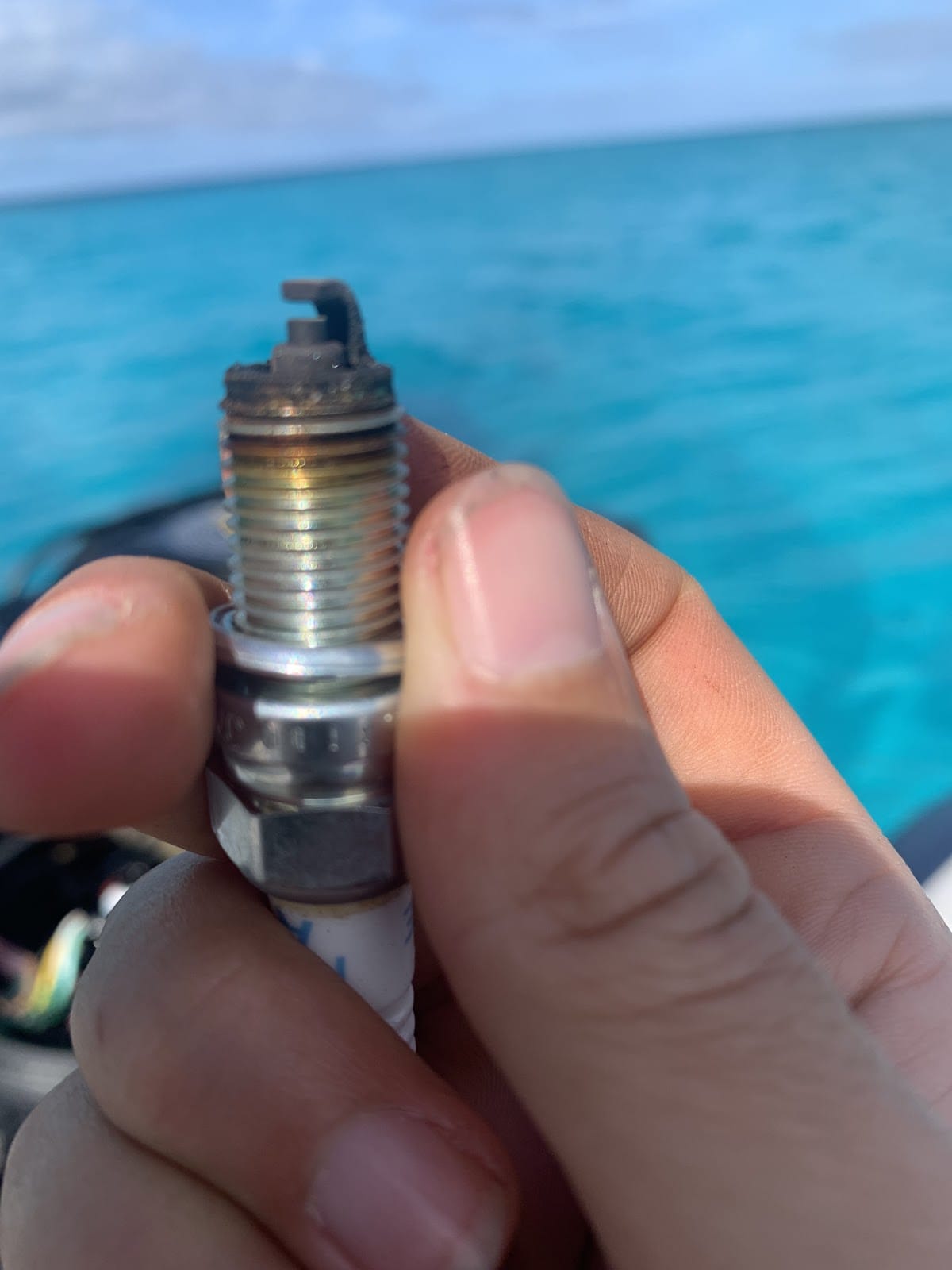
Over time, the plug can develop carbon build-up which can prevent the plug from sparking and the fuel from igniting. It’s one of the first places to look when troubleshooting “failure to start” and acceleration issues.
The picture below shows what the carbon build-up on a spark plug looks like with the plug removed from the engine.
In this case, just a small wire brush to clean the carbon was required to get the spark plug clean and the engine running again.
Gap distance: each engine has a specific distance between the ground electrode and the center required for proper ignition. If this distance is off, the power cycle will not function properly. Use a gap tool, feeler gauge, or caliper gauge to measure the distance and compare it to the manufacturer’s requirements.
In the case that the spark plug has worn and the gap distance has increased beyond the manufacturer’s ignition system specs, you can adjust the gap by gently bending the ground electrode (curved metal arm) to the required distance.
Spark plugs should be inspected every six months and replaced annually.
Flushing the Engine:
Saltwater can do a number on metal components and engine parts. And since most of the outboards listed above are water-cooled, if you operate your boat on the ocean, saltwater is run through that cooling system, inviting corrosion to start.
To prolong your engine’s service life, it is good to flush it with fresh water after each use in saltwater ideally, or before the boat will be taken out of service for an extended period.
Couplings to conduct a fresh-water flush can be purchased:
Just mount your engine on an outboard service rack such as these:
…Or leave it on the boat on a trailer out of the water.
Attach the flush coupling to the water intake on the engine’s lower unit.
Connect a garden hose to the coupling and turn it on.
Start the engine and let it run for several minutes, flushing the freshwater through its intake and internal components. Your engine will thank you!
Fuel maintenance: a gasoline engine will only run well if it is fed well. An often overlooked factor of engine maintenance is taking care of the fuel you put in your outboard. It’s easy to forget to treat your gasoline with a stabilizer when filling up, and if not used in a timely manner, the fuel can degrade and the engine will not function, or it will run rough.
If you’re able to, mix 50% or more fresh gasoline with the old gasoline to run your engine and use up the old gasoline.
Electrolysis: another factor that becomes an overlooked maintenance item is electrolysis. Electrolysis “refers to the passage of electricity through an electrolyte” (Calder, 486). It can occur when two dissimilar metals are immersed and the current is passed through the metals leading to the transfer of electrons from the “less noble” metal to the “more noble” metal. The result is the corrosion of the less noble metal.
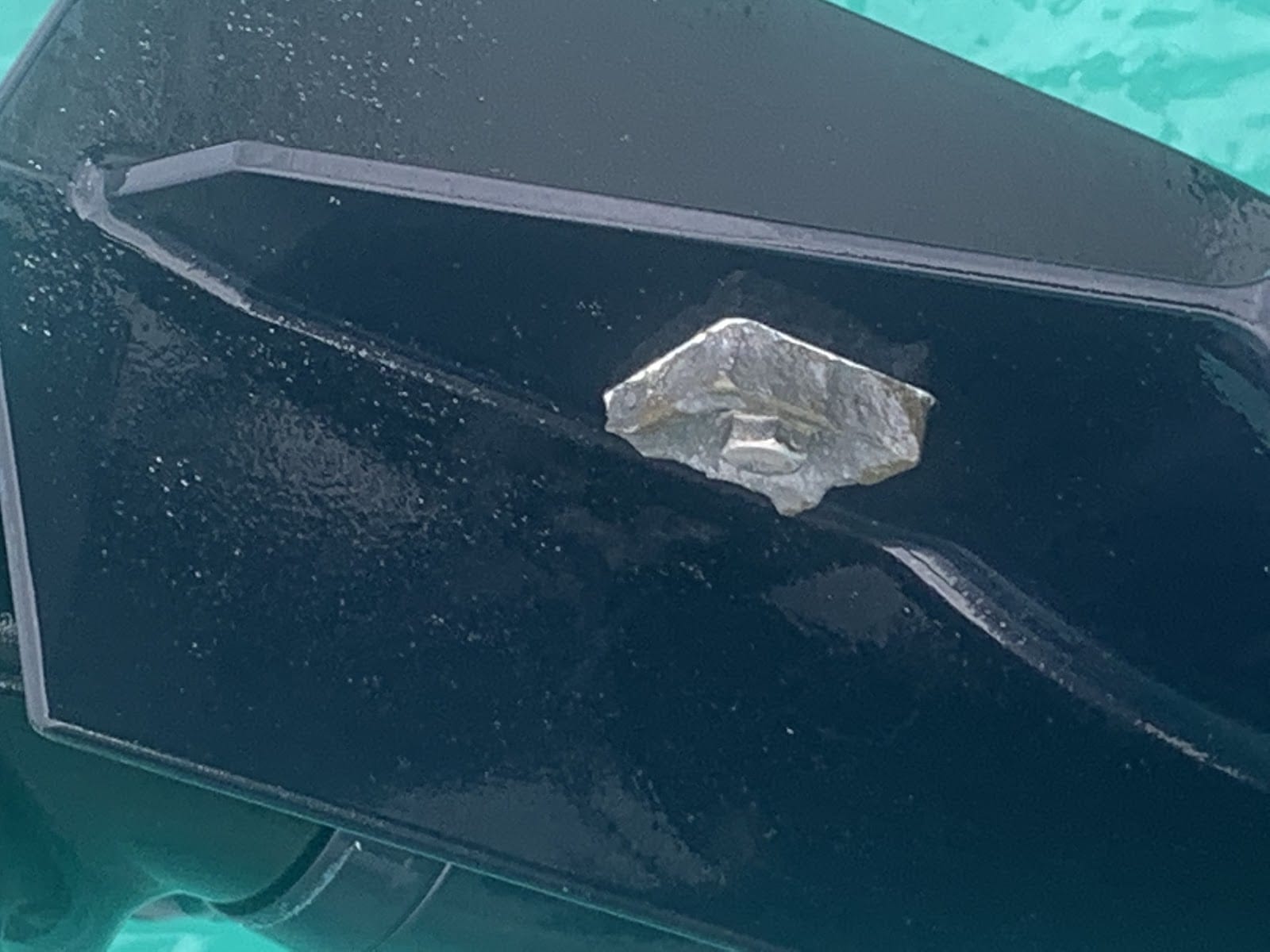
To combat this effect, manufacturers outfit their engines with a “less noble” metal attachments, usually made of zinc, as a “sacrificial anode.” As electrolysis occurs, the zinc corrodes, rather than the important components of your outboard engine, like your propeller and prop shaft .
In the picture above, you can see the early stages of corrosion on the zinc/sacrificial anode located above the propeller on an outboard motor.
For the sacrificial anodes to work, they need to have contact with naked metal. There must be no paint separating contact between the zinc and the metal surface.
These zincs should be changed for new ones when the corrosion has gotten to an advanced stage.