Boat & Sail

15 Best Inflatable Kayaks in 2026 | 1 & 2 Person Inflatables

Intex Challenger Paddling Inflatable Kayak
1 / 6
· Updated June 9, 2026

Inflatable kayaks have become increasingly popular in recent years due to their convenience and versatility. Whether you’re a beginner or a seasoned paddler, inflatable kayaks offer an accessible, low-barrier option for getting out on the water.

With so many brands and models on the market, choosing the right fit for you can be overwhelming. This is why we’ve tested the most popular models on the market to give our honest feedback on the pros and cons.

First, it’s essential to get clear on where you want to paddle, who you’re paddling with, what you want to take with you, and how much you’ll be paddling your inflatable kayak. In addition to our reviews, check out our Inflatable Kayak Buyers Guide for an in-depth understanding of selecting your ideal inflatable kayak.

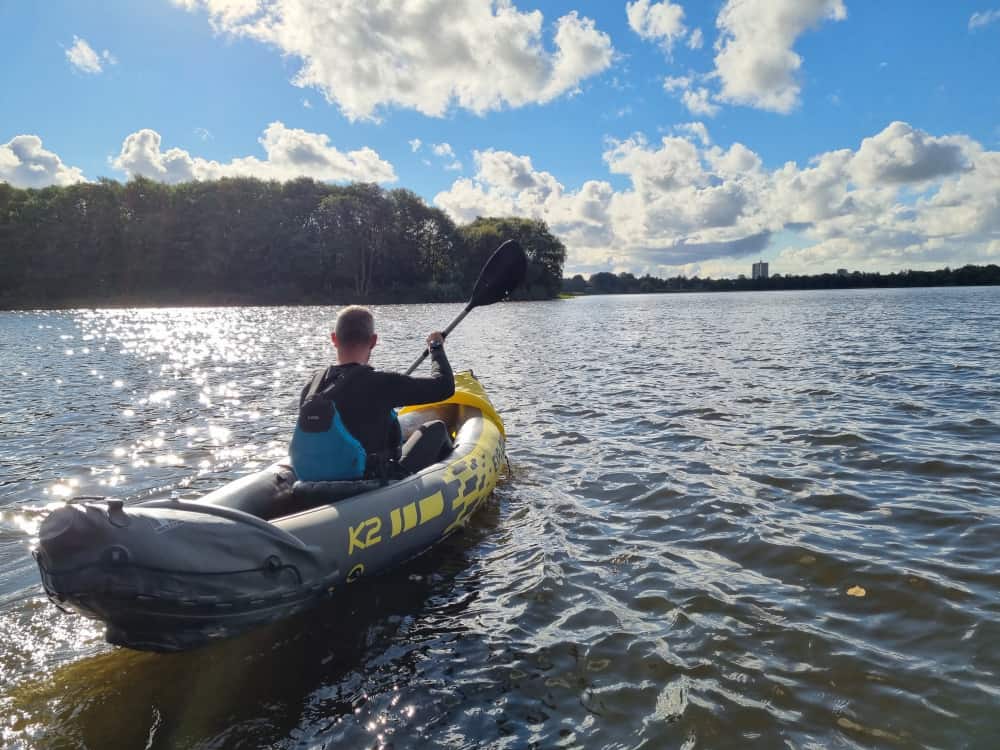
1. Intex Challenger K2

Best Budget
Intex Challenger K2

The Intex Challenger K2 is an 11’6 inflatable tandem kayak that’s good for easy set up and transport. It’s a budget model that works better, for one or two paddlers, than similar boats. And with a maximum weight capacity of 400 lbs., it can carry some extra gear on top of two paddlers.

This affordable kayak tracks better than cheaper competitors and is easy to maneuver. Everything you need for your session is also included in the Challenger package.

Made of just a single-layer vinyl there’s nothing impressive about this inflatable boat as a performance boat. There are better models for touring. But for its price, the Intex Challenger K2 comes off very well compared to similarly priced inflatable boats.

Things we like

  • Tracks better than similarly priced inflatable kayaks
  • Provides an introduction to kayaking
  • Easy to set up
  • Pretty maneuverable and stable
  • Spacious cockpit and secure bungees
  • You can paddle solo or as tandem
  • Easier to dry than more complicated inflatable kayaks

Things we don't like

  • Single-layer inflatable kayaks are less robust
  • A little cramped for two 6-foot paddlers
  • No mounts

2. Tomahawk Air-K

Wider, More Rigid
Tomahawk Air-K

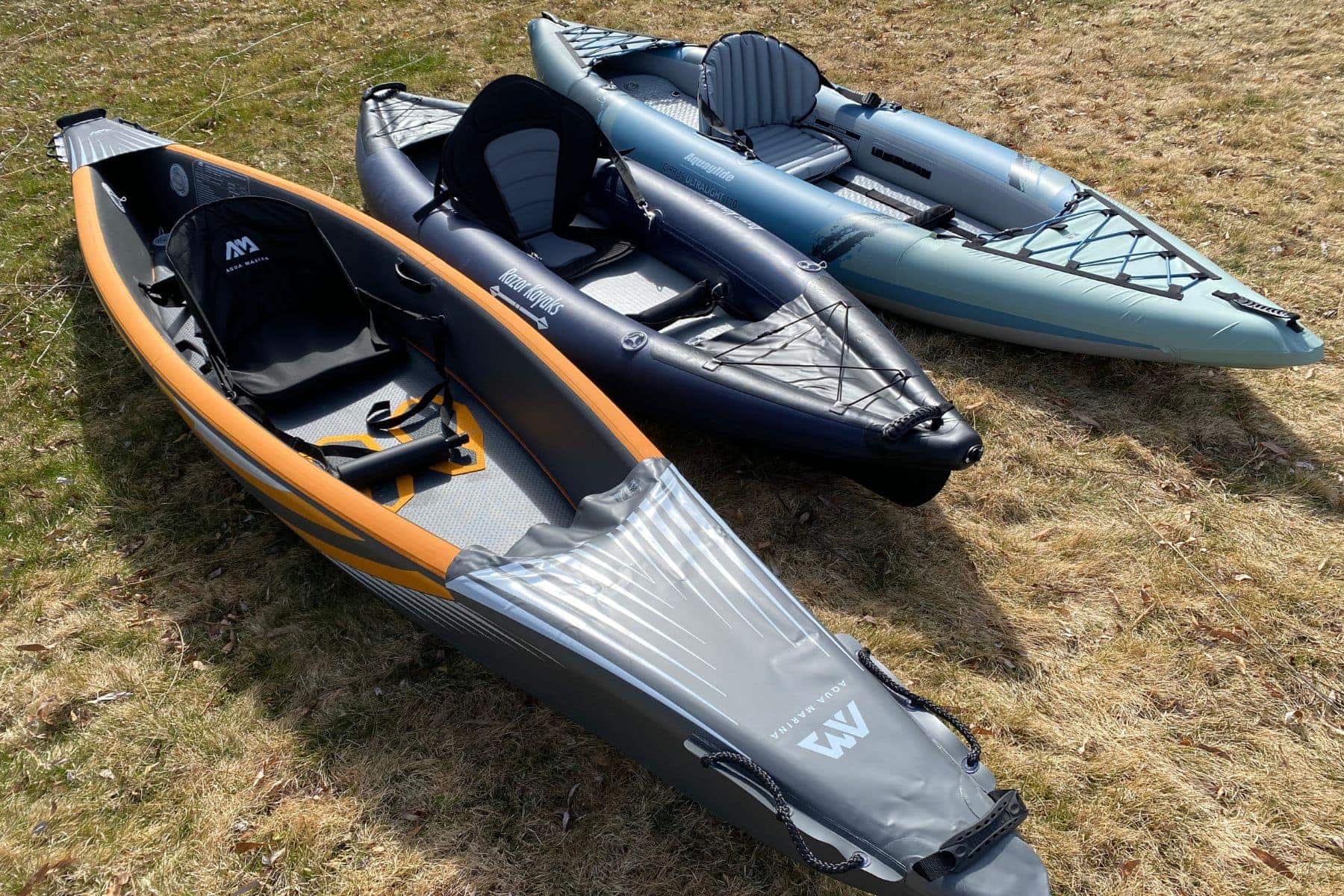
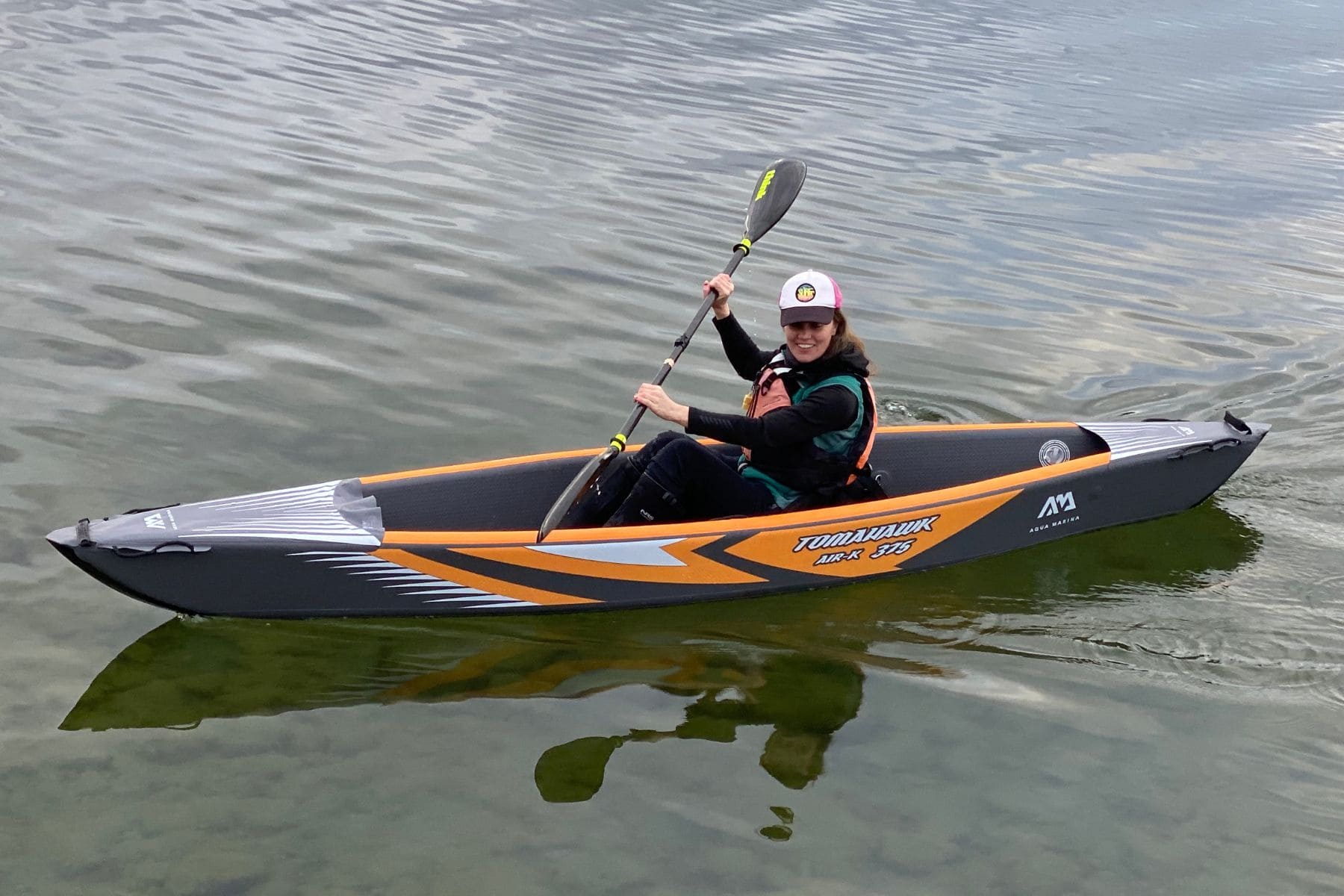
The Aquamarina Tomahawk Air-K 375 is a 12-foot 4-inch inflatable kayak for solo sessions. It’s a high pressure inflatable boat that does performance better than almost any other inflatable kayak on the market.

Hovering below and above the $1000 mark, the Tomahawk Air-K (also available in tandem size) is best-suited for intermediate-plus kayakers that want speed and distance in their sessions.

Based on performance alone, it’s a great kayak. While it rocks rivers and lakes, it can only cope with limited big wave waters due to its canoe-like open boat design.

Things we like

  • Excellent performance and speed
  • Ultra-rigid
  • Double fin and V-shaped molded keels for superior tracking
  • Simple to set up
  • Great maneuverability
  • Center carry handles for easy transportation
  • Water drains away from cockpit to catchment while paddling

Things we don't like

  • Hard to drain water from beneath the floor chamber
  • No bungees to attach gear to the deck
  • Small protected storage area
  • Footrest should be easier to install
  • No paddle included

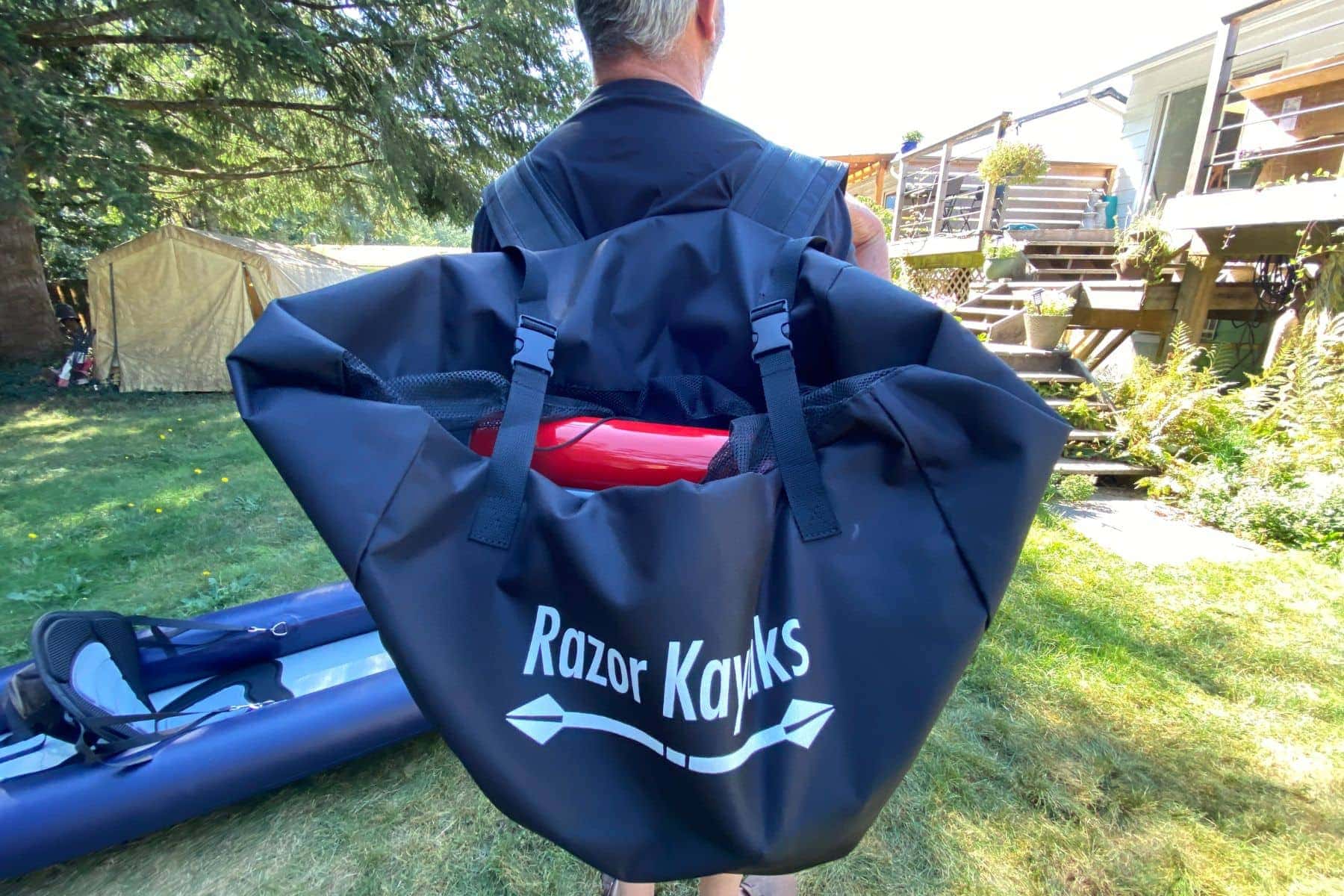
3. Razor Kayaks R1 Ultra

Easiest to Set-up
Razor Kayaks R1 Ultra

The Razor Kayak R1 is a high-performance, top-quality inflatable kayak that is best suited to flatwater conditions with minimal turbulence or waves. The construction of the craft makes it one of the most durable in its class, meaning it will outlast the majority of other brands while withstanding a large amount of punishment.

This kayak is perfect for beginner to intermediate paddlers either looking for a relaxing day puttering across a lake or down a river or for the more advanced paddler looking to face some lower-class white-water or choppier waters along the coast.

Things we like

  • Quality construction and durability
  • Performance
  • Comfort
  • Easy to transport and store
  • Versatile in a variety of conditions
  • A very decent kayak for fishing

Things we don't like

  • Backpack is big, but a bit bulky
  • Pump not included

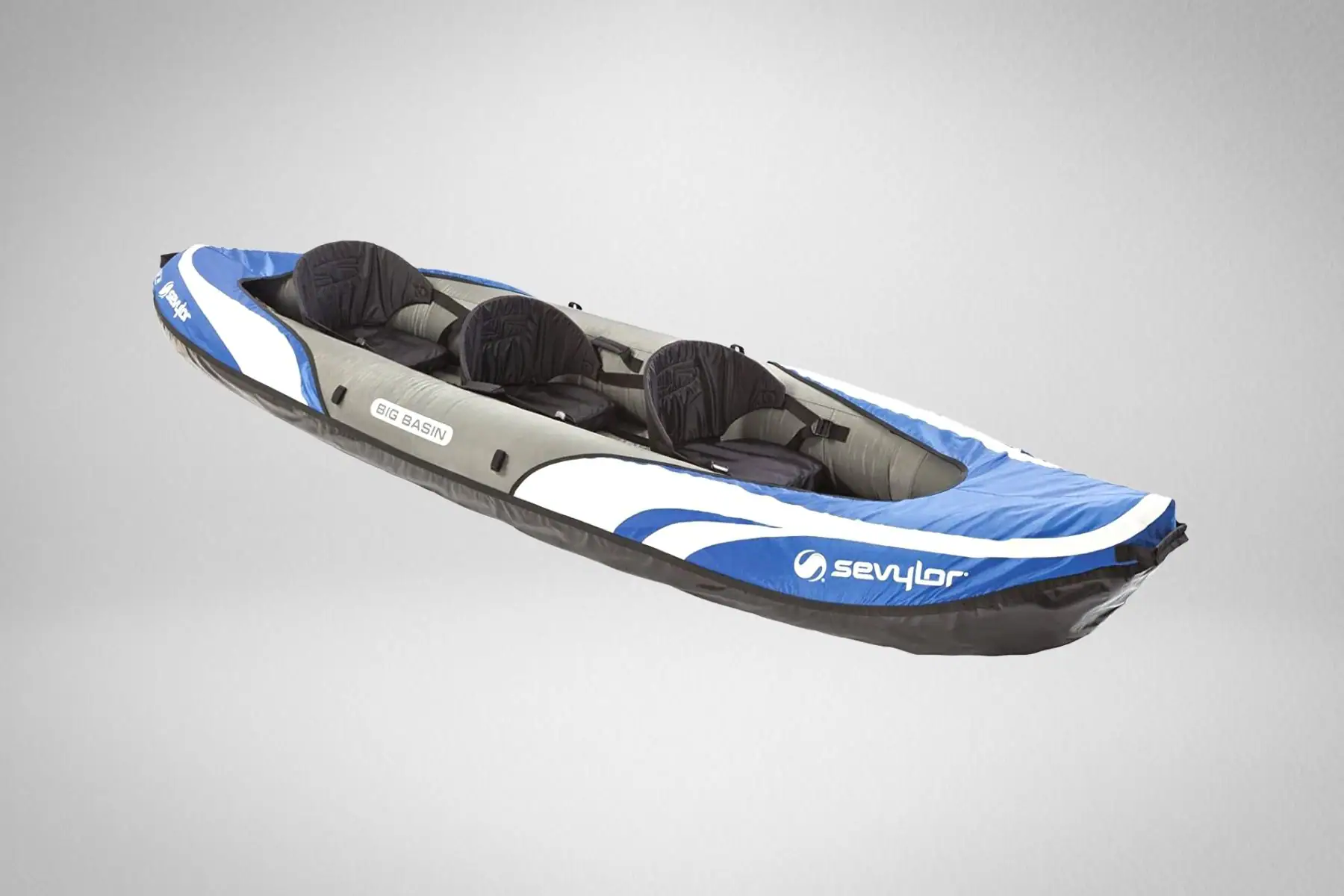
4. Sevylor Big Basin

Sevylor Big Basin

When looking for the 3-person kayak, Sevylor has got you covered. Its Big Basin model is built from the rugged PVC with a Tarpaulin bottom that is as tough as it can get.

You can rest assured no punctures will pose a problem for you because of the strong and sturdy construction of the equipment.

It comes with air chambers that help avoid sinking in the middle of the ride. To our regret, we know first-hand how frustrating it is to experience any mishaps when in the middle of the lake.

Things we like

  • The construction of the gear is made to be resilient
  • It can easily fit 3 people

Things we don't like

  • No pump is included

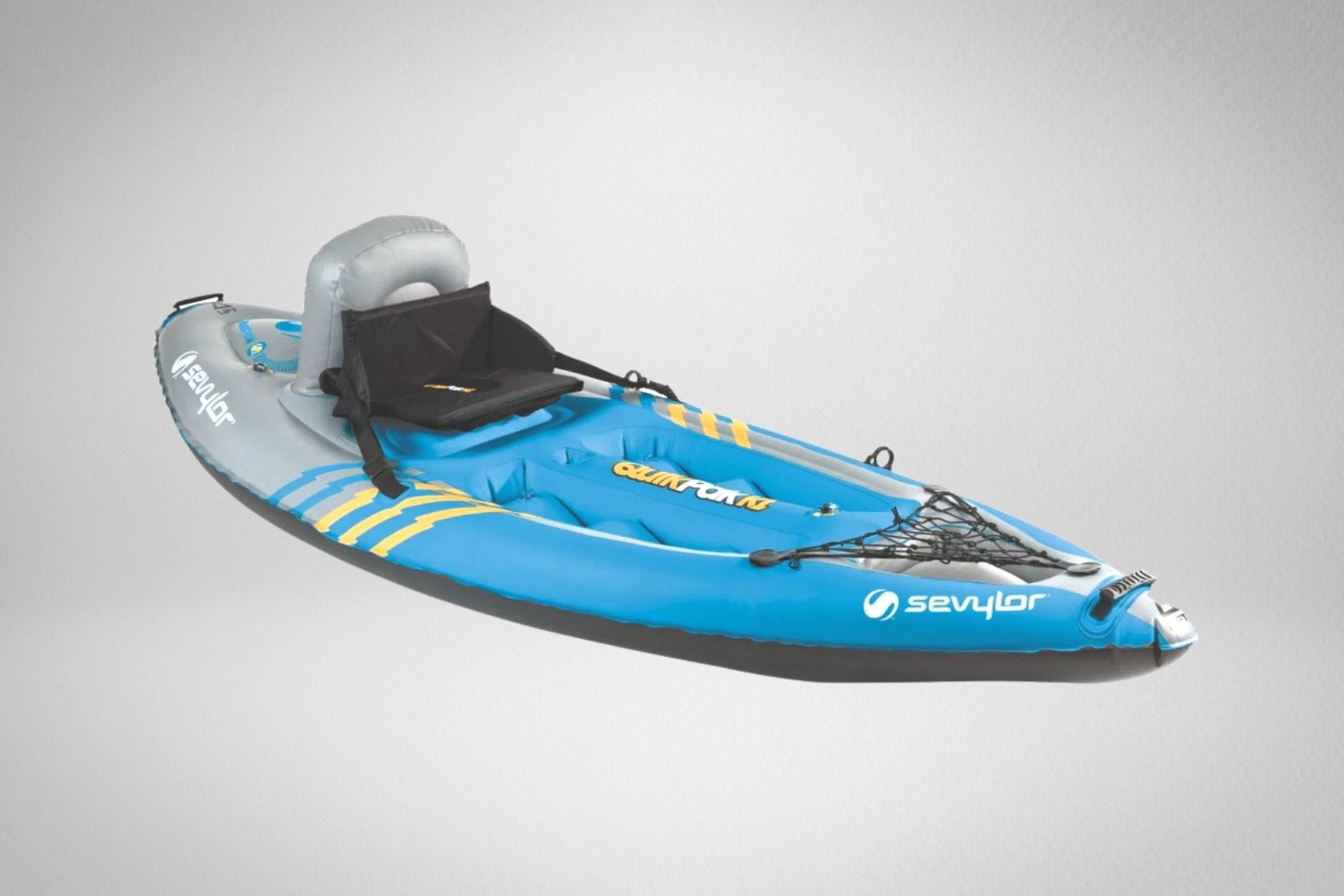
5. Sevylor Quikpak K1

Sevylor Quikpak K1

If you are not willing to spend a lot of time assembling your water gear and would rather spend more time kayaking, Sevylor Quikpak K1 1-Person kayak model is your best bet. All it takes to inflate it is 5 minutes – the high-pressure hand pump is there to help you.

When you are finished with your trip, you can fold your kayak into its own integrated backpack that has padded shoulder straps for convenient transportation.

Built from 21 gauge PVC fabric with Taurplain bottom, it is bound to last you several years without developing any points of leakage.

Things we like

  • The airtight technology guarantees leakage-free kayaking sessions
  • The backpack can be used as a seat

Things we don't like

  • The tracking is not great

6. Intex Explorer K2

Intex Explorer K2

Though it’s not very ambitious as a paddling boat, the Intex Explorer K2 is an affordable, inflatable kayak that will get people out on the water.

It’s really an advanced beach toy that offers a glimpse into what kayaking can be. The best thing about this cheap inflatable is its portability and stability on flat water.

Kids will enjoy paddling in circles within view of their parents. Two adults can hop in with a cooler bag and spend a few hours piddling about too.

Things we like

  • Lightweight and portable
  • Good value for money
  • Converts from single to tandem
  • Ideal for 2 person recreational kayaking
  • Great way to introduce kids to basic kayaking

Things we don't like

  • Not suitable for heavier kayakers
  • Basic paddles and accessories
  • Not suitable for longer kayak trips
  • More a beach toy than a kayak
  • Bad tracking

Inflatable Kayak Buyers Guide

Inflatable kayaks have rapidly increased in popularity over the past few years because they provide a low-barrier option to getting out on the water. Inflatable kayaks are lightweight, portable, and easy to store, meaning you don’t need a garage, trailer, or even roof racks on your car to transport your kayak.

Inflatable Kayak Razor

Inflatable kayaks are most often used for recreational paddling in calm waters such as protected inlets, lakes, and slow-moving rivers. Some inflatable kayaks are also designed for white-water paddling.

Inflatables are typically made from PVC or other durable materials like vinyl or rubber designed to withstand bumps, scuffs and scrapes. They’re a fantastic option for families with younger children and pets because they’re not only durable, they offer more stability than a standard touring kayak.

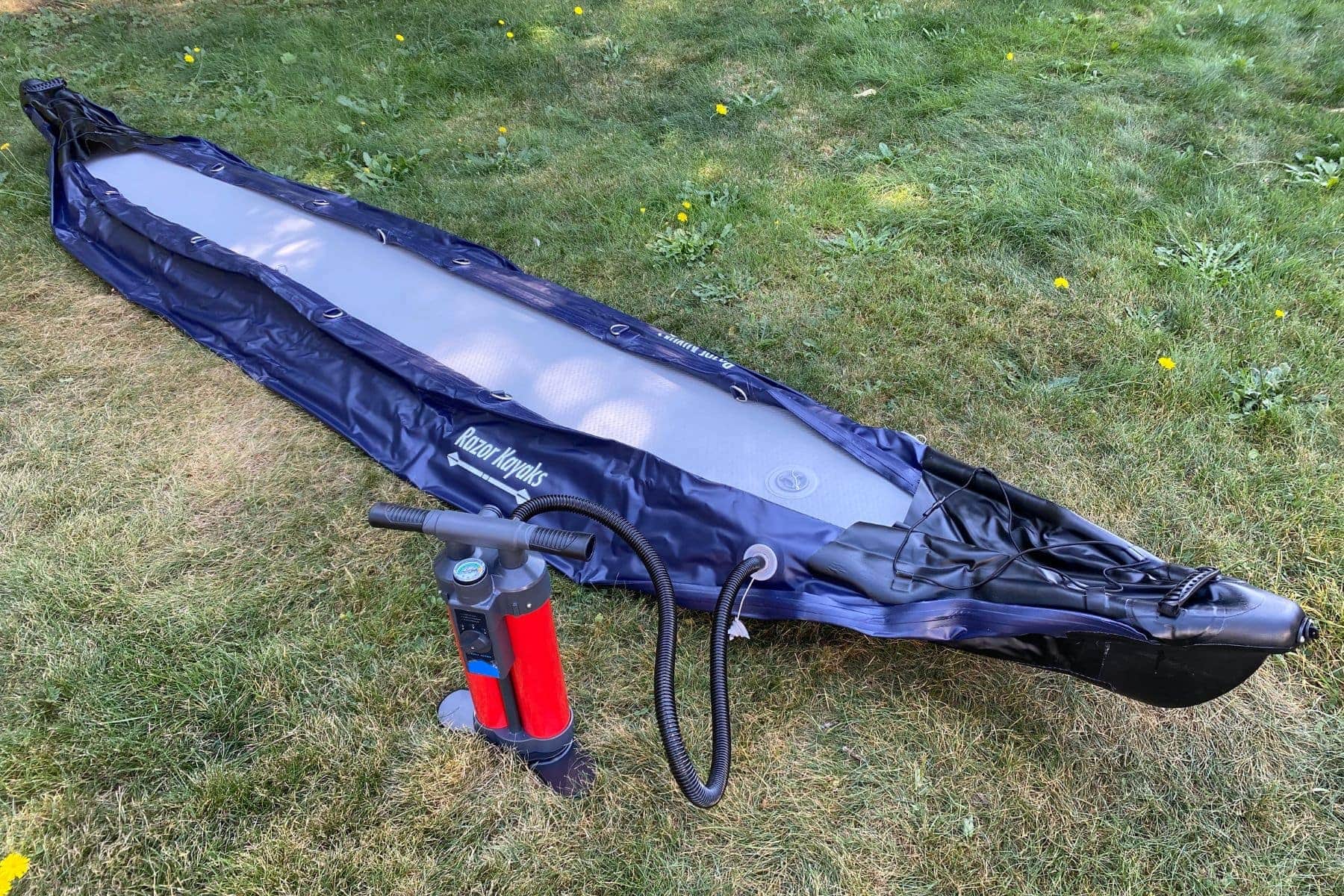
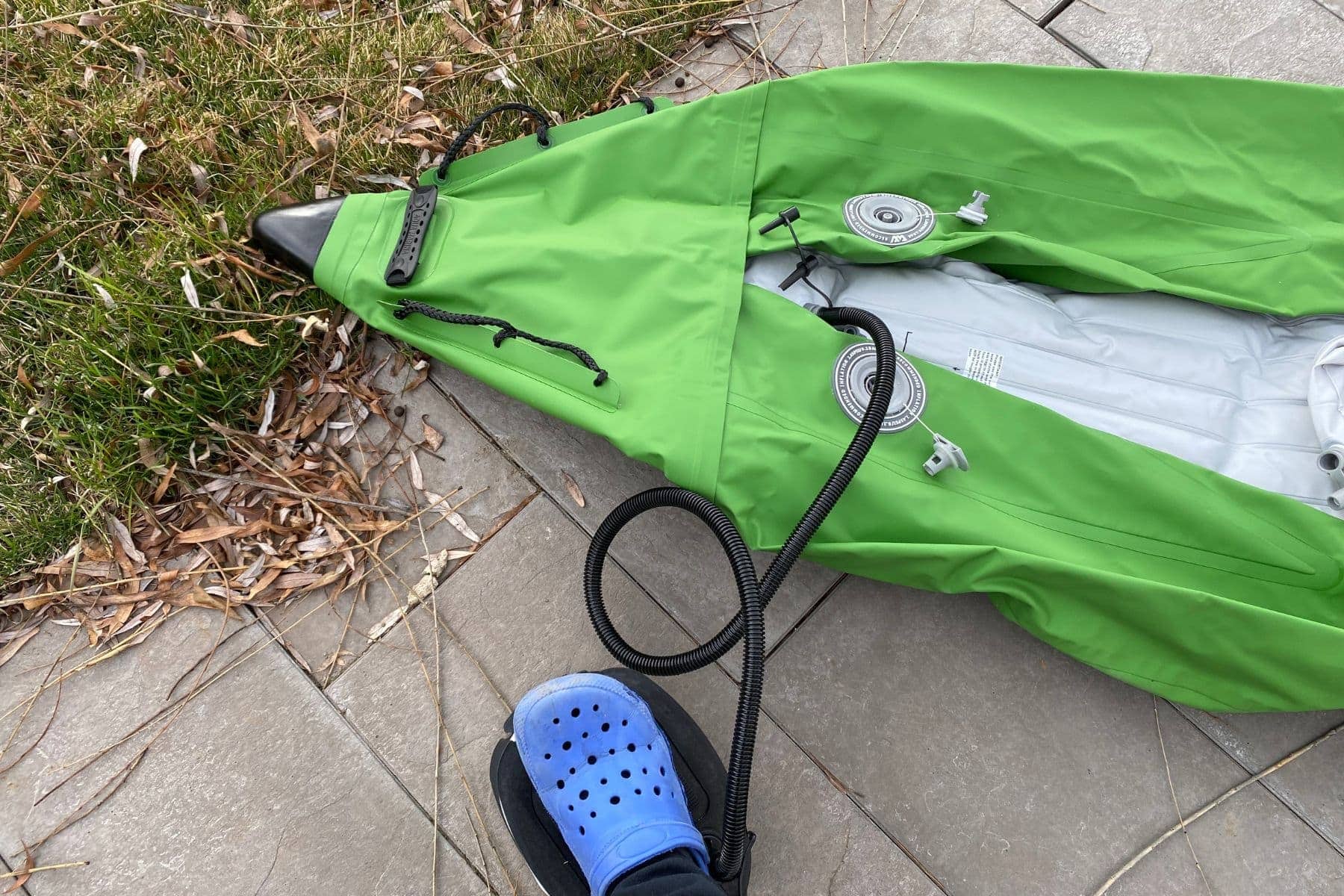
Inflating these kayaks can be done using either a manual or electric pump. Typically, most inflatable kayaks we’ve tested take between 5-10 minutes to set-up, and a similar amount of time to pack down. Be sure to always rinse and dry off your inflatable kayak before storing it away to prevent deterioration from mold.

Inflatable Kayak Pumping

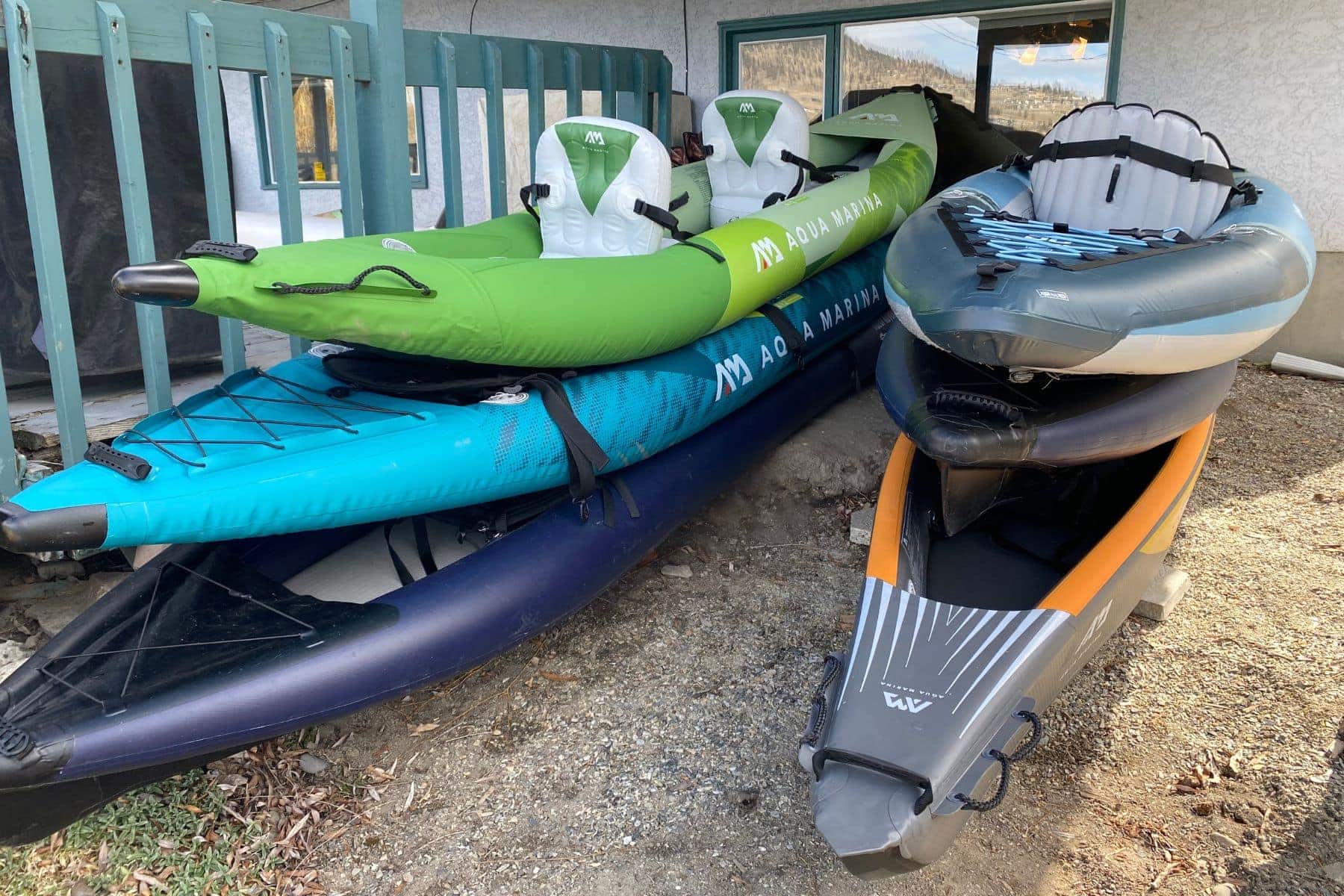
With the increase of popularity, there’s been an insurgence of new brands and models of inflatable kayaks available on the market, making the choice tricky when you’re starting out. This guide is designed to illustrate what’s important to consider when buying an inflatable kayak to help you analyze the information provided in the reviews above.

Firstly, when buying an inflatable kayak, you need to consider where you’ll be paddling (location), who you’re paddling with (age, experience level, and number of people), how much gear you’re carrying (day trip or overnight adventure), and how much you’re planning on using your kayak (every week or only on vacations).

Asking these questions first will help define the qualities you’re looking for in an inflatable kayak. If you’re paddling in calm water like lakes and protected inlets, you wouldn’t need the option of a spray skirt like you might need for choppier conditions or white-water. If you’re paddling with your kids and pets, you may require a more durable fabric and greater stability than if you were paddling with your friends or partner.

Inflatable Kayak Kayaking

If you’re only out for the day, you may only need a bag with extra layers, snacks, and a water bottle and camera. If you’re planning to camp overnight, you’ll need a lot more protected storage space for your gear.

Daily or weekly use may require more durable fabrics and a design that performs better than if you’re using your kayak less frequently.

In addition to the questions above, other important points to consider when purchasing an inflatable kayak include:

  • Materials
  • Set-up
  • Stability
  • Performance
  • Weight Capacity
  • Length
  • Deck and Storage
  • Carry Handles
  • Backpack or Storage Bag
  • Seat
  • Footrest
  • Fin
  • Maintenance
  • Additional Features

Materials

When choosing an inflatable kayak, the material construction is an important consideration. Look for kayaks made with high-quality materials that are resistant to punctures and abrasions. The most common materials used are PVC, vinyl, nylon, and rubber.

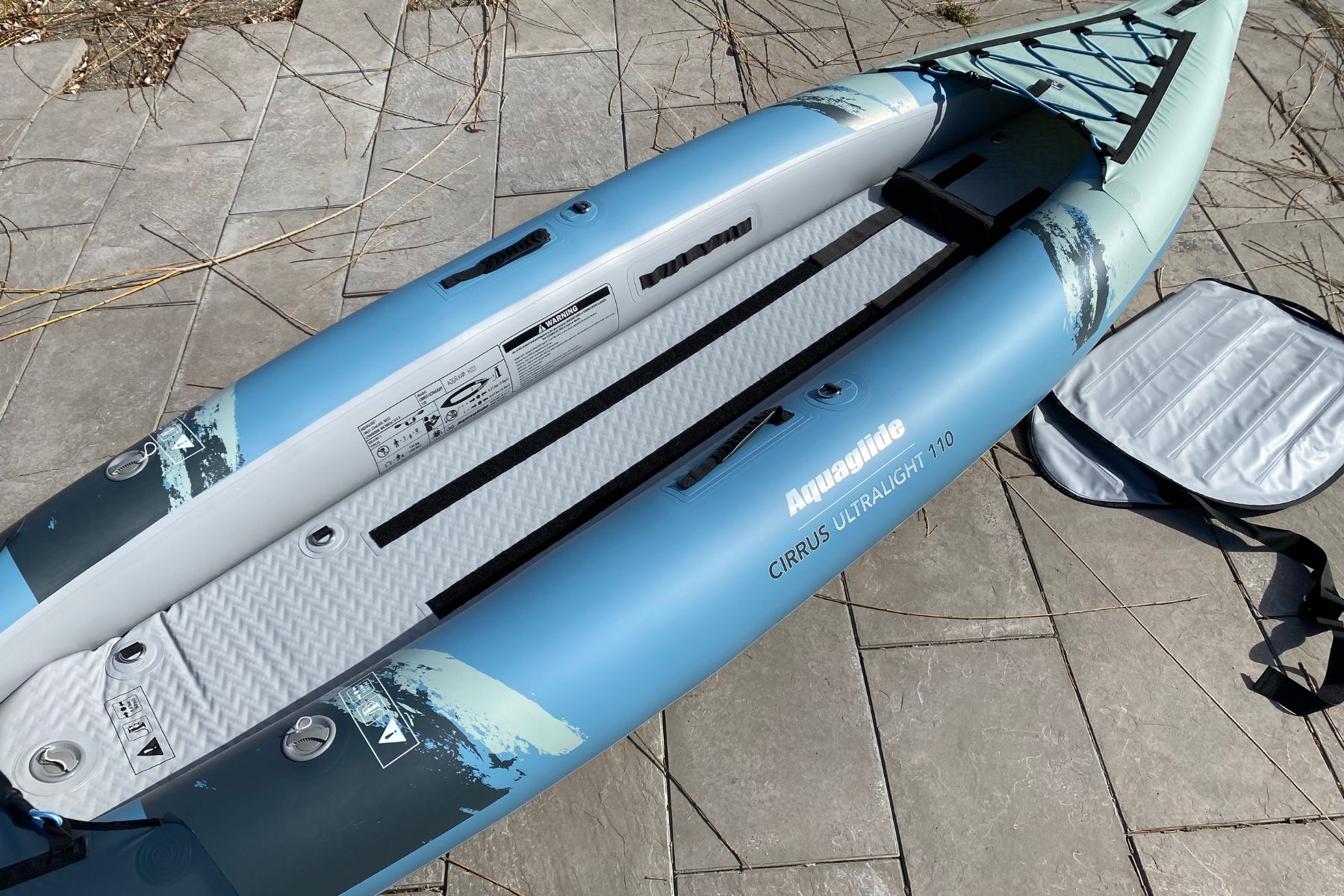
PVC or polyvinyl chloride, is a synthetic plastic polymer that is commonly used to make inflatable kayaks. The Aquaglide Cirrus is a great example of a PVC boat that’s both extremely durable while being exceptionally lightweight.

Aquaglide Cirrus Ultralight 110 Kayak

Instead of gluing, the manufacturers weld the seams of the PVC together making the construction lightweight and durable. It is a popular material because it’s both affordable and easy to work with.

Vinyl is a synthetic plastic material similar to PVC. Vinyl is cheaper and lighter than PVC and packs down smaller, but is also less rigid, which affects its performance.

Rubber is a natural material often used in inflatable kayaks. It is a durable material that is resistant to punctures and abrasions. However, rubber can be heavy and more expensive than synthetic materials.

Inflatable Kayak Top Kayaks

Some inflatable kayaks are made from a combination of vinyl and fabric materials like nylon. Vinyl with fabric offers protection against the sun, but has the drawback of taking longer to dry, which adds to the risk of molding. Vinyl provides the waterproof layer, while the fabric provides additional strength and durability.

Set-up

The set-up of an inflatable kayak is important to consider, especially if you plan on using it frequently. Look for kayaks that are easy to inflate and deflate, with a pump included or available for purchase. Some kayaks can be inflated manually, while others require an electric pump.

Inflatable Kayak Pump

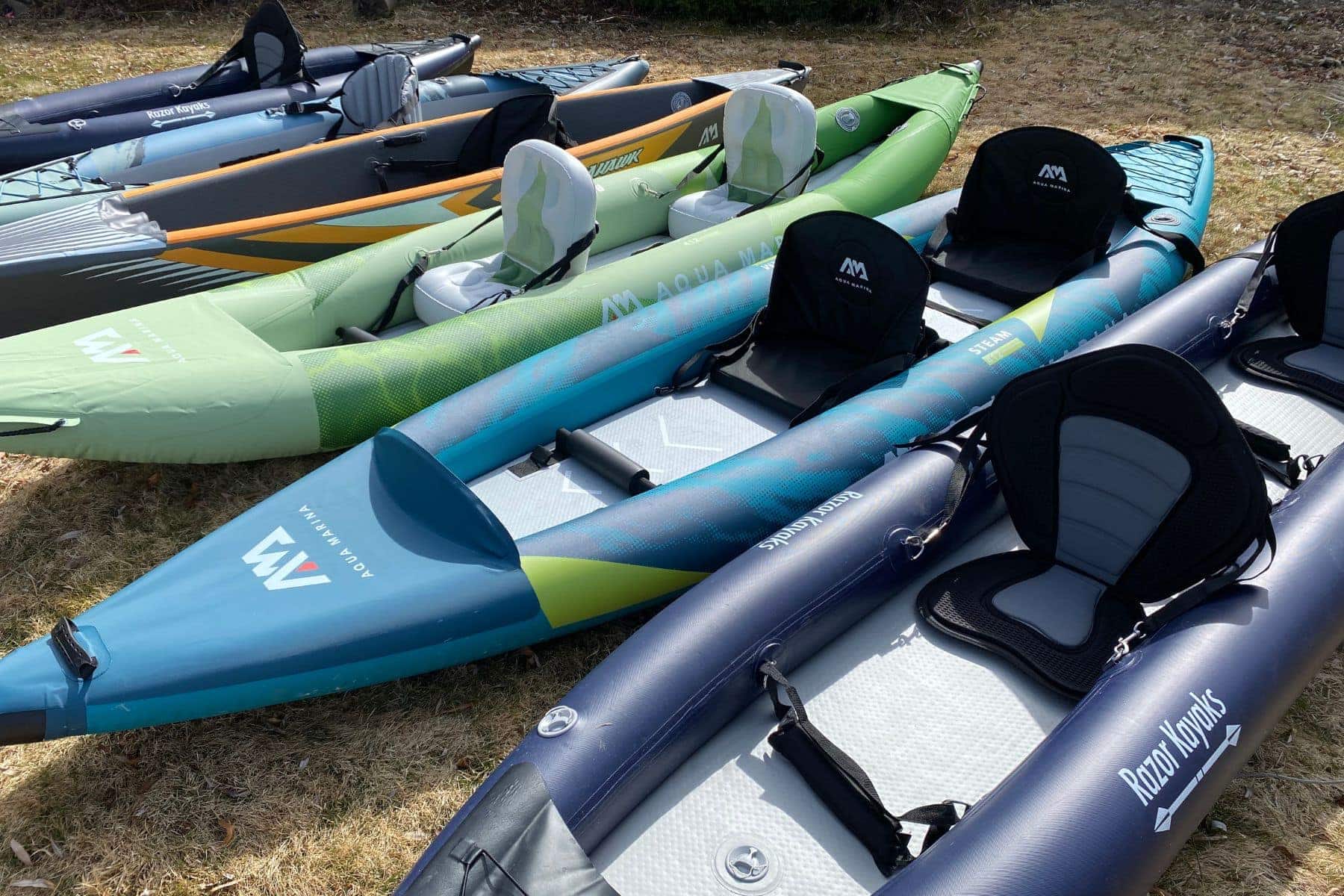
In addition to inflating and deflating, most inflatable kayaks will come with detachable chairs, footrests, and other accessories that either clip on or attach to the kayak. These accessories will add to the set up and pack down time.
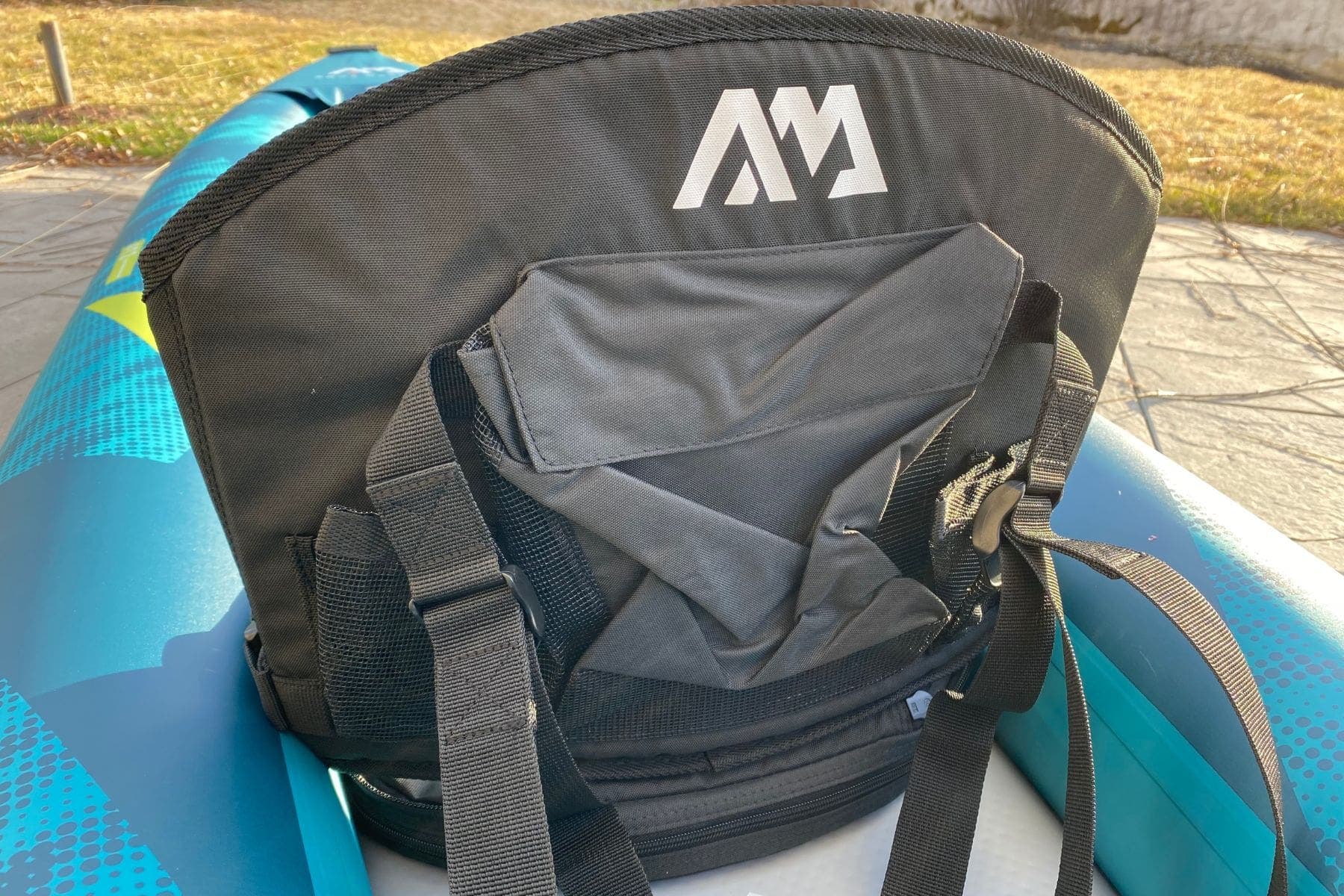
Aqua Marina Steam 412 High Back Chairs
EVA cushioned seat attached with the webbing straps on the incorrect D-rings

Stability

Stability is an important factor to consider when paddling with young children and pets. Look for inflatable kayaks with a wide, flat bottom or multiple air chambers, as these features can increase stability and prevent tipping.

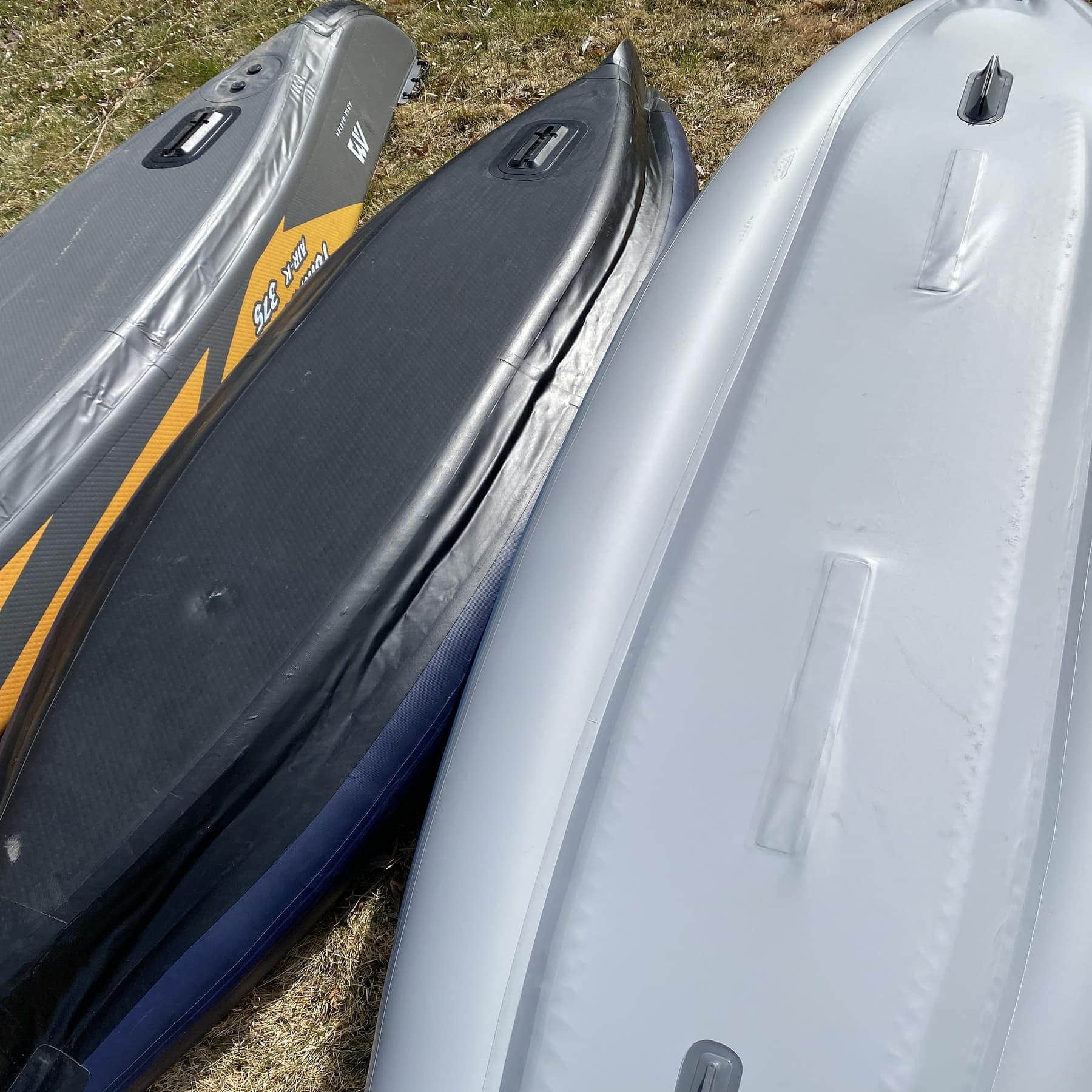
Aquaglide Cirrus Ultralight 110 Bottom Kayak

The weight capacity of the kayak can also impact stability, so make sure the kayak can safely support the weight of both you and your gear. Additionally, consider the type of water you will be paddling in. Whitewater and choppier waters will require greater stability than lakes or flatwater.

Performance

With an inflatable kayak, length, width, bow shape, and material construction will affect the performance of the boat. Shorter kayaks will have better maneuverability, while longer boats will track better.

Ideally you want to find a good balance between good tracking (which can be enhanced by the use of a fin), maneuverability (which can be improved with a narrow or slightly rockered bow), and good stability.

Aquaglide Cirrus Ultralight 110 Bottom Kayak

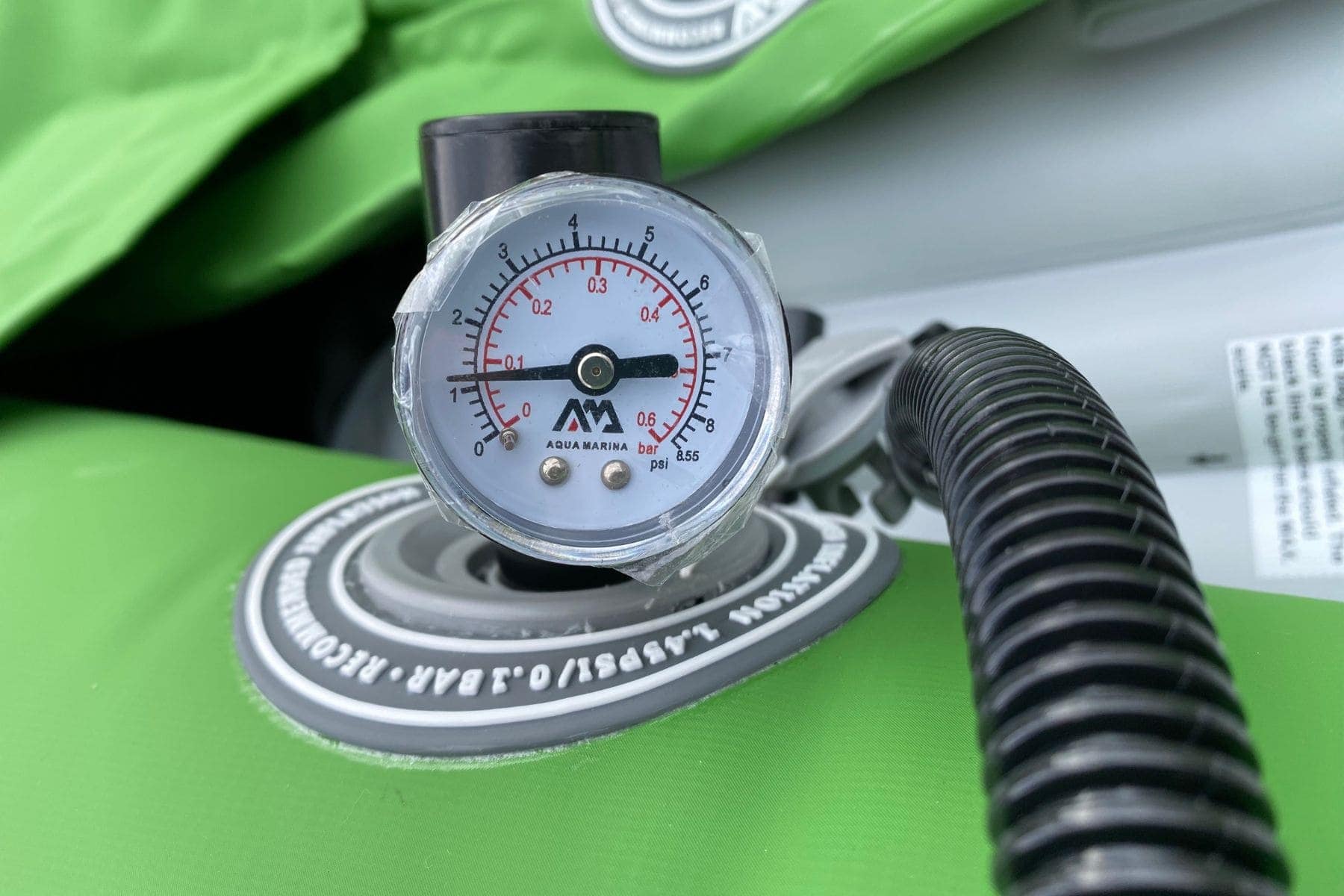
You should also inflate your kayak to the correct PSI to ensure it performs at its best. An underinflated kayak will be slower and less stable, while an over inflated boat is at the risk of puncturing or popping.

Inflatable Kayak Gauge

Weight Capacity

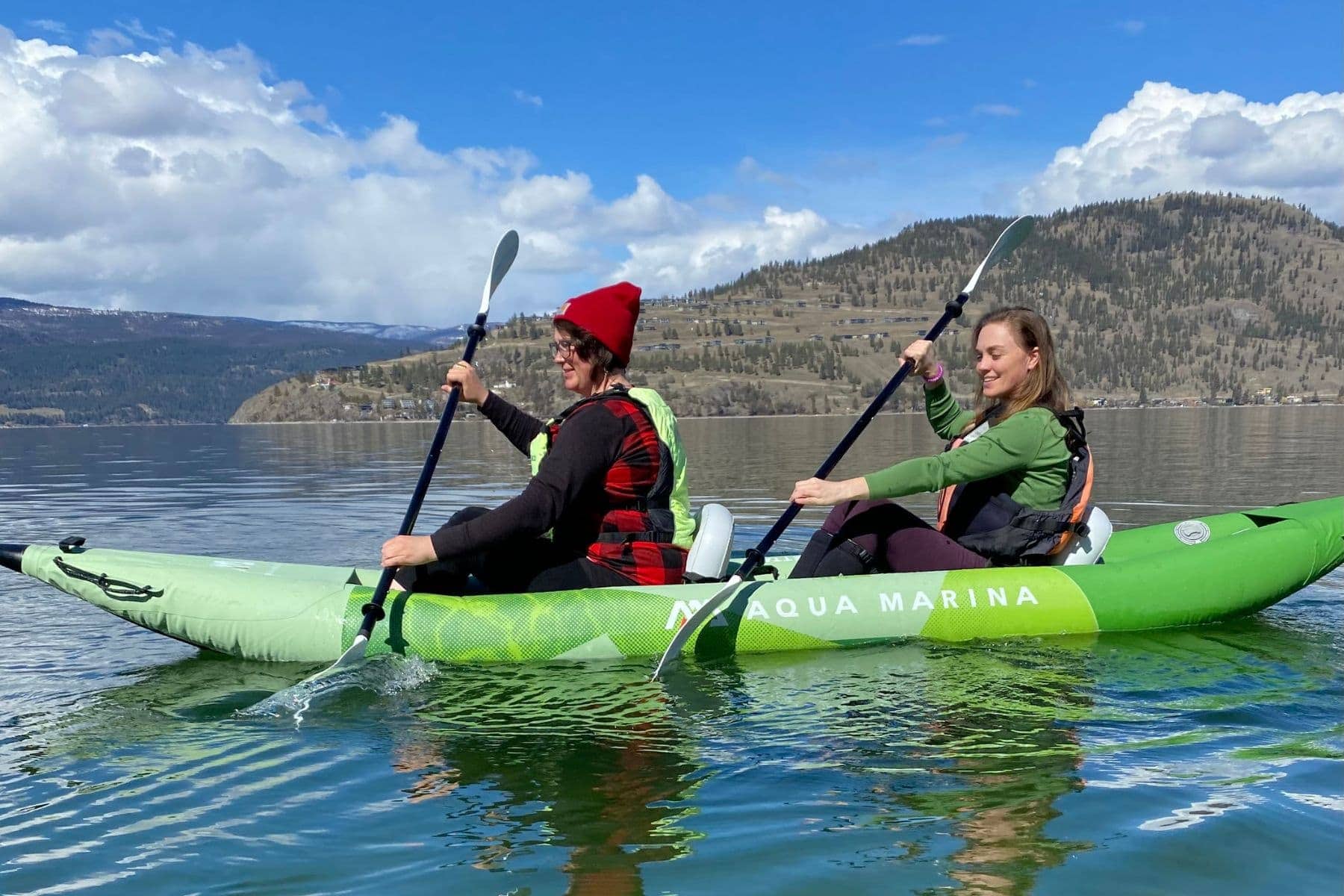
Inflatable kayaks typically have a weight capacity ranging from 350 to 700 pounds, which can accommodate one to three people. When choosing the weight capacity of your kayak, consider the number of people and the amount of equipment you plan to carry.

Inflatable Kayak Happy Kayaker

It’s important to ensure that the kayak can support the weight of both you and your gear. An overloaded boat could warp or sit too low in the water. Keep in mind if you plan to bring pets with you, you’ll need to factor in their weight and ensure they have enough space to feel comfortable.

Length

The length of an inflatable kayak can vary between 10 to 16 feet. This variance is usually due to the number of seats which can range from one to three. Shorter kayaks are generally easier to maneuver, while longer kayaks offer more speed, stability, and storage space.

Inflatable Kayak Length

The length of your inflatable kayak should be based on your intended use and number of paddlers, as well as how much gear you’re transporting.

Deck and Storage

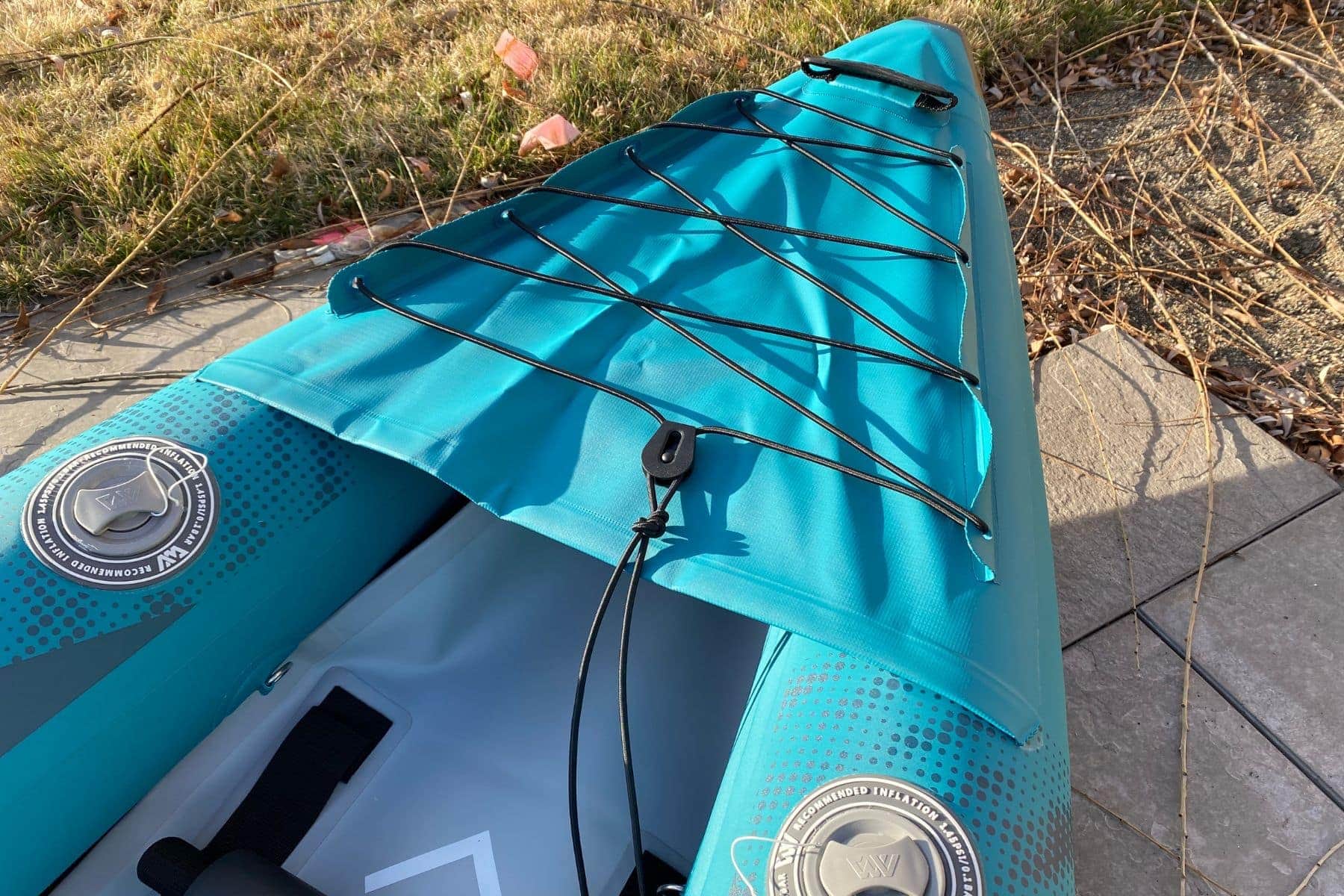
An inflatable kayak’s deck and storage options can impact its versatility and convenience. Look for kayaks with enough storage space for your gear, as well as features like bungee cords or D-rings for attaching additional gear.

Inflatable Kayak Storage

Some inflatable kayaks also have spray skirts to protect you and your gear from splashes or choppier water.

Carry Handles

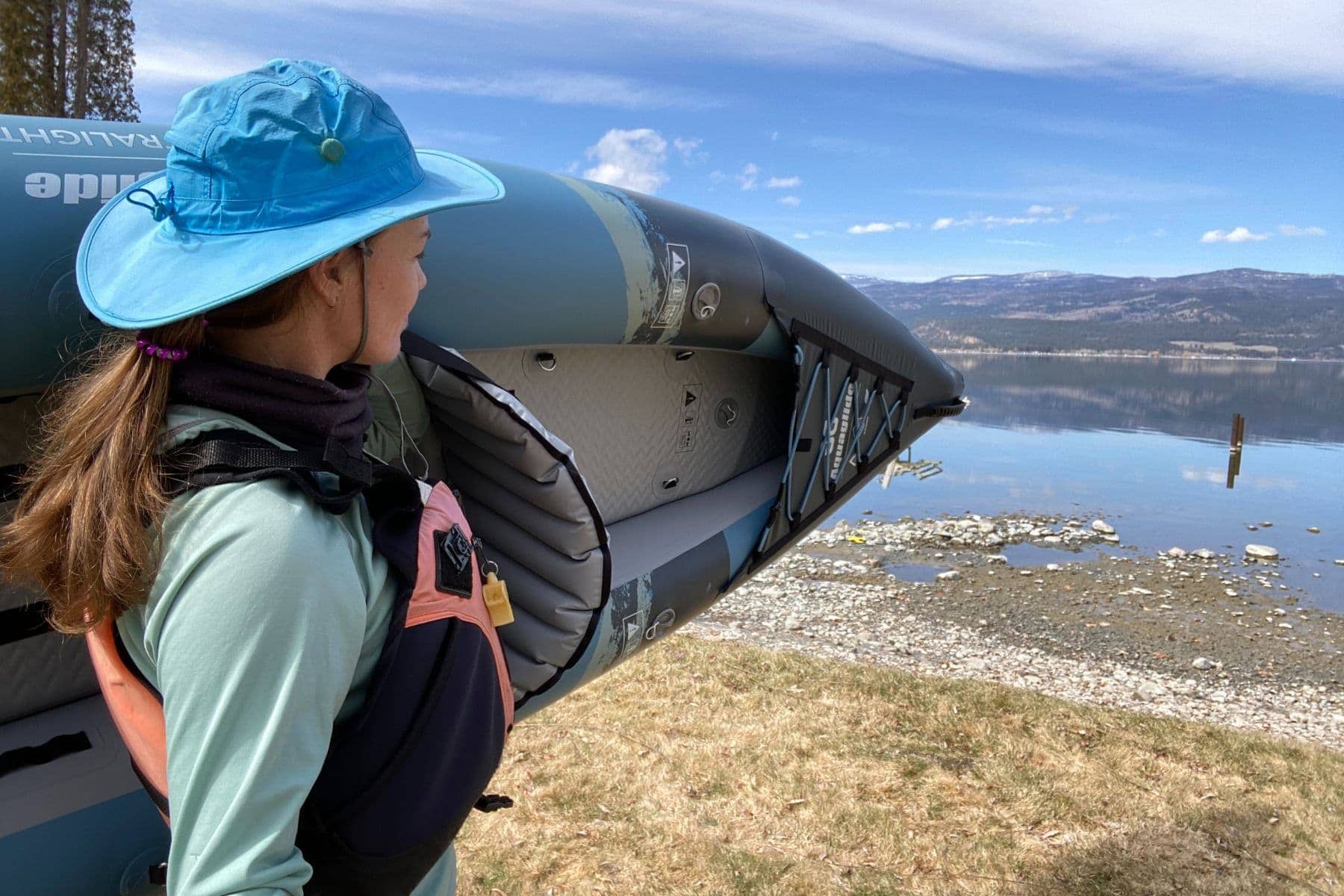
Carry handles make it easy to transport your kayak to and from the water. Look for kayaks with sturdy, comfortable carry handles that are located in convenient positions on the bow, stern, and in the center of the kayak if you’re planning to carry it by yourself.
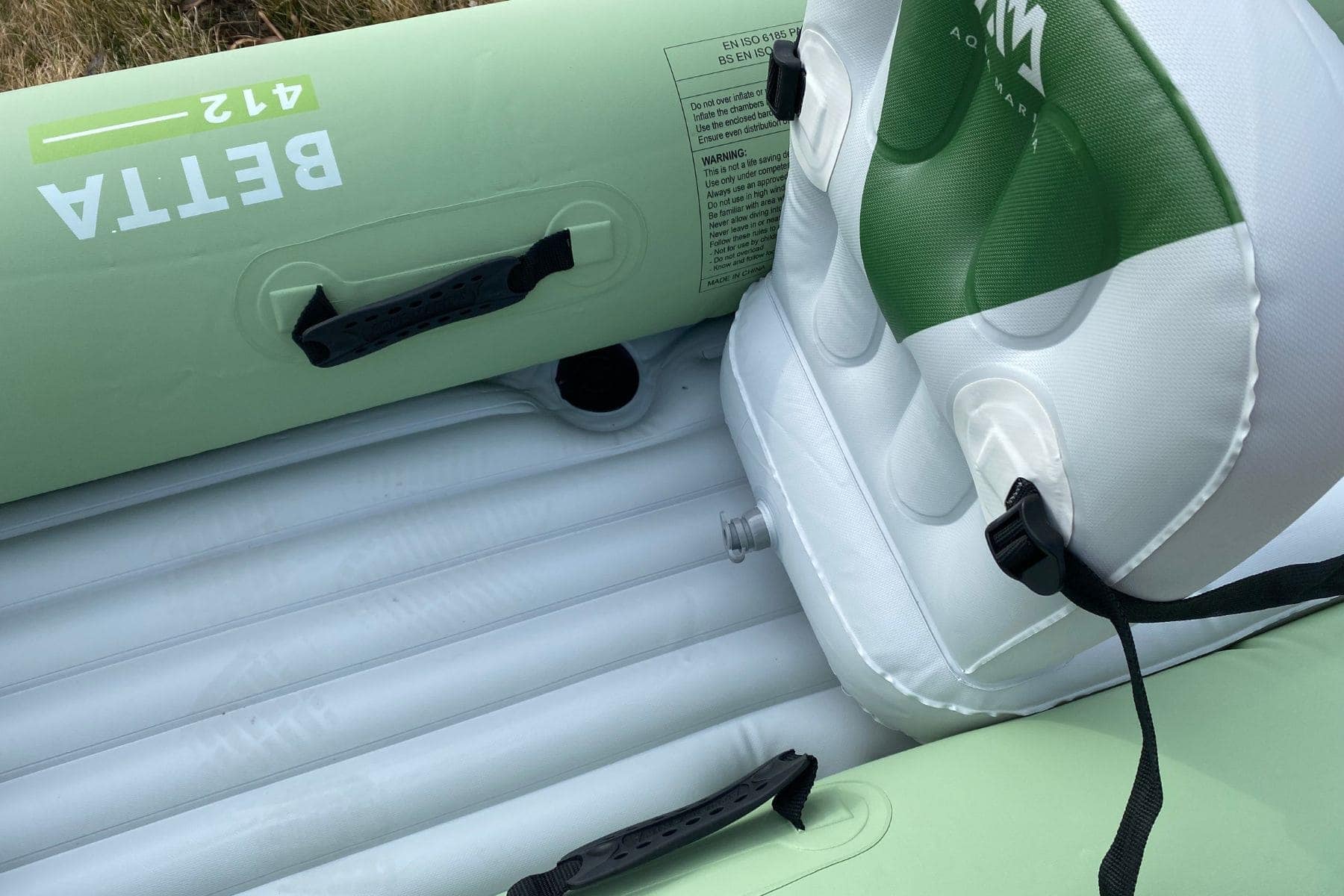
Aqua Marina Betta 412 Handles
Carrying handles in the middle make carrying a kayak easier for a single person.

Backpack or Storage Bag

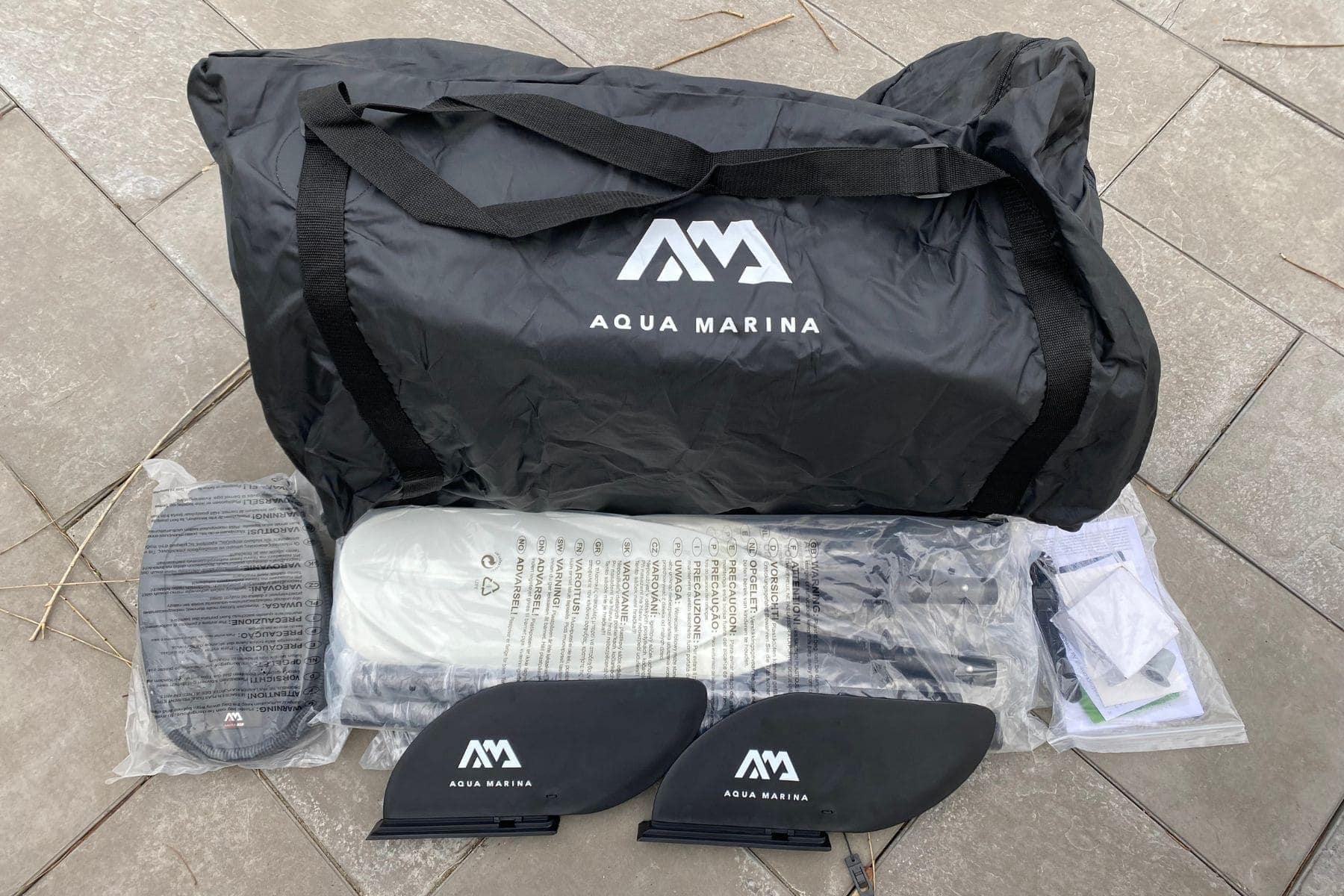
When not in use, inflatable kayaks are usually stored in a compact carry bag. Look for inflatable kayaks that come with a backpack or storage bag that is durable, easy to carry, and store.

Tomahawk Air K 12 4 Storage Bag

Seat

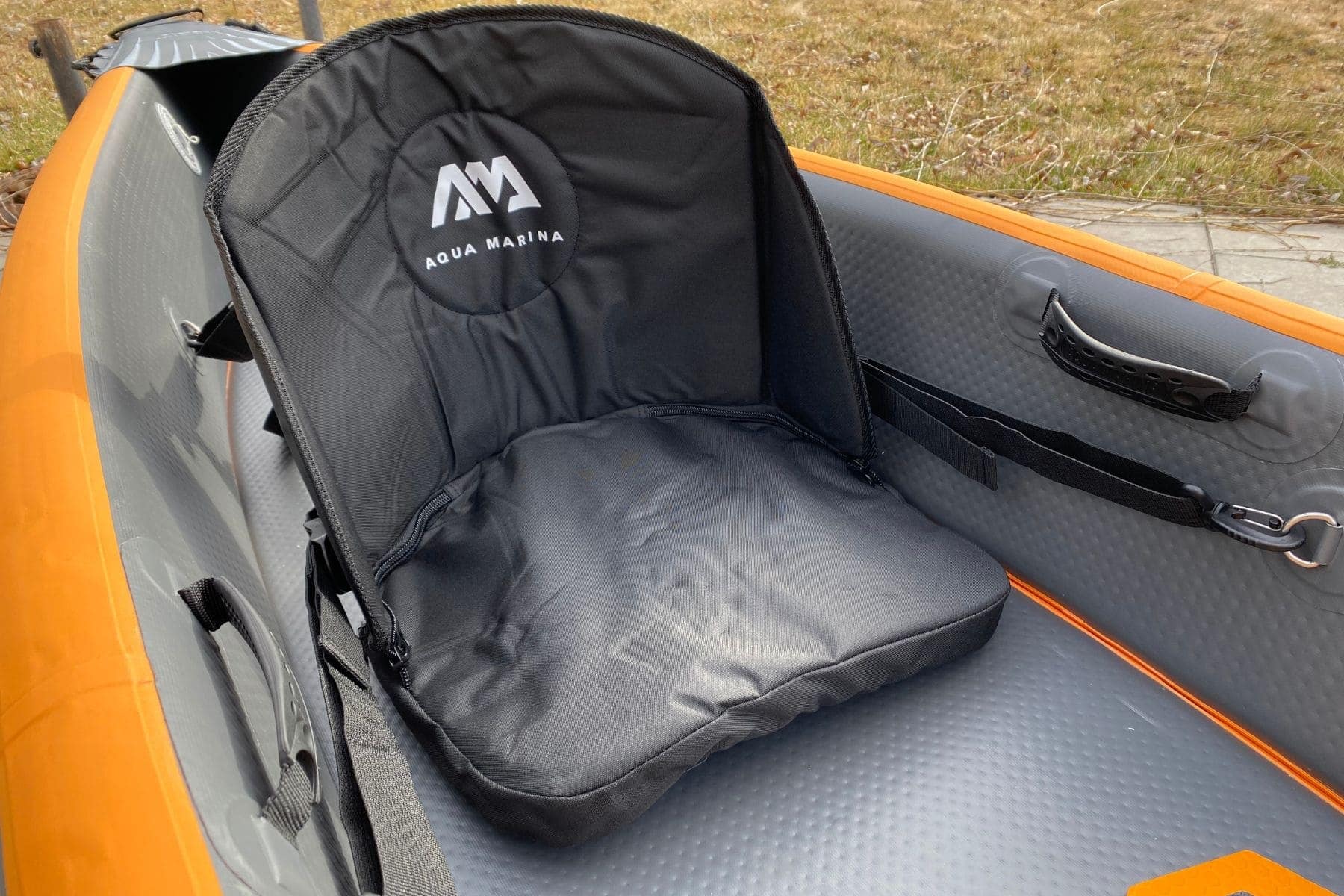
Comfort is key when kayaking, and a good seat is an essential part of the experience. Look for inflatable kayaks with comfortable, adjustable seats that provide back support.

Inflatable Kayak Seat

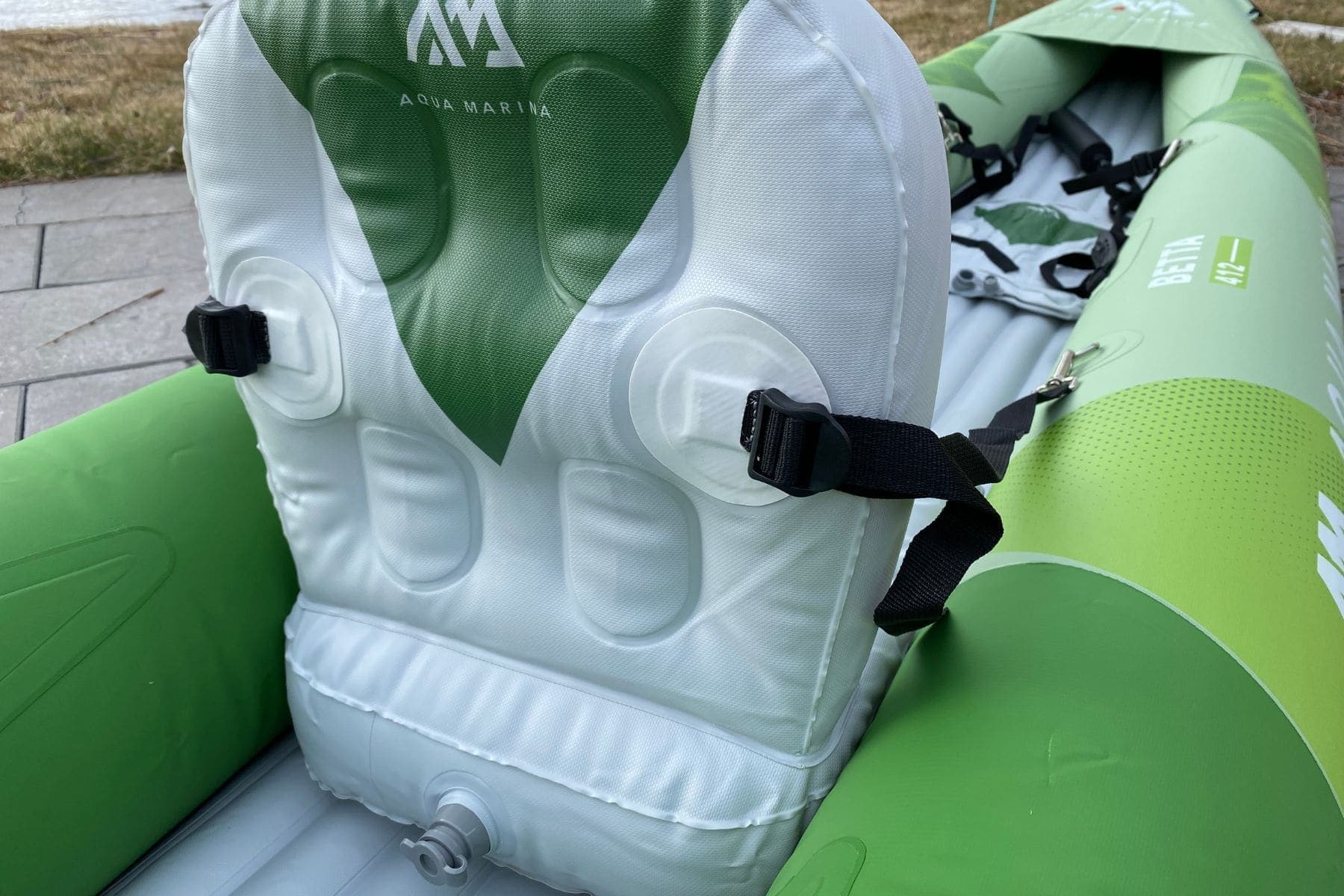
Some kayaks have inflatable seats, while others have solid fabric chairs. Inflatable seats won’t provide as much support, but will reduce the weight of the kayak and set up time.

Aqua Marina Betta 412 Inflatable Seat

Footrests

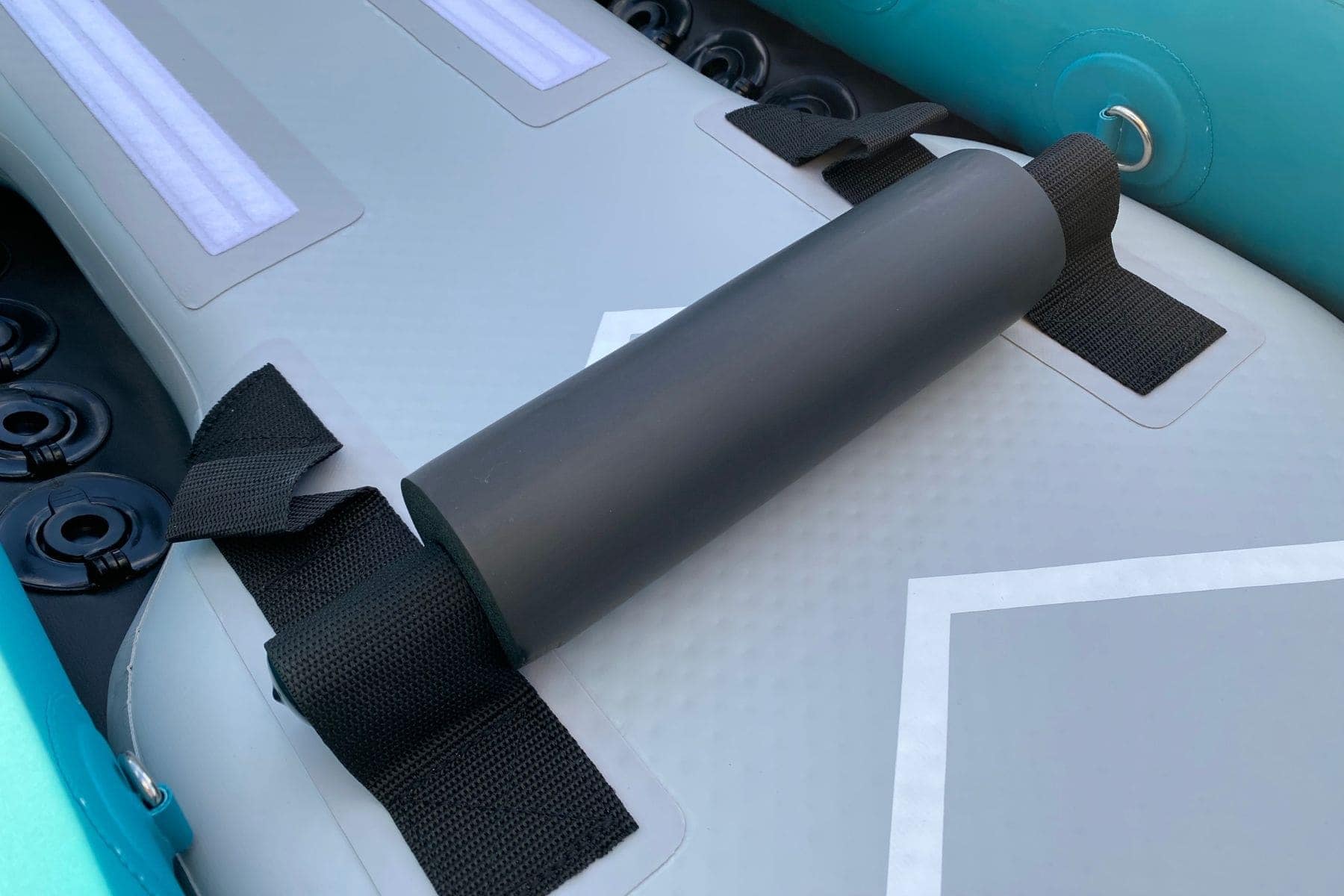
Footrests are used to push against when paddling to enable full body rotation, rather than just using the muscles in your arms. They also offer stability and support while paddling.

Inflatable Kayak Foot Rest

Look for inflatable kayaks with adjustable footrests that use velcro or other materials to accommodate different leg lengths.
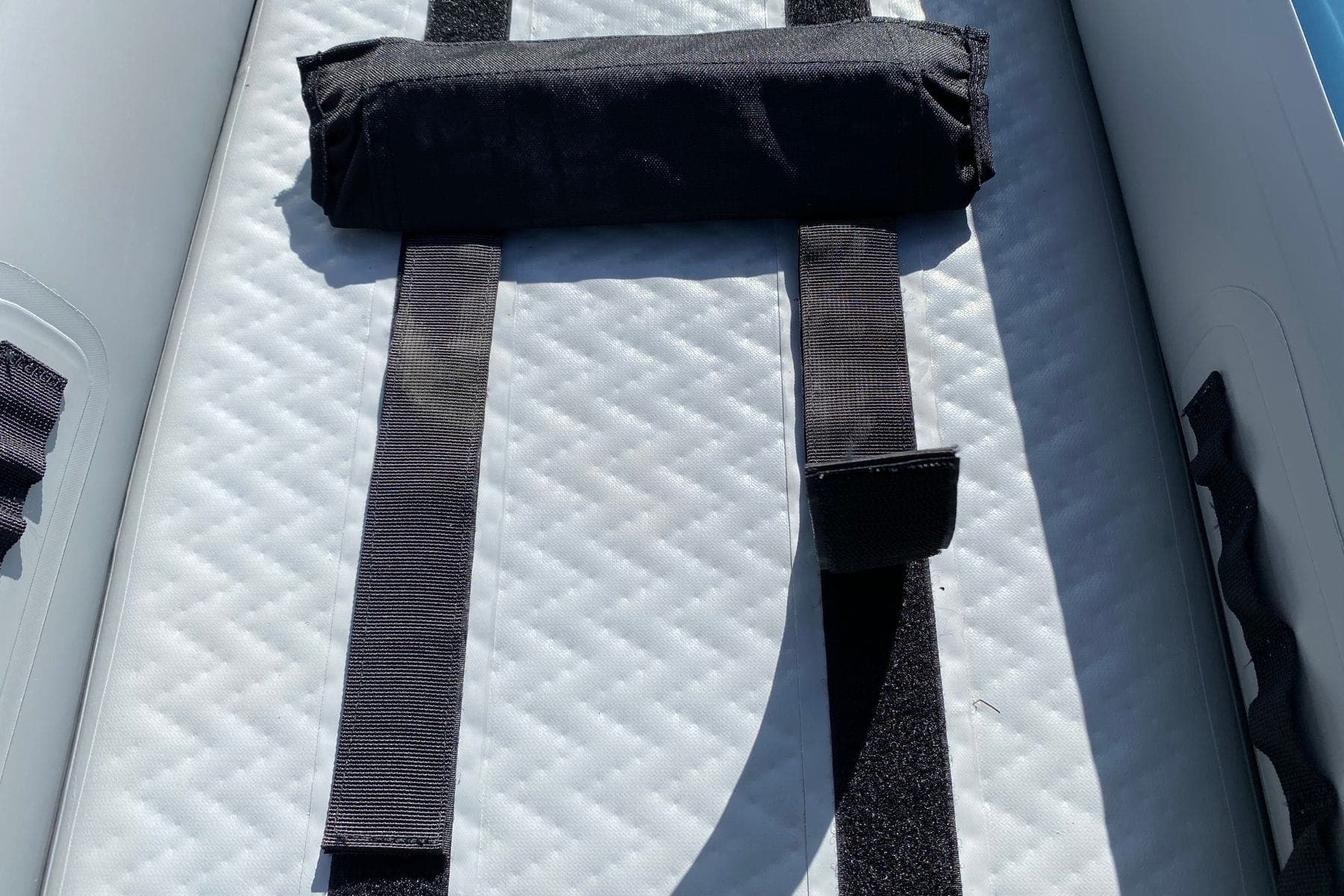
Aquaglide Cirrus Ultralight 110 Adjust
Footrest of the Cirrus Ultralight 110

Fin

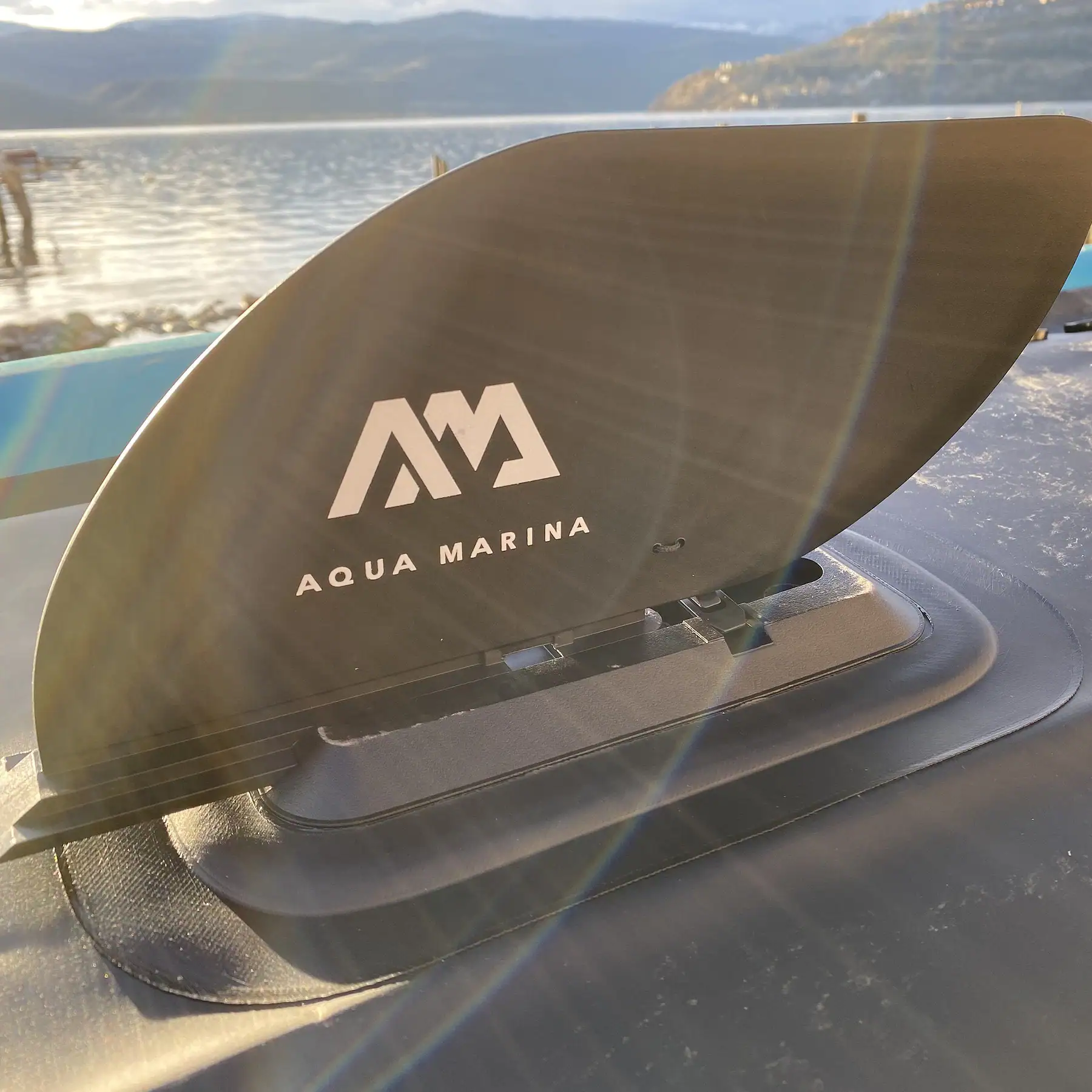
A fin is a crucial part of an inflatable kayak’s performance, as it helps with tracking and maneuverability. Look for kayaks with detachable or adjustable fins, which allow you to customize the kayak’s performance to different water depths and conditions.

Aqua Marina Steam 412 Fin

Maintenance

Proper maintenance is key to keeping your inflatable kayak in good condition. You should always rinse and dry your kayak thoroughly, and remove and dry all additional components like seats and footrests.

Inflatable Kayak Cirrus

Avoid exposing the kayak to direct sunlight for extended periods of time, and store it in a cool, dry place when not in use.

Aquaglide Cirrus Ultralight 110 Fast 1

Additional Features

Inflatable kayaks can come with a range of additional features, including hand pumps, paddles, and rod holders. Rod holders are a great addition for fishing, while hand pumps and paddles can save you from needing to make additional purchases.

Aqua Marina Betta 412 Accessories

When choosing an inflatable kayak, consider your intended use, who you’re paddling with, how much gear you’re carrying, and how much you’re paddling. By considering the factors above and doing research on the different options available, you can choose an inflatable kayak that will meet your needs and provide you with the most enjoyable paddling experience.

FAQ

What is the best inflatable kayak?

The best inflatable kayak will depend on where you’re paddling, who you’re paddling with, how much gear you’re carrying, and how much you’re planning to use it.

Our Top 5 Inflatable Kayaks in 2023 include:

Best Budget: Intex Challenger K2

Best Mid-Range: Advance Elements AdvancedFrame

Best Hybrid Kayak and SUP: Isle Switch SUP & Kayak

Best for Fishing: Aquaglide Blackfoot 160

Easiest to Set-up: Razor Kayaks R1 Ultra

Check out our Inflatable Kayak Buyer’s Guide on how to choose the best kayak for your unique circumstances.

How durable are inflatable kayaks?

Inflatable kayaks can be very durable, especially if they are made from high-quality materials such as PVC, vinyl, or rubber. Inflatable kayaks can often withstand more bumps and bruises than fiberglass kayaks. However, they can be punctured or damaged by sharp objects, so it’s important to take proper care of your kayak and avoid exposing it to rough or rocky terrain.

Are inflatable kayaks safe?

Yes, inflatable kayaks are very safe when used properly. It’s important to always wear a PFD (personal flotation device), be aware of the weather and water conditions, carry a radio or cell phone, and stay within the limits of your skill level.

Be sure to inflate your kayak to the recommended PSI level to avoid warping or puncturing.

Can inflatable kayaks handle whitewater?

Yes, some inflatable kayaks are designed for whitewater rafting and can handle rough water conditions. However, it’s important to choose a kayak that is specifically designed for whitewater use and to have the proper skills and experience to navigate these conditions.

Can inflatable kayaks be repaired if they are punctured or damaged?

Most inflatable kayaks can be repaired if they are punctured or damaged. Many kayaks come with a repair kit that includes patches and adhesive, and there are also professional repair services available for more serious damage.

Are inflatable kayaks easy to transport and store?

Yes, one of the benefits of inflatable kayaks is their portability and easy storage. They can be deflated and packed into a compact carrying bag or backpack, making them easy to transport by car or even on public transport.

How long do inflatable kayaks last?

The lifespan of an inflatable kayak can vary depending on its quality, use, and care. With proper use and maintenance, a high-quality inflatable kayak can last for several years or longer. Be sure to carry rather than drag your inflatable kayak along rough terrain and always inflate it to its recommended PSI.

How long does it take to inflate an inflatable kayak?

The time it takes to inflate an inflatable kayak can vary depending on the size of the kayak and the type of pump being used. With a high-pressure hand pump or electric pump, most kayaks can be inflated within 5 to 10 minutes.

How good are inflatable kayaks?

Although inflatable kayaks are not as fast as touring or traditional hardshell kayaks, they are more portable and lightweight, making them ideal for people with limited storage space. Most inflatable kayaks perform well in a variety of conditions, and are a great option for recreational kayaking. They are also a great option if you’re paddling with your kids and pets.

What are inflatable kayaks made of?

The most common materials used are PVC, vinyl, nylon, and rubber. A light recreation kayak is often made of a single-layer vinyl, while a more robust and durable inflatable kayak would be made from PVC or rubber.

How do I find a leak in an inflatable kayak?

To determine where a leak or puncture is in an inflatable kayak, search for bubbles that appear when your kayak is in the water. You may also be able to feel or hear the air escaping from your kayak.

You should keep in mind that deflation doesn’t always mean leakage. Changing temperatures will affect the density of the air in your kayak. This is why you may need to re-inflate your kayak slightly once you have placed it in cold water.

How do I clean an inflatable kayak?

One of the main ways to preserve the quality of your inflatable kayak is to thoroughly clean and rinse your kayak with fresh water after each use. You should avoid bleach or harsh chemicals, use a soft rag or towel, and ensure you dry it thoroughly before stowing it away.

Weekly

Get one honest boat review a week

One boat we ran, one guide worth reading, one model we'd shop next week. No press-release rewrites. Unsubscribe any time.