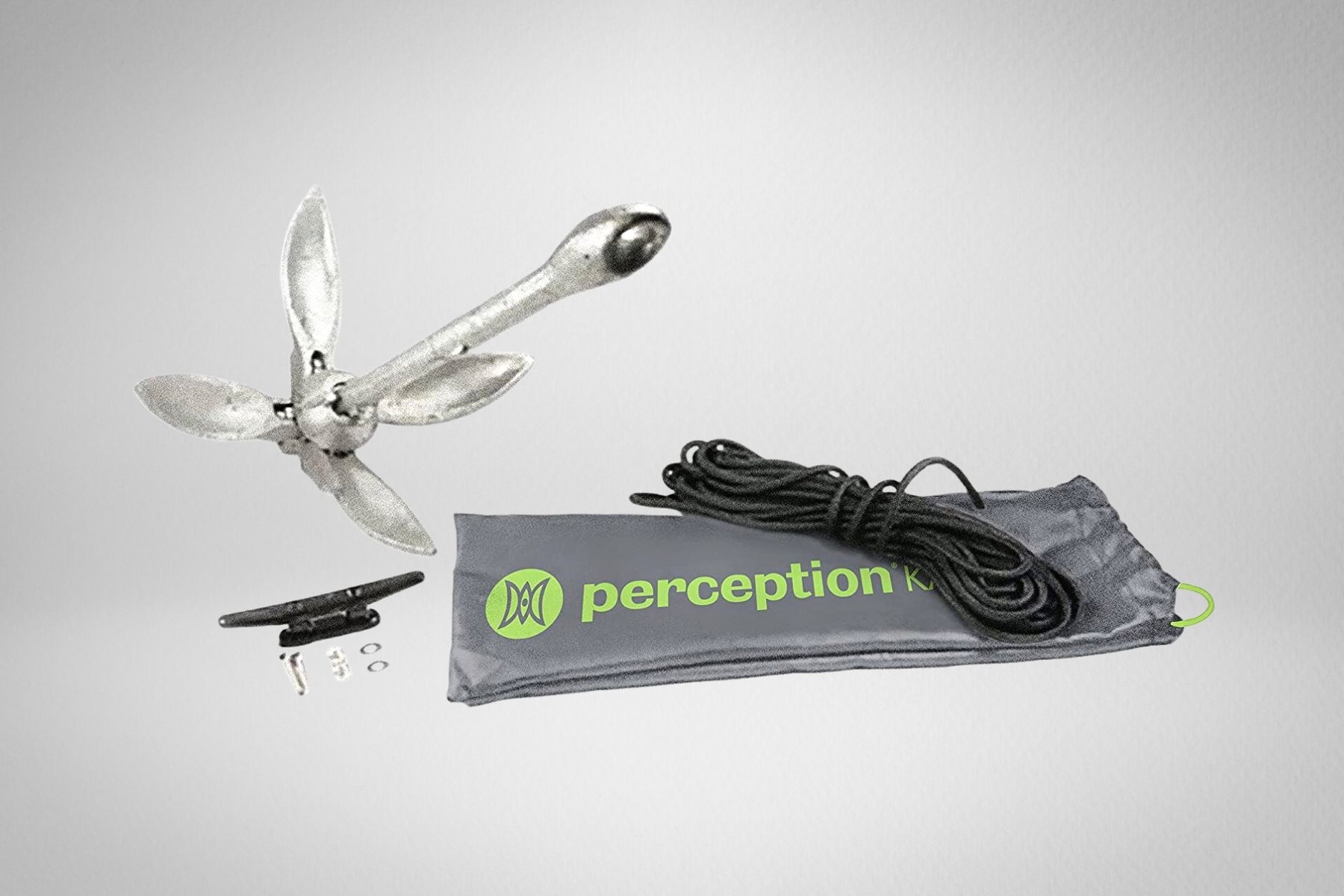
A Short Note about the Anchors on this List
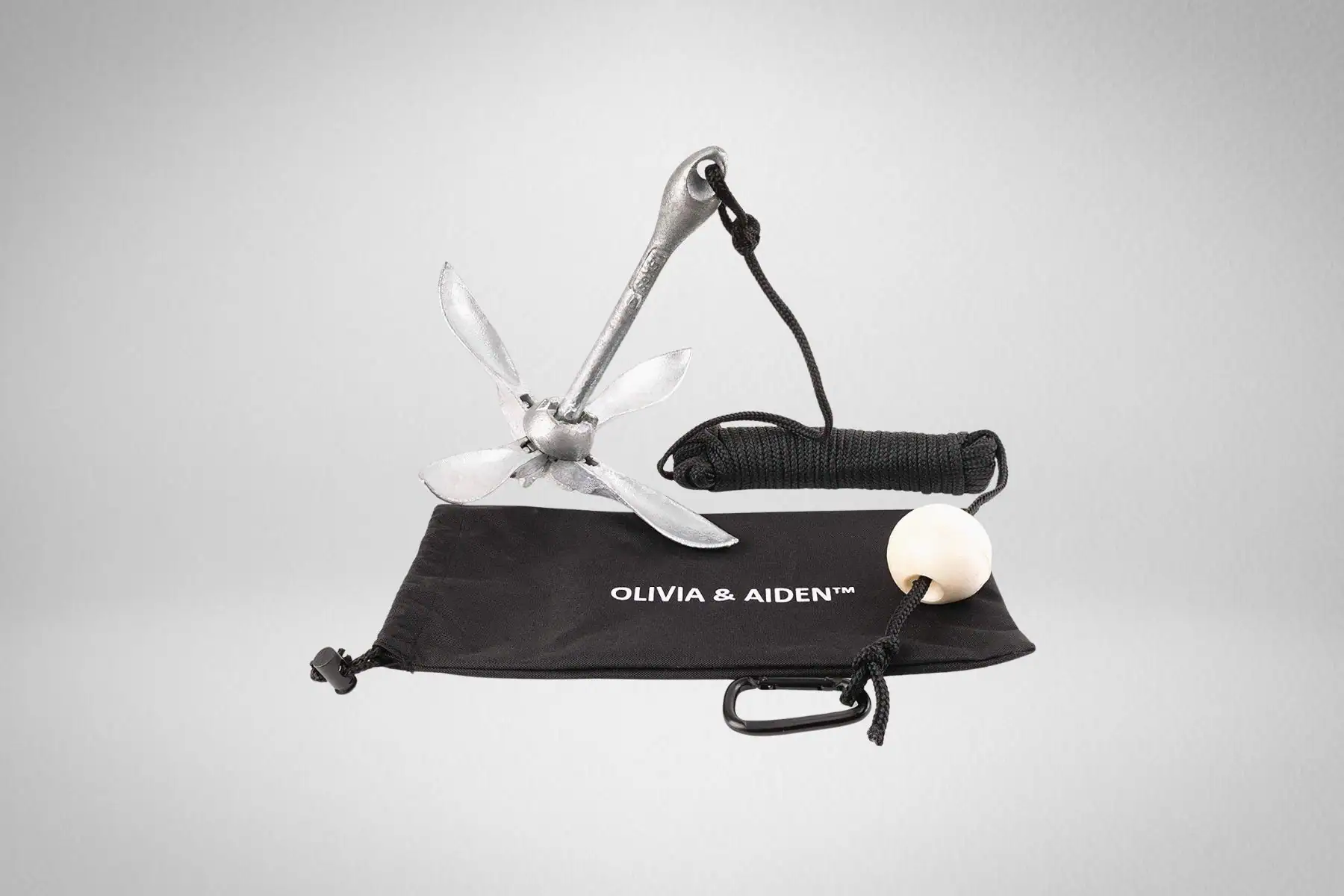
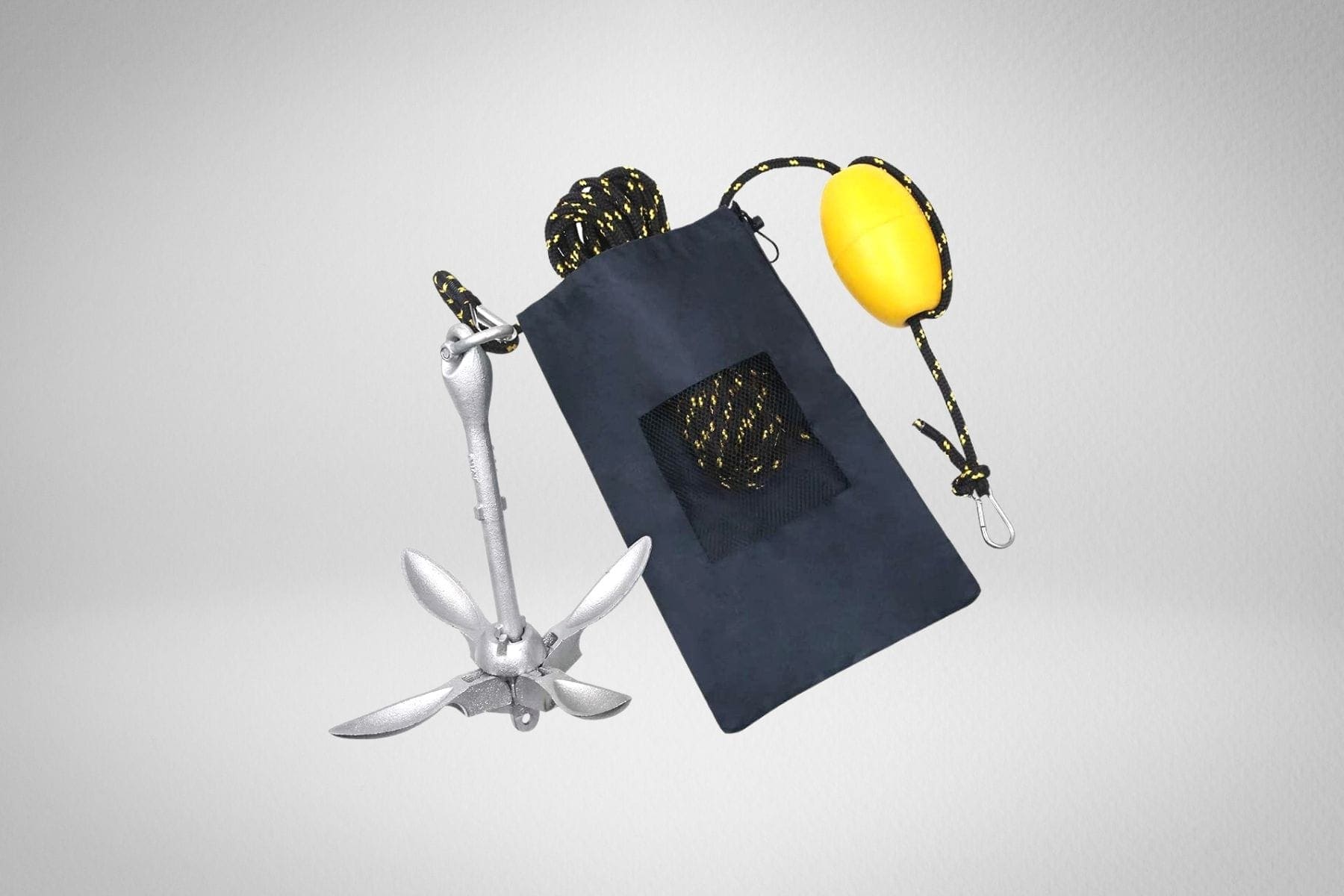
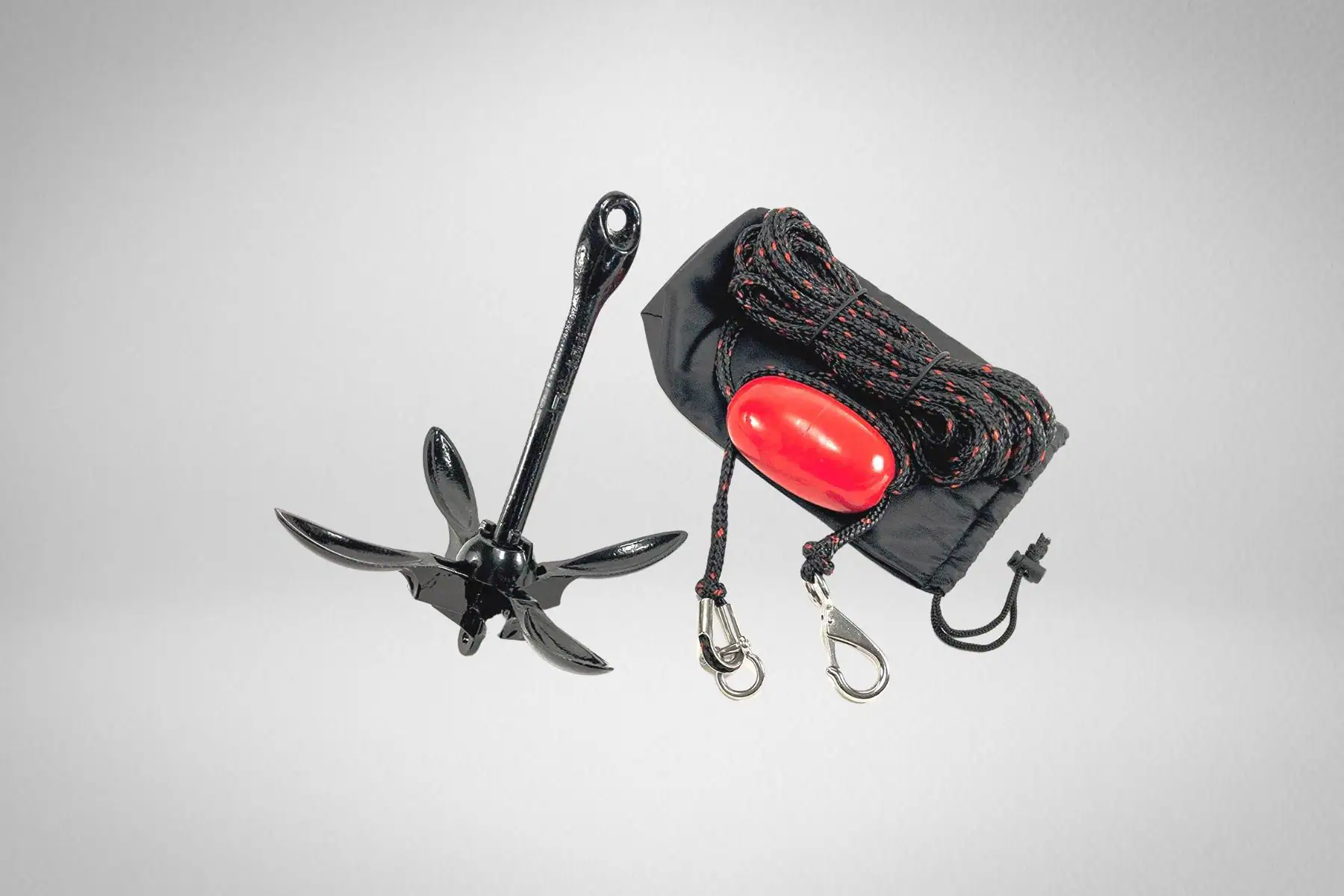
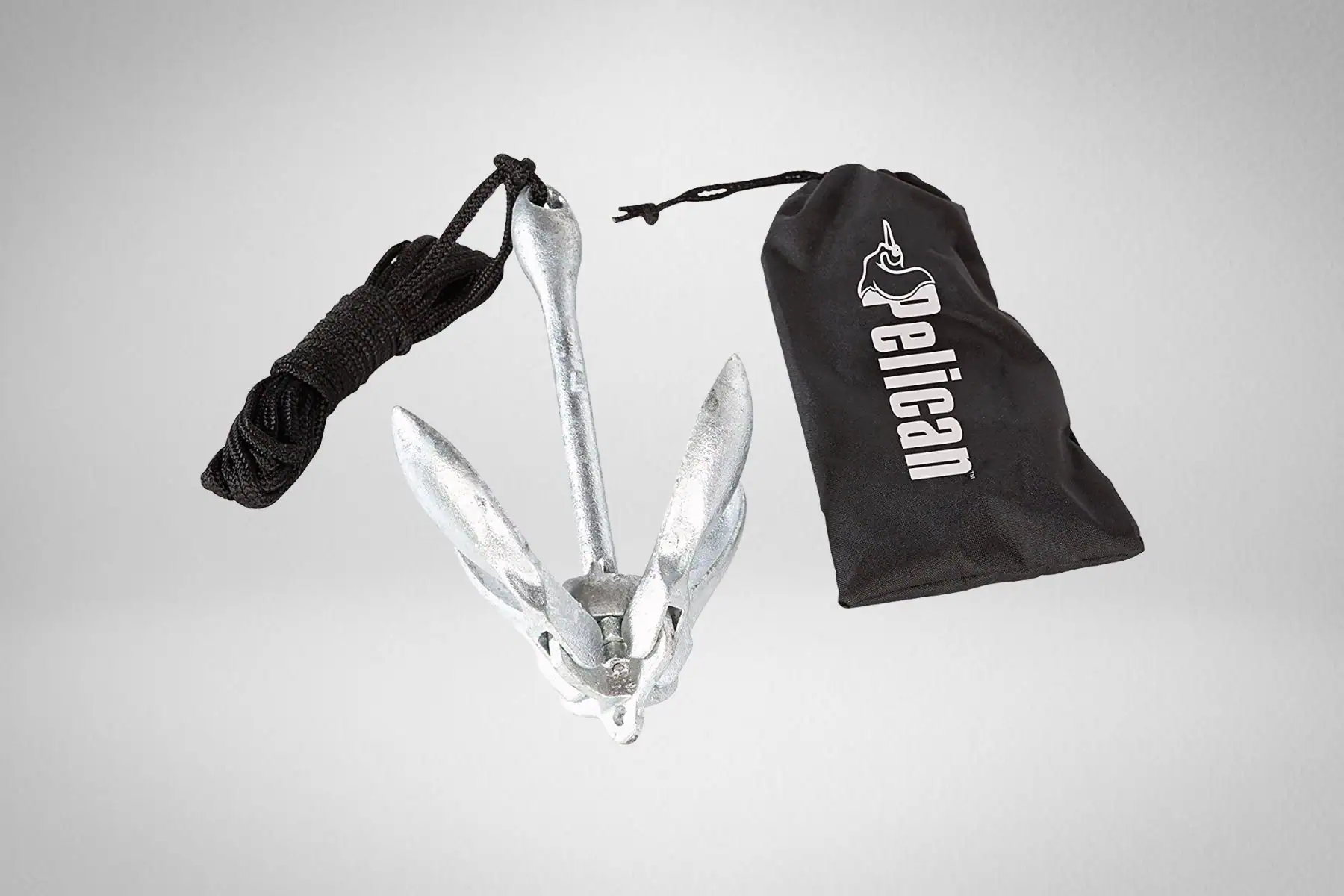
All the anchors on this list are folding anchors. They are pretty cheap and lightweight. They’ll do the job for short to middle-long anchorages.
For longer periods of time the folding anchors with bigger cups or scoops in them will hold a kayak in place for longer. That’s because silt and debri will collect in their scoops, thus making the anchor heavier.
The downside to folding anchors is that they can also pick up some of that silt and carry it up and into the kayak. An anchor lock side mounted onto a kayak will avoid this and make using it quicker and easier.
This anchor lock from Scotty is affordable and as reliable as they come. It provides the added benefit of a quick release should the need arise.
It’s also typical for anchors in this price range to have cheaper carabiners that tie to the kayak. Consider replacing them with a 3 dollar pair that will probably be better if you’re going to be carrying a lot of gear with weight.
Consider also whether or not you might be happy using paracord instead of the included rope. It’s strong and doesn’t take up as much space.
For more information on other indispensable kayaking equipment, check out our Best Kayak Life Vests, Best Kayak Racks, Best Kayak Trailers, and Best Kayak Paddles.
A Quick Guide to Kayak Anchors
Using an anchor is pretty straightforward, but there are actually quite a few considerations to keep in mind when anchoring a kayak. You might want to consider an anchor lock as well to help pull your anchor up and hold it up without bringing debri into the kayak.
Generally, it’s going to be for kayak fishing that most yakkers employ an anchor to stay at the hole, the place where bountiful fish are to be found and caught. But other paddlers might want to stay at a spot for a while for a lunch break or to observe the sunset or a rare albino unicorn.
To know what the best kayak anchor is for your needs, you need to know first what type of bottom you’ll be casting your anchor onto. Beyond that there a few other points:
- The type of bottom (eg. rocky, sandy, hard clay, etc.)
- What size anchor (ie. weight & dimensions)
- What type of anchor (ie. folding, mushroom, claw, etc.)
- How long a rope you need
As a last point, a pair of kayak gloves will make handling an anchor all that much easier. Take a look at our guide for the best ones.