Questions & Answers:
1. What features should I look for in an ocean kayak?
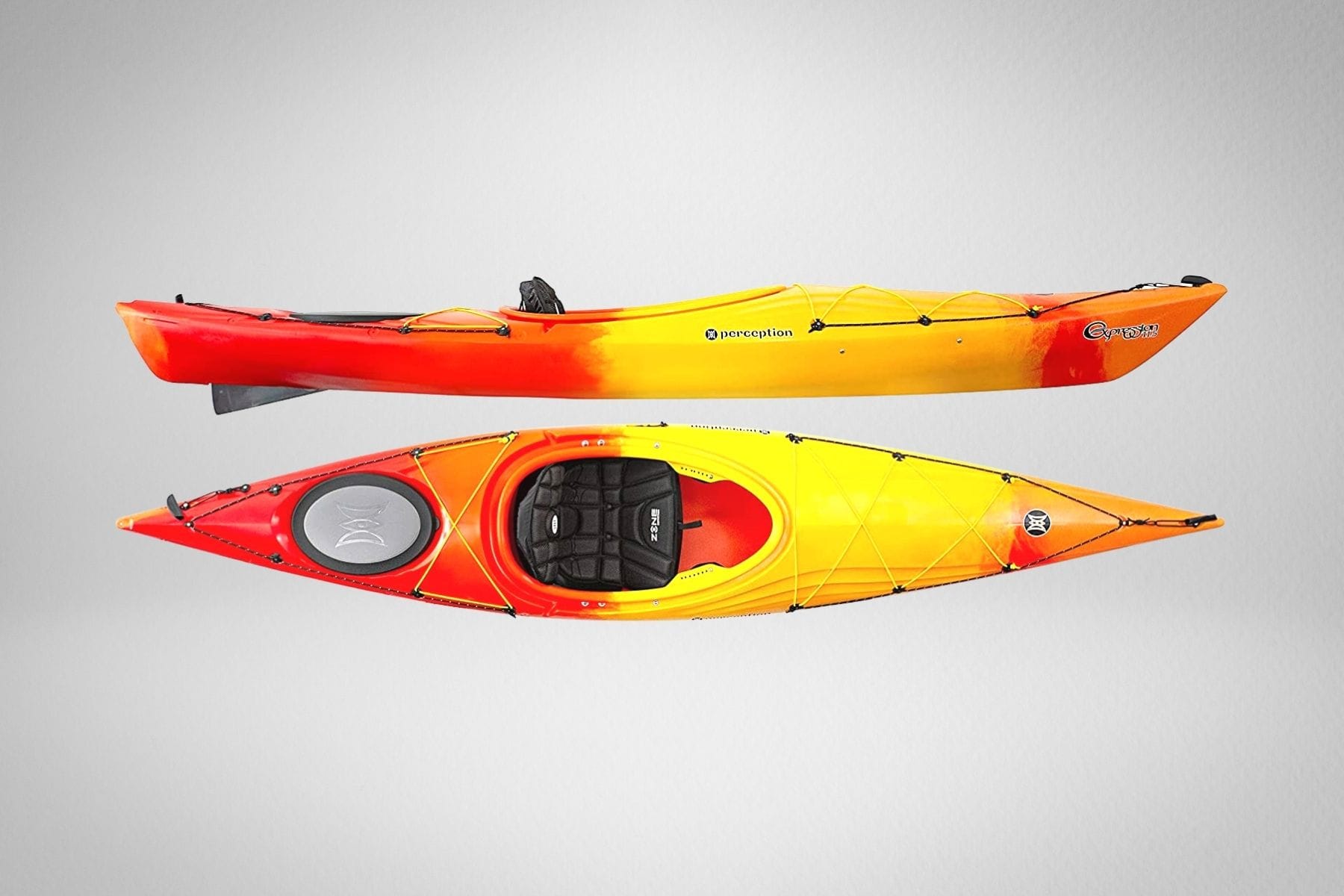
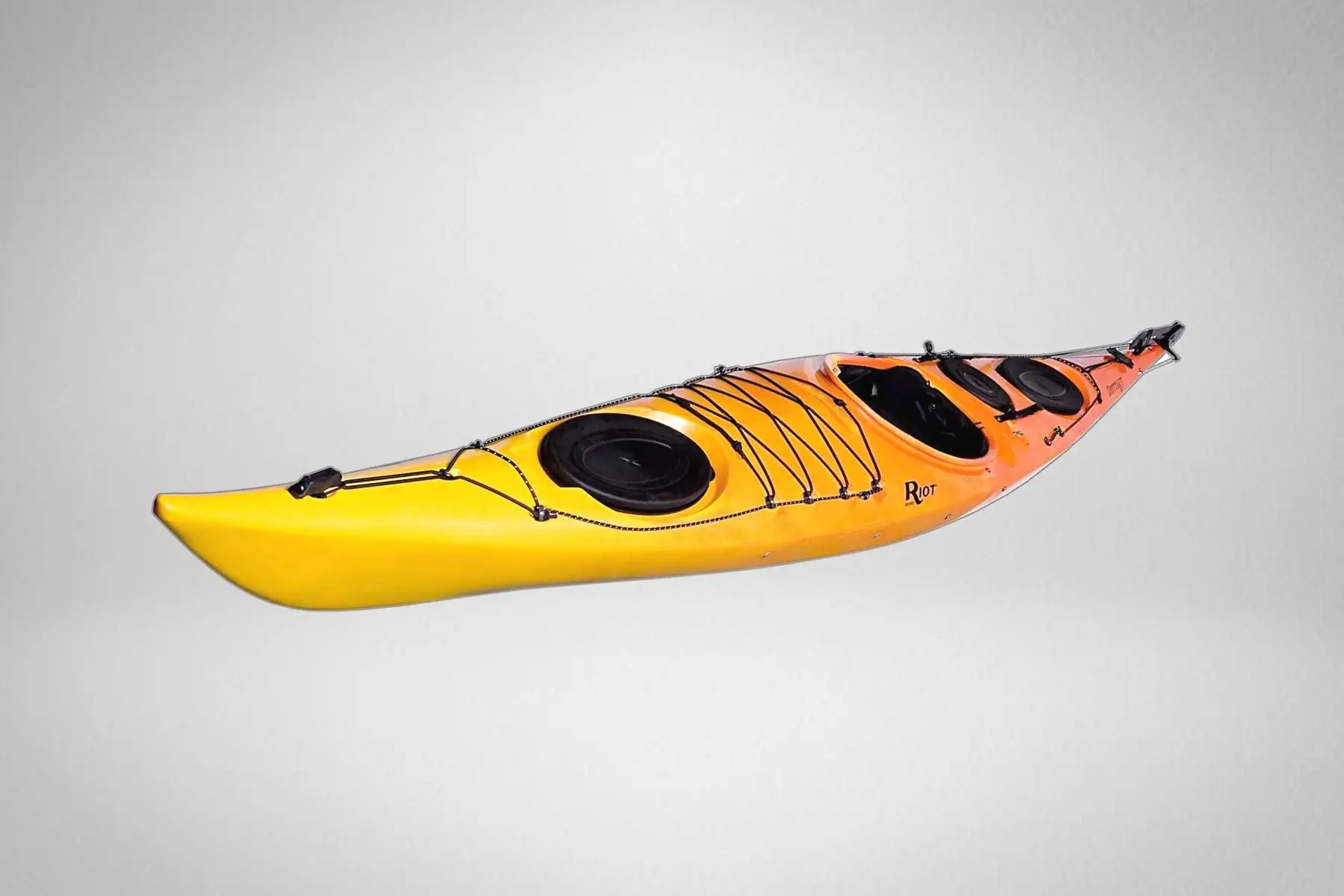
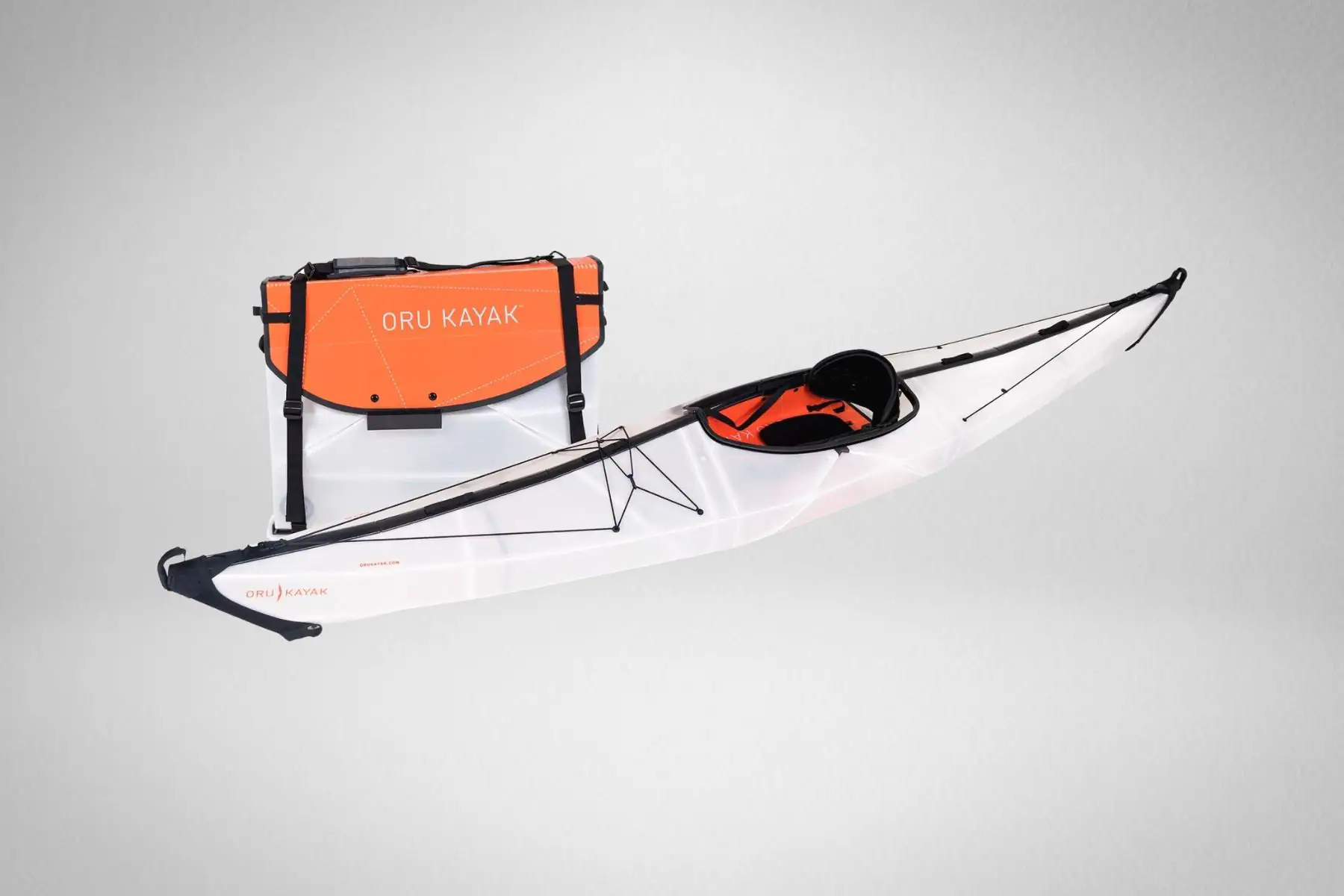
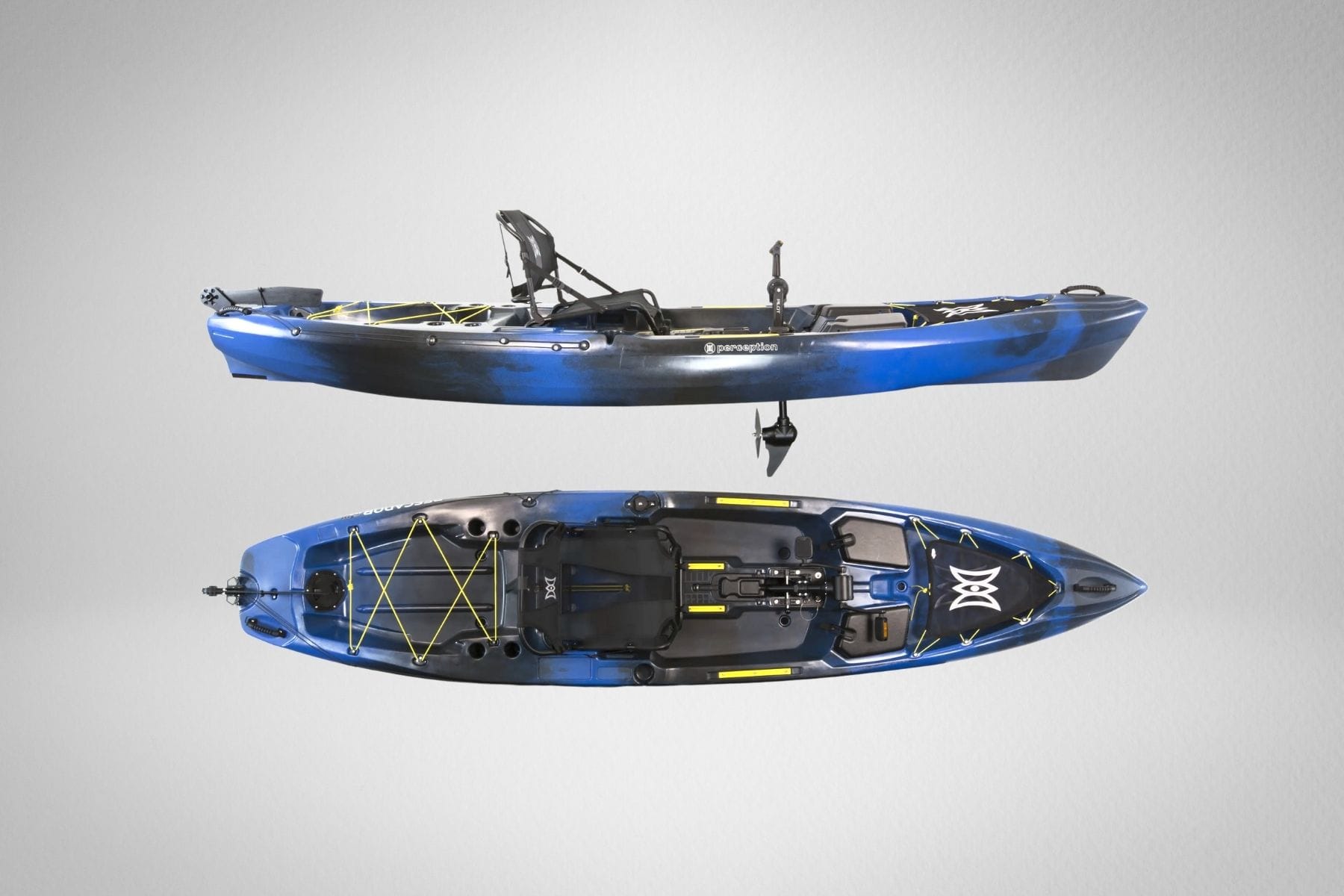
While some models are designed to provide you with the highest speed possible, others are aiming at making you comfortable enough to kayak all day long. Depending on the priorities you set for your ocean kayak, one model will be a clear winner, whereas the other will be a definite loser.
It’s is, therefore, important to analyze features like stability levels, construction quality, the shape, length and width of the boat, and the cockpit style. This way you will find out what can be compromised and what is non-negotiable for you.
There are two types of stabilities at the base of every kayak examination: primary and secondary stability. The primary stability measures the watercraft’s stability in the resting state when in the flat waters, while the secondary stability measures its ability to stay put when tipped on one side. A good-quality ocean kayak needs to have great secondary stability so that it stays afloat in the wild ocean waters.
When choosing between the materials, you will find the majority of kayaks are built from either fiberglass, polyethylene, wood, or a combination of them. Those made from fiberglass are typically the most expensive due to their low weight and high strength, while those crafted from polyethylene are the cheapest. Kayaks made from wood are generally harder to find and are often custom made, which drives their prices up. The optimal choice for the general public is composite (mixed materials with epoxy layers) or polyethylene kayaks.
The factor affecting the stability of your kayak the most is its shape. While round-shaped kayaks work best in flat waters, v-shaped kayaks are perfect for ocean waters. There is the possibility for a round kayak to tip over, which is why it’s not the preferred option for those planning on kayaking mainly in the wild ocean. V-shaped models, on the other hand, are built to withstand strong currents and are generally easier to navigate.
Because you need sharp gear when drifting through the waves, your ocean kayak will most likely be longer than other types of kayaks. We recommend choosing the model that exceeds 11 feet in length for that desired speed and maneuverability. As for the width, ocean kayaks greater than 19 inches are generally the safest way to go. This width will decrease the likelihood of you falling into the ocean, which is particularly common for beginners.
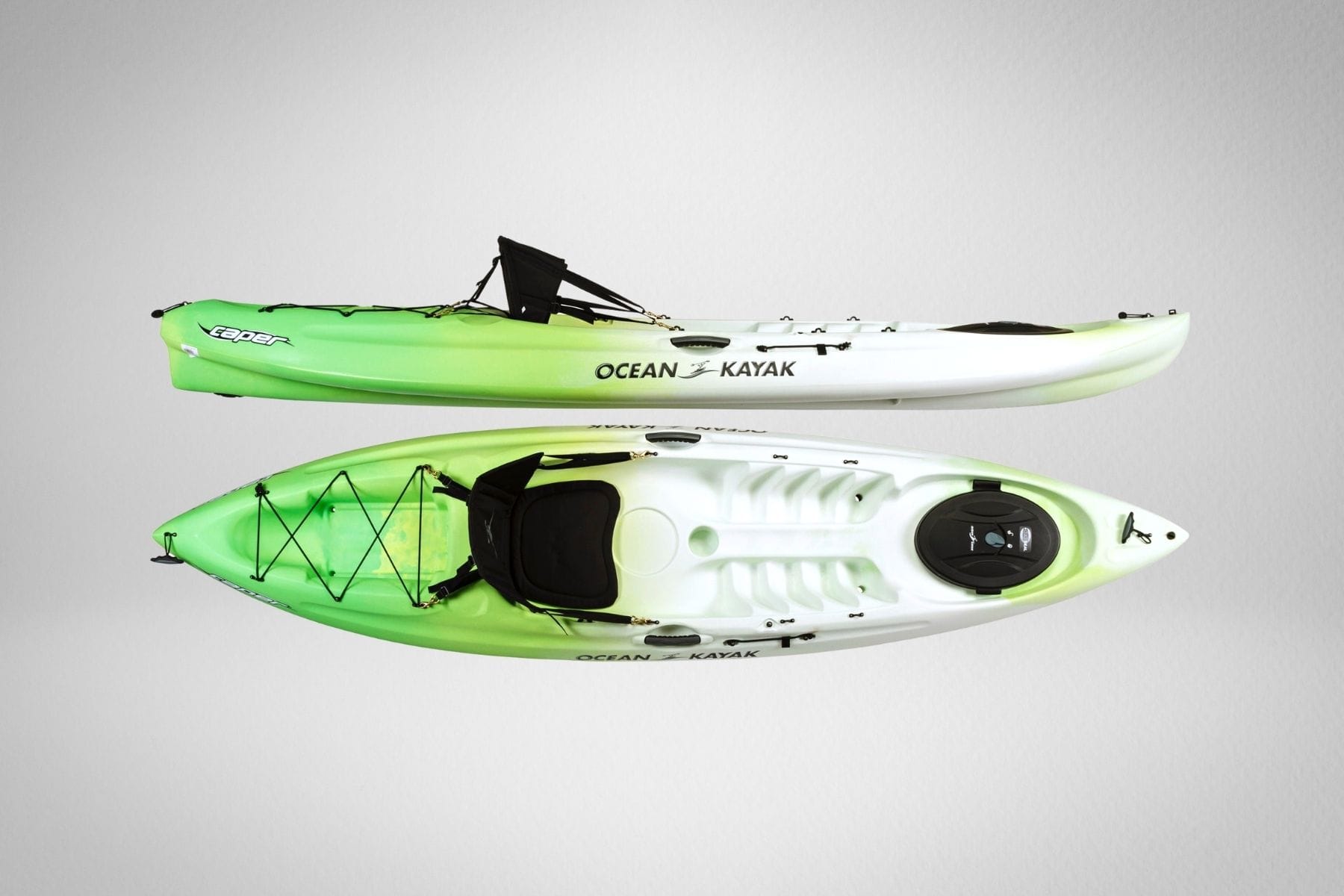
The cockpits that involve sit-on-top designs have to be left for lakes and fishing purposes. The preferred cockpit design for ocean waters includes the relatively tight space that holds you in and doesn’t restrict your movements. You don’t want ocean water to enter your watercraft and weigh it down, so go for the kayak with a cockpit that will allow you to easily paddle through the waves.
2. Do I have to carry a life jacket with me?
Although safety regulations tend to vary from one location to another, it is recommended that you wear a life jacket when kayaking in the ocean. It can be any other inflatable device that will keep you afloat in case of an emergency, but it has to be with you at all times. If you are not wearing it, make sure it is stored in your deck or in the rear bungee cord storage space for those ‘just in case’ situations.
If you are a beginner, it should be a no-brainer for you to be wearing a life vest when kayaking in the ocean. You never know how stormy it might get, and it’s generally better to be safe than sorry when it comes to water sports.
3. How do I stay safe when kayaking in the ocean?
Besides having a kayak life vest on the board with you, there are a couple of other safety precautions to take when venturing out in the wilderness. Getting to know your kayak and checking the weather conditions before departing on a kayaking trip constitutes a part of the pre-departure preparations. For instance, it is generally not recommended to go kayaking when the water temperature of the ocean drops below 32 degrees Fahrenheit (unless you are a kayaking professional with excellent knowledge of your surroundings).
You have to educate yourself on the ocean currents and tides before you go kayaking in the ocean. The last thing you want to happen is for the waves to pull you away, without any idea what to do to get safely back to shore. For the same reason, you might want to kayak within swimming distance to the shore. It’s always a safer choice not to go too far, especially if the weather seems to be changing frequently throughout the day.
4. How do I anchor an ocean kayak?
You might want to anchor your kayak in the middle of your trip, and to do so you will need a combination of an anchor, an anchor line, and a foam float. First, you will have to attach the 50-100 feet anchor line to the anchor and place the foam float on the opposite side of the line. Second, make sure the flukes are open and cast away from the gear.
Once nothing stands in your way to anchor the kayak, let the construction you just built sink to the bottom of the ocean. Secure the line by tugging onto it and tying it to the kayak. Kayak experts recommend making a figure 8 pattern for maximum security.
5. Is it hard to kayak in the ocean?
Ocean and waves go hand in hand, which means that you will have to deal with some ‘obstacles’ when kayaking in the ocean. Since ocean kayaks are designed to withstand stormy weather and windy conditions, you shouldn’t have trouble navigating in the water even when it gets rough (and it will get rough).
You have to be prepared to handle waves under 3 feet as it can be difficult for a beginner. To take some precautionary measures, feel free to bring a helmet with you for the scenario when the big waves capsize your boat.
Now that you know what makes an ocean kayak worthy of buying, it is your turn to make the final decision. Which models will you narrow down your search to, and which ocean kayak will be a winner?
If you already have an ocean kayak or you just bought one, leave a comment in the comment section below and share your experience with it.