Sea Touring Kayak Buying Guide
There are so many styles and models of sea touring kayaks on the market to consider when choosing the best and most appropriate kayak for your individual needs.
To begin with, let’s make the distinction between a sea and a touring kayak?
This is a tough question to answer, because all touring kayaks can be paddled on lakes, rivers, and the open ocean. There are, however, a number of features that make a touring kayak more suited to the sea:
- Steering
- Bow design
- Durability
- Stability
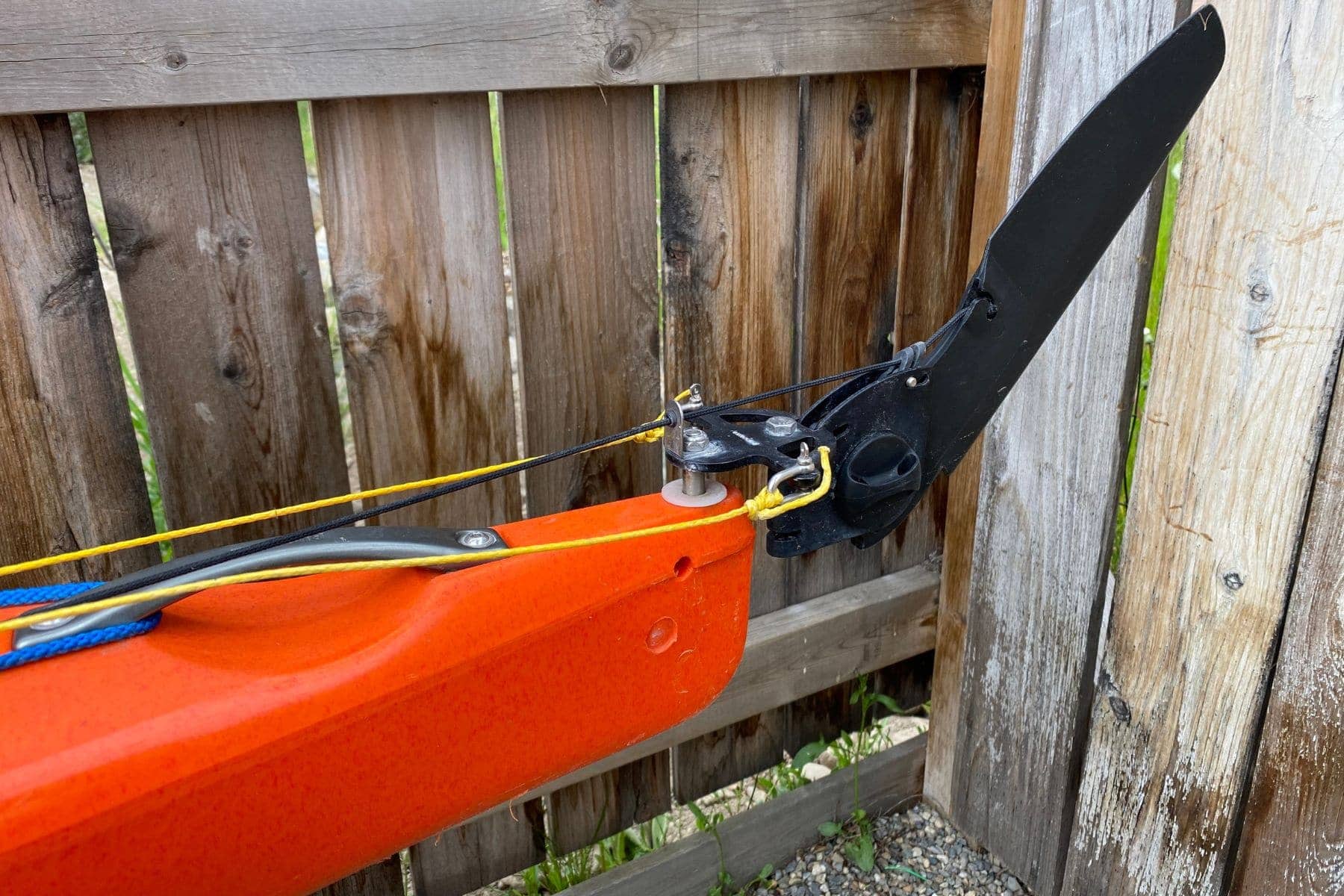
A sea touring kayak will be fitted with a skeg, rudder, or skudder system to enable the boat to track in windy and choppy conditions. Because the wind can blow faster and build up larger waves in the ocean than on lakes and rivers, sea touring kayaks must be designed to prevent weather cocking (the tendency to turn into or away from oncoming wind and waves).
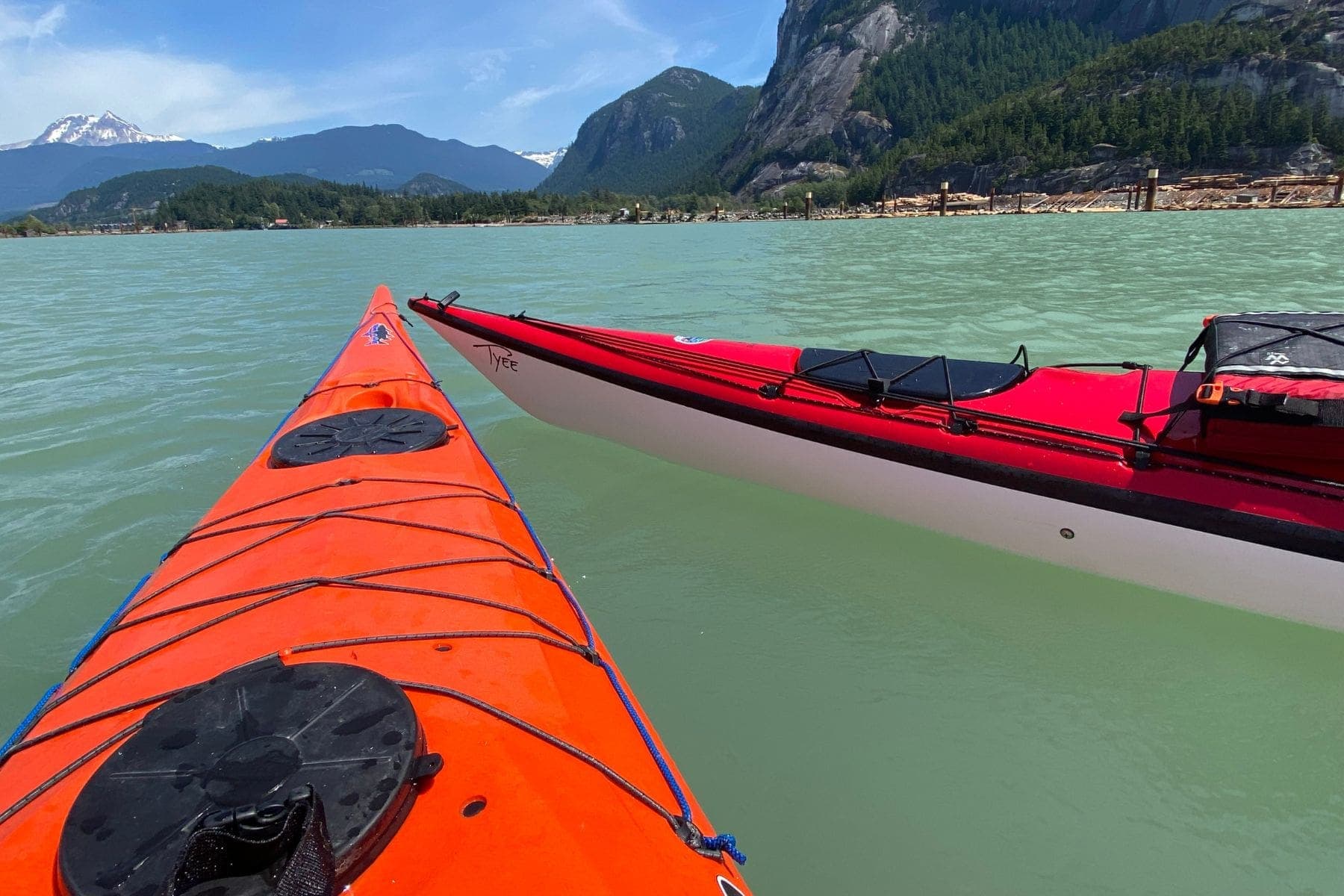
Another design feature specific to sea kayaks is the bow of the boat. If the kayak has a knifing bow, is it designed to slice cleanly through waves without throwing spray. These low bows are advantageous because they are less affected by wind.
A lifting bow climbs over waves rather than going through them. These bows have additional buoyancy and volume to provide lift as the bow begins to get buried in a wave. Touring kayaks with a lifting bow sometimes have a more rockered hull, which enables them to lift and be maneuverer through waves more easily.
Durability is a factor when you’re paddling in the open ocean too because you’re more likely to be battered by big waves and pushed onto shore into sharp rocks and debris. A fiber composite boat or a roto-molded kayak may be better suited to rougher sea conditions than a thermoformed kayak.
Stability refers to a boat’s resistance to capsizing. A touring kayak with greater primary stability generally has a flatter hull and is quite resistant to rocking. Primary stability means a paddler will feel more stable initially, but a kayak with high primary stability may capsize very suddenly once its initial resistance to capsizing is overcome by edging the kayak past a certain lean angle.
Secondary stability is a feature of more sea touring kayaks because kayaks with greater secondary stability can lean a lot further and will fight the urge to capsize. Although kayaks with high secondary stability may feel tippy at first, the design causes the kayak to want to return to an upright position even when leaned or edged all the way on its side.
As mentioned above, it’s critical to consider the questions that start with: where, what, and who. Where you’ll be predominantly paddling (open ocean versus protected waterways), what kind of trips will you be doing (day trips, light touring or expeditions), and who is the paddler (experience level and body weight or size).
There are also practical factors to consider like the availability of boats in your region, and a host of design factors and characteristics of the kayak itself including:
- Materials
- Length, Width, and Size
- Skegs, Rudders, or Skudders
- Storage & Weight Capacity
- Chines
Your budget will also weigh into the equation.
This guide covers the most common questions that beginners to kayaking have and provides a good idea of what to look for when purchasing a sea kayak for touring.
Materials:
What your sea kayak is made from will determine the following factors:
- Cost
- Weight
- Durability
- Speed
- Lifespan
The most common materials used to build sea touring kayaks are:
- Fiber composite laminates (fiberglass or Kevlar)
- Polyethylene (used for most roto-molded boats)
- ABS (a thermoplastic polymer used in most thermoformed kayaks)
fiber Composite:
Fiber composite is used in the majority of hardshell kayak hulls today. Kevlar can be combined with fiberglass to produce a lighter sea touring kayak. But kayaks made purely from Kevlar are generally only used for racing because they have poor compressive strength and can be punctured easily.
Fiber composite boats are lightweight and durable, easy to repair, glide faster through the water than plastic boats, and have a longer lifespan. They also lend themselves to having sharper shapes and edges for tracking and stability.
Fiberglass and Kevlar sea touring kayaks are a lot more expensive than their plastic counterparts. Although incredibly durable, care must be taken with these kayaks as they can crack if dropped or crashed against hard rocks, where a plastic boat would bounce off more easily.
A fiber composite boat is better suited to an intermediate to experienced paddler. A novice paddler could easily paddle a fiberglass boat, but for an entry-level paddler looking to get into the sport who isn’t concerned with performance and weight, a plastic boat is going to be more forgiving with bumps and bruises and a lot lighter on your wallet.
Polyethylene:
Polyethylene is a tough plastic that can take a lot of punishment and rebound off rocks where a fiberglass boat may crack. Polyethylene is commonly used in roto-molded boats where the plastic is heated to its melting point and then spun in a mold.
Polyethylene boats are incredibly tough. They are less expensive than their fiber composite counterparts but also have a shorter lifespan because they degrade with UV exposure and are susceptible to wear and tear. When the hull gets scratched along rocks and sharp objects, parts of the plastic can begin to peel off.
Polyethylene boats are also prone to something called oil canning. Kayak oil canning is when the hull develops an inward dent, usually caused by strapping the boat down too hard when transporting it on the roof of your car.
Fixing a kayak that has oil canning is possible with hot water, a hair dryer or, sometimes, sunlight (depending on the climate) and patience. Used yaks can be bought for less money then subsequently fixed!
Both fraying of the plastic on the hull and oil canning will reduce the speed and performance of the boat. It’s also important to keep in mind that plastic boats are more difficult to repair at home than a fiberglass boat.
Polyethylene boats might be heavy, but they’re fantastic for entry-level paddlers who are less concerned with speed and performance. They’re affordable boats that can handle a lot of abuse being dragged up the beach or bumped against rocks without major concerns of damage.
A polyethylene boat won’t last as long as a fiber composite boat, but you’re more likely to want to upgrade to a new sea touring kayak before you need to retire your polyethylene yak.
ABS (Acrylonitrile Butadiene Styrene):
ABS is a thermoplastic polymer used in thermoformed kayaks. A Solarkote outer layer is also used to provide UV protection and gives the boat a shiny finish, similar to a fiber composite boat.
Thermo-forming involves laying a sheet of plastic over a mold and then sucking the air out from inside the mold. Unlike roto-molded kayaks, thermoformed boats are created in two halves like a fiber composite kayak and then sealed together with adhesive along the center seam.
Thermoforming is a more expensive process than other plastic assembly methods, but it creates a product that is much lighter than a roto-molded, kayak. The high-gloss finish also resembles a fiber composite boat and will glide through the water with greater ease than a polyethylene boat.
Like polyethylene boats, repairs on thermoformed kayaks are more difficult than fiber composites. Although tough, boats made from ABS are more prone to flexing than a roto-molded or fiber composite boat. They are, however, much less expensive than a fiber composite boat and will perform much the same.
Thermoformed boats constructed with ABS are a fantastic cost-effective option for someone looking for the performance of a fiber composite boat, without having to spend thousands of dollars. Thermoformed boats are fantastic for solo paddlers to transport too because they’re so lightweight.
Thermoformed sea touring kayaks are a great option for beginner to advanced-level paddlers who are looking at doing lighter-multiday trips. For longer expeditions, a more experienced paddler might choose a fiber composite kayak for its durability and ability to be repaired on the fly.
Length, Width, and Size:
Length:
The length of a sea touring kayak will determine how fast the boat moves through the water as well as how maneuverable the boat is. Generally, the longer the LWL (length Water Line), the faster and more efficiently the sea touring kayak will move through the water.
Longer boats are more difficult to maneuver than a short, tubby kayak. But longer boats will track (remain in a straight line) better than a shorter boat. Longer boats also provide a greater storage area in the hatches to stow your belongings for overnight and multiday trips.
A paddler who is planning on short overnight trips and isn’t concerned about speed may choose a shorter touring or recreational kayak between 12’-15’ long.
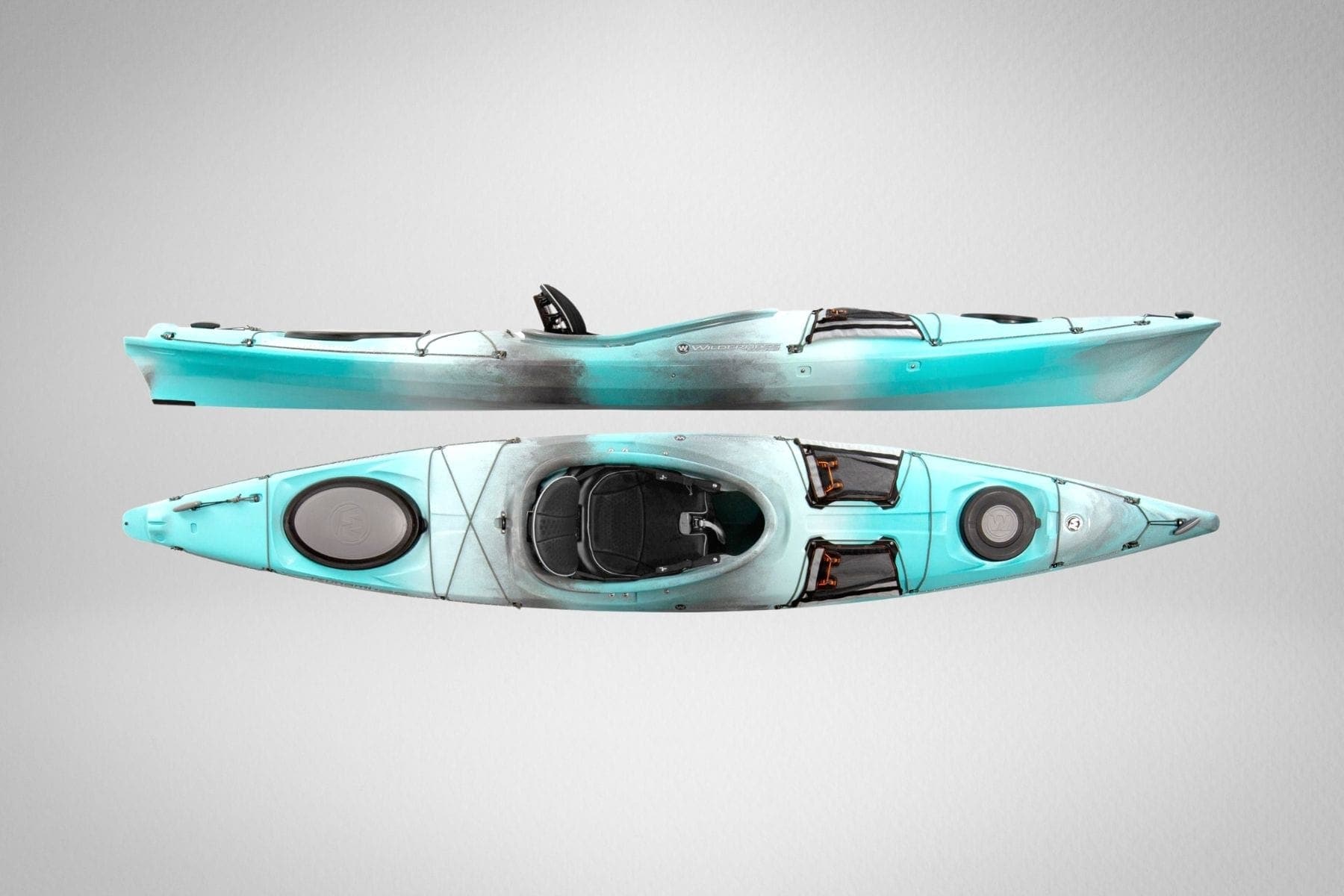
The Samba, Castine and Stratos are good examples of boats that are better suited for shorter trips.
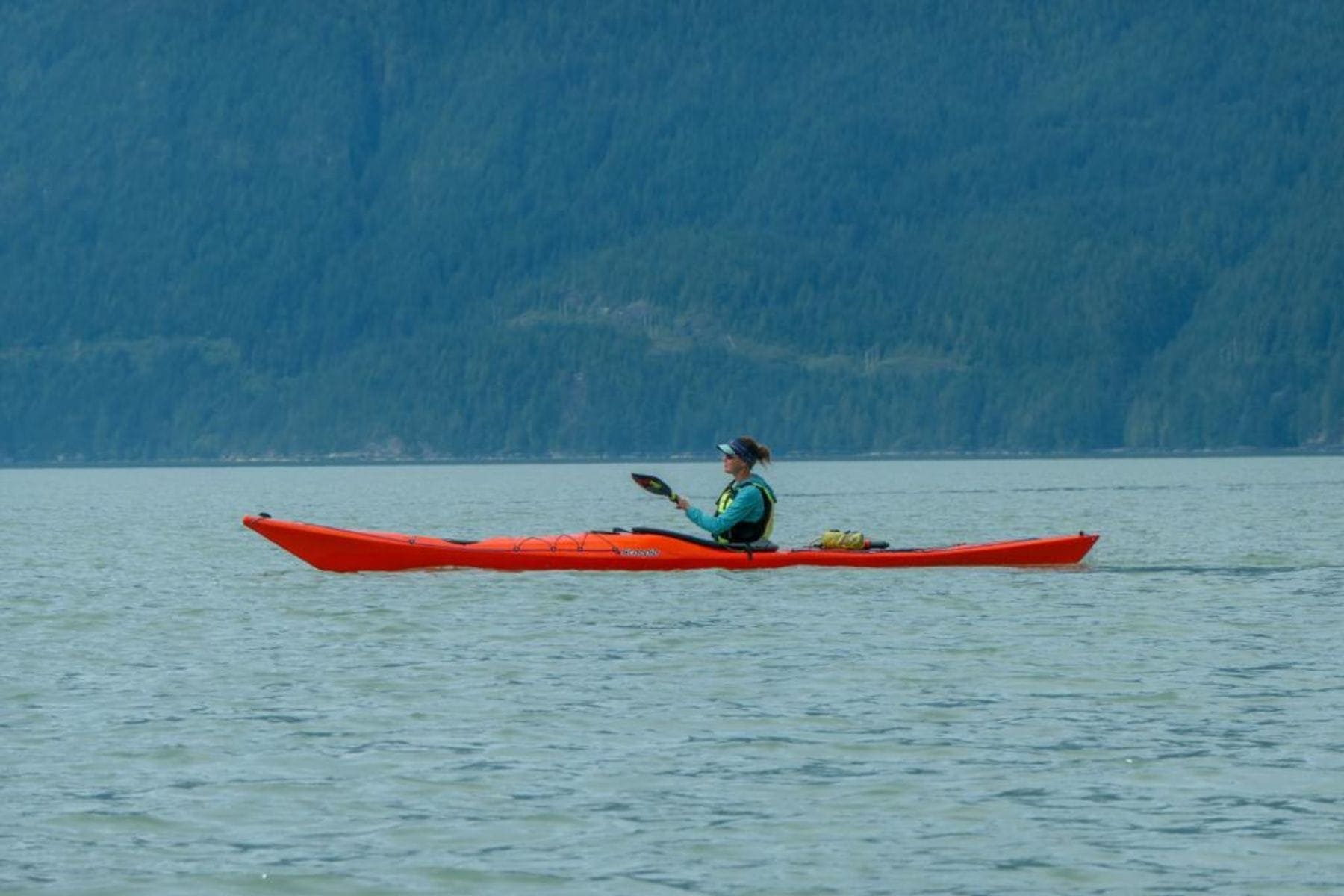
A more experienced paddler looking to go on longer multi-day trips or expeditions would likely be looking for a sea touring kayak that is 17’ or longer.
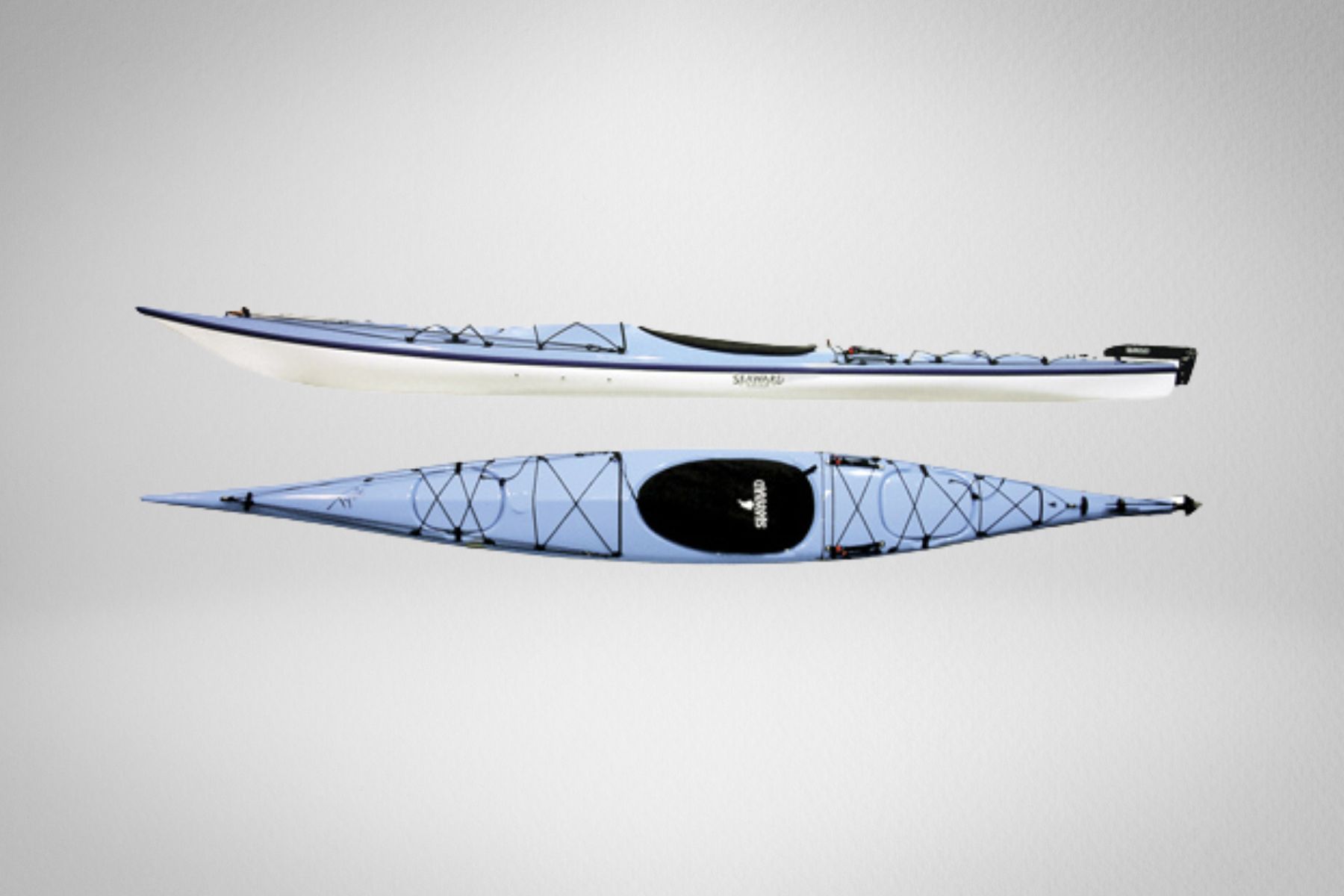
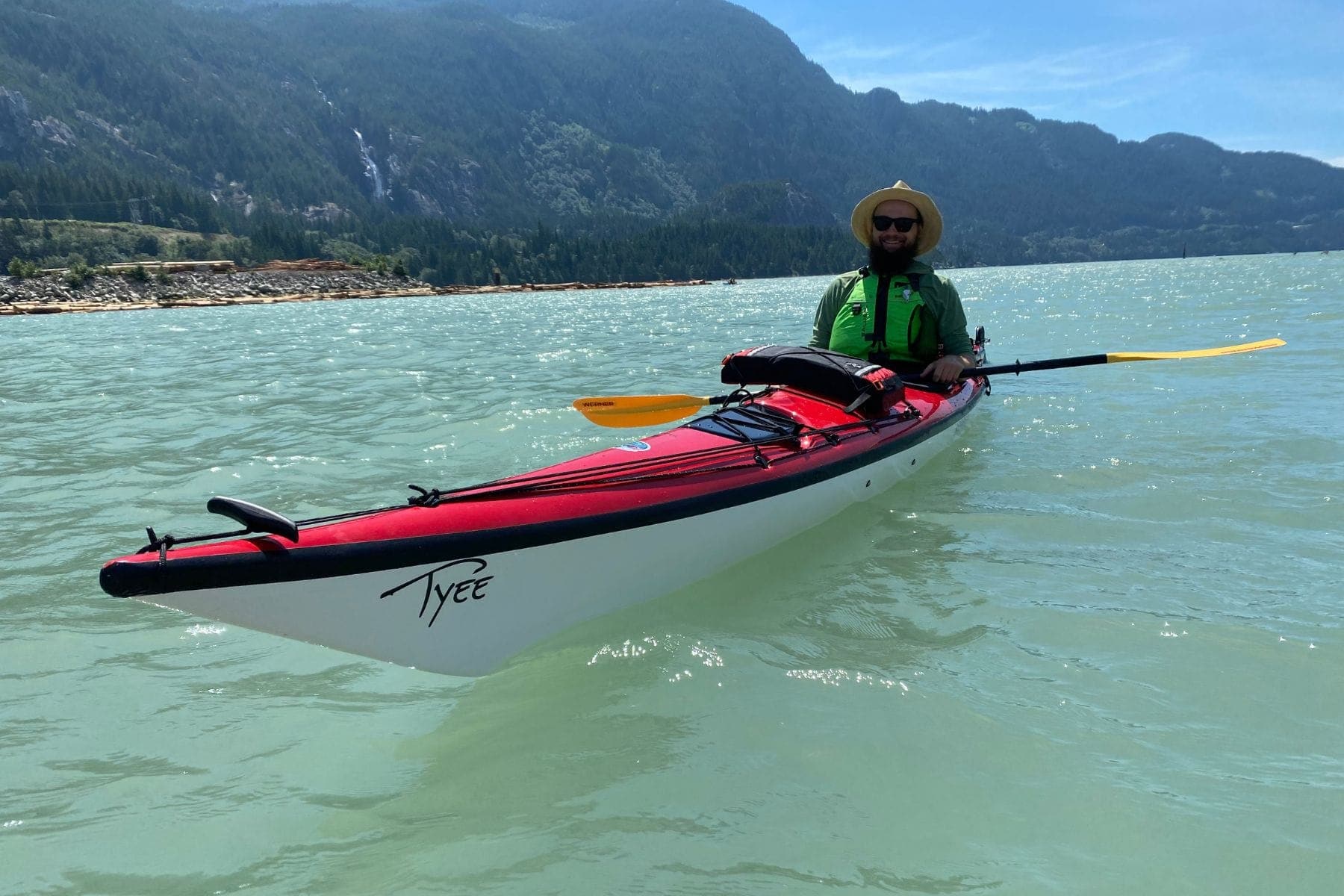
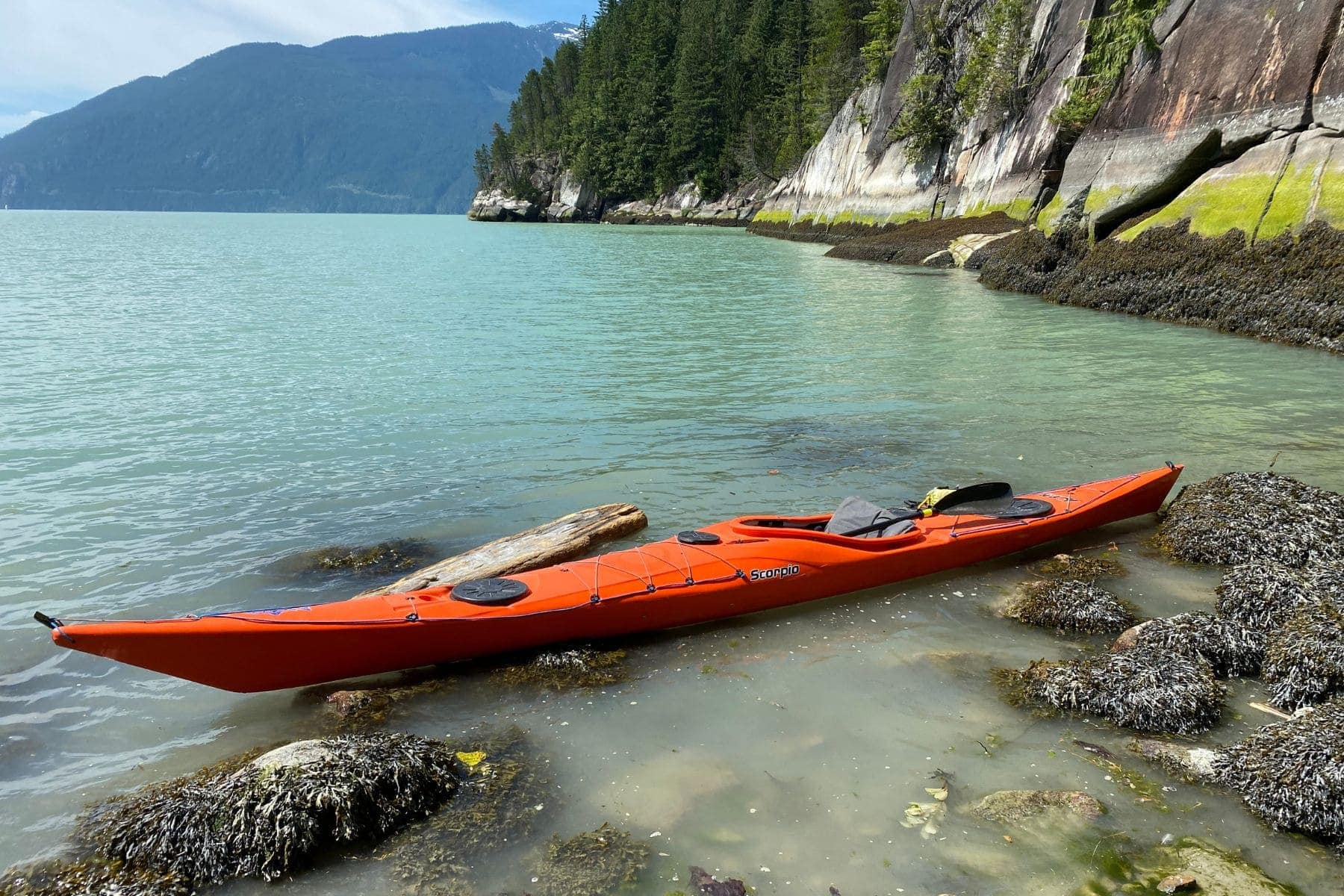
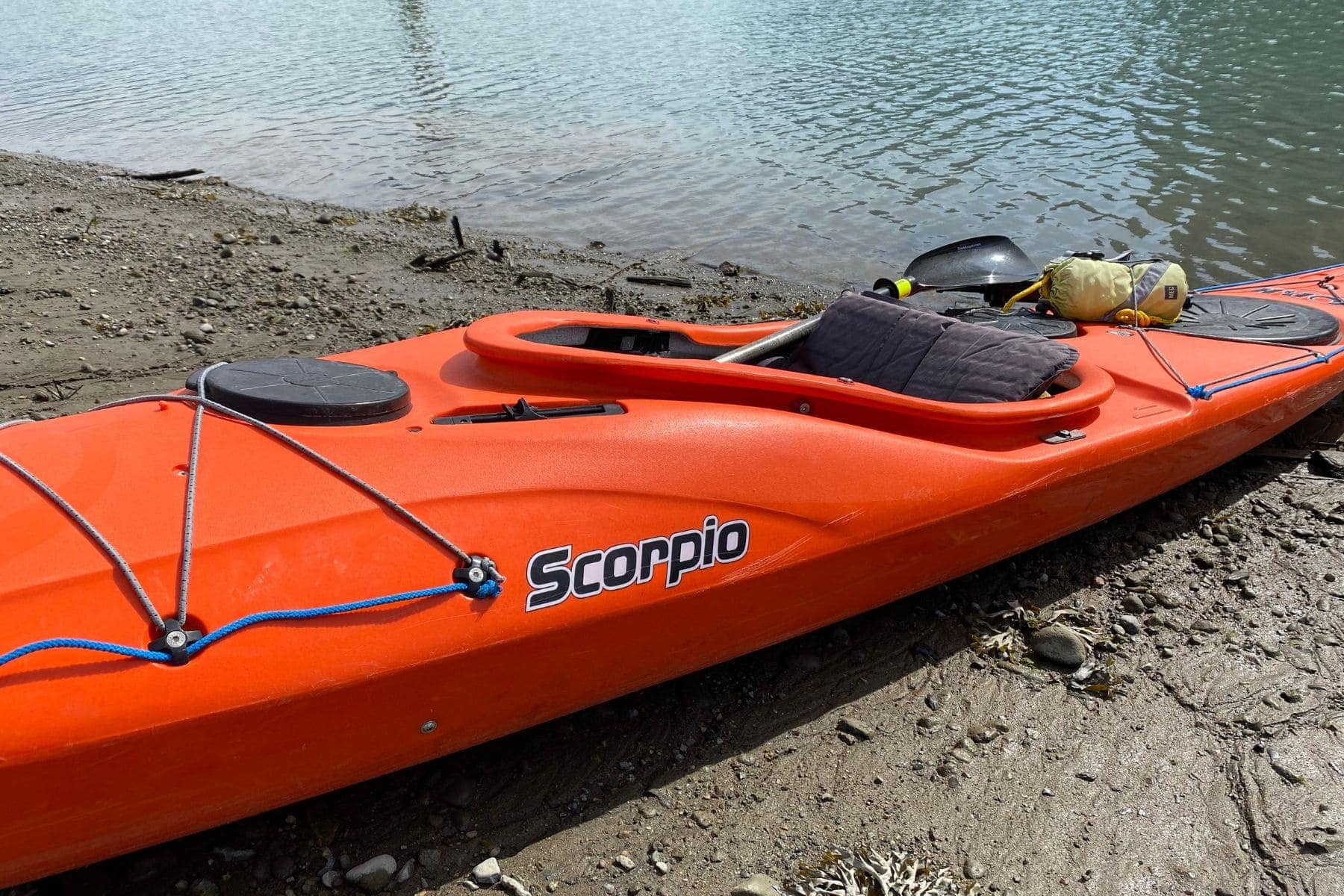
The Tyee, Scorpio and Valkyrie are examples of touring kayaks for extended expeditions.
Width:
The width of a sea touring kayak will determine how stable the boat is. The wider the boat, the more stable it will be. Stability is important, especially for those new to kayak touring, but the wider the boat is, the harder and slower it will be to paddle. This is because it’s more challenging to get your paddle vertical into the water for a more efficient paddle stroke.
A beginner paddler who isn’t concerned with speed may choose a wider boat for greater stability, while a more experienced paddler may choose a more narrow boat for greater speed and performance.
Size:
The size of the boat generally refers to the size of the cockpit, but will also determine the length and width of certain touring kayaks. Some companies will have SV, MV, or LV (small, medium, or large volume boats) of the same model to accommodate a range of paddler shapes and sizes. LV boats will have a larger cockpit, will be longer, and will have a greater load capacity than an SV kayak.
The competency level of the paddler is of no importance when it comes to the size of your boat. What’s important is that the kayak ‘fits’ the paddler. The paddler should feel snug in the cockpit but not cramped. Equally, the paddler shouldn’t feel like they’re swimming in the cockpit.
A paddler should feel connected or as ‘one’ with the kayak when their knees are tucked beneath the thigh braces. This is vitally important when controlling and steering the boat in bigger water and when attempting to roll.
Skegs, Rudders, or Skudders:
Skegs:
Skegs are fins that are lowered into the water from a housing built in the rear compartment of the hull. The purpose of a skeg is to improve tracking so the kayak moves in as straight a line as possible. This can be particularly helpful in windy and choppy conditions.
Skegs do not move from side-to-side or aid the steering of a kayak like a rudder does. The advantage of a skeg is they produce less drag in the water than a rudder because they are positioned beneath the kayak.
The disadvantage of a skeg is that the paddler must use their hips to tilt the boat and steer, which is a skill developed by more experienced paddlers.
Rudders:
Rudders are similar to skegs in that their primary purpose is to keep the boat tracking in a straight line. Unlike a skeg, however, a rudder can swivel from side to side enabling the boat to steer left and right.
The advantage of having a rudder is greater control and maneuverability. The disadvantage is the drag it creates in the water and the fact that adding more moving parts to your boat means a greater likelihood of something breaking or malfunctioning.
Using a rudder may take an entry-level paddler more getting used to than a skeg. But once the initial learning curve has been accomplished, a rudder will give a beginner paddler greater control of their kayak.
Some sea touring kayaks will give you the option of an external rudder system or a skeg.
Skudders:
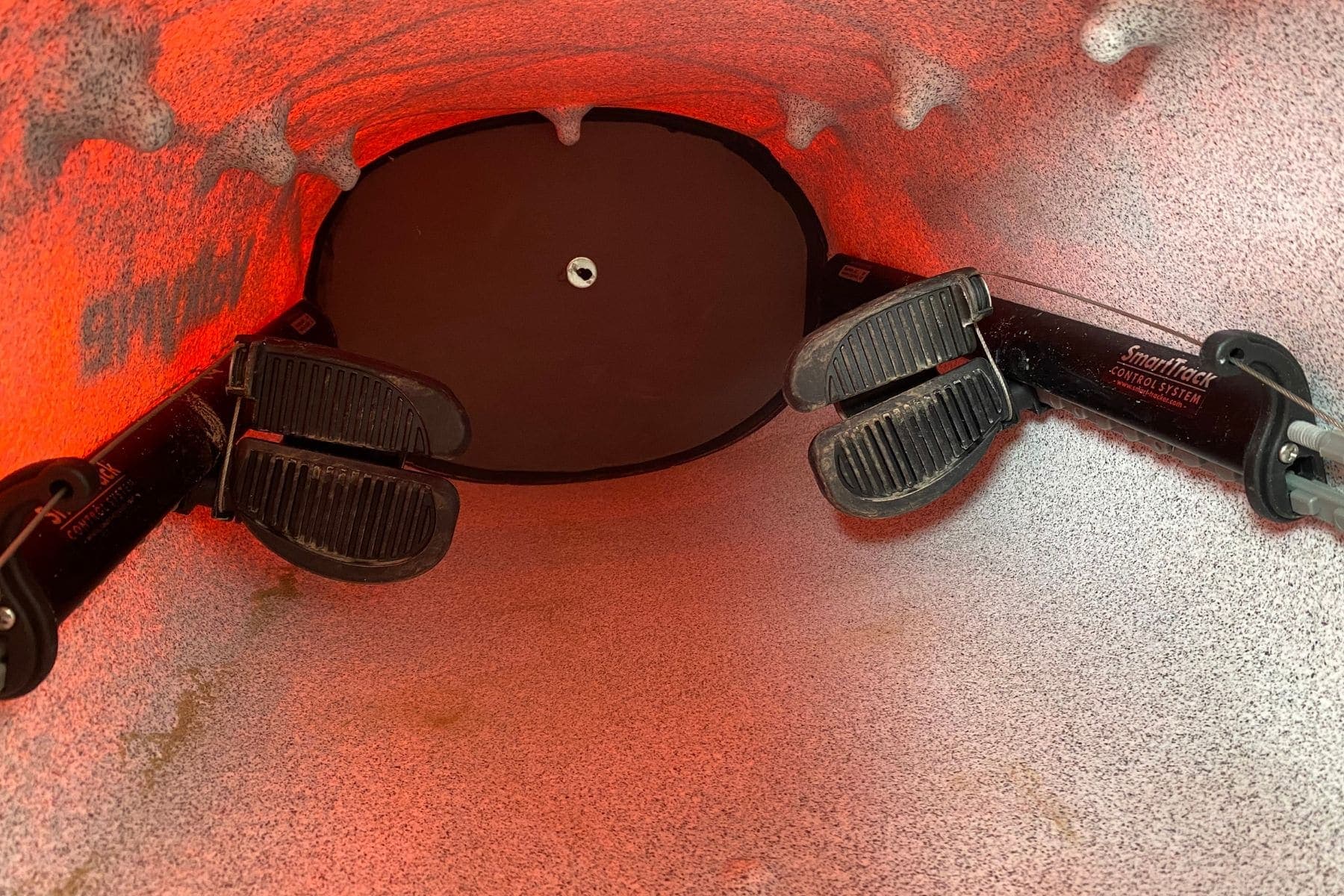
Between skegs and rudders are skudders, which are very similar to a skeg. A skudder will drop down from a slot in the hull at the rear of the kayak. The difference in a skudder is that it has the ability to swivel like a rudder, and is controlled with a SmartTrack or similar system using the foot pedals of the kayak.
The advantage of a skudder is that the paddler has greater control over their steering. The disadvantage with both skegs and skudders is that when stones or debris get caught in the slot, it prevents the fin from deploying and requires a fellow paddler to pull it out manually, or to get out of your boat to fix it.
Storage & Weight Capacity:
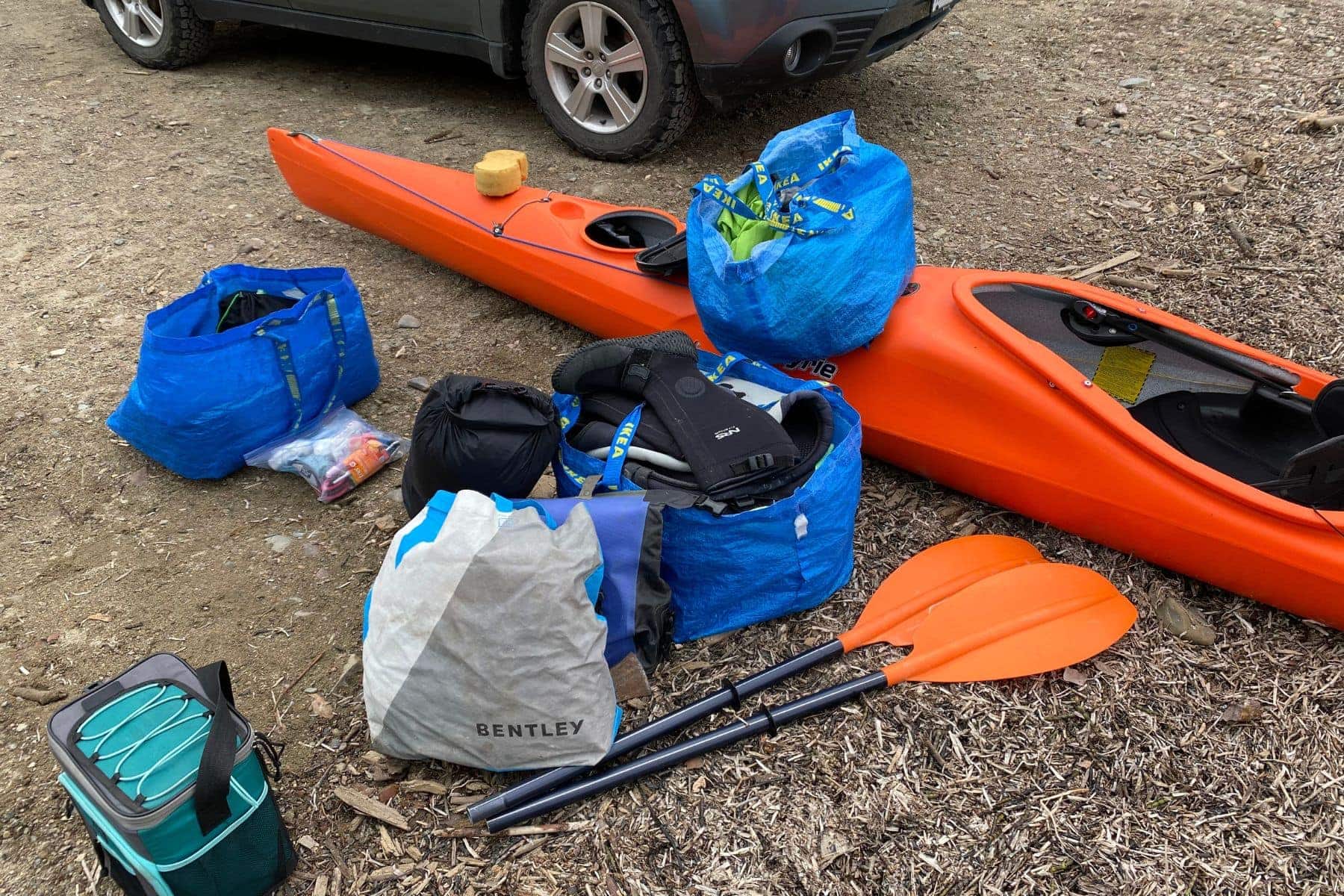
Storage and weight capacity are important considerations, especially if you’re planning on doing multi-day trips or expeditions. The larger the boat, the more storage capacity you’re going to have. But there are other factors in addition to the length or size of the boat that will determine your storage capacity.
For longer kayak camping, trips storage capacity will be a priority.
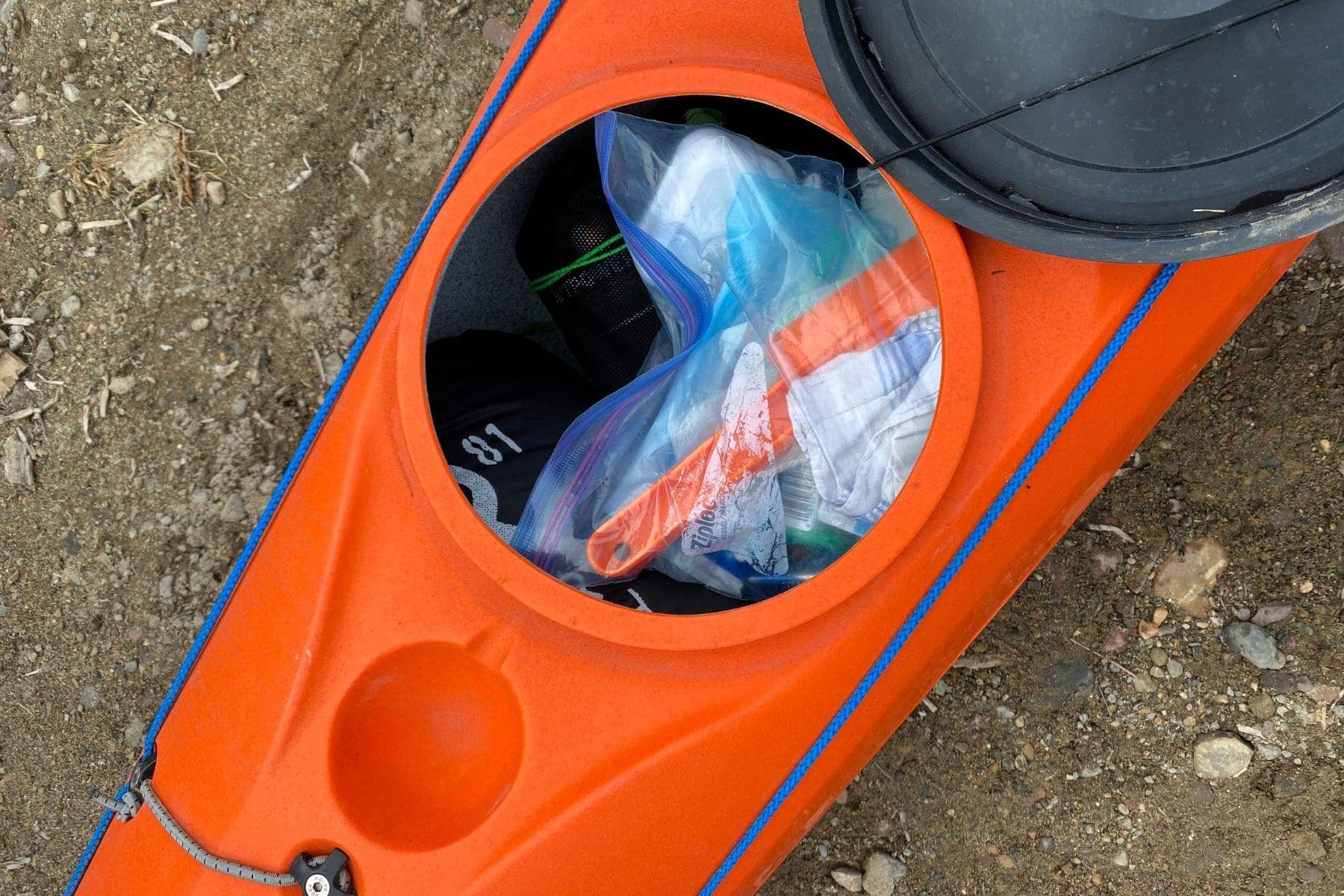
Each storage compartment or hatch in your boat is fitted with a bulkhead that separates the hatch from the cockpit or other hatches. Bulkheads not only add support to the structure of the boat, but they play a pivotal role in keeping your gear and equipment dry.
The more hatches or storage compartments in your boat, the more bulkheads you’ll have. More bulkheads mean less storage space, because bulkheads take up space, especially in plastic boats where the bulkheads are made from a very thick piece of hard foam. It’s nice to have multiple compartments to separate your gear, but in the end, multiple compartments equal less storage space.
Weight Capacity is also important, not just for the amount of gear you’re hauling, but also for the weight and size of the paddler. When you over-pack a kayak above its recommended capacity, the boat will sit a lot lower in the water than intended. Heavier yaks can lead to water leaking into the cockpit and the boat will not perform as well as it should.
It’s unlikely you’ll ever sink your boat if you overfill it, but I’ve seen first-hand how a low and overloaded boat sits in the water. In anything other than flat, glassy conditions, water will inevitably seep into an overloaded kayak’s cockpit, even when wearing a spray skirt.
Chines:
Chines may not be a major deciding factor when purchasing a sea touring kayak, but because they determine the stability and maneuverability of a kayak, it’s worth understanding what they are.
Chines define the transition of the bottom of the hull to the sidewall. Chines are important because they dictate whether the boat has good primary or secondary stability, and how easy it is to get the boat on edge.
Soft Chine:
A kayak with a soft chine will be formed by a smooth, rounded arc from the keel line to the sidewall. Soft chines provide excellent secondary stability, which means they may feel a little tippy at first but are able to be leaned on the edge with less danger of capsizing. Soft chine designs are also great for rough seas and moving efficiently through the water.
Hard Chine:
A hard chine is a sharp curve at the lower edge of the sides approaching a right angle. A hard chine is designed to hold the boat on edge at a specific degree, which is harder to do in a soft chine boat.
Yaks with hard chines are good for calmer waters. The Eddyline Samba is one such example.
Multiple Chine:
Kayaks may be designed with multiple chines, which enables the paddler to edge the boat at varying degrees. Most hard chine boats with flatter hulls will have excellent primary stability, which means the boat feels incredibly stable when paddling in flat water.
If the kayak is edged correctly using a hard chine design, the boat will also feel very stable. But once the kayak has been pushed passed its edge, it will flip more easily than a soft chine design which is easier to correct.
Budget:
As mentioned above, the cost of a sea touring kayak will be determined by its construction and level of performance. A fiber composite kayak is going to cost more than polyethylene or thermoformed kayaks made from ABS.
Longer boats with greater storage capacity that are built for expeditions will also cost a lot more than a day touring or light-touring kayak. The Scorpio from P & H Kayaks might run up to $4000 for example.
The key is determining what you’re going to use the kayak for, where you’re going to paddle it, and assessing your skill level.
If money is not an issue, it doesn’t mean that buying the most expensive boat is going to match you with the best boat. If you’re looking for a lighter boat, you might want to consider a thermoformed boat that isn’t too long but still has enough storage space to fit all your gear.
If you’re looking for a fast boat you might choose a more narrow boat with less storage space.
If you’re looking for a boat with longevity that you can repair yourself, you may need to consider a fiberglass boat.
Price should not determine the touring kayak that is right for you, but once you have a list of the characteristics you want in a boat, you can then search out the most cost effective option with those options available to you.
Entry-level, light touring kayaks can cost you anywhere from $400 – $2000 USD depending on their construction and features. A more advanced expedition kayak is more likely to cost between $2000 – $4000 USD.