Guide to Finding the Best Sit on Top Kayak
Sit on top kayaks are perfect for recreational kayaking as well as for beginners to the sport. Kayaking has been practiced recreationally for around 4000 years and is one of the most popular outdoor water sports. It allows you to get out onto lakes, rivers, and coastal areas in order to explore and adventure into the heart of nature.
If you’ve decided to get a sit on top kayak as opposed to a sit in kayak (one with a cockpit) then you have done so for specific reasons. Maybe you want to be able to hop out and swim around and be able to get up in it again; perhaps you want to use it for fishing, packing a lot gear and having easy access to it either in front or aft cargo wells; or maybe you want a kayak that is versatile enough to serve all purposes at once.
A sit on top kayak is extremely stable and versatile. While some more experienced kayakers will use them for fishing in the ocean, they don’t withstand waves as well sea kayaks. Sit on top kayaks are best for recreational use on flat water due to their performance attributes. That said, here are the main factors to consider when purchasing a sit on top kayak.
Quick Kayak Safety
Unless you’ve tried kayaking before, you’re going to need to take some simple to maximize your fun by minimizing the potential mishaps that can happen. Start by having a life vest. Kayaking life vests tend to be smaller so they don’t hinder your paddling movements. It also means they don’t get in the way as much, so get one!
Have a buddy with you when you plan on going out for a while or for a longer tour. That’s especially relevant if the water you’ll be kayaking on isn’t calm.
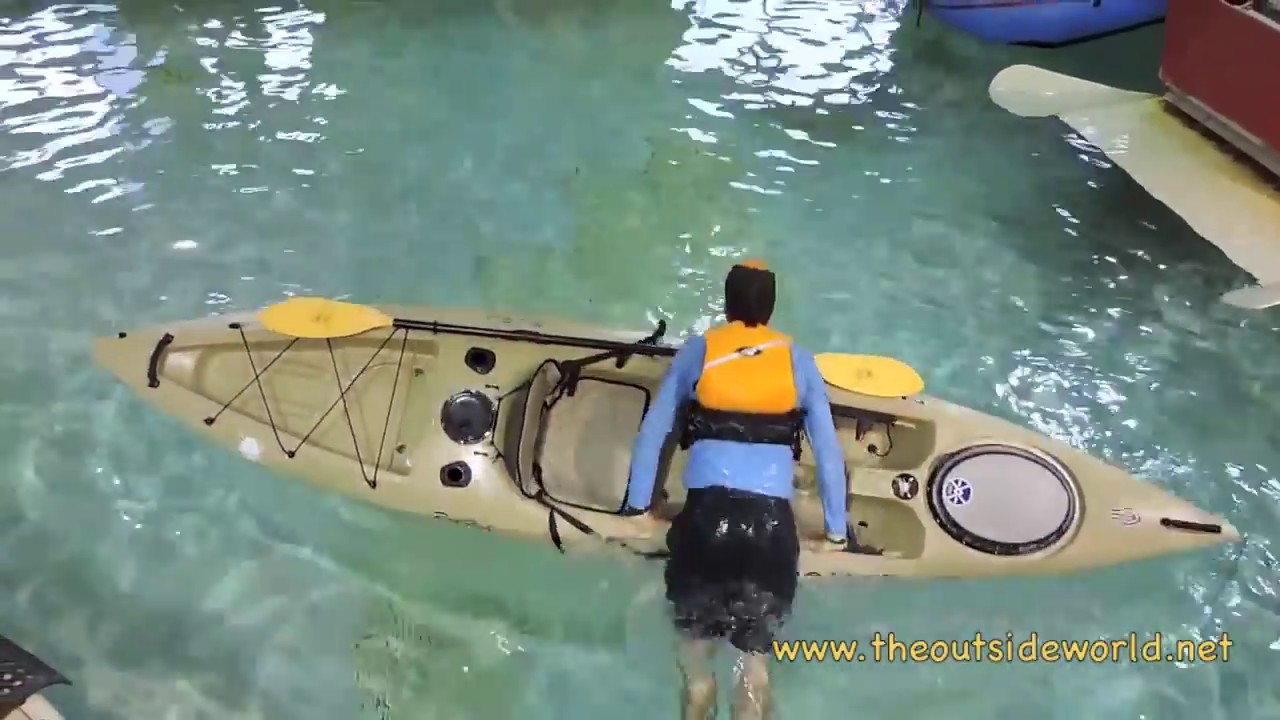
If your kayak does tip, you can easily get in it again, especially if it’s a sit on top kayak. Check out this how to re enter a kayak video:
Stay out of the way of motor boats and generally out of typical crossings for other vessels. In the beginning of your kayaking career, it makes sense to stick close to the coast line.
Consider a VHF radio if you’re going far. In the case of an emergency–even if it’s not your own–it makes sense to be able to hail assistance from other boaters or the coast guard.
Bring something to drink and remember your sunscreen!
Material
The materials used in the construction of sit on top kayaks impact the kayaks performance and durability. In general, the materials used to construct sit on top kayaks are Polyethylene and ABS.
Polyethylene is the most commonly used material for sit on top kayaks and is a favorite of many for a few good reasons. It’s flexible, relatively abrasion-resistant, and affordable. That said, this material is susceptible to UV damage, which means that you have to store it in a dark space with a minimum amount of sunlight. More durable kayaks are made from either high-density polyethylene, dual layer polyethylene or blow-molded polyethylene.
ABS, or Acrylonitrile Butadiene Styrene is a thermoplastic polymer that is an upgrade from polyethylene in terms of UV protection and has slightly better longevity. It’s also more lightweight and, as expected, more expensive. An example of ABS is the Pelican Sentinel’s RAM-X material.
Length
When choosing the length of the sit on top kayak you’d be most comfortable with, you have to keep the following in mind:
Kayaks with more than 10’ of length are the most efficient when kayaking for speed, while those with less than 10’ in length are the easiest to maneuver and carry in and out of water.
For more speed = Kayaks more than 10 feet long
For more maneuverability = Kayaks less than 10 feet long
The beam of your kayak is also something you have to consider before purchasing a sea kayak. The beam is the point of any vessel, usually at its mid-point, that is widest. It should be wide enough to withstand the wildest waves and thin enough to maintain the kayak’s speed.
A beam that is too wide can cause your kayak to tip, meaning that kayaks with an average-sized beam are the safest choice.
Weight Capacity
When choosing what sit on top kayak to invest in, consider the amount of weight it’s able to withstand. This is particularly important if you’re thinking about bringing a lot of gear on board.
It’s recommended to pick a kayak that has a higher weight capacity so that you don’t end up sinking the kayak when it’s full with equipment. There should be some room left for the boat to properly operate without being overloaded, which means that it has to have at least 20-40 pounds free of load.
Leave 20-40 pounds free capacity for better operating experience
Storage
Recreational kayakers require space in their sit on top kayaks for equipment, gear, and of course, comfort. In the case of a sit on top, kayak storage is not super important unless your intended use includes fishing–in which case you’ll know exactly what you need.
Check out our reviews of the best fishing kayaks
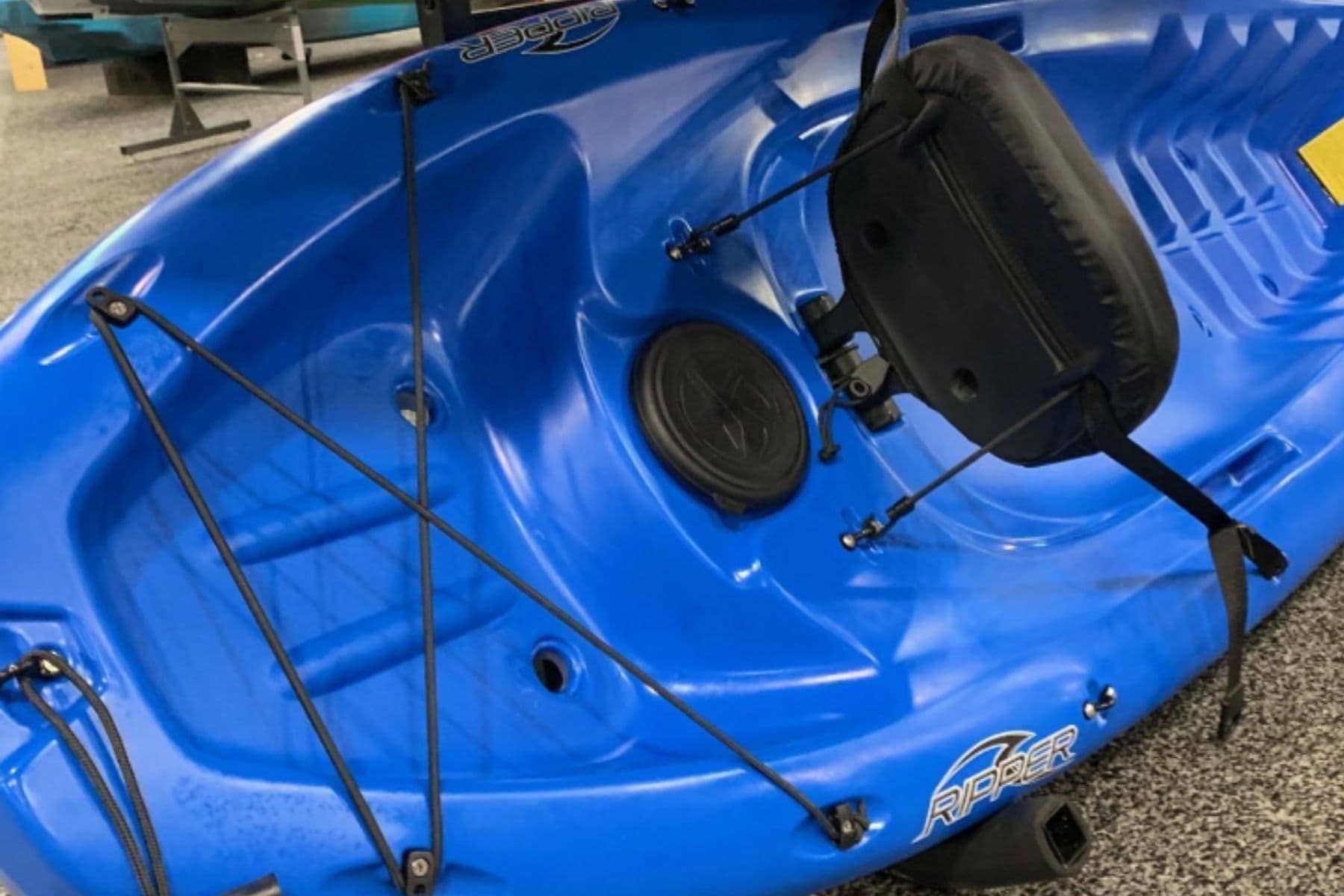
It’s best if your kayak has a dry storage space under your seat for easy access to essentials like valuables, water and snacks. Bungee cord systems are also a great option for bringing extra gear by securing it to the hull of the kayak.
Budget
Regarding price, some sit on top kayaks will cost more because of the material they’re built from, while others will be more affordable because of the small storage space they provide. You have to decide what features are important to you and what features you can do without.
Sit on top kayaks can be as cheap as $300 and as expensive as $1500. Keep in mind that you generally get what you pay for with kayaks.
If you already have a sit on top kayak or you just bought one, leave a comment in the comment section below and share your experience with it.