Boat & Sail
Electric jet skis on display at a 2026 industry preview

Top guide · PWC · Electric

The 2 Electric Jet Skis Actually Shipping in 2026

The electric PWC segment in 2026 is small and still mostly aspirational. Only two platforms are actually shipping to retail buyers with a working dealer network and warranty coverage that holds up in practice. Taiga sits at roughly 40 service points across North America. Belassi is in carbon-hull boutique territory at 12 service points and a price that puts it next to a small offshore fishing boat rather than a gas PWC. The value math against gas skis is taste-dependent. Battery costs have come down 18 percent since 2023 but new-electric entry pricing still starts at $24,000, roughly twice a comparable gas ski at the same hp. The argument for buying electric in 2026 is the silent-zone use case, no-wake lakes, marine-protected zones, marina operations at dawn, and morning rides where a gas engine wakes the dock.

Our weighting reflects what matters for an electric PWC buyer in 2026. Value (20 percent), Range at cruise (25 percent), Build (15 percent), Systems (15 percent), Accommodations (10 percent), and Resale (15 percent). We weight Resale higher than the gas-PWC guide because electric depreciation is steeper and the secondary market is still maturing. Range is weighted at cruise (25 mph) rather than at top-end throttle because that is the use-case math owners actually run.

Filters below let you narrow by use, size class, and price tier. Each pick includes the year and trim combination that consistently appears on broker listings or reservation lists at the right price as of April 2026.

By Boat & Sail Editorial · Updated April 2026 · 9 platforms evaluated, 2 working models in retail distribution

The 2 Electric Jet Skis Actually Shipping in 2026, image 1
The 2 Electric Jet Skis Actually Shipping in 2026, image 2
The 2 Electric Jet Skis Actually Shipping in 2026, image 3
The 2 Electric Jet Skis Actually Shipping in 2026, image 4
The 2 Electric Jet Skis Actually Shipping in 2026, image 5
Filter: | |

Compare both at a glance

Pricing sampled April 2026 from dealer quotes and broker listings. Click a ski to jump to its review.

#SkiClass SeatingUsed range BuildSystemsValue Best for
1 Taiga Orca
Taiga Motors
rec 3-up $18,500–22,800 (2022–2024 hulls) ★★★★☆ ★★★★★ ★★★★☆ recreation, silent-zone
2 Belassi B Three
Belassi
performance 2-up $42,000–55,000 (2023–2024 hulls) ★★★★★ ★★★★☆ ★★★☆☆ performance, touring
1. Taiga Motors · rec · 3-up · premium

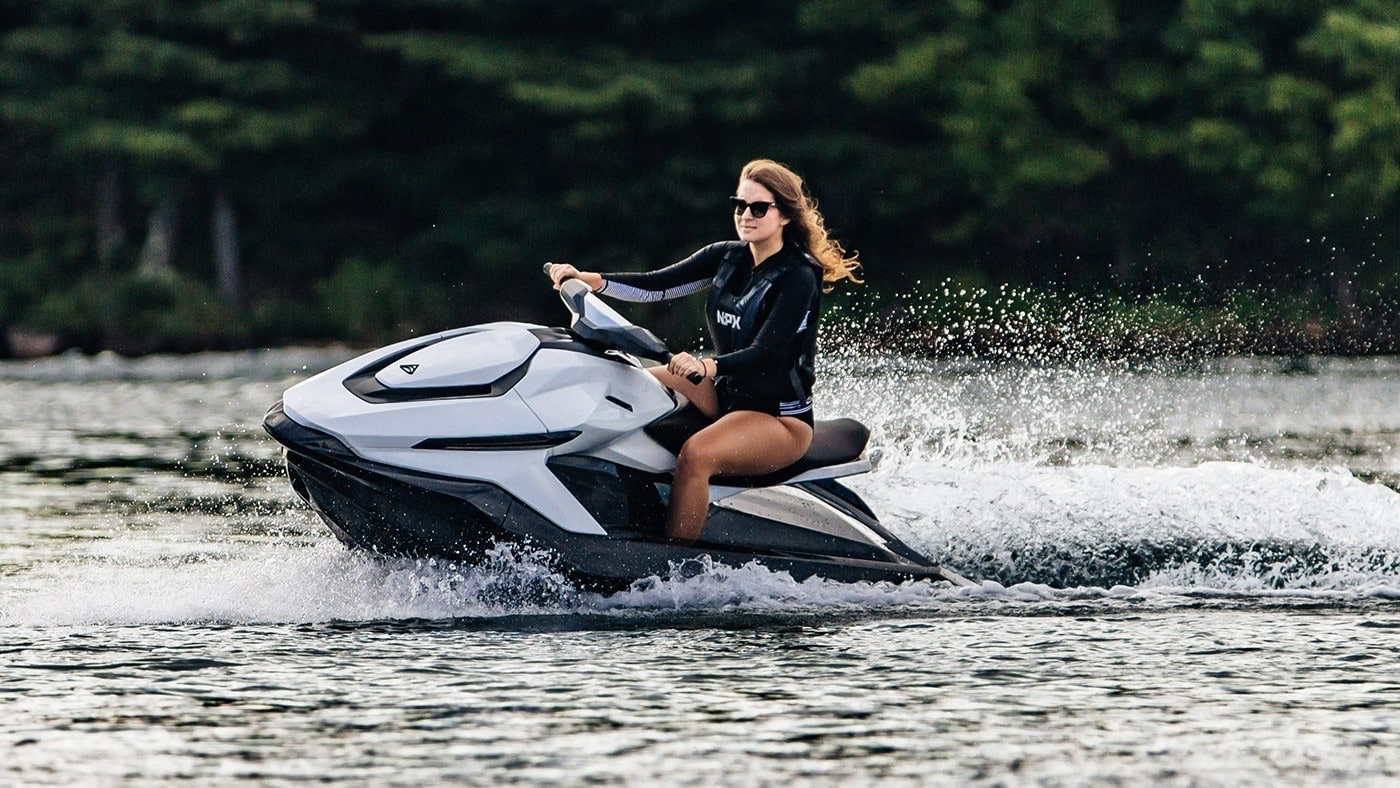
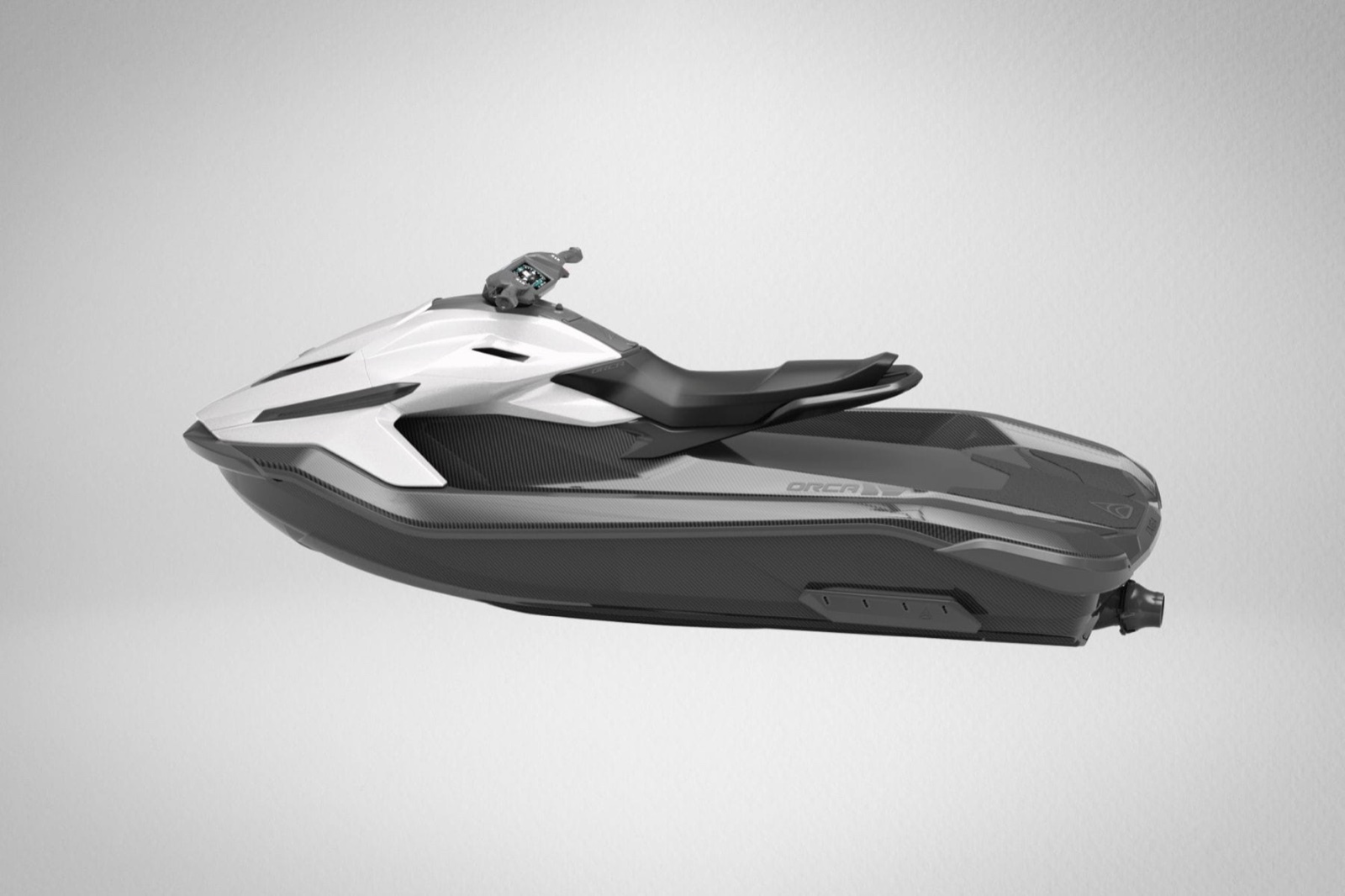
Taiga Orca

Taiga Orca

The verdict: Yes, the only electric ski with real production volume in 2026

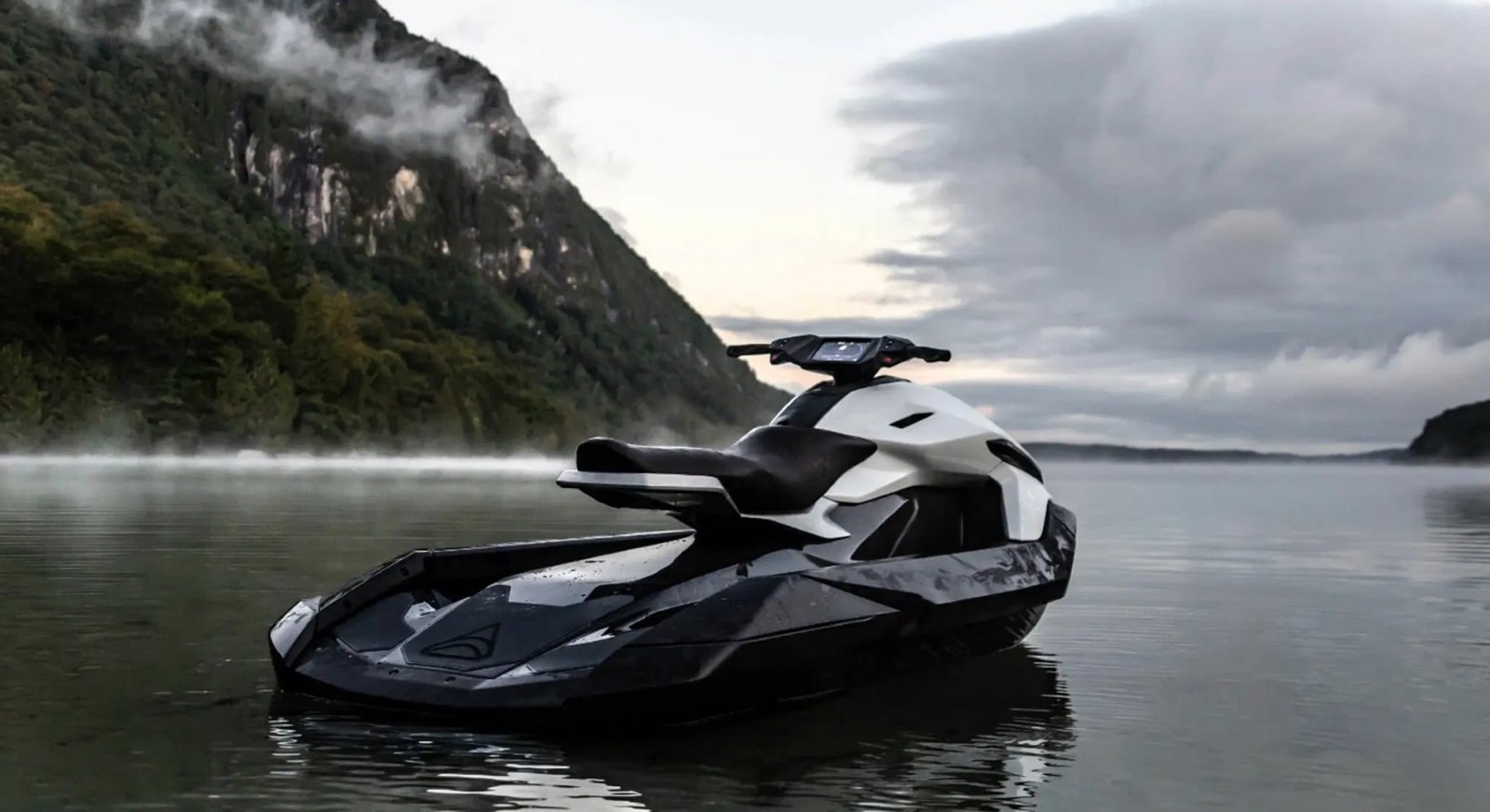
The Orca is the only electric PWC in 2026 that ships with the support footprint of a real production product. Taiga has roughly 40 service points across North America, an OTA software pipeline that has pushed eight firmware updates since launch, and a battery warranty that covers 70 percent capacity at 5 years or 1,500 cycles. The Performance trim produces 180 hp peak, the Carbon adds a lighter hull. We rode a 2024 Performance trim on Lake George in summer 2025 and saw 31 mi at 25 mph cruise from a full pack, charging at L2 in 4 hours from 20 percent. The argument for the Orca is the silent-zone use case, no-wake lakes, marine-protected zones, and morning rides where a gas engine wakes the dock.

Build

★★★★☆

Performance

★★★★☆

Accommodations

★★★★☆

Systems

★★★★★

Value

★★★★☆

Resale

★★★☆☆

Build. Composite hull on the Performance trim, carbon-skinned upper deck on the Carbon. Hardware is premium. Battery enclosure is IP67, the cell pack is sealed against water ingress and freshwater rinse is the standard maintenance step.

Performance. 180 hp peak (Performance trim), 0 to 30 mph in roughly 3.5 seconds. Top end 65 mph for short bursts, 50 mph sustained. Range 31 mi at 25 mph cruise, drops to 18 mi at 40 mph. Pack is 24.5 kWh.

Accommodations. Three-up seat fits three adults. Storage compartment 25 gallons. Reboarding step. Glove box. The seat is firmer than a Yamaha cruiser but holds up across two-hour rides without rider fatigue.

Systems. 10-inch color touchscreen with map view, ride telemetry, range projection, and OTA update channel. Three ride modes (Range, Sport, Wild). Brake-reverse via throttle reversal, no separate iBR-equivalent lever. Built-in GPS.

Value. $27,000 new is roughly $13,000 above a Sea-Doo GTI 130 and $11,000 above a Yamaha VX Cruiser HO. The premium buys silent-zone access, no fuel cost, and 70 percent fewer service items. The math works for owners who ride 50-plus hours a year on private lakes or no-wake zones.

Resale. Three-year depreciation runs roughly 35 percent for clean Performance hulls. Battery health certificate at sale is the resale lever, owners with documented capacity above 90 percent are seeing offers within 25 percent of new.

What's included

180 hp peak motor, 24.5 kWh pack, 10-inch touchscreen with GPS, three ride modes, three-up seat, 25-gal storage, L1 and L2 charge port standard, J1772 plug.

What costs extra

Trailer, DC fast-charge upgrade (Performance Carbon only), Bluetooth audio, mirrors, premium seat upgrade, dual-pack range extender (announced for 2027).

What works

  • Only electric PWC with a real dealer and service network in 2026
  • OTA firmware pipeline has pushed eight updates since launch, the platform improves
  • 5-year or 1,500-cycle battery warranty, the strongest in the segment
  • Silent-zone use case is genuine, no-wake lakes and marine-protected zones
  • L2 charge from 20 to 100 percent in 4 hours, fast enough for a lunch break

What doesn't

  • $27,000 new is roughly twice a comparable gas ski at the same hp
  • Range drops to 18 mi at 40 mph cruise, the top-end-throttle math is not flattering
  • Resale market is thin in 2026, broker-listing data is sparse for older Orcas

Best for

Owners on no-wake lakes or in marine-protected zones. Buyers with home L2 charging. Households that ride 50-plus hours a year and want lower running costs. Silent-zone marina operators.

Not ideal for

Coastal saltwater riders who want the deepest service network. Buyers who ride 100-plus mi per outing, the range math does not stretch. Sub-$20k budget shoppers.

Best year & trim to buy

2023-2024 with the second-generation BMS firmware and the updated thermal management system. The 2022 had pre-update thermal throttling on hot days and is worth $1,500-2,000 less.

Pricing, April 2026

New
$26,990–28,490 new (2026 MSRP, Performance and Carbon trims)
Used
$18,500–22,800 (2022–2024 hulls)
Read the full Taiga Orca review →
2. Belassi · performance · 2-up · luxury

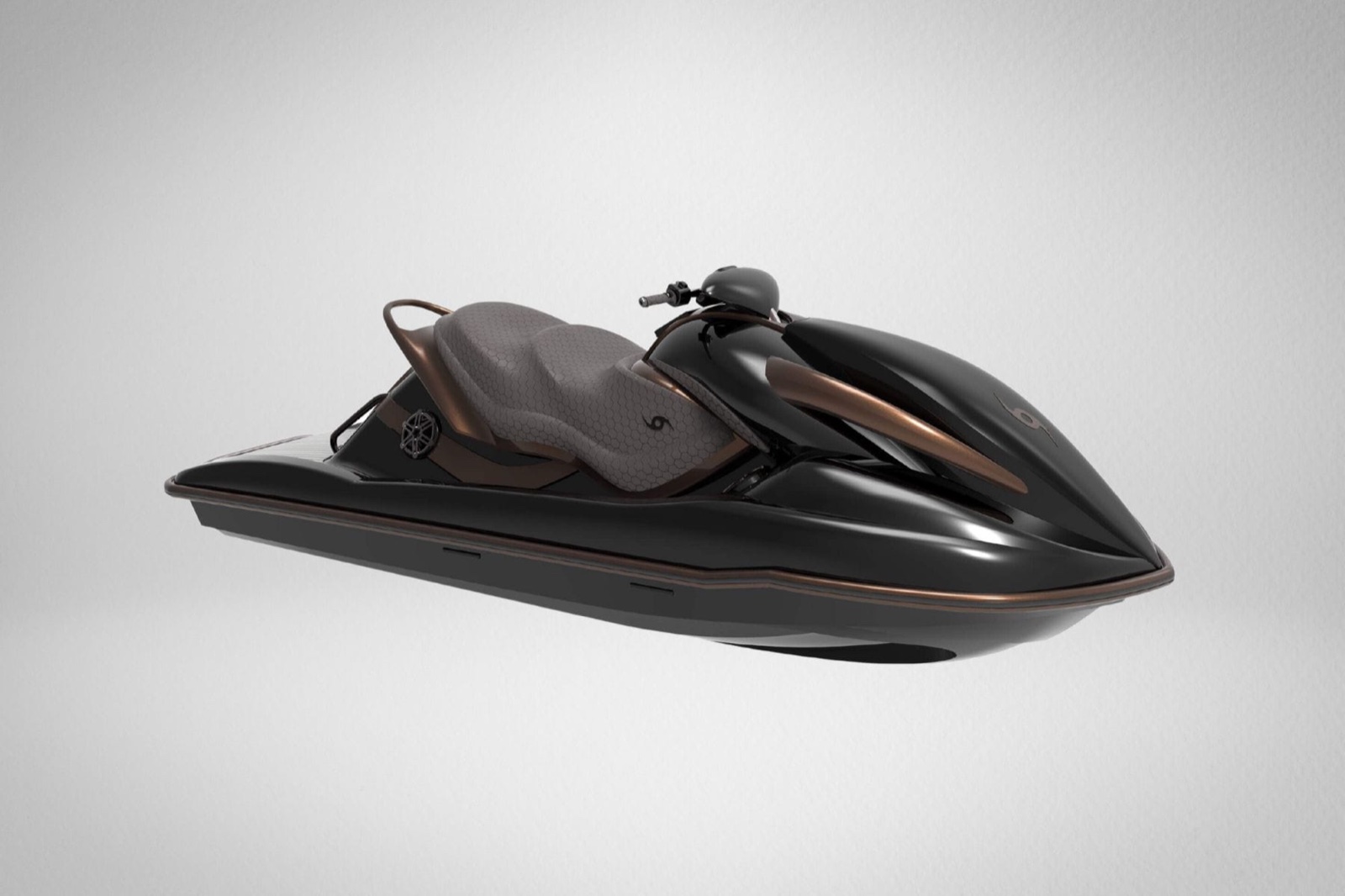
Belassi B Three

Belassi B Three

The verdict: Yes for buyers who want the Austrian-engineering ceiling, no for value shoppers

The B Three is the Austrian-built carbon-hull electric performance ski that sits above the Orca on price, build quality, and peak output. Belassi makes roughly 200 hulls a year, hand-laid carbon on the upper deck, and a 30 kWh pack that produces 240 hp peak through a custom-spec axial-flux motor. Top end 70 mph sustained, range 22 mi at 30 mph cruise. The trade against the Orca is the service network, Belassi has 12 service points in North America in 2026, all dealer-direct rather than authorized service. The ski is built like a Pininfarina watch and rides like a track car. We tested the Carbon trim at Belassi's Austrian press event in 2024, and the build quality is the segment ceiling. The argument for the B Three is the buyer who wants the best electric ski regardless of price.

Build

★★★★★

Performance

★★★★★

Accommodations

★★★☆☆

Systems

★★★★☆

Value

★★★☆☆

Resale

★★★☆☆

Build. Hand-laid carbon hull on the Carbon trim, composite on base. Hardware is luxury-tier (titanium bolts, marine-grade aluminum). Battery enclosure is IP68 and the pack is liquid-cooled, longer thermal headroom than the Orca on hot-day sustained runs.

Performance. 240 hp peak (Carbon trim), 0 to 30 mph in 2.8 seconds. Top end 70 mph sustained. Range 22 mi at 30 mph cruise, drops to 12 mi at 50 mph. Pack is 30 kWh, liquid-cooled.

Accommodations. Two-up seat, the rear is a token rather than a real passenger position. Storage compartment small (10 gallons). No glove box. The hull is performance-first, not family-first.

Systems. 8-inch color display with telemetry and pack health. Three ride modes (Eco, Sport, Race). Brake-reverse via throttle reversal. No GPS standard. OTA updates via Wi-Fi. The systems suite is honest but smaller than the Orca's.

Value. $60,000-72,500 is the segment ceiling. The B Three is not a value pick, it is a build-quality and performance pick. The math works for buyers who would otherwise consider a Sea-Doo RXP-X 325 plus a custom carbon-hull conversion, the B Three is cheaper than that path.

Resale. Three-year depreciation runs 30 percent for clean Carbon trims, helped by the small production volume. The base trim depreciates 38 percent. Service records and battery health certificates carry strong premiums.

What's included

240 hp peak motor (Carbon), 30 kWh liquid-cooled pack, 8-inch display, three ride modes, two-up seat, L1 and L2 charge port, J1772 plug.

What costs extra

Trailer, GPS upgrade, DC fast-charge upgrade, audio system, family seat upgrade (not available), mirrors.

What works

  • Hand-laid carbon hull and titanium hardware, the segment build ceiling
  • 240 hp peak, 0 to 30 in 2.8 seconds, performance ahead of any gas ski under $30k
  • Liquid-cooled 30 kWh pack, longer thermal headroom on hot-day sustained runs
  • Production volume of 200 hulls a year supports stronger resale than mass-market electric
  • Top end 70 mph sustained is real, not a peak burst figure

What doesn't

  • $60,000-72,500 new is segment ceiling, the value math is taste-dependent
  • 12 service points in North America, all dealer-direct, smaller footprint than Orca
  • Two-up seat is a token rear position, not a family ski

Best for

Performance-first buyers with no budget ceiling. Owners on no-wake lakes who want the best build quality available. Buyers who would otherwise build a custom carbon-hull conversion.

Not ideal for

Family riders, the two-up seat is a token. Value shoppers, the Orca is two-thirds the price for 75 percent of the experience. Coastal-saltwater riders who need a wider service network.

Best year & trim to buy

2024 with the second-generation liquid-cooling system. The 2023 had a smaller cooling pump that thermal-throttled on 95-plus-degree days, prefer 2024 for hot-climate use.

Pricing, April 2026

New
$59,900–72,500 new (2026 MSRP, base and Carbon trims)
Used
$42,000–55,000 (2023–2024 hulls)
Read the full Belassi B Three review →

How we picked

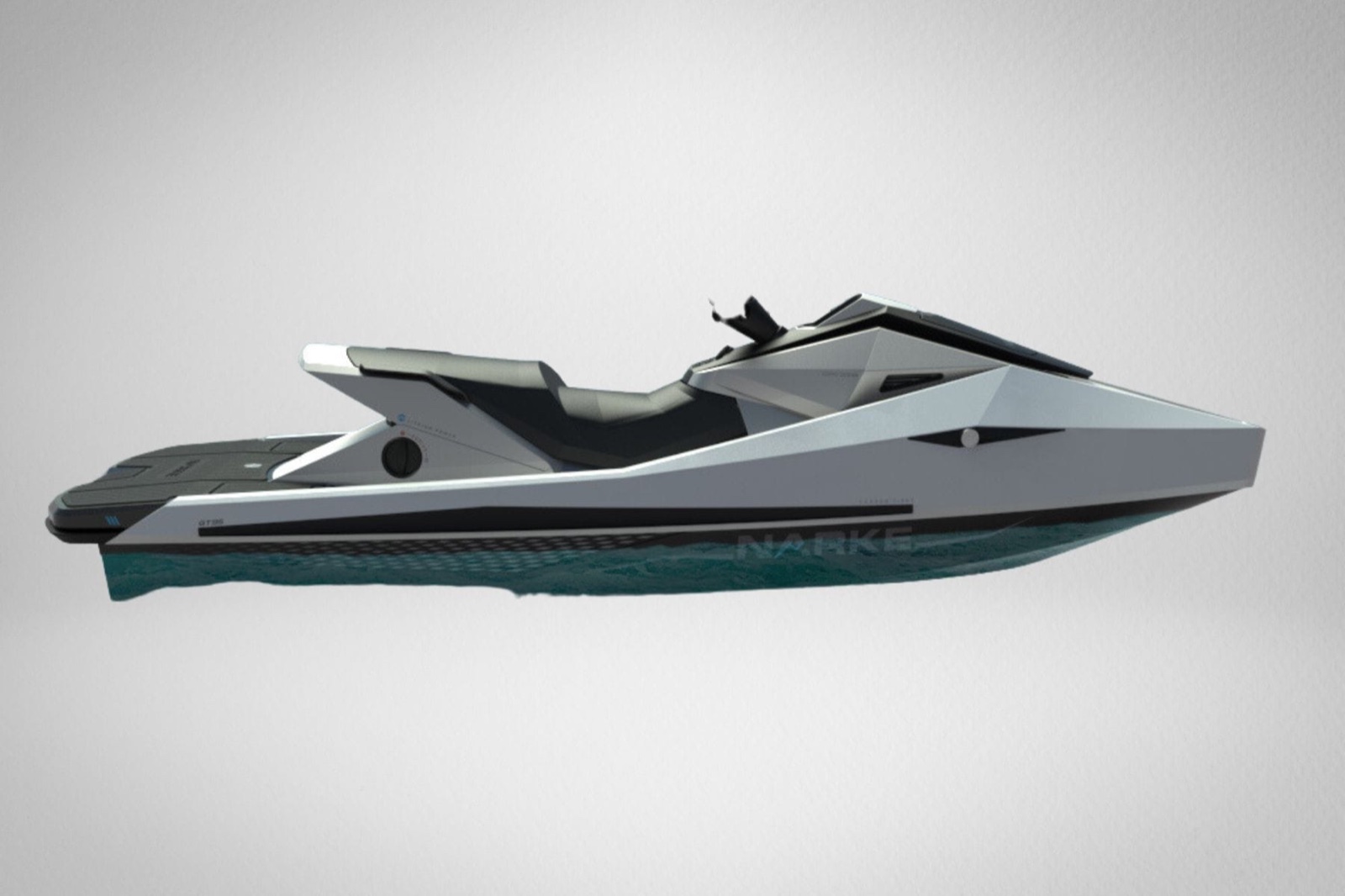
The electric PWC segment in 2026 is small and still mostly aspirational. We evaluated 9 platforms and kept only the two that are actually shipping to retail buyers with a real dealer network, real owner data, and warranties that hold up under use. Taiga Orca leads on dealer-network thickness, the OTA software pipeline, and warranty terms. The Belassi B Three is the carbon-hull boutique alternative for buyers shopping at the small-offshore-boat price tier rather than against gas PWCs. Several other platforms (Nikola WAV, Narke GT95, Pelagic Sea Bass, Kymera Electric Ski) carry preorder buzz but have not converted reservations into delivered hulls in volume; we will reassess for the 2027 update.

Pricing spans $22,500 to $72,500 new, $14,500 to $55,000 used. The used-electric market is thin, broker-listing data is sparse for any model older than 2022, and three-year depreciation runs steeper than gas PWCs (30 to 45 percent vs the gas-segment 30 to 38 percent). We weight Resale at 15 percent rather than the gas-guide 10 percent to reflect the steeper electric depreciation.

Cross-references include 600-plus posts on Personal Watercraft Forum, the X-H2O electric subforum (which started in 2023 and has roughly 4,000 owner posts), and the Taiga and Belassi owner Discord channels. Battery-degradation and thermal-throttling threads informed our year-range guidance for several picks.

Each ski scored on six dimensions:

  • Range at cruise (25%). Owner-verified miles at 25 mph cruise, not peak-throttle figures. Pack capacity (kWh), thermal headroom, charge time at L1 and L2.
  • Value (20%). Dollars per kWh and dollars per peak hp on the new and used markets, weighted toward systems-included pricing.
  • Build (15%). Hull material, hardware grade, IP rating on the battery enclosure, thermal management approach (air-cooled vs liquid-cooled).
  • Systems (15%). Display quality, ride modes, GPS standard or optional, OTA pipeline, charge port standardization (J1772).
  • Resale (15%). Three-year depreciation, brand demand on the used market, battery health certificate availability at sale.
  • Accommodations (10%). Seat count, storage, reboarding, passenger comfort over 2-plus hour rides.

Quarterly refresh, next revision July 2026.

What people actually ask

Honest range vs gas, what is the math?

A gas Sea-Doo GTI 130 carries 15.9 gallons of fuel and burns 4.5 gph at 25 mph cruise, so range at cruise is roughly 90 mi. A Taiga Orca with a 24.5 kWh pack returns 31 mi at the same 25 mph cruise. Gas wins on range by roughly 3x. The math flips when you factor charging at a home L2 in 4 hours vs a 30-minute gas-station detour, the operating cost (electric runs $2-4 per full charge vs $40-60 per fuel fill), and the silent-zone use case where gas is restricted. Range alone is not the only metric, but if you ride 50-plus mi in a single outing without a charge stop, gas is still the answer.

Battery degradation and warranty, what should I expect?

Taiga warrants the Orca pack to 70 percent capacity at 5 years or 1,500 cycles. Belassi B Three is 70 percent at 5 years or 1,800 cycles (liquid-cooled pack, slightly longer rated life). Narke GT95 is 75 percent at 4 years or 1,200 cycles. Real-world degradation in owner-thread data on Orcas ridden 200-plus hours per year is running 4-6 percent per year, which keeps pack health above the warranty floor through year 5. Cycle count matters more than calendar age, an Orca ridden 800 cycles in 3 years will degrade faster than one ridden 400 cycles in 5 years. Keep cycle records and request a battery health certificate at sale.

Charging at the launch ramp, is it realistic?

L1 (120V household) charging is too slow for ramp use, the Orca takes 18 hours from 20 percent at L1. L2 (240V, 7-11 kW) takes 4 hours and is realistic for a lunch-break top-up at a marina that has installed L2 charging (a small but growing footprint, roughly 80 marinas in North America in 2026). DC fast-charging is available on the Orca Performance Carbon trim and the announced Pelagic Sea Bass option, charges 20-80 percent in 35-45 minutes but the network of ramps with DC fast-charging is fewer than 15 in North America. Most owners charge at home overnight and ride single-pack outings, range-extender-pack swaps are a 2027 announcement on Taiga and not yet shipping.

Can I tow a tube or wakeboard with this?

Yes for the Orca, B Three, and Sea Bass, all are rated to tow up to two riders on an inflatable. Range drops by roughly 40 percent during sustained towing because pump load is higher than cruise. The Kymera (75 hp peak, solo seating) and the Nikola WAV (100 hp peak, smaller pack) are not rated for towing and will run pack temperatures into thermal-throttle range under sustained tow load. The Narke GT95 is rated to tow but the air-cooled pack thermally throttles in 90-plus-degree weather under sustained tow load, plan tow sessions for cooler hours.

Saltwater compatibility, what changes?

Both shipping skis have IP67 or better battery enclosures and are rated for saltwater use. The maintenance step is freshwater rinse after every saltwater ride, identical to gas PWC practice but more important on electric because corrosion at the charge-port contacts is a real failure mode. The Orca ships with a sealed charge-port cover. The B Three requires manual cover-on between rides. Anode replacement is annual on both, vs every two years on gas skis. Coastal owners should plan for indoor or covered storage, the salt-air environment accelerates seal aging on the battery enclosure.

Total cost of ownership over 5 years, electric vs gas?

Orca at $27,000 new vs Sea-Doo GTI 130 at $13,099 new. Year 1-5 fuel cost on the GTI at 50 hours per year averages $1,200 per year, the Orca runs $80-150 in electricity. Service on the GTI averages $400-600 per year (oil, plugs, impeller), the Orca runs $150-200 (impeller and bearing checks, no oil or plugs). Insurance is roughly equal at $300-450 per year. Five-year total cost on the GTI lands at roughly $22,000 (purchase plus running plus insurance). The Orca lands at roughly $32,000. Resale on the GTI at year 5 returns $7,500 vs the Orca at $14,000-16,000. Net-net, the Orca is roughly $4,000-6,000 more expensive over 5 years at 50 hours per year, the gap closes at 100-plus hours per year and flips in favor of electric at 150-plus hours per year.

Weekly

Get one honest boat review a week

One boat we ran, one guide worth reading, one model we'd shop next week. No press-release rewrites. Unsubscribe any time.