How to choose the best sailing glove? | Buyer’s Guide
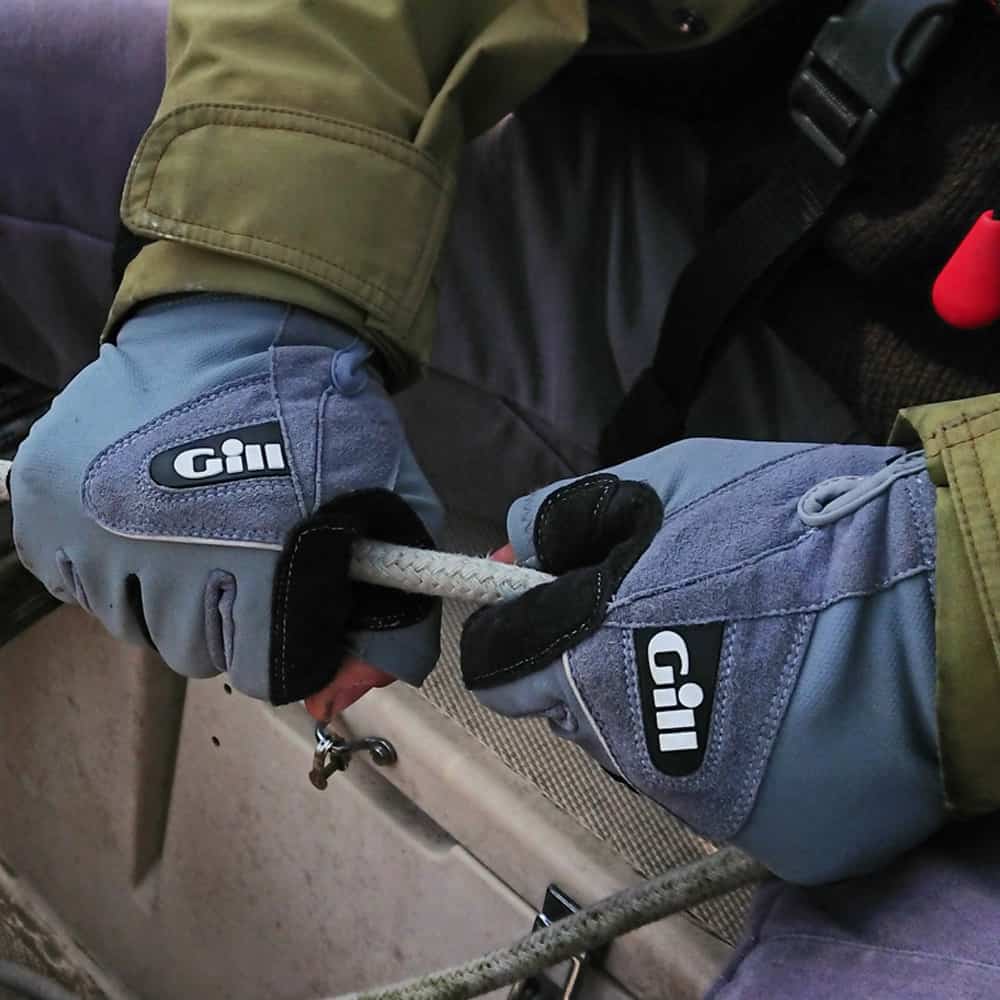
As is the case with kayak gloves, good sailing gloves should offer you two things: functionality and protection.
But with so many options to choose from, finding the right pair can be a challenge.
The kind of sailing glove you end up choosing will ultimately depend on the tasks you are required to perform onboard.
With that being said, here are the main things to consider before buying yours:
Type: Full-fingered and Fingerless Gloves?
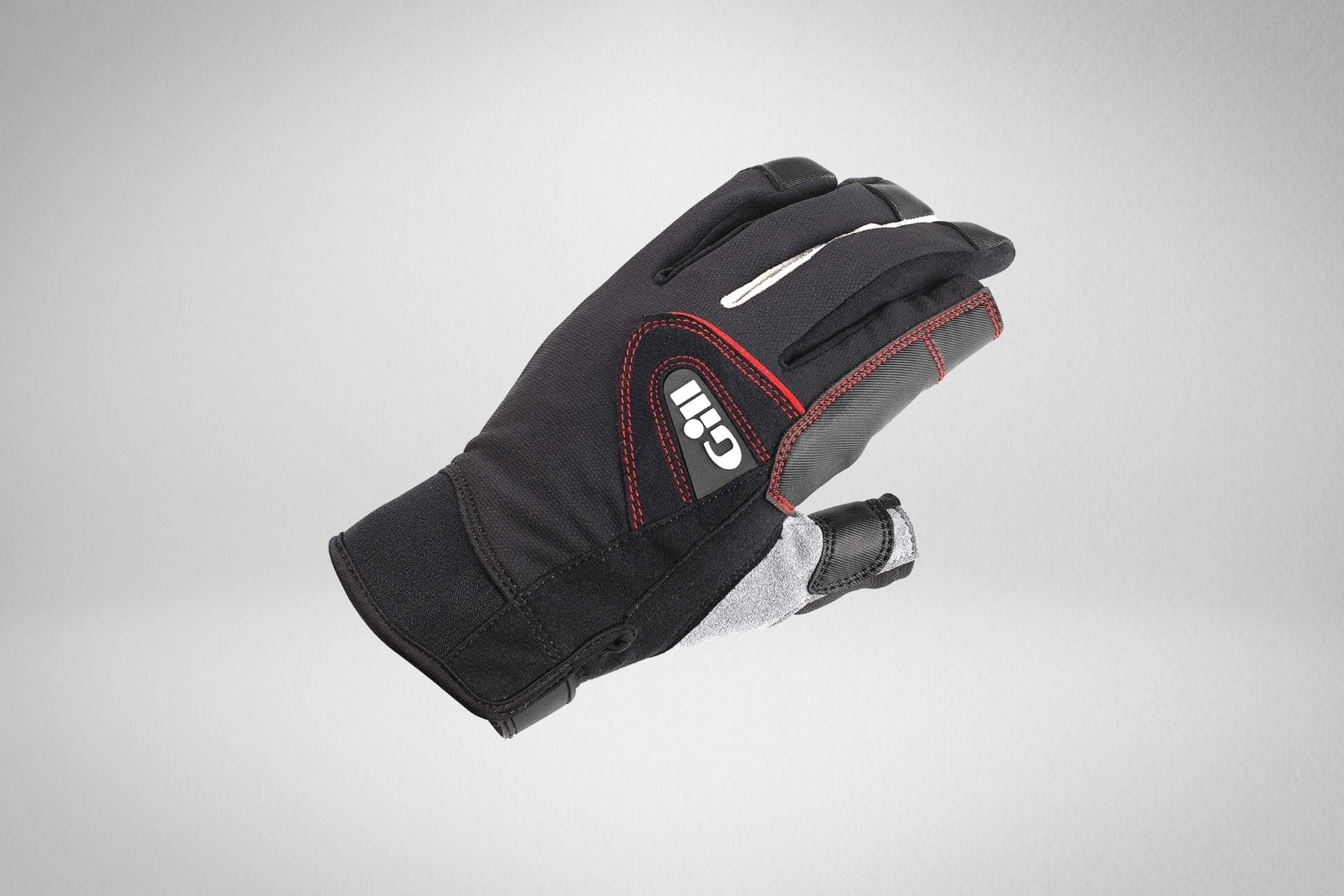
- Full-fingered gloves: as the name says, this kind of glove has full coverage on every finger. They are ideal for foul weather as they will keep your entire hand nice and protected from the rain, wind, and cold. However, they don’t allow a great range of movement and flexibility.
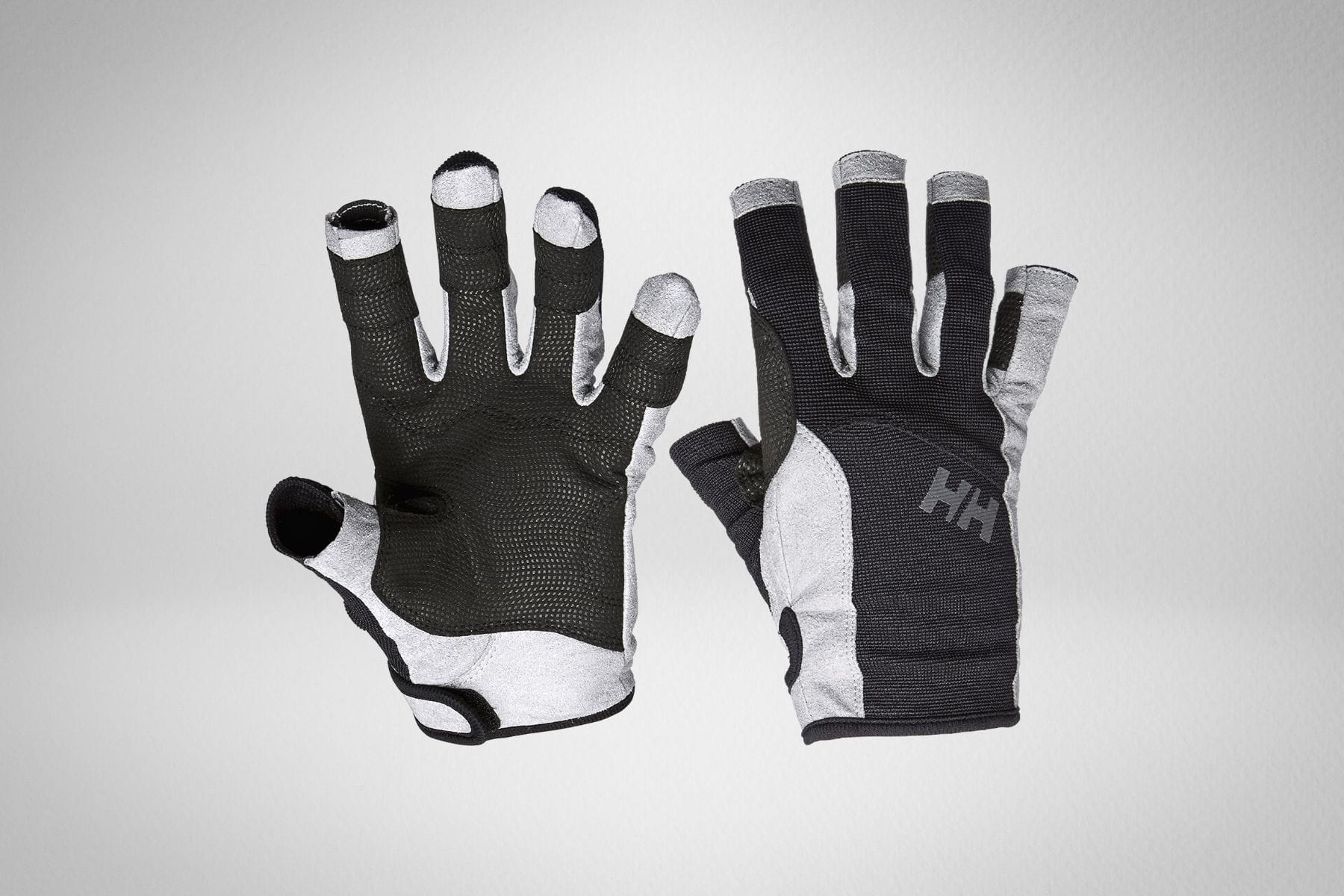
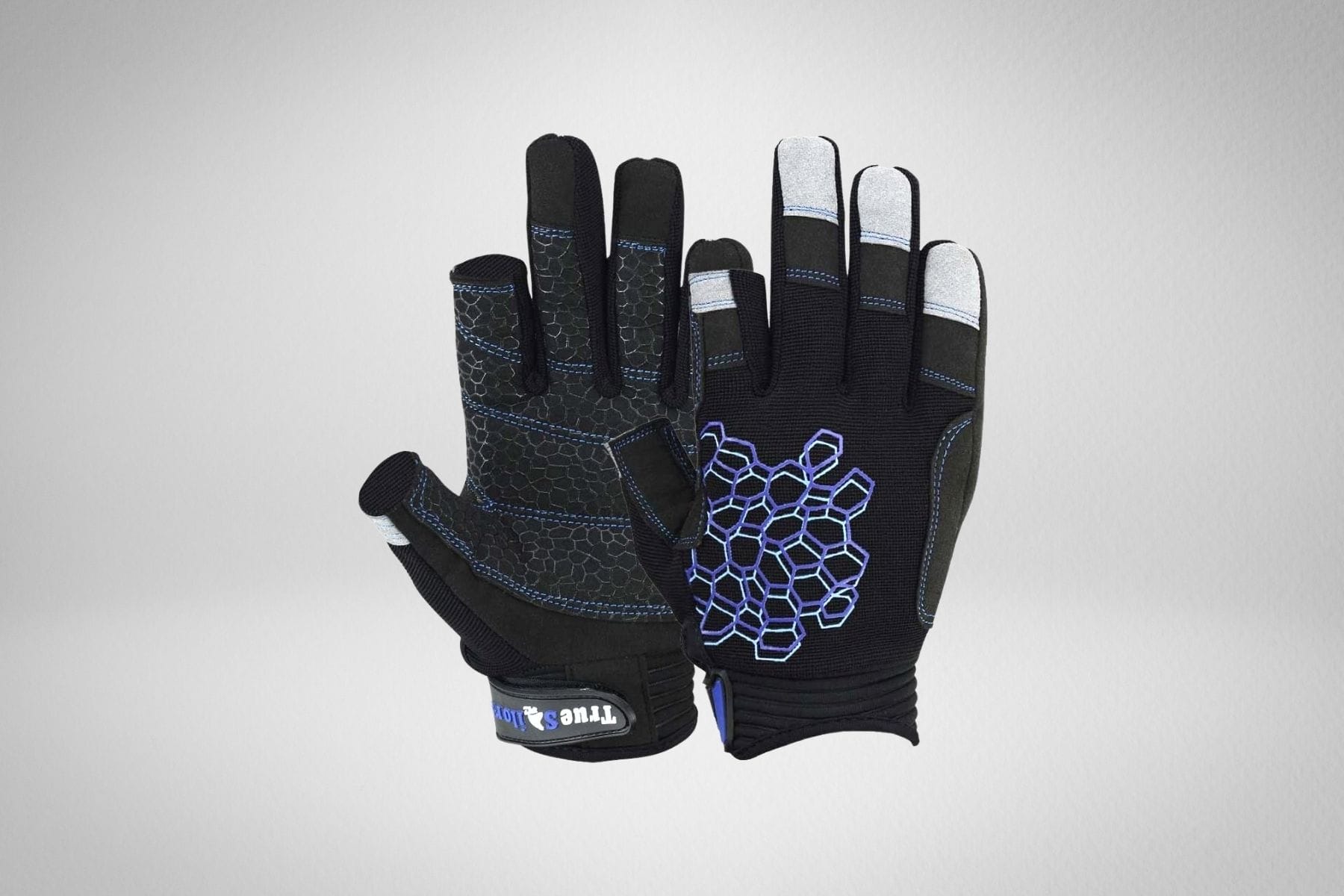
- 3/4 (short-fingered, fingerless): this type of sailing gloves covers your palm but leaves all fingertips uncovered. This is the most popular choice among sailors. The main advantage of fingerless gloves is that they provide more dexterity and flexibility. They also let you use your touchscreen gadgets with ease, but they’re not suitable for cold weather.
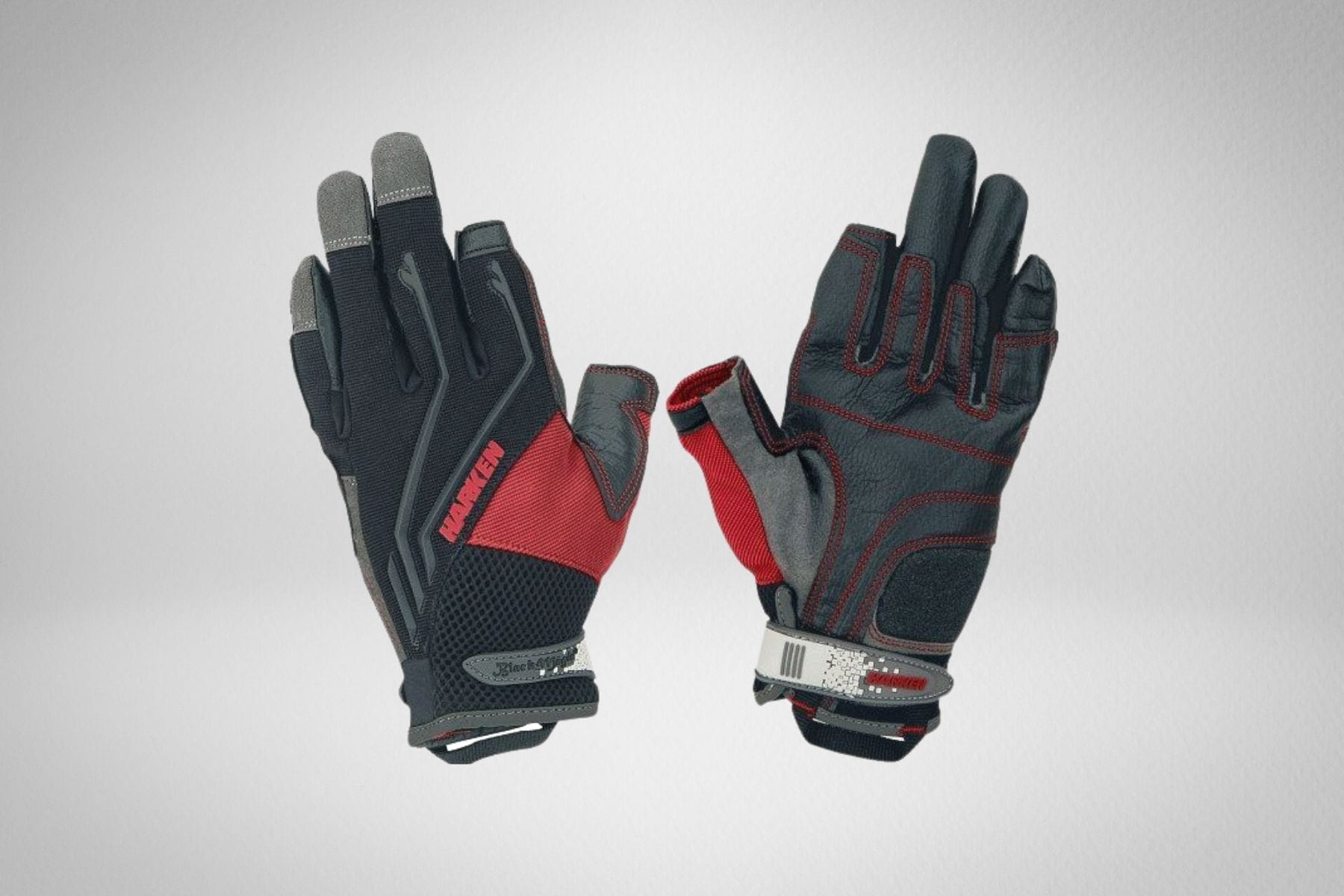
- Three-fingered gloves: this type of glove has all fingertips covered except for your index and your thumb. They provide protection and warmth without compromising dexterity.
Size
Your sailing gloves should, as the old saying goes, fit like a glove.
They should offer you a secure and comfortable fit so that you can perform your tasks skillfully.
A snug fit will help minimize finger and hand fatigue after long hours of sailing.
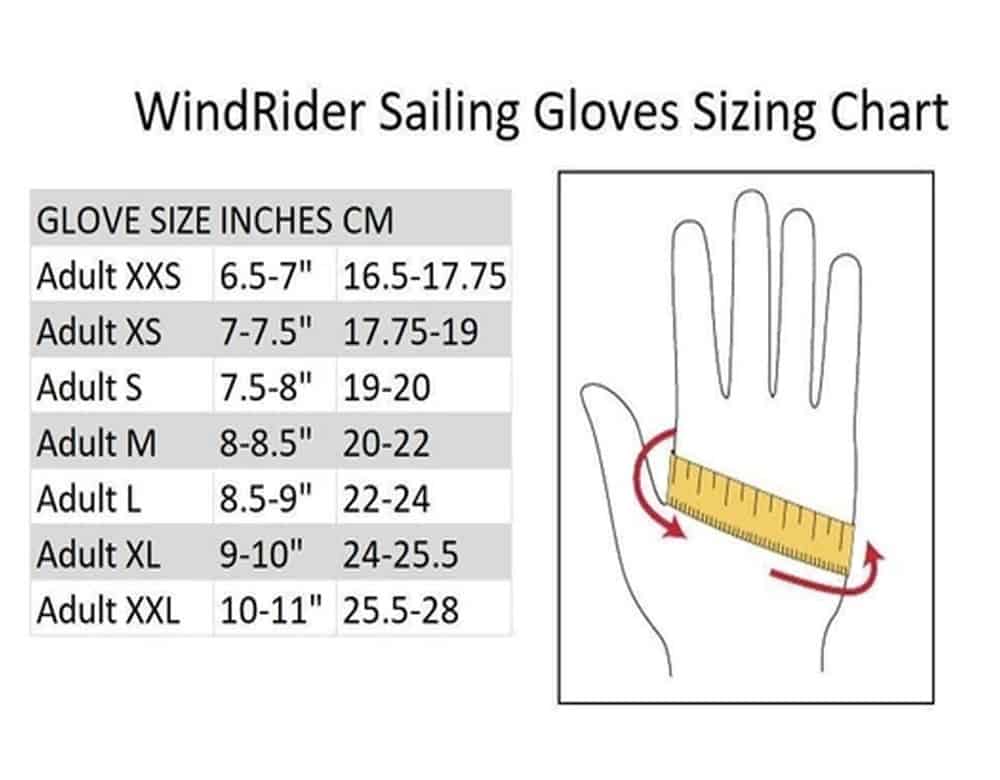
Check each manufacturer’s size guide to help you choose which one is the most appropriate for your hand.
Here’s a size chart from WindRider just so you can have an idea:
Grip
Good sailing gloves should have reinforced palms with extra padding as well as a sticky construction to provide you with protection from rope burn and blisters along with a great grip for handling lines and slippery surfaces.
Materials
When you’re out there sailing, you’re at the mercy of the elements.
To help you with that you’ll need a well-built set of sailing gloves that is water resistant and breathable, dries fast, and will last season after season.
Sailing gloves are made from a combination of materials, such as nylon, rubber, polyester, and synthetic leathers like Proton and Amara.
Keep an eye out for this last one as it offers minimum stretch and shrinkage, better gripping as well as abrasion resistance.
Durability
The durability of your sailing gloves will ultimately depend on their material and how you take care of them.
Remember to check the manufacturer’s instructions on how to wash and dry them properly.
Now that you have a good selection of sailing gloves as well as what things to keep in mind before buying yours, share with us your experience with this essential sailing gear.
We’d love to hear your opinion in the comments below!
If you already have a sailing glove or you just bought one, leave a comment in the comment section below and share your experience with it.