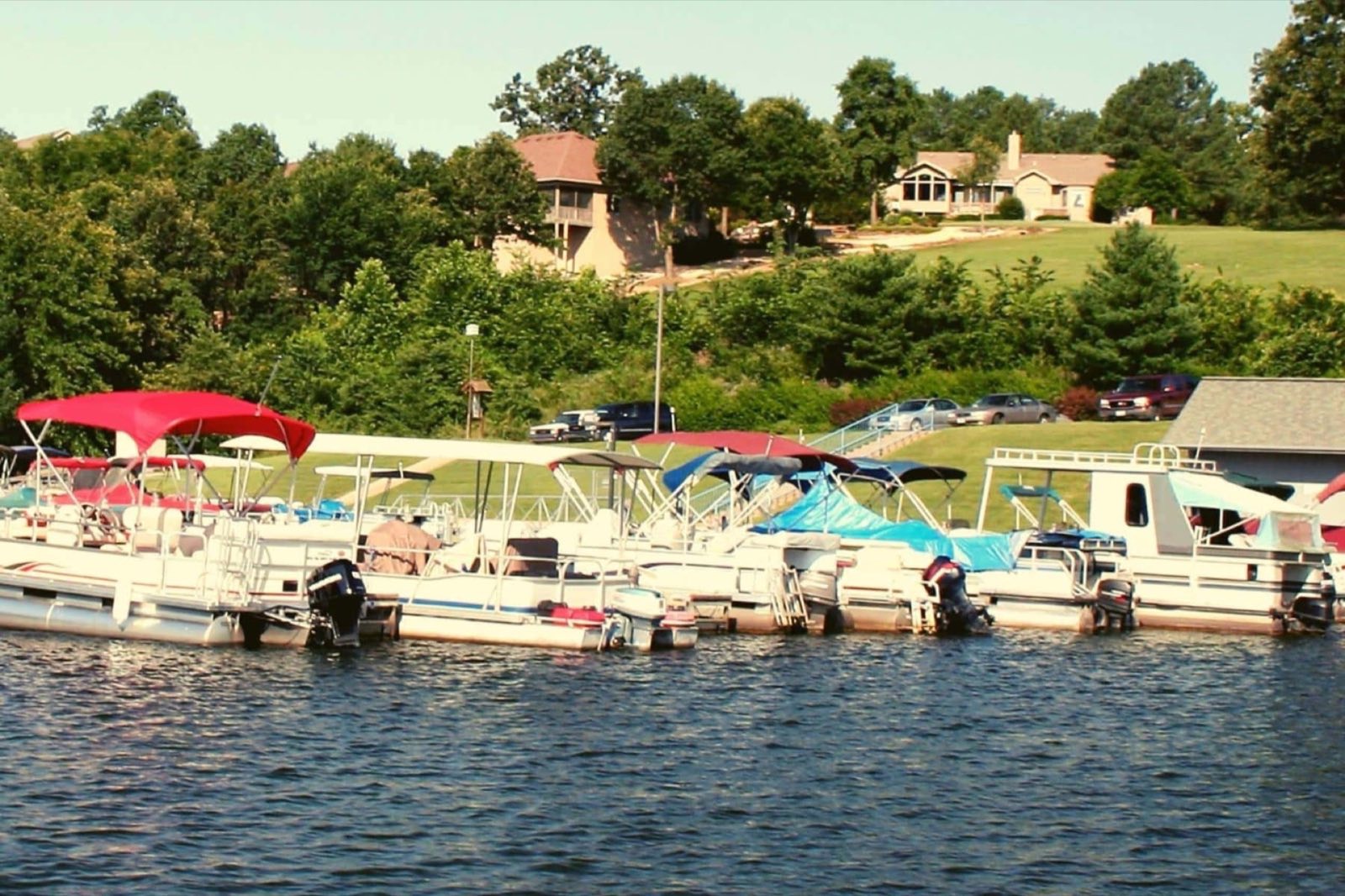
The Bennington 22 SVSR is the rear-swingback model in Bennington's SV series and the boat most lake-day families end up at when they want a pontoon that handles fishing trips and family cruising on the same hull. Bennington has been building in Elkhart, Indiana since 1997 and is the top-selling pontoon brand in the US. The 22 SVSR has been in production in its current form since 2019 and the 2026 catalog keeps the same deck layout with refreshed furniture options and updated helm electronics.
What is the Bennington 22 SVSR?
The 22 SVSR is a 22-foot 7-inch aluminum-deck pontoon on two toons. Beam is 8 feet 6 inches, dry weight is about 2,400 pounds bare, and rigged weight with a Mercury 150 outboard sits closer to 3,000 pounds. The deck rides on two aluminum tubes, with a center toon available as a step-up package on the SX Premier and Q-series boats above this trim.
The layout is the feature. Standard pontoons put a U-shaped seating section forward and a rear-facing bench aft. The SVSR variant adds a swingback aft seat that rotates to face the back of the boat, which converts the rear deck into a fishing layout. The pedestal-seat mount in the rear corner takes a swivel angler chair, and the rear gate opens to a small swim platform with a ladder. Owners who fish part of the time and cruise the rest get a deck that does both jobs without becoming a dedicated fishing boat.
Outboard rigging from 90 to 200 horsepower covers the range. The Mercury 150 is the most common build and the engine most used-market buyers default to. Fuel is 32 gallons, which is enough for a full day on the water plus a meaningful reserve.
I ran a 2021 22 SVSR on Table Rock Lake in Missouri on a calm September morning, three adults aboard, with rods rigged for crappie. The swingback layout worked the way the brochure suggests, with the rear bench facing aft and the pedestal seat carrying one angler on the back corner. Mid-afternoon the swingback rotated back to forward and the boat carried five guests on the cruise home without anyone feeling like they were sitting on a fishing platform. The flexibility is the point of the SVSR trim and the layout delivers it.
Who is it good for?
Lake families who fish part of the time and cruise the rest. The 22 SVSR is the right tool for households where one or two members fish and the rest want a cruise boat. The swingback layout lets the boat do both jobs without compromising either one too much.
Owners running 40 to 70 hours a season on inland lakes. The size is right for a typical Saturday with the family plus a couple of early-morning fishing outings during the week. The dealer network covers most freshwater markets.
Buyers who want the Bennington badge with a more flexible aft deck than the SSLX. The SVSR is a step sideways from the entertaining-first SSLX trim, not a step up or down. The build quality is the same, the difference is in the aft layout.
Who is it not good for?
Buyers who want a pure entertaining layout. The SVSR sacrifices some pure-cruise seating volume in exchange for the fishing-friendly rear deck. Crews above eight adults feel tighter than on a same-length Bennington 22 SSLX or a Bennington 21 SSLX.
Performance-pontoon shoppers should walk up the trim ladder. The 22 SVSR is a two-tube boat and does not pull a wakeboard or hit 40 mile per hour cruise speeds the way a triple-toon SX Premier or Q-series does.
Crews above ten adults should look longer. The deck volume on the 22 SVSR is sized for eight adults comfortably. Big-group households should step up to a 24 or 26 footer.
Pricing
New 2026 22 SVSR pricing lands between roughly $42,000 and $62,000 rigged depending on engine choice, dealer, and option package. The most common dealer build includes the Mercury 150, the Sterling Series furniture in a current color, the Bimini extension, the upgraded pedestal-seat mount, and a basic helm electronics package, which puts the typical out-the-door price near $52,000.
The used market for 2020-to-2023 hulls in clean shape with 80 to 250 hours falls between $24,000 and $44,000. The bottom of that band is a higher-hour 2020 with a base 90-horsepower engine. The top is a low-hour 2023 with the 150 or 200, an upgraded helm, and a current dealer service file.
Five-year depreciation on a clean 22 SVSR sits around 32 to 38 percent off new. That is the same curve as the SSLX trim and the best in the mid-tier pontoon segment.
What works
- Aft swingback converts the rear deck into a fishing layout with a pedestal-seat mount and rod holders.
- Same Bennington build quality as the SSLX trim. Furniture, fence hardware, and helm feel mid-tier in the right way.
- 8-foot 6-inch beam gives a wider deck than the entry-level pontoon segment.
- Mercury 115 to 200 outboard rigging covers fishing and cruising use cases.
- Dealer network is the broadest in the pontoon segment.
- Resale holds better than any pontoon brand except the Bennington Q-series.
- Standard Sterling Series furniture is a step above the value-pontoon competitors.
What doesn't
- Aft swingback layout sacrifices some pure-entertaining seating. Crews above eight adults feel tighter than on a same-length SSLX.
- Two-tube hull cruises slower than a triple-toon. The 22 SVSR is not a tow platform.
- Bennington premium over a Sun Tracker is $9,000 to $15,000 at the same length.
- Furniture vinyl gets hot at noon and fades on south-exposed surfaces.
- Standard fishing-feature package is basic. Anglers should add the upgraded rod-holder option from the dealer.
- Bow gate latches loosen up after three to four seasons. Pre-purchase check matters.
Year-by-year notes
The 22 SVSR launched in 2019 on the current SV-series hull and deck layout. The 2021 model added the upgraded helm electronics with a Garmin or Raymarine display. The 2022 model refreshed the furniture patterns and added a wireless device charger. The 2024 model refreshed the rail and gate hardware. There is no defect cutover year to screen for on the current production.
Cost of ownership
Annual recurring costs run typical for the pontoon segment. Mercury 100-hour outboard service costs $300 to $500 in parts and $250 to $400 in labor. Anode replacement on saltwater-rigged toons adds $150 to $300 annually. Bottom paint or hull treatment for saltwater boats costs $250 to $400 in materials. Insurance on a $42,000 hull is $500 to $900 a year in most freshwater markets.
A five-year hold on a 2022 22 SVSR bought at $44,000 with 120 hours, used 55 hours a season on a Texas lake with trailer storage and an annual outboard service, lands at roughly $3,400 to $5,000 a year all-in including insurance, fuel, service, and the spread-out capital cost.
A second moment worth flagging. I walked through a covered storage facility in southern Michigan in late November where two 22 SVSR boats sat next to each other, both about three years old. The owner of the closer boat had wrapped the furniture in protective covers and the swingback hardware looked like it had been kept indoors for the off-season. The boat next to it had been outdoor-stored through the summer between outings and the cushion seams were already showing wear at the corners. The storage habits make a meaningful difference on this trim in particular because the swingback adds hinge points where water can pool.
On the cruise side, a third short moment. A friend's family ran their 22 SVSR on Lake Wawasee in Indiana through a humid August stretch with eight adults aboard, the swingback rotated forward to maximize seating. The Mercury 150 held a steady 24 mile per hour cruise through the load, and the boat tracked cleanly without the wandering some two-tube pontoons show in a beam wind. That is the kind of day the boat is built for and the layout flexes to.
Best year and trim to buy
The 2021-to-2023 22 SVSR with the Mercury 150 outboard, the upgraded helm electronics, the Sterling Series furniture in a current color, the upgraded pedestal-seat mount, the Bimini extension, and a current outboard service in the file is the right buy in 2026. Five things to verify pre-purchase. First, the toon welds along the keel are clean. Second, the swingback rotation mechanism works smoothly. The seat-back hardware can stiffen up if the boat sits unused for a season. Third, the fence and gate latches are tight. Fourth, the outboard service file shows current 100-hour work. Fifth, the trailer is sized correctly for the boat. A clean 2022 with 130 hours and the right options should land between $38,000 and $44,000 with a Bennington-experienced dealer.
Alternatives
The non-swingback Bennington at smaller length is the 21 SSLX, which gives a pure entertaining layout at a slightly lower price. The same-length entertaining alternative is the 22 SSLX, which gives more pure cruise seating at a similar price tier. The performance-pontoon cross-shop is the Manitou, which gives a sharper-handling hull at a similar price tier with a smaller dealer footprint. For households on a tighter budget, the Sun Tracker Party Barge 20 is the value alternative at a tier below Bennington on furniture and resale.