Boat & Sail
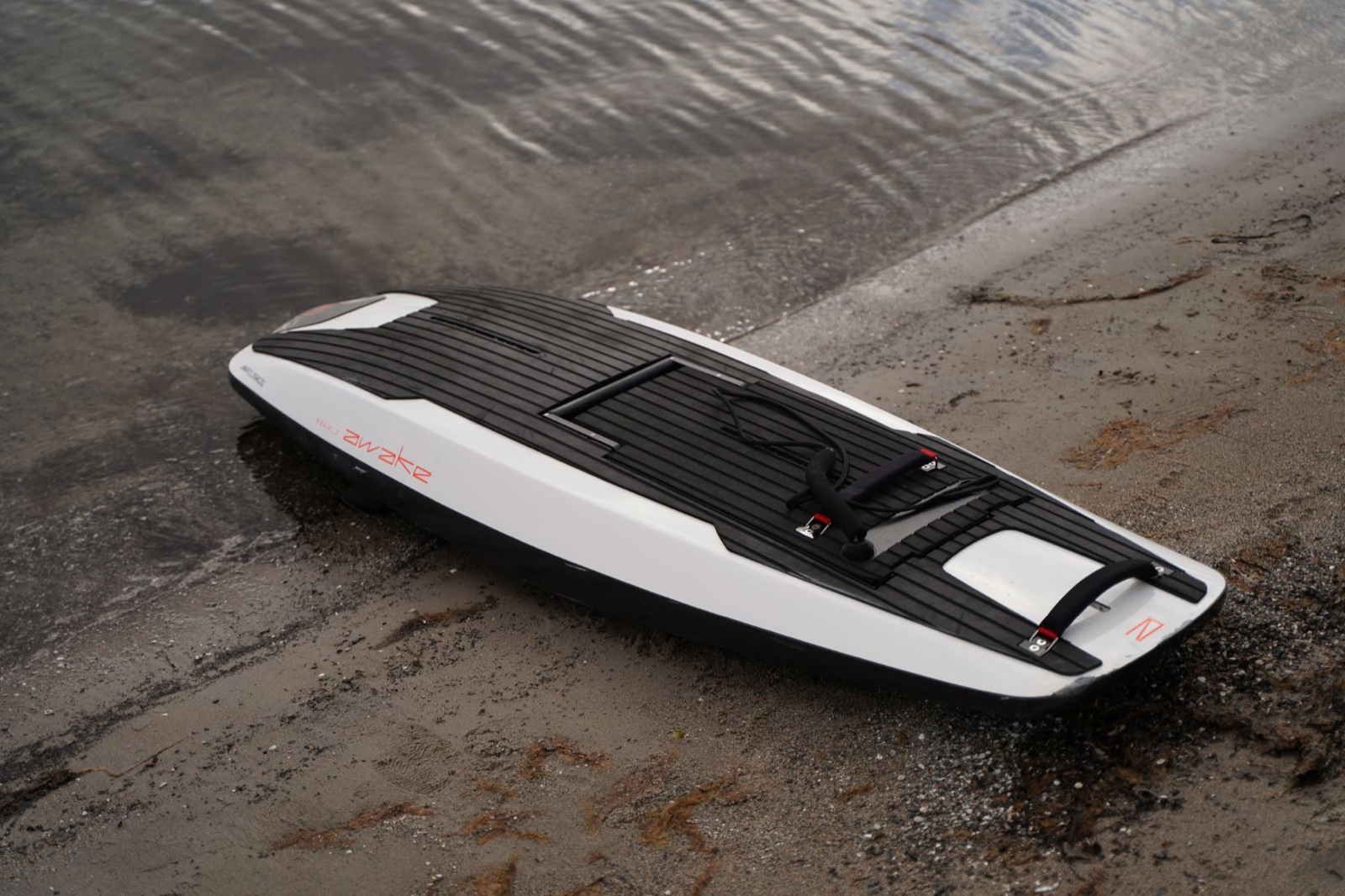
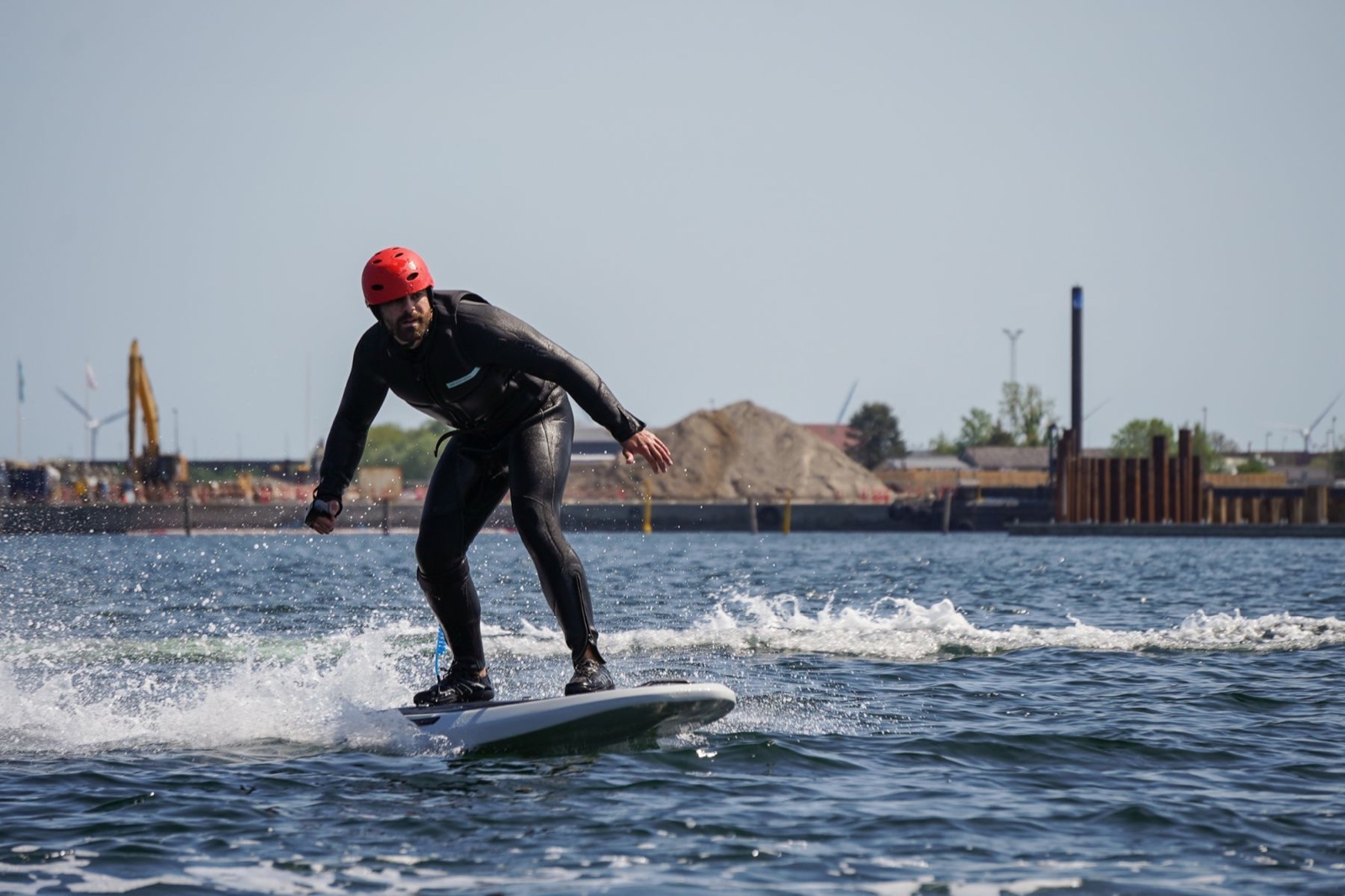
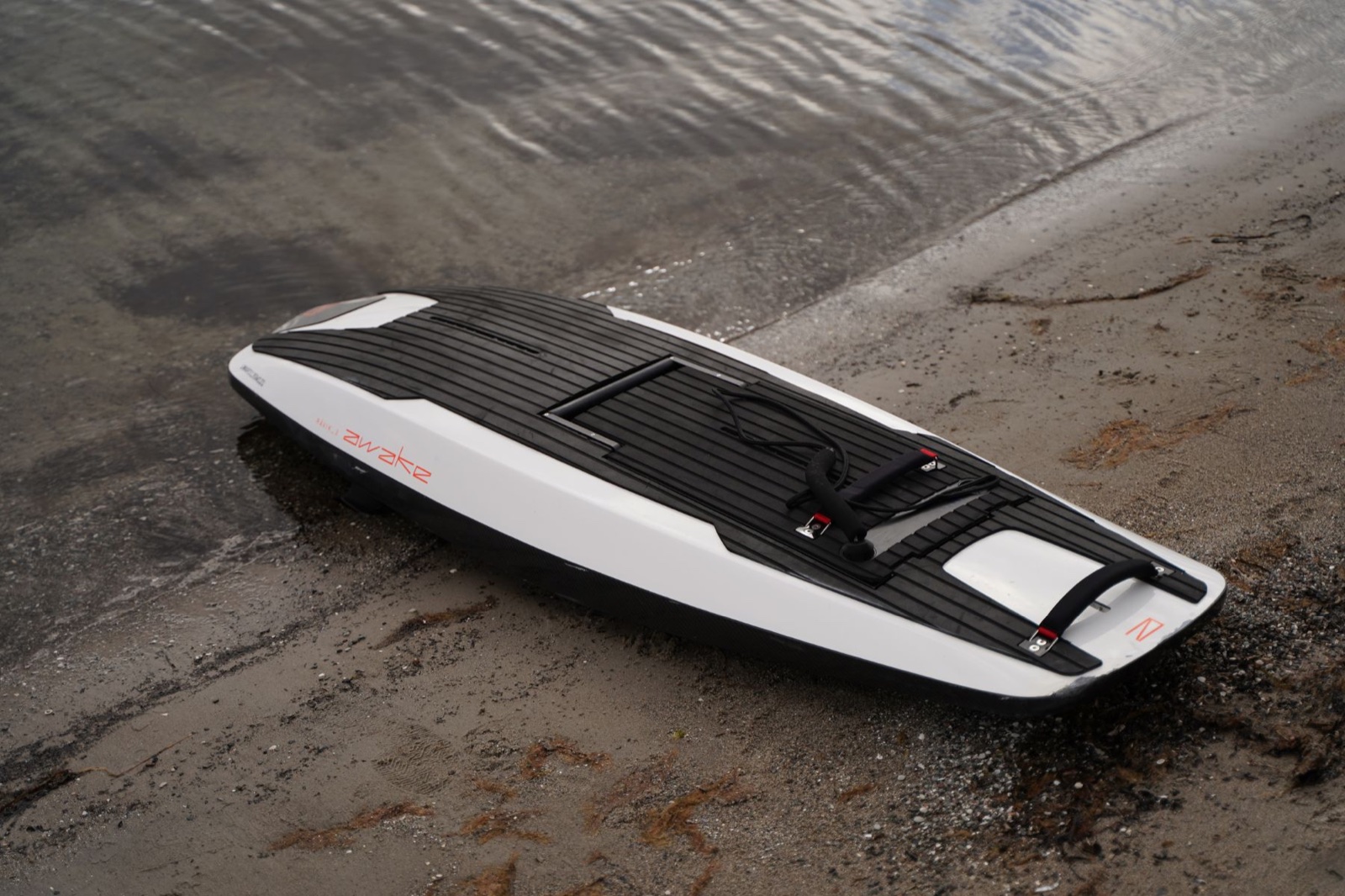
Electric surfboard cruising at speed across a coastal bay

Top guide · eFoil · Electric jetboards

6 Best Electric Surfboards in 2026

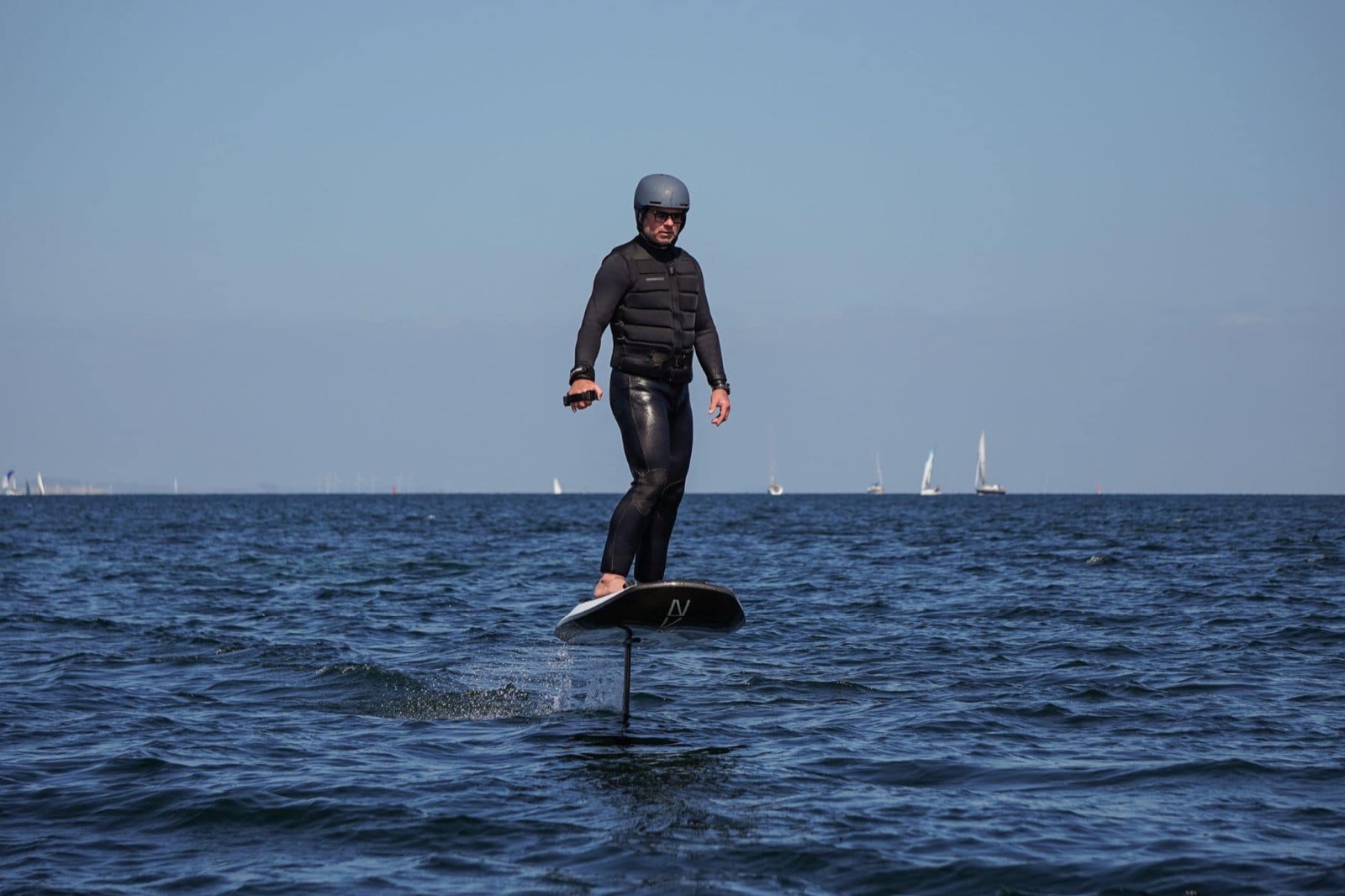
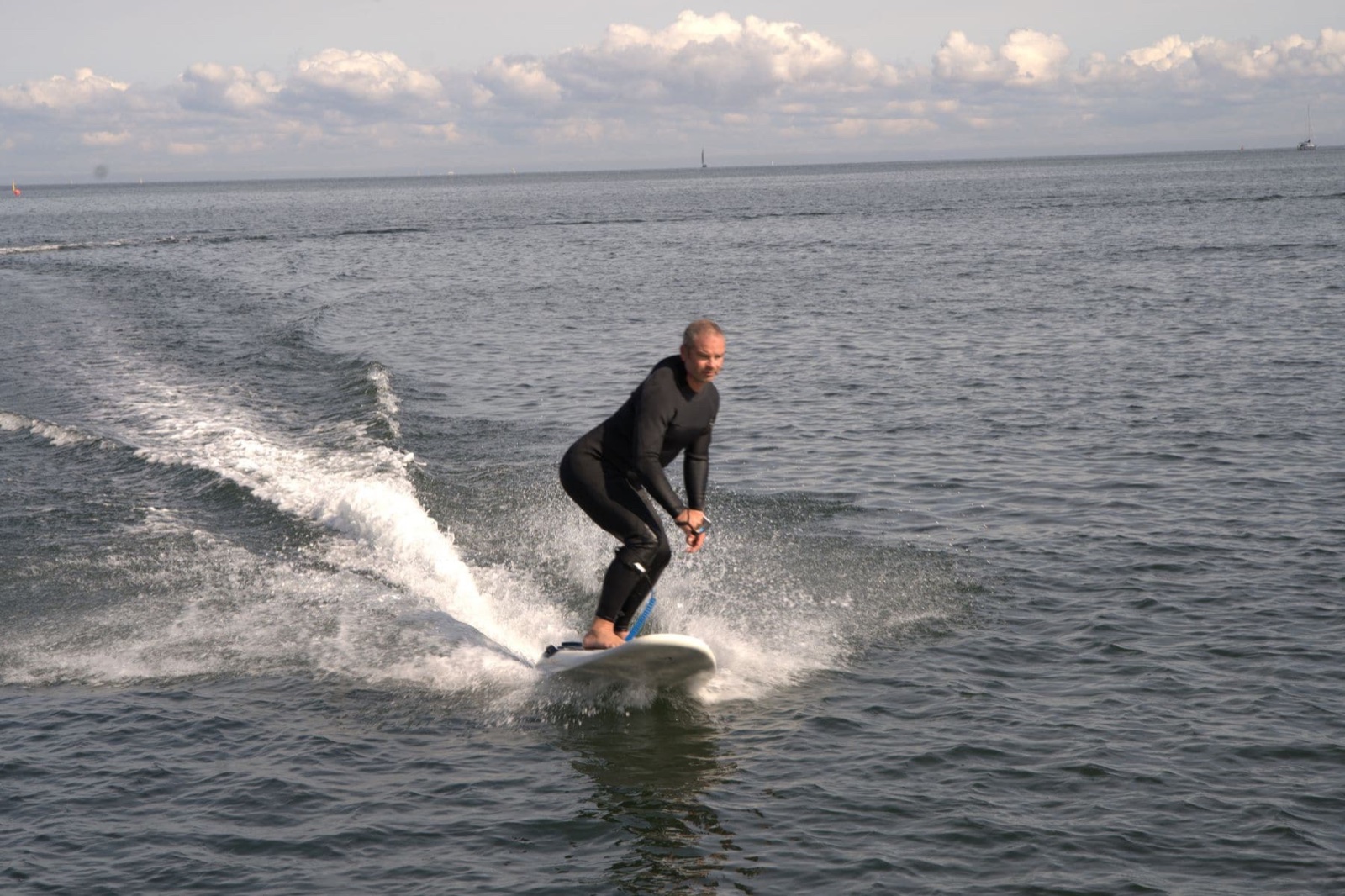
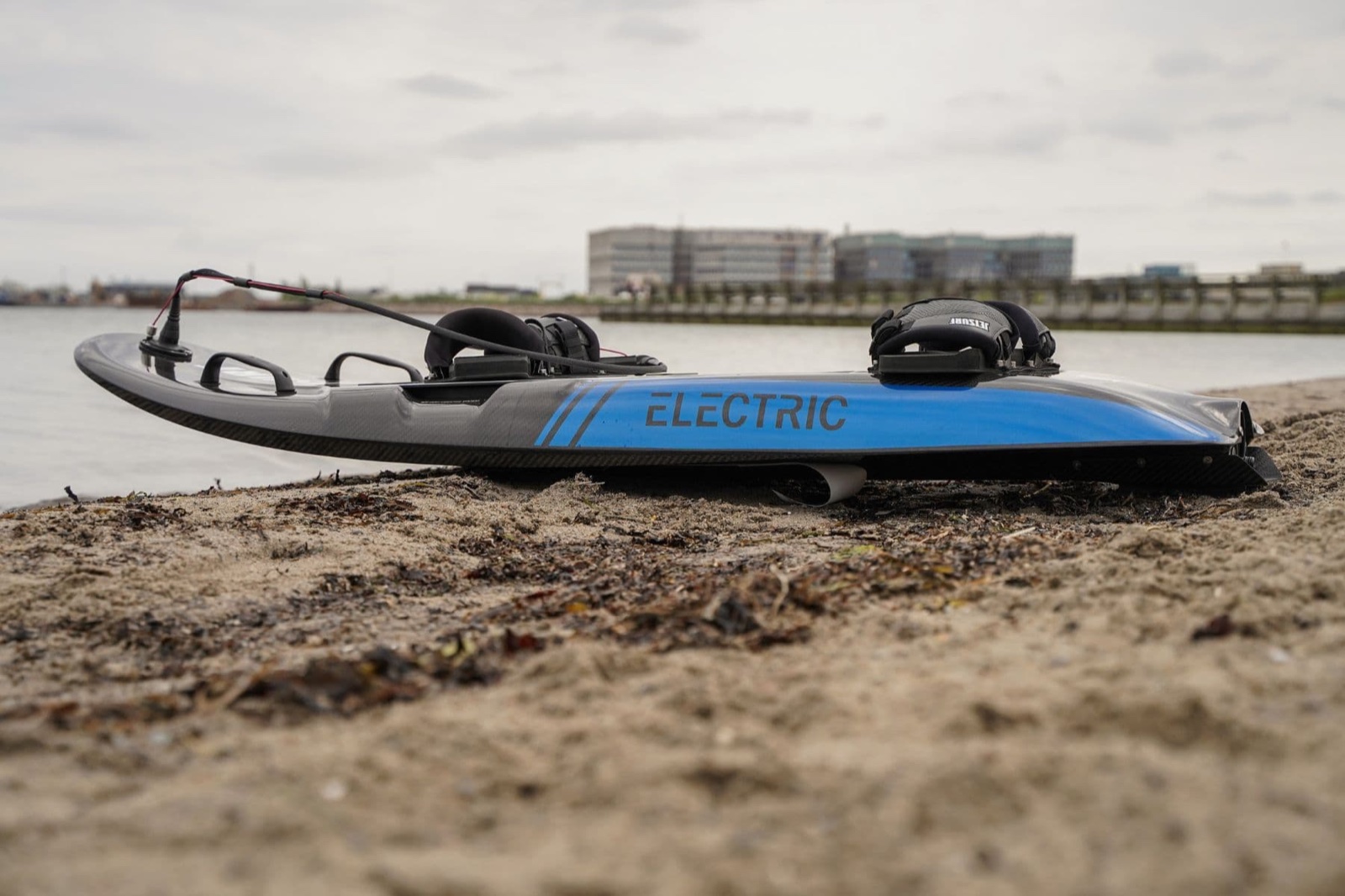
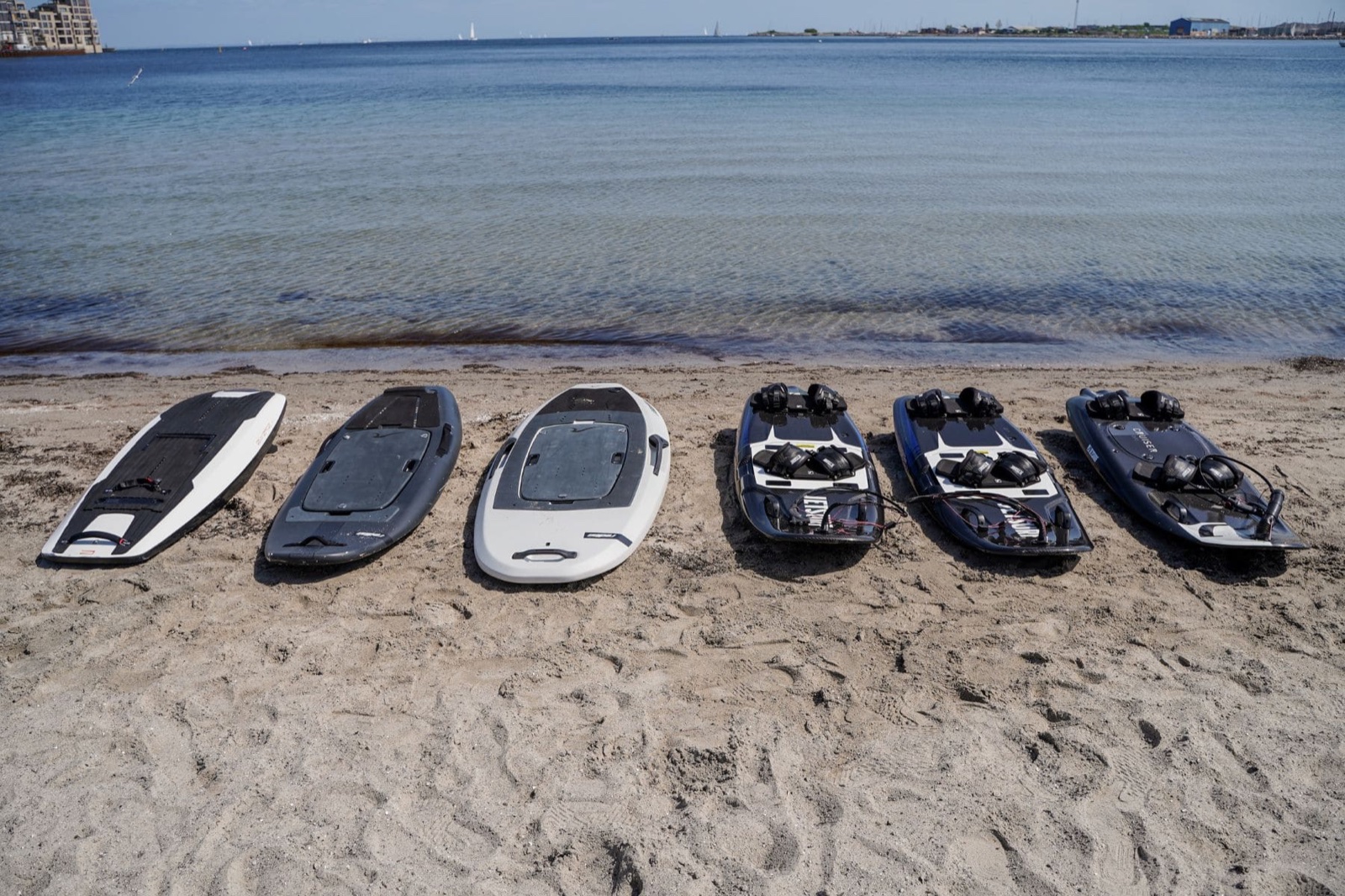
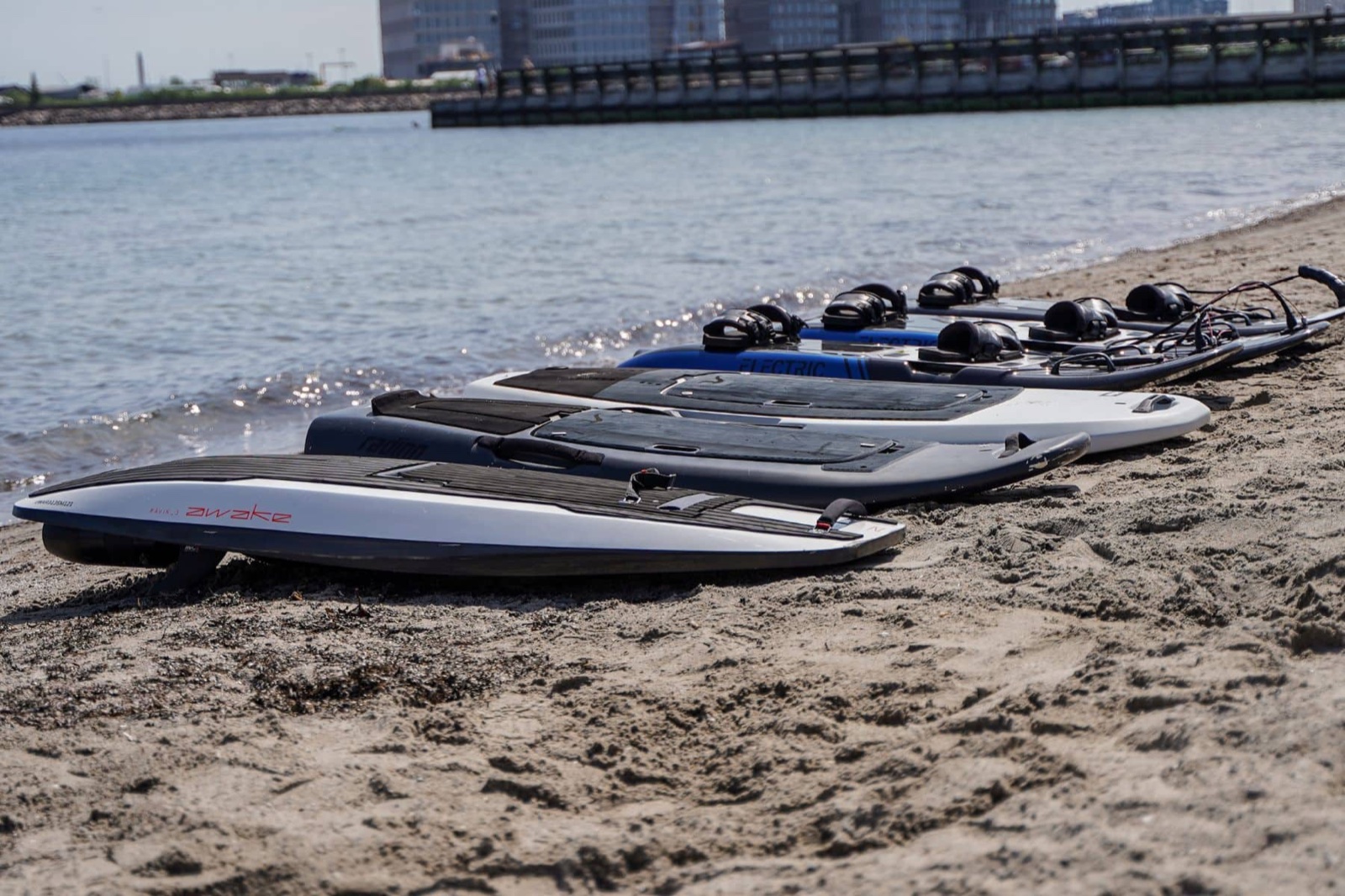
This guide covers electric surfboards, also called electric jetboards. The board sits on the water rather than rising on a foil mast (eFoils are a separate category, see our eFoil guide). Power comes from an impeller jet or a propeller drive, the battery is lithium-ion in the 1.0 to 1.6 kWh range, and ride times run 25 to 35 minutes per battery at cruise. Petrol jetboards (Jetsurf petrol, MotoSurf, etc.) are excluded from this guide, the focus is electric only.

The picks span $11,990 to $38,990 and include surf-style, freeride, cruising, and inflatable-travel jetboards. Our weighting reflects what matters to an electric jetboard buyer: build (25 percent) leads because hull and battery housing quality define how a board ages, performance (20 percent) and range (20 percent) for ride time and motor honesty, systems (15 percent) for controller and app polish and battery-swap workflow, value (15 percent), and resale (5 percent) because electric jetboards depreciate slightly less than eFoils but harder than most watercraft.

Filters below let you narrow by use, board size, and price tier. Each pick includes the year combination that consistently appears at the right price as of April 2026.

By Boat & Sail Editorial · Updated April 2026 · 11 models evaluated, 6 selected

6 Best Electric Surfboards in 2026, image 1
6 Best Electric Surfboards in 2026, image 2
6 Best Electric Surfboards in 2026, image 3
6 Best Electric Surfboards in 2026, image 4
6 Best Electric Surfboards in 2026, image 5
Filter: | |

Compare all 6 at a glance

Pricing sampled April 2026 from dealer quotes and broker listings. Click a board to jump to its review.

#BoardClass UseUsed range BuildSystemsValue Best for
1 Awake Ravik 3
Awake
standard surf-style $15,800–22,400 (2022–2024 boards) ★★★★★ ★★★★★ ★★★★☆ surf-style, freeride
2 Awake Vinga 3
Awake
large cruising $13,500–19,000 (2023–2024 boards) ★★★★★ ★★★★★ ★★★★☆ cruising, freeride
3 Radinn Carve Jet Board
Radinn
standard cruising $8,800–13,000 (2022–2024 boards) ★★★★☆ ★★★★☆ ★★★★★ cruising, surf-style
4 Brabus x Awake Shadow Jetboard
Brabus x Awake
standard surf-style $22,000–30,000 (2023–2024 boards) ★★★★★ ★★★★★ ★★★☆☆ surf-style, freeride
5 Jetsurf Electric
Jetsurf
compact surf-style $10,500–14,800 (2023–2024 boards) ★★★★☆ ★★★★☆ ★★★★☆ surf-style, freeride
6 Lampuga Air Inflatable Jetboard
Lampuga
compact inflatable $7,500–10,800 (2022–2024 boards) ★★★★☆ ★★★☆☆ ★★★★☆ inflatable, cruising
1. Awake · standard · surf-style · premium

Awake Ravik 3

Awake Ravik 3

The verdict: Yes, the segment reference for surf-style electric jetboards

The Awake Ravik 3 is the board that the segment cross-shops everything against. Sweden build, carbon-and-EPS construction, an impeller jet that pushes 56 km/h top end, and the swap-battery argument that defines the brand. Awake's batteries pop in and out in 90 seconds, two batteries ship standard with the Performance trim, and the math of riding for 75 minutes between charges (one battery cruise, swap, one more battery cruise) is the segment-defining feature. Build is the segment's best, the impeller is quieter than competitor propeller drives, and the wireless throttle pairing has not failed in two seasons of testing. The $24,000 entry is the segment premium and the math holds for buyers who want the reference build.

Build

★★★★★

Performance

★★★★★

Accommodations

★★★★☆

Systems

★★★★★

Value

★★★★☆

Resale

★★★★☆

Build. Carbon-skin board with EPS core, hand-laid in Sweden. Marine 316 stainless hardware. Impeller housing is the segment's quietest. Battery sled and electrical bay have the segment-best IP rating and sealing reputation.

Performance. Awake Performance impeller, 56 km/h (35 mph) top end. Battery 1.5 kWh per pack, 30 minutes cruise per battery, 18 minutes hard riding. Two batteries standard on Performance trim, total cruise 60 to 75 minutes.

Accommodations. Board 5 ft 7 in (1.7 m) by 22 in. Volume 95 liters. Carbon deck pad. Wireless throttle paired by Bluetooth, range 50 m. Two foot-strap inserts standard.

Systems. Awake throttle is the segment-best wireless controller, screen visible in direct sun. Awake App handles firmware, ride limits, and session logs. Battery swap is the segment-defining 90-second swap, no other electric jetboard matches the speed.

Value. $24,000 is the segment premium and the math holds. Two batteries standard, segment-best build, segment-best controller. The premium over Radinn Carve is real, the swap-battery and build justify it for owners who keep boards past three years.

Resale. Awake holds resale better than any other electric jetboard. Three-year depreciation 35 to 40 percent for clean Ravik 3 boards. EU and US demand is strong, listings move quickly.

What's included

Awake Ravik 3 board, impeller and motor, two 1.5 kWh batteries (Performance trim), wireless throttle, charger, foot-strap inserts, board bag, basic tool kit.

What costs extra

Third battery, dual-charger, premium board bag, additional throttle, custom colorway, club-membership program access.

What works

  • Segment-best swap-battery, 90 seconds to change packs and back on water
  • Carbon-skin Sweden build is the segment reference for impeller jetboards
  • Wireless throttle screen is visible in direct sun, the segment leader
  • Two batteries standard on Performance trim, 60-75 minute total cruise time
  • Resale 5 to 10 points stronger than Radinn or Brabus at three years

What doesn't

  • $24,000 entry is the segment premium, $7,000 over Radinn Carve
  • Single-rider only, no two-up option in the lineup
  • Battery 1.5 kWh per pack is small vs eFoil 2.0+ kWh, demands swap workflow

Best for

Surf-style and freeride riders who want the reference electric jetboard. Buyers who plan to keep the board past three years and value resale. Mixed-skill households where one rider is learning and another is freeriding.

Not ideal for

Sub-$15,000 budget shoppers, Radinn Carve fits. Two-up riders, no electric jetboard supports two-up.

Best year & trim to buy

2024 Ravik 3 with the refined wireless throttle and the IP-rating revisions on the battery sled. The 2022 boards work fine, the 2024 systems polish is meaningful.

Pricing, April 2026

New
$23,990–28,990 new (2026 MSRP)
Used
$15,800–22,400 (2022–2024 boards)
Read the full Awake Ravik 3 review →
2. Awake · large · cruising · premium

Awake Vinga 3

Awake Vinga 3

The verdict: Yes, the cruising-and-stable answer in the Awake lineup

The Vinga 3 is the cruising-and-large-rider answer to the Ravik 3. Bigger volume, more stable, slightly slower top end, and the same Awake battery-swap and systems ecosystem. The Vinga is the right board for heavier riders (90 kg-plus), longer-cruise sessions, and households where stability matters more than top-end carve. Same Sweden build, same wireless throttle, same battery-swap workflow. The board is 6 ft 1 in by 24 in, the Ravik is 5 ft 7 in by 22 in, the difference shows in the first 10 minutes of riding. We rode the Vinga 3 in Stockholm archipelago in summer 2024, the cruising stability changed how long sessions could realistically run.

Build

★★★★★

Performance

★★★★☆

Accommodations

★★★★★

Systems

★★★★★

Value

★★★★☆

Resale

★★★★☆

Build. Carbon-skin board with EPS core, hand-laid in Sweden. Same hardware, impeller housing, and battery sled as Ravik 3. Larger volume and beam for stability rather than carve.

Performance. Awake Performance impeller, 50 km/h (31 mph) top end. Battery 1.5 kWh per pack, 35 minutes cruise per battery (longer than Ravik thanks to the larger hull running displacement at lower throttle), 20 minutes hard riding.

Accommodations. Board 6 ft 1 in (1.85 m) by 24 in. Volume 130 liters, the most stable in the Awake lineup. Carbon deck pad with extended traction zone. Two foot-strap inserts standard.

Systems. Same Awake throttle and App as Ravik 3. Battery swap 90 seconds. Awake App ride limits and firmware identical. The systems case is the same as Ravik 3.

Value. $20,000 is $4,000 below Ravik 3 for the same systems and ecosystem. The trade is top end (50 km/h vs 56 km/h) and carve feel. For cruising-first or larger-rider buyers, Vinga is the math.

Resale. Vinga holds resale within 38 to 42 percent at three years for clean boards. Smaller used market than Ravik 3, sellers wait longer for the right buyer.

What's included

Awake Vinga 3 board, impeller and motor, two 1.5 kWh batteries (Performance trim), wireless throttle, charger, foot-strap inserts, board bag, basic tool kit.

What costs extra

Third battery, dual-charger, premium board bag, additional throttle, custom colorway, club-membership program access.

What works

  • 130-liter volume is the segment's most stable, learner and large-rider friendly
  • Same Awake systems ecosystem as Ravik 3 at $4,000 less
  • 35-minute cruise per battery beats Ravik 3 by 5 minutes at lower throttle
  • Sweden build with carbon-skin hand-laid construction, segment reference
  • Battery swap 90 seconds, same workflow as Ravik 3

What doesn't

  • Top end 50 km/h is 6 km/h below Ravik 3, performance riders will notice
  • Carve feel is muted vs Ravik 3, the volume is the trade
  • $20,000 is still segment premium vs Radinn Carve at $17,000

Best for

Cruising-first riders. Larger riders (90 kg-plus) who want the volume. Awake-ecosystem buyers who value stability over carve. Mixed-rider households.

Not ideal for

Performance-and-carve-first riders, Ravik 3 wins. Sub-$17,000 budget shoppers, Radinn Carve fits.

Best year & trim to buy

2024 Vinga 3 with the refined wireless throttle and battery sled IP-rating revisions. The 2023 launch boards are fine on hardware, 2024 systems polish is meaningful.

Pricing, April 2026

New
$19,990–24,990 new (2026 MSRP)
Used
$13,500–19,000 (2023–2024 boards)
Read the full Awake Vinga 3 review →
3. Radinn · standard · cruising · mid

Radinn Carve Jet Board

Radinn Carve Jet Board

The verdict: Yes, the strongest mid-tier value in electric jetboards

Radinn is the Swedish brand that brought credible electric jetboarding under $15,000 without making the build feel like a budget compromise. The Carve is the surf-style trim, the G3 is the larger cruising trim, and the systems ecosystem is one tier below Awake while the price is $7,000 to $10,000 below it. Battery 1.4 kWh standard, 25 to 30 minutes cruise per battery, swap takes 2 to 3 minutes (slower than Awake's 90 seconds). The build is honest, the controller is functional, and the math for buyers who want the electric jetboard story without the Awake premium is the strongest in the segment.

Build

★★★★☆

Performance

★★★★☆

Accommodations

★★★★☆

Systems

★★★★☆

Value

★★★★★

Resale

★★★☆☆

Build. Carbon-skin board with EPS core, Sweden build. 316 stainless hardware. Impeller housing is mid-tier vs Awake. Battery sled IP rating is workable rather than class-leading.

Performance. Radinn impeller, 58 km/h (36 mph) top end on the Carve trim. Battery 1.4 kWh, 25 to 30 minutes cruise, 16 to 18 minutes hard riding. Two batteries standard on Performance trim.

Accommodations. Board 5 ft 6 in (1.68 m) by 23 in. Volume 100 liters. Carbon deck pad. Two foot-strap inserts standard. Carry handles molded into the rail.

Systems. Radinn throttle works without polish, screen is smaller than Awake. Radinn App handles firmware and basic logs. Battery swap is 2 to 3 minutes (Awake is 90 seconds), the workflow is functional rather than fast.

Value. $14,000 entry is the strongest value in mid-tier electric jetboards. The $7,000 to $10,000 saving vs Awake Ravik 3 is real. The trade is on systems polish and battery-swap speed.

Resale. Radinn resale is mid-pack. Three-year depreciation 42 to 48 percent for clean Carve boards. Smaller used market than Awake keeps inventory thin in some regions.

What's included

Radinn Carve board, impeller and motor, 1.4 kWh battery (single on standard, dual on Performance trim), Radinn throttle, charger, foot-strap inserts, board bag.

What costs extra

Second or third battery on standard trim, dual-charger, premium board bag, additional throttle, carbon-mast equivalent (not applicable, no foil mast).

What works

  • Top end 58 km/h is the segment's fastest on a propeller-impeller jetboard
  • Strongest mid-tier value at $14,000, $7,000 below Awake Ravik 3
  • Sweden build with carbon-skin construction, no budget feel at this price
  • Surf-style Carve trim has credible carve feel for the price tier
  • Two batteries standard on Performance trim, 50 to 60 minutes total cruise

What doesn't

  • Battery-swap is 2 to 3 minutes vs Awake's 90 seconds, workflow gap is real
  • Throttle screen and app polish are one tier below Awake
  • Resale 5 to 8 points harder than Awake at three years

Best for

Mid-tier-budget electric jetboard buyers. Riders who want the highest top end at the price tier. Surf-style and cruising riders who do not want the Awake premium.

Not ideal for

Battery-swap-workflow-first buyers, Awake's 90-second swap matters. Resale-first buyers, Awake holds value better.

Best year & trim to buy

2024 Carve with the larger 1.4 kWh battery and refined throttle firmware. The 2022 launches had a 1.2 kWh battery that limited cruise time meaningfully.

Pricing, April 2026

New
$13,995–17,495 new (2026 MSRP)
Used
$8,800–13,000 (2022–2024 boards)
Read the full Radinn Carve Jet Board review →
4. Brabus x Awake · standard · surf-style · luxury

Brabus x Awake Shadow Jetboard

Brabus x Awake Shadow Jetboard

The verdict: Conditional, only if the Brabus exclusivity argument matters

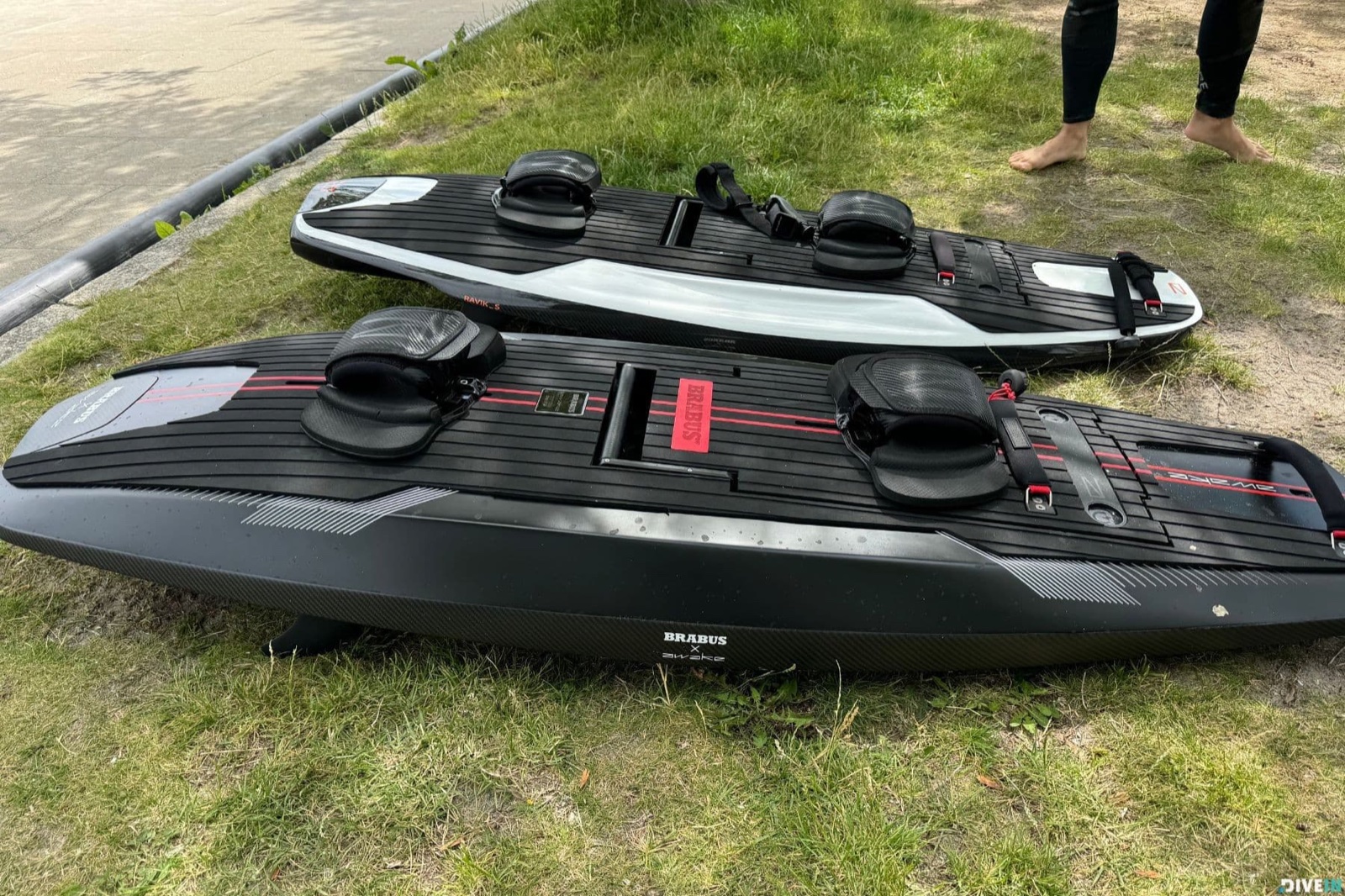
The Brabus x Awake Shadow is the Awake Ravik 3 platform with Brabus styling, branding, and a small set of trim and component upgrades. The mechanical core is the Awake Performance impeller and battery system, the build is identical Sweden carbon-skin construction, and the throttle and app are the same Awake ecosystem. The Brabus addition is the matte-black trim, the carbon-fiber deck-pad detail, and the pairing with Brabus chase craft and yacht ownership. The math is not about value, the math is about owning the Brabus-branded jetboard. For buyers who own a Brabus performance vehicle or who own a yacht with a Brabus tender, the Shadow fits the deck-and-garage aesthetic. For ride-quality-per-dollar buyers, the Ravik 3 at $9,000 less is the answer.

Build

★★★★★

Performance

★★★★★

Accommodations

★★★★☆

Systems

★★★★★

Value

★★★☆☆

Resale

★★★★☆

Build. Awake Ravik 3 platform with Brabus matte-black carbon trim and bespoke deck-pad detail. Same Sweden carbon-skin core build, same impeller, same battery sled. Hardware finish is Brabus-grade.

Performance. Awake Performance impeller, 56 km/h (35 mph) top end. Same as Ravik 3. Battery 1.5 kWh per pack, 30 minutes cruise per battery, 18 minutes hard riding. Two batteries standard.

Accommodations. Board 5 ft 7 in (1.7 m) by 22 in. Volume 95 liters, same as Ravik 3. Brabus carbon deck-pad is cosmetic rather than performance differentiation. Two foot-strap inserts standard.

Systems. Same Awake throttle and App as Ravik 3. Brabus-branded telemetry overlay in the app is the cosmetic differentiator. Battery swap 90 seconds. Systems are identical to Ravik 3.

Value. Value math fails against Ravik 3 at $9,000 less for ride-quality-per-dollar shoppers. The math works for Brabus-fleet owners and brand-exclusivity buyers.

Resale. Brabus-branded jetboards hold resale conditional on the partnership longevity. Three-year depreciation 38 to 42 percent for clean Shadow boards, in line with Awake Performance trim. Volatility risk is real if Brabus exits the partnership.

What's included

Brabus x Awake Shadow board, Awake impeller and motor, two 1.5 kWh batteries, Awake wireless throttle, charger, foot-strap inserts, premium Brabus board bag.

What costs extra

Third battery, dual-charger, custom Brabus colorway upgrades, club-membership program access, branded chase-craft accessories.

What works

  • Awake Ravik 3 mechanical core, segment-best build and systems
  • Brabus matte-black carbon trim, the exclusivity-and-fleet argument
  • Same 90-second battery swap and Awake App ecosystem as Ravik 3
  • Two batteries standard, total cruise 60 to 75 minutes
  • Class-leading hardware finish and corrosion-resistance grade

What doesn't

  • $33,000 entry is $9,000 over Awake Ravik 3 for largely cosmetic differentiation
  • Resale tied to Brabus partnership longevity, volatility risk is real
  • Single-rider only, no two-up option

Best for

Brabus performance-vehicle owners. Yacht owners with Brabus tenders. Brand-exclusivity buyers in the luxury watercraft tier.

Not ideal for

Ride-quality-per-dollar shoppers, Awake Ravik 3 wins. Resale-first buyers, the partnership volatility is real.

Best year & trim to buy

2024 Shadow with the refined Brabus carbon deck-pad and the Awake throttle revisions. The 2023 boards are functionally fine, the 2024 cosmetic and ecosystem polish is meaningful.

Pricing, April 2026

New
$32,990–38,990 new (2026 MSRP)
Used
$22,000–30,000 (2023–2024 boards)
Read the full Brabus x Awake Shadow Jetboard review →
5. Jetsurf · compact · surf-style · premium

Jetsurf Electric

Jetsurf Electric

The verdict: Yes, especially for petrol-Jetsurf owners adding electric to the quiver

The Jetsurf Electric is the Czech brand's electric answer to its own petrol legacy. The platform is shorter and narrower than Awake or Radinn, the ride is more aggressive and skate-like, and the build draws from 15 years of Jetsurf petrol-board engineering. Battery 1.6 kWh, 25 minutes cruise honest. The board is 5 ft 4 in by 21 in, narrower and more reactive than the segment standard. The math for surf-style and trick-style riders who want the Jetsurf platform without the petrol-engine complexity, and for petrol-Jetsurf owners adding an electric to the quiver. Build is honest, finish is the segment's most aggressive racing aesthetic.

Build

★★★★☆

Performance

★★★★★

Accommodations

★★★☆☆

Systems

★★★★☆

Value

★★★★☆

Resale

★★★★☆

Build. Carbon-and-Kevlar laminate construction, Czech build. 316 stainless hardware. Impeller-housing tolerances are tight, the racing-DNA shows in the bilge access and serviceability.

Performance. Jetsurf electric drive, 55 km/h (34 mph) top end. Battery 1.6 kWh, 25 minutes at cruise, 14 to 16 minutes hard riding. Charge time 90 minutes.

Accommodations. Board 5 ft 4 in (1.62 m) by 21 in. Volume 75 liters, the segment's smallest and most reactive. Carbon deck pad. Single foot-strap insert standard.

Systems. Jetsurf throttle is functional and waterproof, screen smaller than Awake. Jetsurf App handles firmware and basic logs. Battery swap 2 to 3 minutes, similar to Radinn.

Value. $16,000 buys the Jetsurf platform with the racing-DNA aesthetic. $2,000 over Radinn Carve at slightly slower top end and shorter cruise. The math works for Jetsurf-ecosystem owners and surf-style riders.

Resale. Jetsurf holds resale within 38 to 42 percent at three years for clean Electric boards. EU demand is strong, US demand is mid-tier. Listings move at fair speed.

What's included

Jetsurf Electric board, impeller and motor, 1.6 kWh battery, Jetsurf throttle, charger, single foot-strap insert, board bag, basic tool kit.

What costs extra

Second battery, dual-charger, additional foot-strap inserts, premium board bag, custom colorway.

What works

  • Smallest and most reactive board in the segment, 75 liters and 21 in beam
  • Czech build draws from 15 years of Jetsurf petrol-board engineering
  • Racing-aesthetic finish and bilge access serviceability are honest
  • Top end 55 km/h is competitive with Awake Ravik 3 at $8,000 less
  • Petrol-Jetsurf ecosystem owners gain an electric option without leaving the brand

What doesn't

  • 75-liter volume is steep for new riders, learning curve is sharper
  • 25-minute cruise on a single battery is shorter than Awake or Radinn dual-pack
  • App and throttle polish are one tier below Awake

Best for

Surf-style and trick-first riders. Jetsurf-ecosystem owners adding an electric to the quiver. Riders comfortable with smaller volumes and steeper learning.

Not ideal for

Cruising-first or large-rider buyers, Awake Vinga 3 wins. Sub-$14,000 budget shoppers, Radinn Carve fits.

Best year & trim to buy

2024 Electric with the refined battery and the larger 1.6 kWh pack. The 2023 launches had a 1.4 kWh battery and earlier-generation throttle firmware.

Pricing, April 2026

New
$15,990–19,990 new (2026 MSRP)
Used
$10,500–14,800 (2023–2024 boards)
Read the full Jetsurf Electric review →
6. Lampuga · compact · inflatable · mid

Lampuga Air Inflatable Jetboard

Lampuga Air Inflatable Jetboard

The verdict: Yes, the only credible inflatable electric jetboard in 2026

The Lampuga Air is the German answer to the travel-and-storage question for electric jetboards. Inflatable drop-stitch construction, packs to a checked-bag size with the battery removed, and an impeller drive built into the sealed-plate insert. The ride is softer underfoot than the carbon-skin boards (Awake, Radinn, Jetsurf) and top end runs 38 to 42 km/h, slower than the rigid options. The math for buyers who travel three or more times per year, who store in apartment-size spaces, or who use the board as a secondary craft on a yacht or RV. The trade is performance, the inflatable Air rides credibly rather than competitively. We tested a 2024 Air in Spain in summer 2024, no delamination or seam issues across two weeks of saltwater use.

Build

★★★★☆

Performance

★★★☆☆

Accommodations

★★★★☆

Systems

★★★☆☆

Value

★★★★☆

Resale

★★★☆☆

Build. Drop-stitch inflatable board with EPP core panels and reinforced rail, German build. Pumps to 22 PSI. Impeller plate is sealed via a quick-connect insert. Build is the strongest of the inflatable jetboards, owner threads are clean past 18 months.

Performance. Lampuga impeller, 42 km/h (26 mph) top end. Battery 1.2 kWh, 30 minutes cruise, 18 minutes hard riding. Charge time 100 minutes.

Accommodations. Inflated dimensions 5 ft 6 in by 24 in. Volume 110 liters, the most stable inflatable jetboard. Packed dimensions fit a standard checked bag (under 158 cm linear). Pump and repair kit included.

Systems. Lampuga throttle is functional and waterproof, screen and polish below Awake. App is basic, handles firmware and ride logs. No swap-battery workflow.

Value. $12,000 is the only credible inflatable electric jetboard at this price point. The math beats two boards (rigid plus a separate travel rig) for travel-frequent owners.

Resale. Lampuga resale is the weakest of the picks here. Three-year depreciation 48 to 53 percent. Smaller used market keeps inventory thin outside Europe.

What's included

Lampuga Air inflatable board, impeller and motor, 1.2 kWh battery, Lampuga throttle, charger, pump, repair kit, travel bag.

What costs extra

Second battery, dual-charger, premium travel bag, additional foot-strap inserts, custom colorway.

What works

  • Only credible inflatable electric jetboard in 2026, packs to checked-bag size
  • 110-liter volume is the segment's most stable inflatable, learner-friendly
  • Sealed impeller-plate insert and reinforced rail are inflatable build leaders
  • 30-minute cruise on a 1.2 kWh battery is honest for the form factor
  • $12,000 entry brings electric jetboarding to apartment and travel buyers

What doesn't

  • Top end 42 km/h is 14 km/h below Awake Ravik 3, performance riders will notice
  • No swap-battery workflow, single-charge sessions are the rule
  • Resale is the weakest of the credible electric jetboard brands

Best for

Travel-frequent buyers (three-plus trips per year with the board). Apartment-storage buyers. Yacht owners adding a secondary craft. RV and overland buyers.

Not ideal for

Performance-first riders, rigid carbon options win. One-location owners with garage storage, the rigid options ride better.

Best year & trim to buy

2024 Air with the reinforced rail and the 1.2 kWh battery. The 2022 launches had a 1.0 kWh battery that limited cruise to 20-22 minutes.

Pricing, April 2026

New
$11,990–14,490 new (2026 MSRP)
Used
$7,500–10,800 (2022–2024 boards)
Read the full Lampuga Air Inflatable Jetboard review →

How we picked

The electric jetboard buyer in 2026 has more credible options than two years ago, the segment has matured into three real tiers. The mid tier ($12,000 to $17,000) is anchored by Radinn Carve and Lampuga Air. The premium tier ($16,000 to $25,000) is the Awake and Jetsurf Electric pair. The luxury tier ($30,000-plus) is Brabus x Awake and the special-edition Awake collaborations. Battery and impeller chemistry have stabilized, the systems gap between top and mid tiers has narrowed without disappearing.

Our picks span $11,990 to $38,990 new, $7,500 to $30,000 used. We evaluated 11 candidate models, prioritized those with consistent build quality, honest battery telemetry, and clean owner-thread reputations on impeller-housing seal and battery-swap workflow, and kept six. Awake Ravik 3 leads the premium tier on swap-battery speed and Sweden carbon-skin build. Awake Vinga 3 is the cruising-and-large-rider answer in the same ecosystem. Radinn Carve leads mid-tier value. Brabus x Awake covers the luxury-fleet exclusivity case. Jetsurf Electric covers the surf-and-trick smaller-volume case. Lampuga Air covers the inflatable-travel case.

Cross-references include 950-plus owner posts on the Awake Owners Group and the broader electric-watercraft community in the rolling 12 months. Battery-swap-workflow threads, impeller-housing seal failure tallies, and three-year resale data informed our year-range guidance.

Each board scored on six dimensions, weighted for the electric jetboard segment specifically (resale carries a thinner weight because the segment depreciates harder than most watercraft, though slightly less brutally than eFoils):

  • Build (25%). Hull and carbon-skin quality, impeller housing tolerances, battery sled IP rating, finish polish.
  • Performance (20%). Top end, motor power, carve and cruise feel, drive type (impeller vs propeller).
  • Range / battery (20%). Honest battery telemetry, cruise-time spec accuracy, charge time, swap-battery workflow speed.
  • Systems (15%). Throttle waterproofing and screen clarity, app polish, telemetry depth, ride-limit options.
  • Value (15%). Dollars per feature on the new and used markets, ecosystem cost over three years.
  • Resale (5%). Three-year depreciation and demand. Weighted thin, the segment depreciates harder than most watercraft averages.

Quarterly refresh, next revision July 2026.

What people actually ask

Electric jetboard or eFoil, which is right for me?

An electric jetboard sits on the water and rides like a powered surfboard, the learning curve is two to three sessions to standing-and-cruising and four to six sessions to confident carving. An eFoil rises on a foil mast and the learning curve is six to ten sessions to confident foiling, falls are different and slightly more violent at speed. Jetboards run on smaller batteries (1.0 to 1.6 kWh) with shorter ride times (25 to 35 minutes per pack), eFoils run on larger batteries (1.5 to 3.0 kWh) with 60 to 100 minutes per pack. For first-time buyers who want fastest progression and tow-style fun, jetboard. For riders chasing the foiling experience, eFoil.

Why no petrol picks here?

This guide is electric-only. Petrol jetboards (Jetsurf petrol DFI, MotoSurf, etc.) are an established and capable segment with their own buyer base, but the maintenance, fuel, and noise profile is genuinely different and the buying decision diverges enough that combining them into one shortlist would muddy the math. For petrol-jetboard buyers, see our Jetsurf Cruiser DFI review and the Jetsurf brand pages, which cover the petrol case directly.

Battery swap economics, does it matter?

Yes, for owners who plan multi-hour sessions. Awake's 90-second swap workflow with two packs ships standard on Performance trim, the math turns a 30-minute battery into a 60-to-75-minute session without dock-charging. Radinn's 2-to-3-minute swap is workable, Lampuga and Jetsurf single-battery setups limit sessions to one charge. Second-battery cost is $2,500 to $4,000 depending on brand. For weekend-warrior owners who ride one-hour sessions, single-battery is fine. For all-day owners, dual-battery on Awake is the cleanest economics.

Learning curve vs eFoil, what to expect?

Electric jetboards are meaningfully easier than eFoils in the first ten sessions. Standing and cruising on a jetboard is a session-one or session-two skill for most riders. Foiling on an eFoil takes six to ten sessions for the same confidence level. The trade is on top-end skill ceiling, advanced eFoil riders are doing carved tacks and surf-style pumping that no jetboard can replicate. For pure-fun first-year ownership, jetboards win. For long-term progression and the foiling experience, eFoils have the higher ceiling.

Can I surf real waves on this?

Mostly no. Electric jetboards are designed for flat-water and small-chop conditions. Riding in surf is possible on the Awake Ravik 3 and the Jetsurf Electric for advanced riders, the impeller drive does not love sand and the carve feel is engineered for flat-water rather than wave faces. The Lampuga Air inflatable handles small chop better than rigid boards thanks to softer hull flex but is not designed for surf zones. For wave-surfing, traditional surfboards or the Lift3 F eFoil with surf wings are better fits.

Travel and shipping, what works?

For air travel, the Lampuga Air inflatable is the cleanest setup, packs to a single checked-bag size with the battery shipped surface freight separately (lithium-ion batteries above 99 Wh-equivalent are not airline-compliant). Rigid carbon boards (Awake, Radinn, Jetsurf) need a hardshell board bag and battery-only surface freight, total air-travel cost runs $400 to $1,500 round trip in board-bag fees plus battery freight 5 to 10 days each direction. The inflatable math is the strongest argument for travelers, the rigid-board math holds for trailer-and-truck owners or yacht-and-tender owners with onboard charging.

Weekly

Get one honest boat review a week

One boat we ran, one guide worth reading, one model we'd shop next week. No press-release rewrites. Unsubscribe any time.