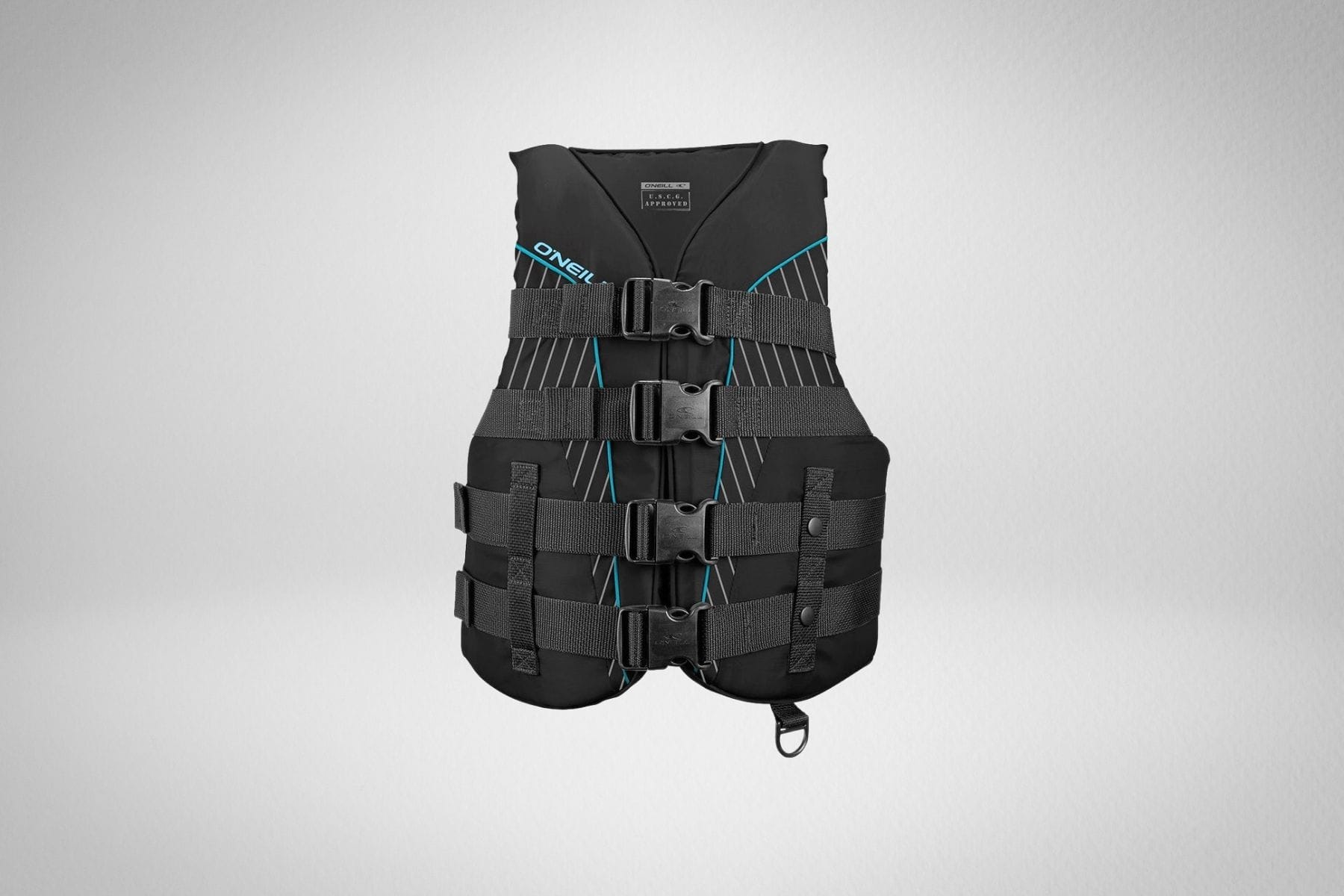
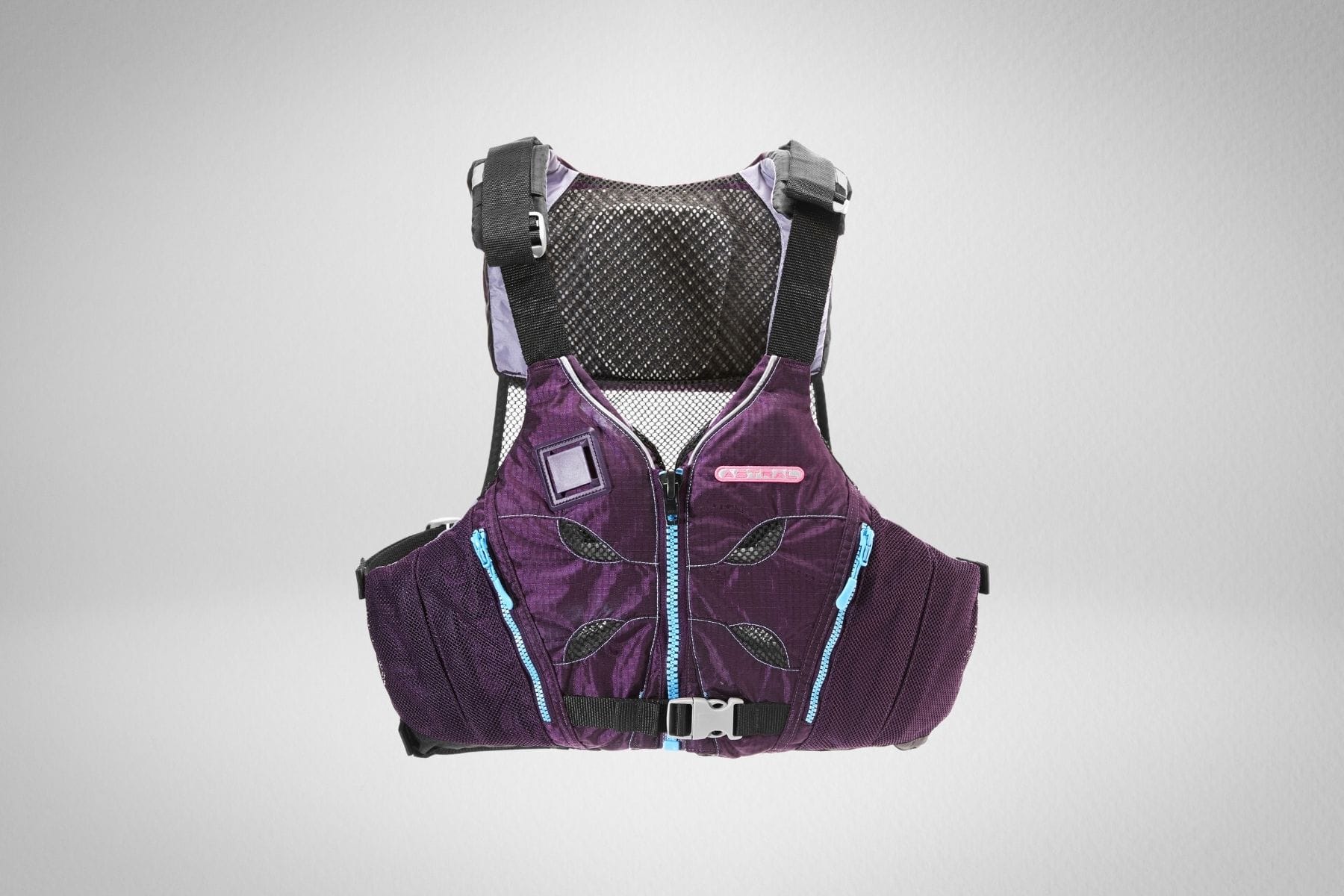
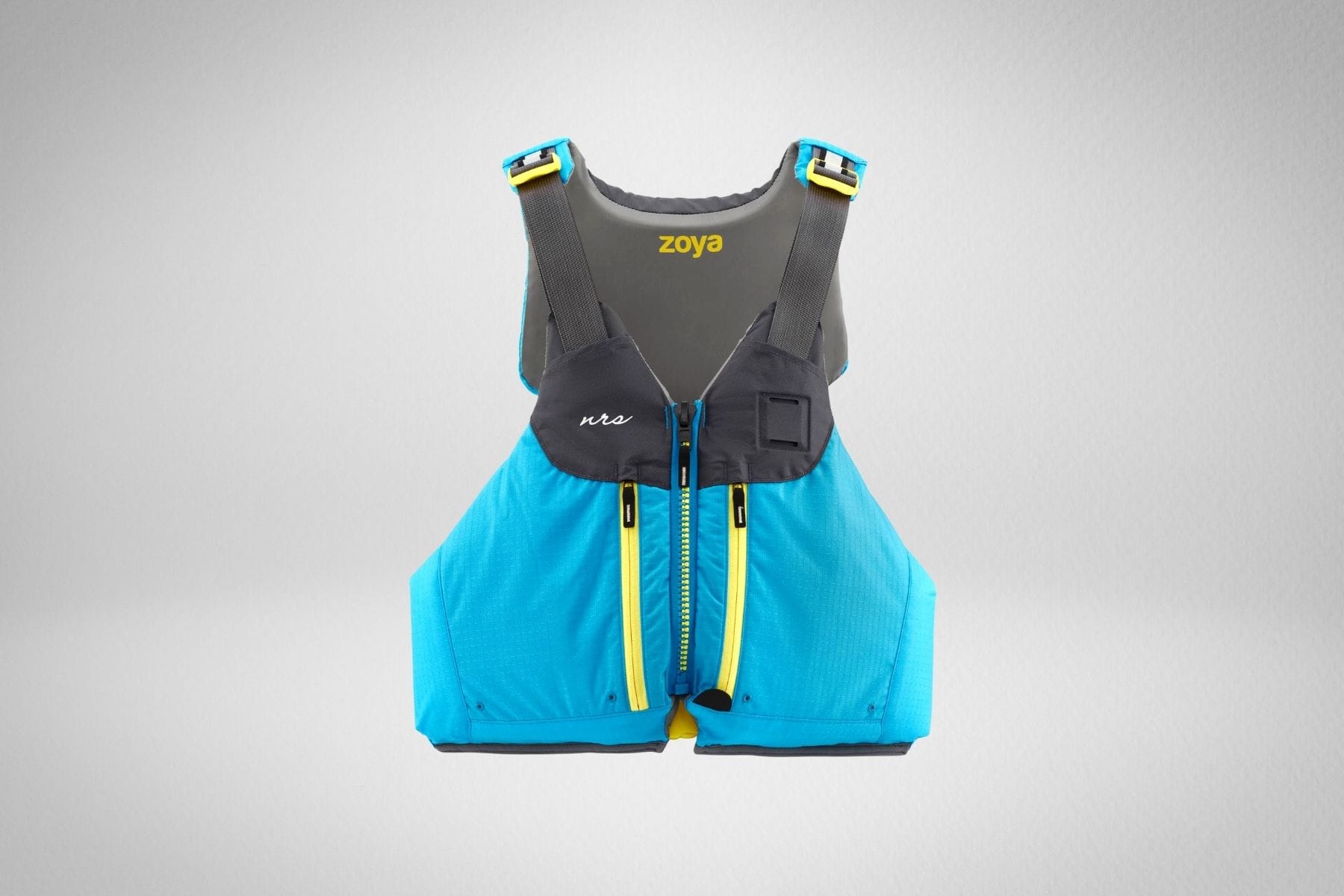
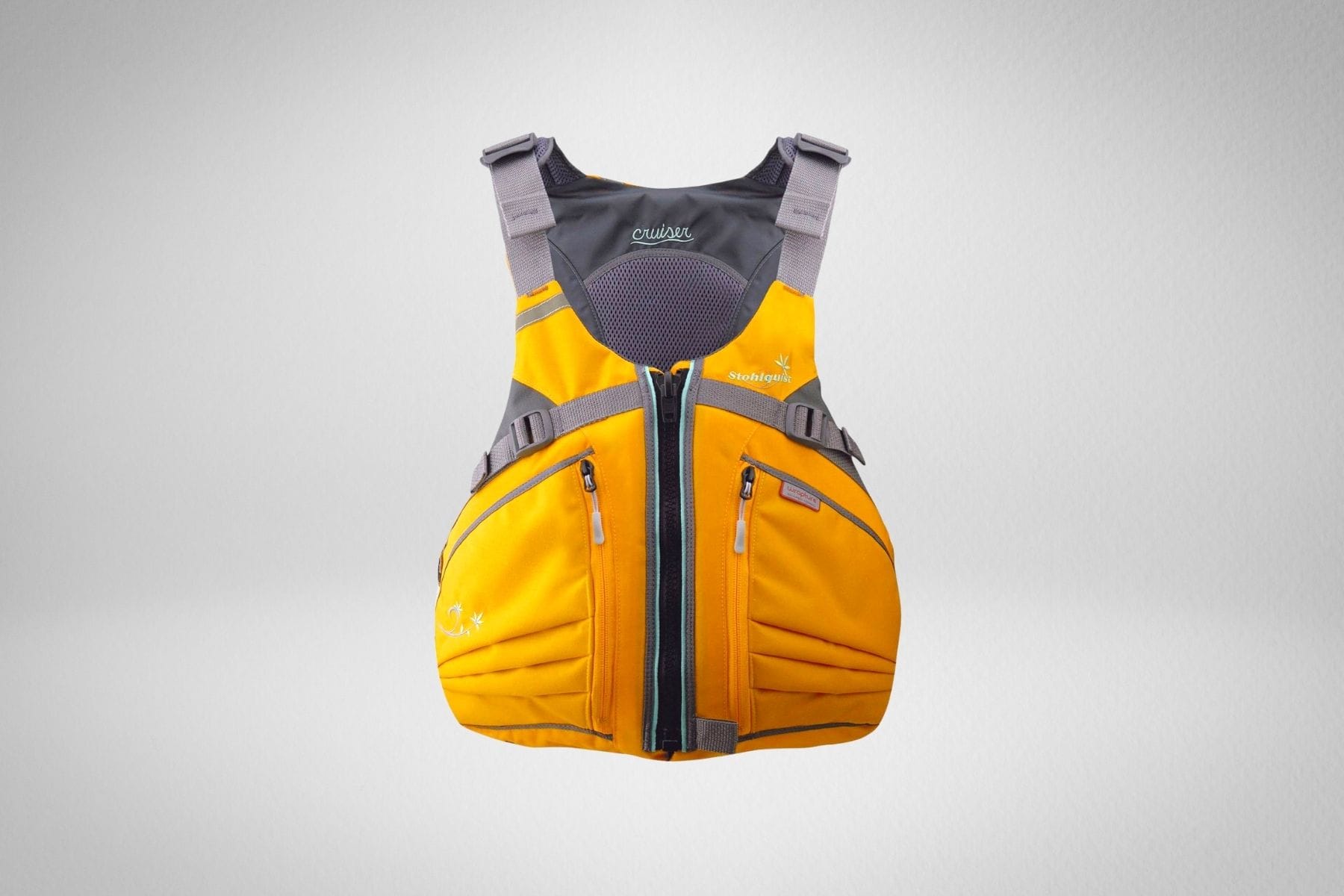
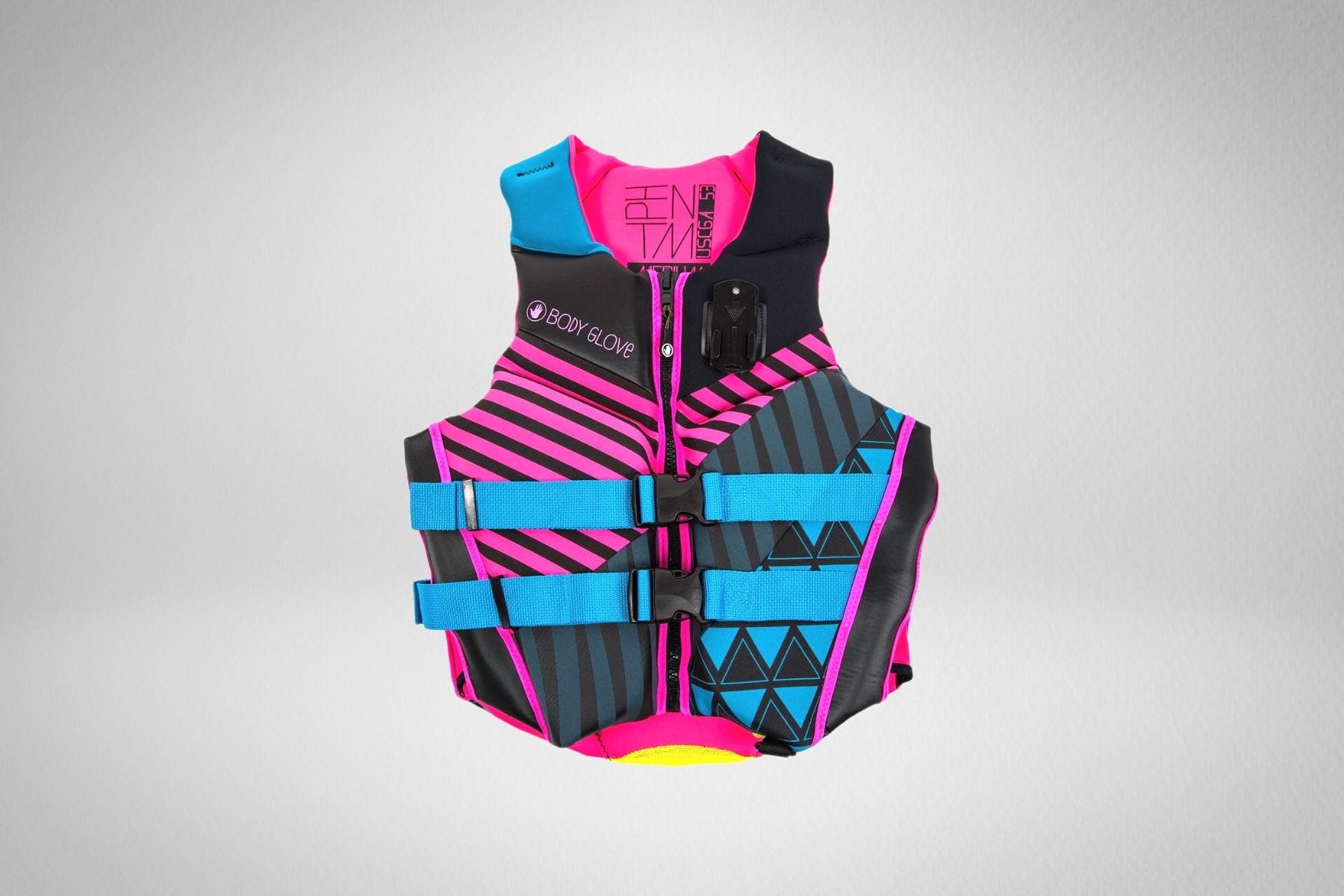
BUYING GUIDE
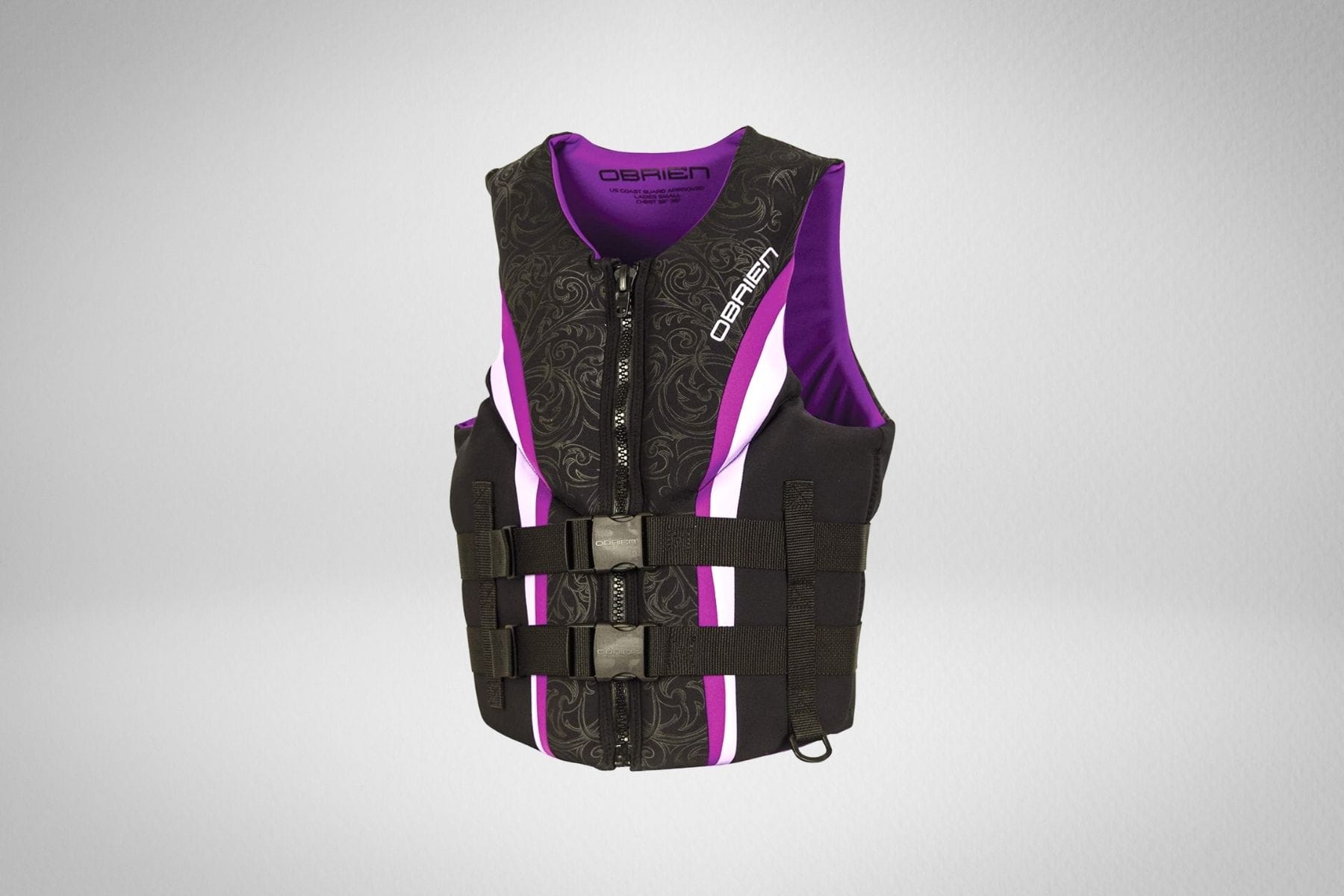
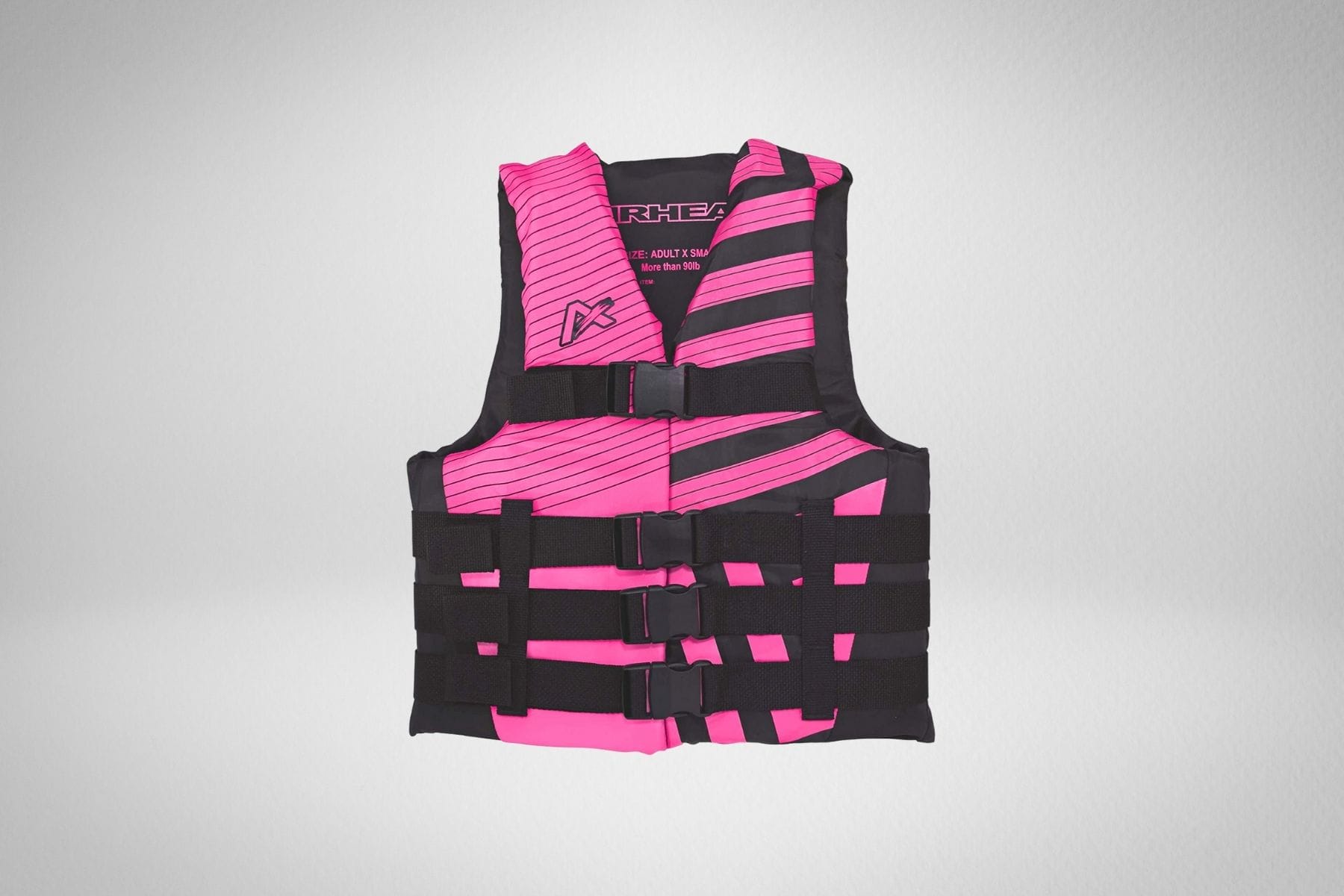
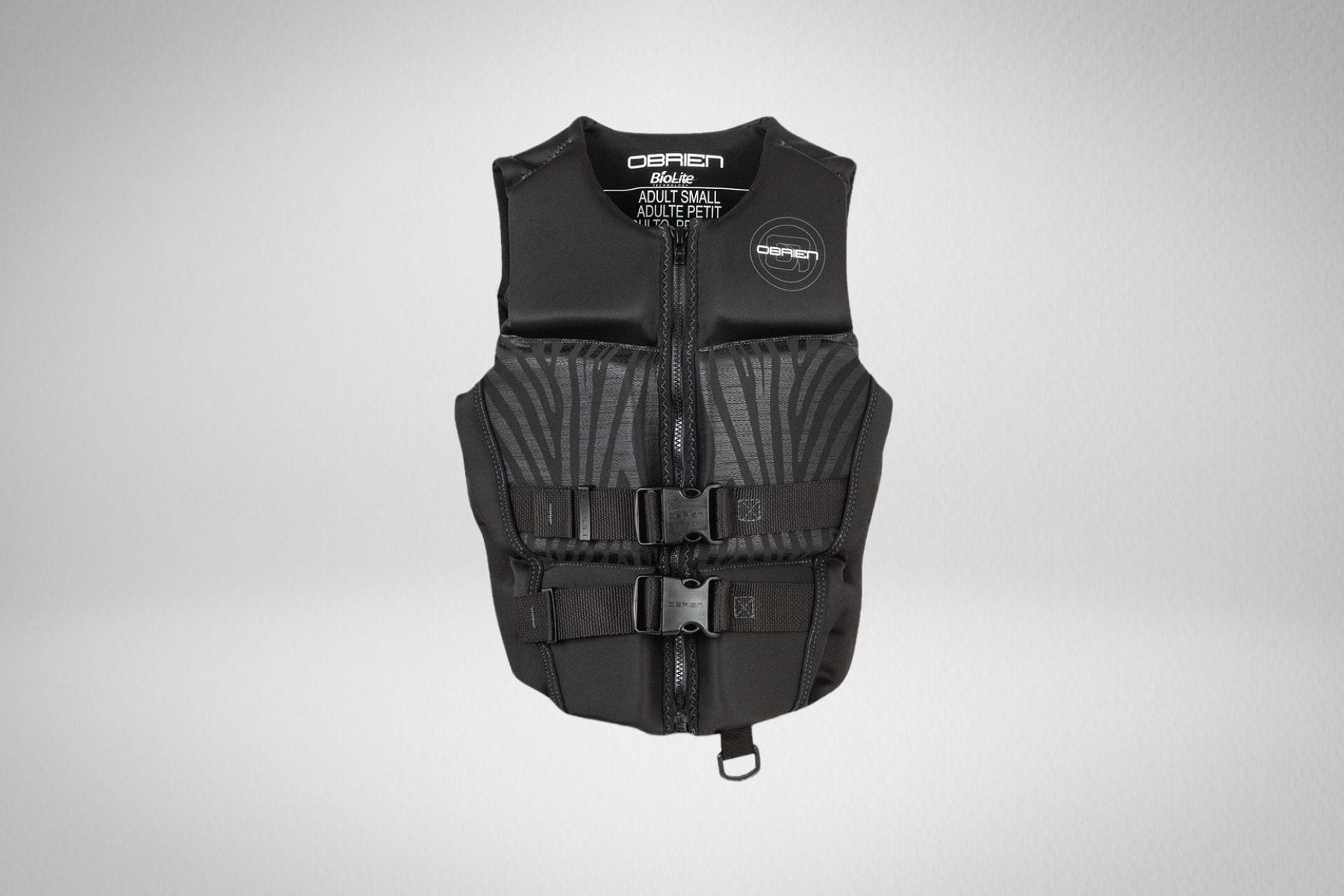
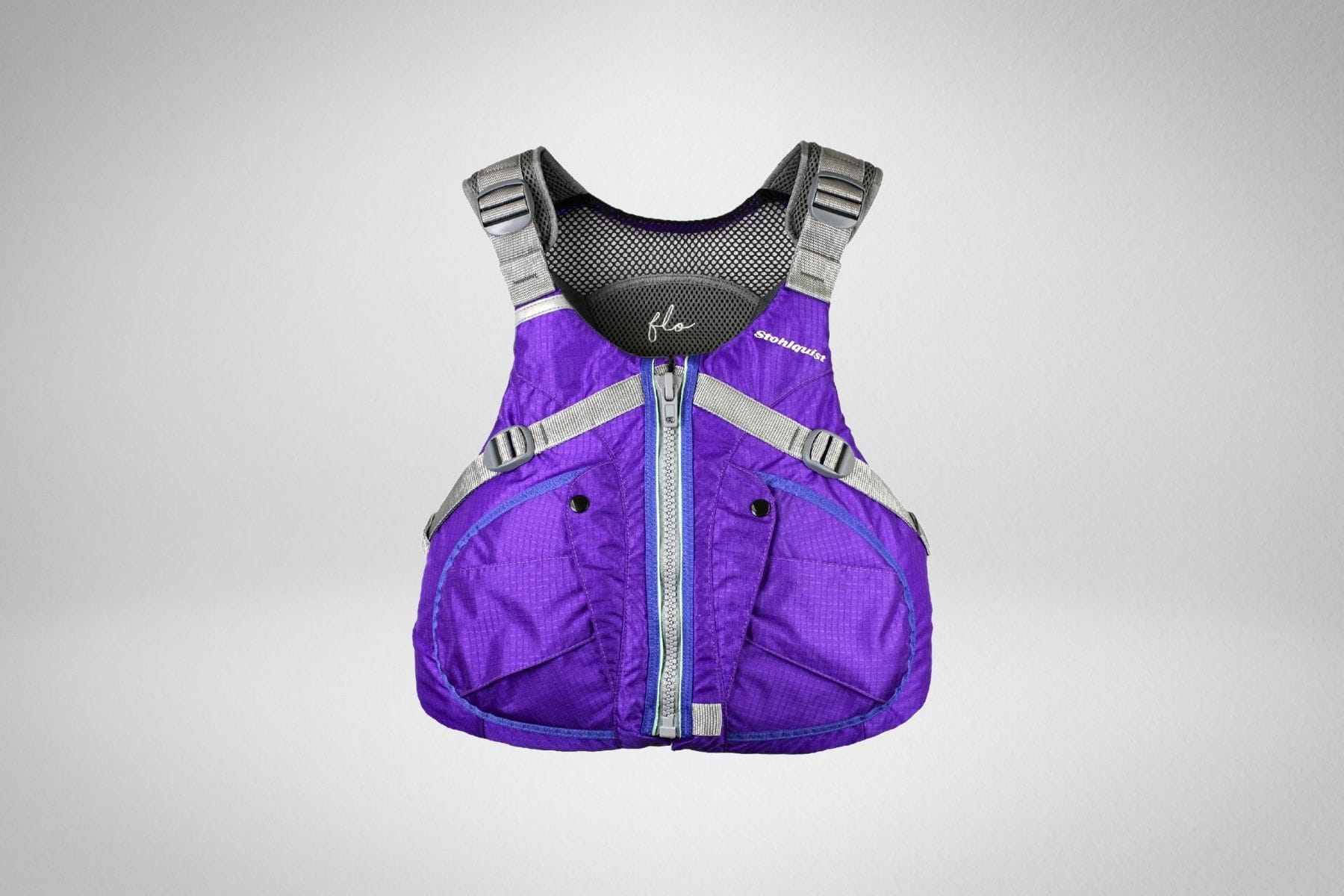
Womens life vests are, unfortunately, not available as widely as unisex models that fit men’s bodies more.
It’s not uncommon for a supposedly unisex life jacket to be a little too snug around the upper torso of a woman. If that results in someone electing to leave the life vest on shore or under the boat seat, then it can lead to mishap.
According to the Red Cross, wearing a life jacket or a PFD (personal flotation device) can prevent 90% of boating-related drownings. The US National Parks Service has identified that drowning is the top cause of deaths in National Parks around the country.
It is evident that wearing a life jacket can be a life saver. However, with hundreds of types and models on the market choosing the correct one can be challenging.
There are a couple of crucial things to consider before investing in a life jacket. To come with a vest that fits your personal style and preference perfectly, you’ll have to be aware of essential factors such as size, design, weight capacity, color, and others that add supremely to the overall performance of the PFD.
SIZE
Everything comes down to the size of the life jacket. If the vest is too small, there will be a movement restriction. If it happens to be too large, you’ll have trouble staying afloat. The perfect size is determined when you have the jacket put on, and someone tugs the PFD up. If the jacket doesn’t go up to your neck and nose and stays in its place, congratulations, you’ve found your perfect size.
DESIGN
As a woman, you want to make sure that the life jacket you purchase is supportive. Many models include inner cups that can make the life jacket more comfortable, especially for bigger chested women.
It’s also crucial to have mesh drain panels added to the life jacket. They allow the PFD to dry quicker than average (hours faster), and provide proper ventilation. Thus you will be able to deliver excellent care to your back, avoiding sweating and perspiration.
Weight Capacity
It’s important to be aware of the floating capacity when you are choosing a life vest. Besides the size, the weight also takes a critical place in our guiding list. That’s because if you are overweight and buy a jacket that is meant for lighter people, you might find it quite useless.
Color
Brighter colors, especially orange and yellow, provide better visibility meaning that people will be able to see you if you are far away, making it more likely that you will be rescued in case of an emergency.
Materials
Nylon and neoprene are what you are looking for. They provide better durability than other materials. For example – a polyester life vest will last up to 5 years, while a neoprene one will do it for 6 and a half years.