1. Steiner Marine Commander Series
For Active Sailors 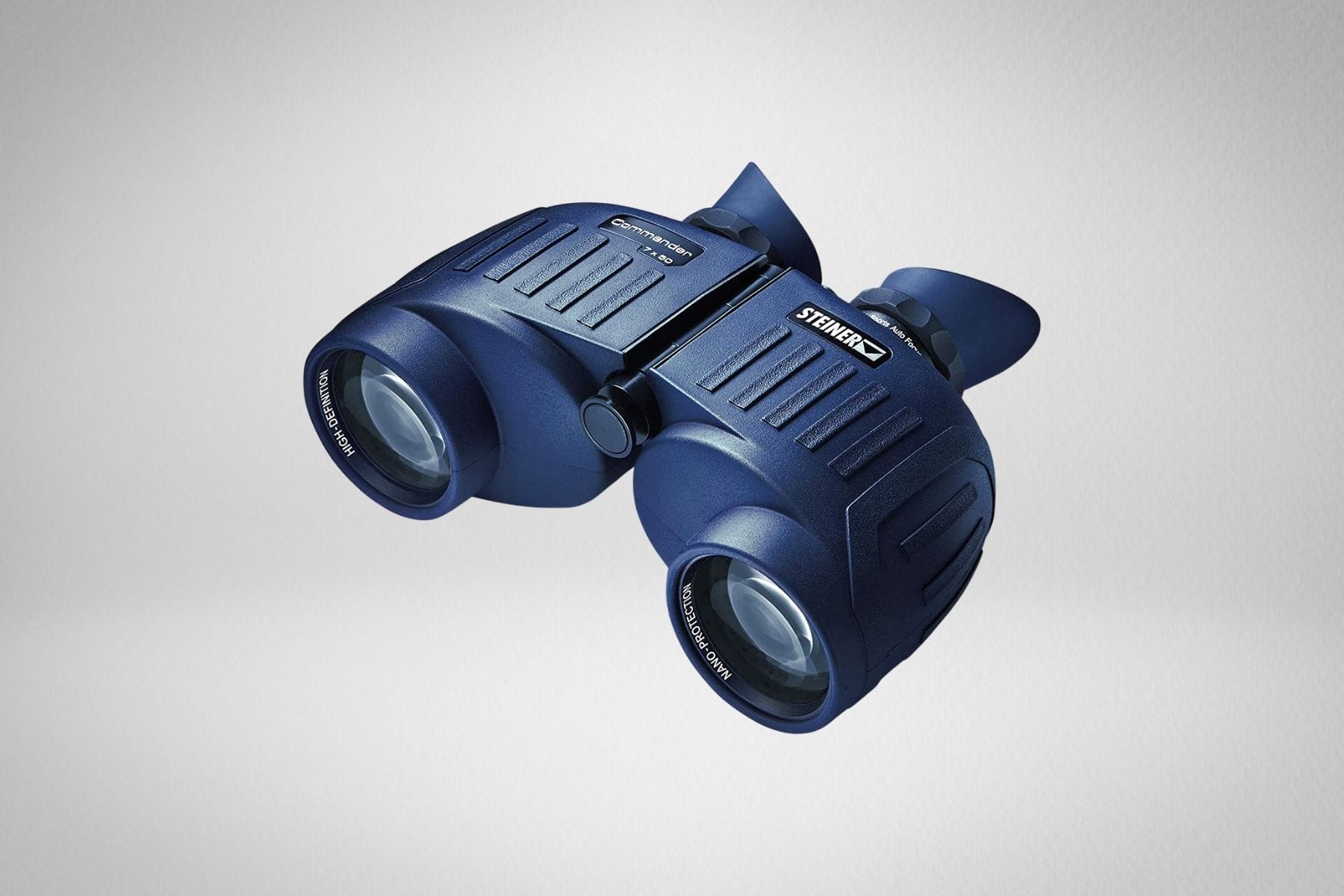
From Steiner comes a pair that could easily be the best marine binoculars you can get your hands on. You’re paying for this quality, but it’s a price you won’t regret. Both ergonomic and providing a view, with which you don’t have to struggle, you will quickly and clearly find any buoy or harbor marking. They are always in focus and there’s no sign of barrel distortion you may experience with inferior units. With Steiner’s Commander series you get a clear, bright image from a marine binocular that separates itself from the pack.
The body of these guys is so rugged the lifetime warranty is maybe moot. The coating also keeps dust and water out of it. If you have the money to shell out, this pair of Steiner binoculars is the best. Have a little more and the optional integrated compass makes navigation a little easier too. Not too bad for stargazing either.
2. Athlon Optics Midas 8×42 UHD
Crisp Image 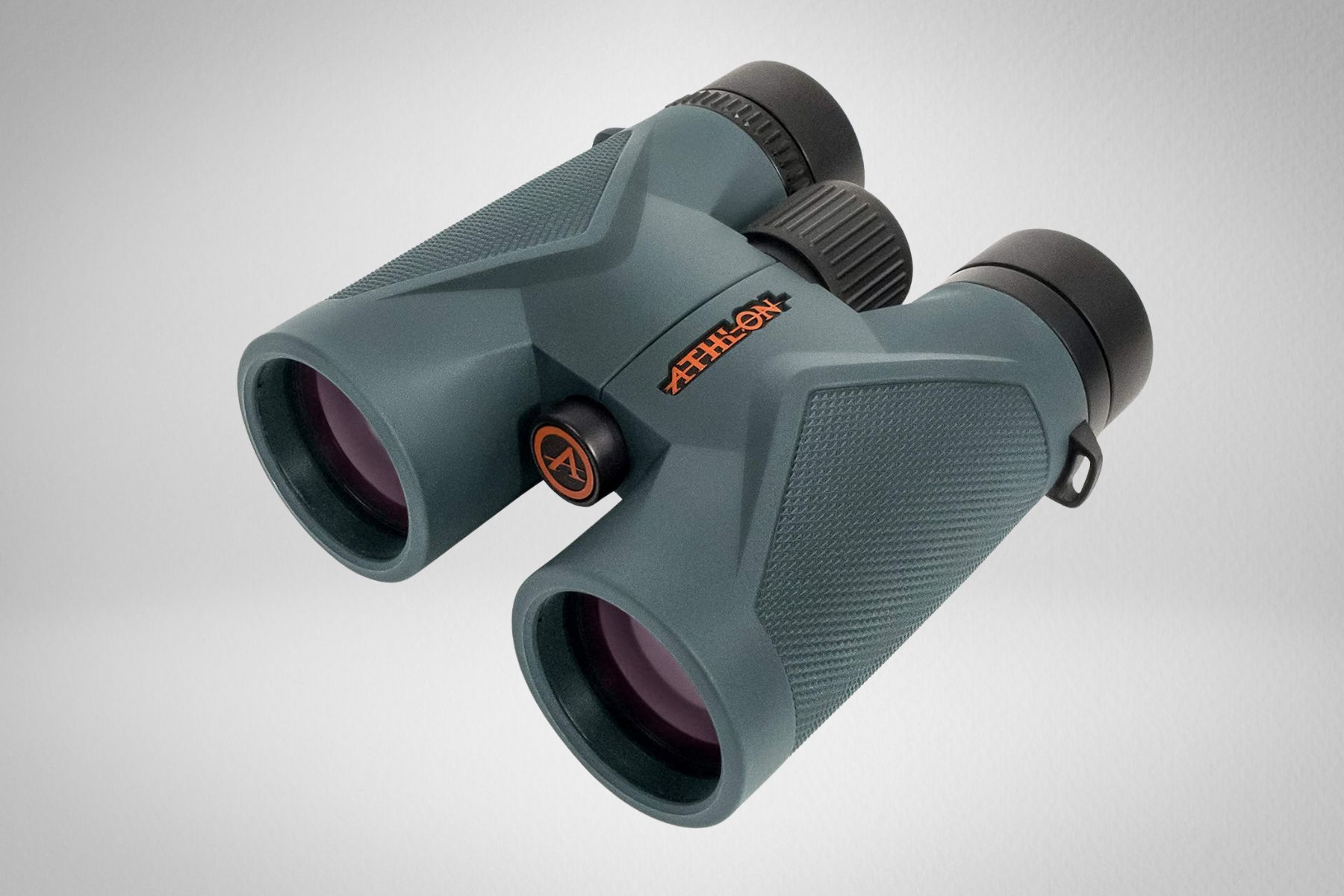
You can still find affordable binoculars with rugged, all-terrain characteristics and performance. One of these products is this mid-range, wide-angle pair from Athlon, the Athlon Midas 8×42 UHD.
These binoculars are equipped with the specs you will find in many high-range optics, but come relatively affordable.
Read the in-depth review to discover what makes these Athlon binoculars a popular choice for amateur glassers looking for high performance and quality at an affordable price!
Things we like
- ✓ True color fidelity
- ✓ Surprisingly brightness and clarity
- ✓ Scratch-resistant exterior lenses
- ✓ Wide field of view
- ✓ Lightweight and heavy-duty construction
- ✓ Shockproof design
- ✓ Impressive close focus distance
- ✓ Generous eye relief suitable for eyeglass wearers
Things we don't like
- ✗ Stiff central focus knob
- ✗ Not suitable for use in low-light settings
3. Steiner Navigator Pro 7x50
All Round Greats 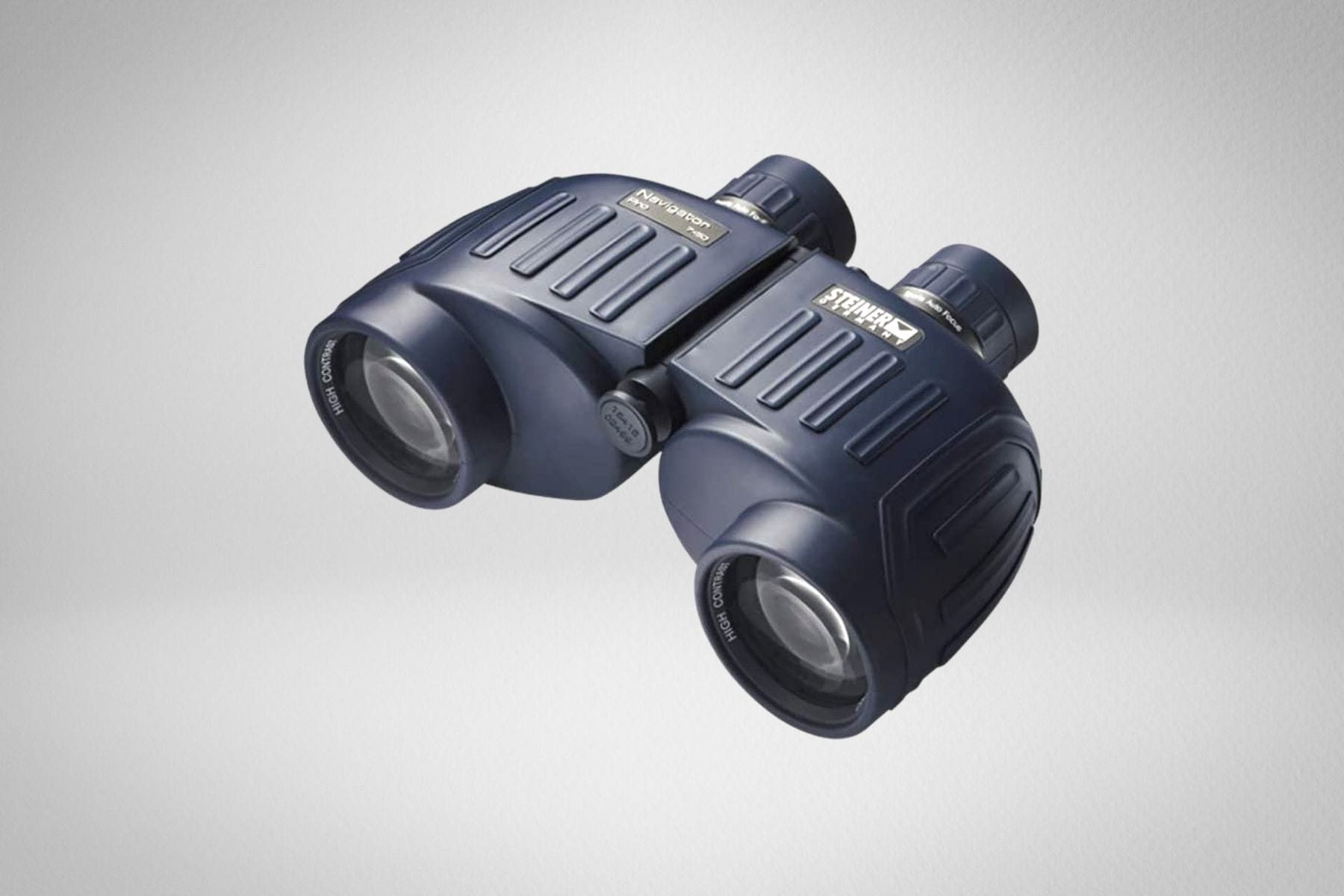
Steiner binoculars are manufactured with German quality and supply such customers as the US military. Nuff said. This product has great autofocus for ease of use and quick target acquisition when looking for skittish marine life. Give an extra $60 or thereabouts for an integrated compass, which makes navigation easier.
A solidly built, rubberized housing can seem bulky, but it means they are quite stable and sit well in your hands. Though not specifically made for the military, what is clear with the Navigator Pro, is the view you get in a product that your grand-kids might inherit.
These are great marine binoculars that you won’t regret buying. Just don’t forget to get your strap too.
Things we like
- ✓ Image clarity and contrast exceptional
- ✓ Fogproof viewing in all conditions
- ✓ Sports auto focus is great for different distances and users and actually works well
- ✓ Very rough and tumble, solidly built to withstand a lot
- ✓ Magnesium and aluminum build lighten its weight
- ✓ Good viewing in low light and excellent passive night vision
- ✓ Heritage warranty covers defects for life!
Things we don't like
- ✗ Somewhat bulky (only potentially an issue)
- ✗ Floating strap costs extra
4. Canon 10x30 IS II
Compact Image Stabilizer 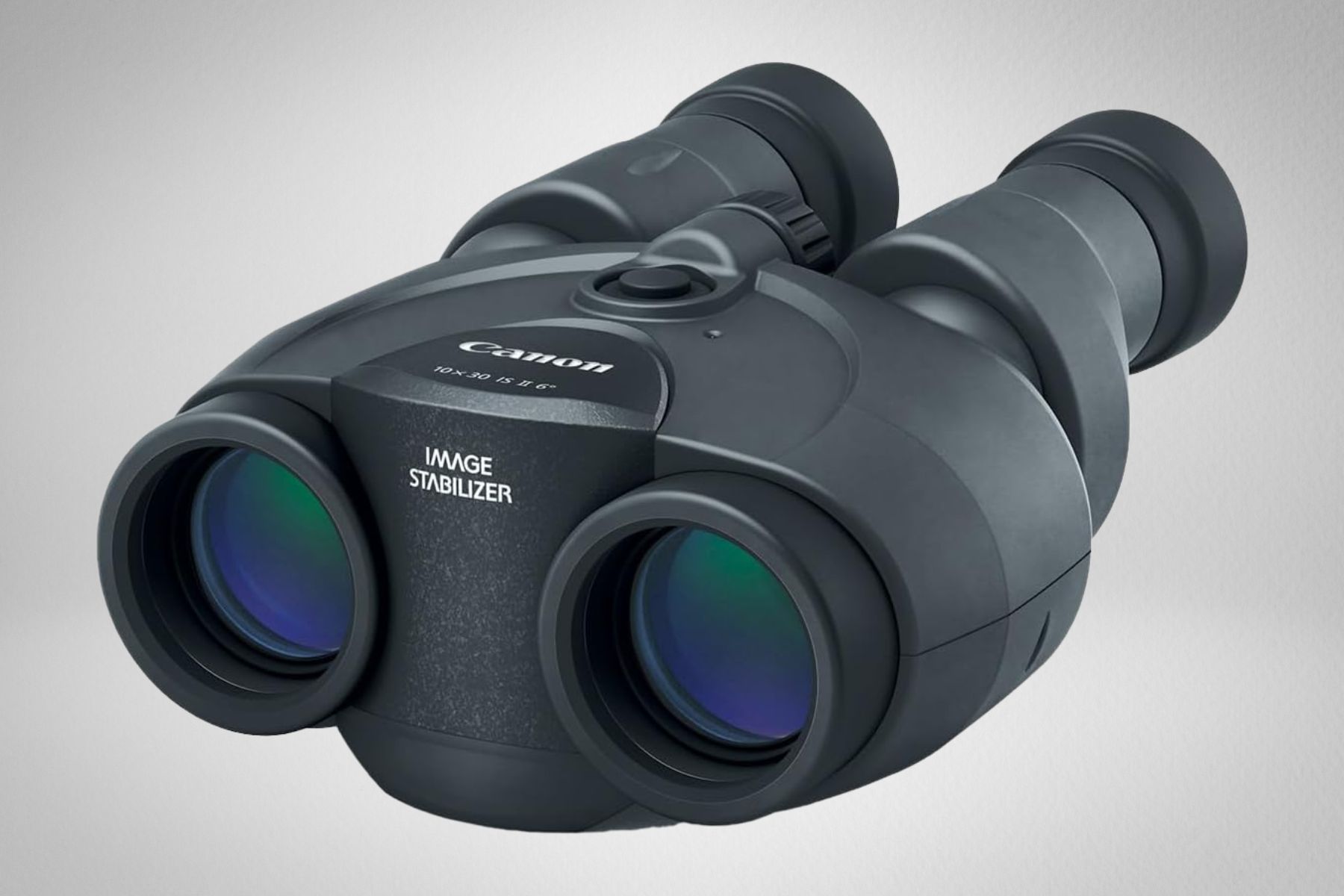
The Canon 10×30 IS II is the world’s most compact ISB. Image-stabilized binoculars (ISBs), powered by batteries, have a mechanism that will correct shakes and tremors with a single push of a button. If you are a casual user of binoculars or just starting, you will be surprised by what these binoculars can do.
ISBs have significantly changed the way we experience glassing. They are so versatile that they can be used for practically all applications, even stargazing and other astronomical viewings. More importantly, they have eliminated the need for additional paraphernalia like tripods.
Canon has many ISBs with different magnifications and objective lens diameters. However, the Canon 10 x 30 IS II is one of the most famous and most trusted pairs of ISBs today. Let’s dive in to find out how its IS system works and what other features give it its reputation!
Things we like
- ✓ Improved IS technology with faster startup time than its predecessor
- ✓ Suitability for all light conditions and various applications
- ✓ Superior edge-to-edge clarity with doublet field-flattener lenses
- ✓ Compact design
- ✓ Anti-reflective exterior coating ideal for direct sunlight exposure
- ✓ Energy efficient
Things we don't like
- ✗ The battery case has no additional protective layer
- ✗ Eye relief slightly lower than the recommended eye relief for eyeglass wearers
- ✗ Huge eyecups
5. Nikon Ocean Pro CF WP
Coastal Cruising 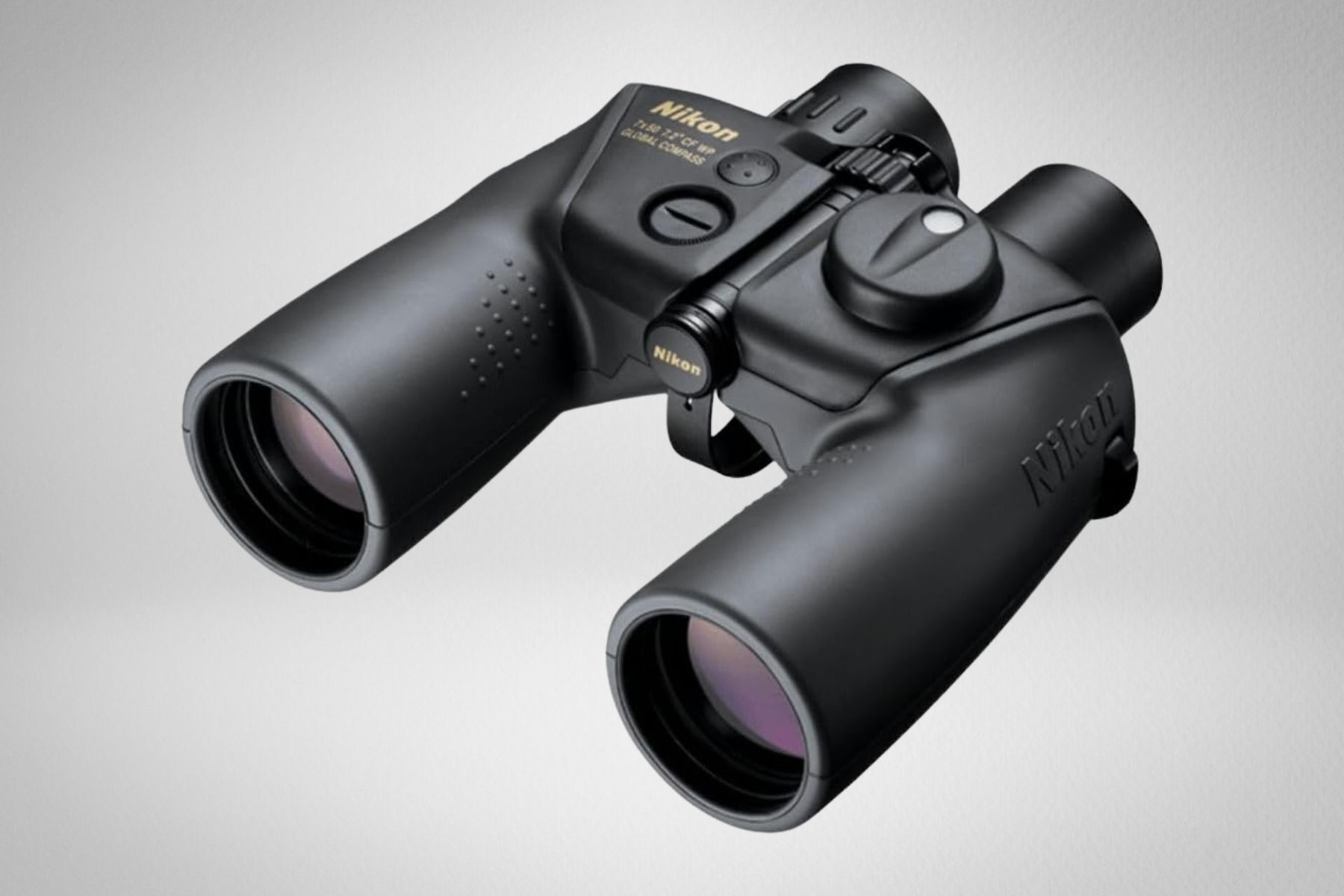
Nikon is one of the most trusted brands in all things optics. Sturdy and reliable, Nikon binoculars are neither ridiculously expensive nor do they promise the moon. The Ocean Pro is a marine unit that might not be the best in terms of bells and whistles, but the feel of these binoculars and ease of use promise a product that delivers what you need while sailing or boating. There is a cheaper Ocean Pro model, a cheaper alternative that doesn’t include a compass, which may be irrelevant for those using chartplotters.
Clean optics and passable night vision utility (although you’ll probably have to invest in a pair of night vision binoculars if you want something specifically for nighttime use) make this something you won’t regret buying. High contrast imaging is great on the water. Just remember the floating strap to keep these Nikon binoculars afloat should they bail into the water.
Things we like
- ✓ Fogproof and clear in all temperatures
- ✓ Crystal clear with anti-reflective optics
- ✓ Robust build for lifetime potential
- ✓ Good “no-fault” repair and replacement policy from Nikon
- ✓ Integrated global compass
Things we don't like
- ✗ While view is sharp, compass blurs a little
6. Bushnell 7x50
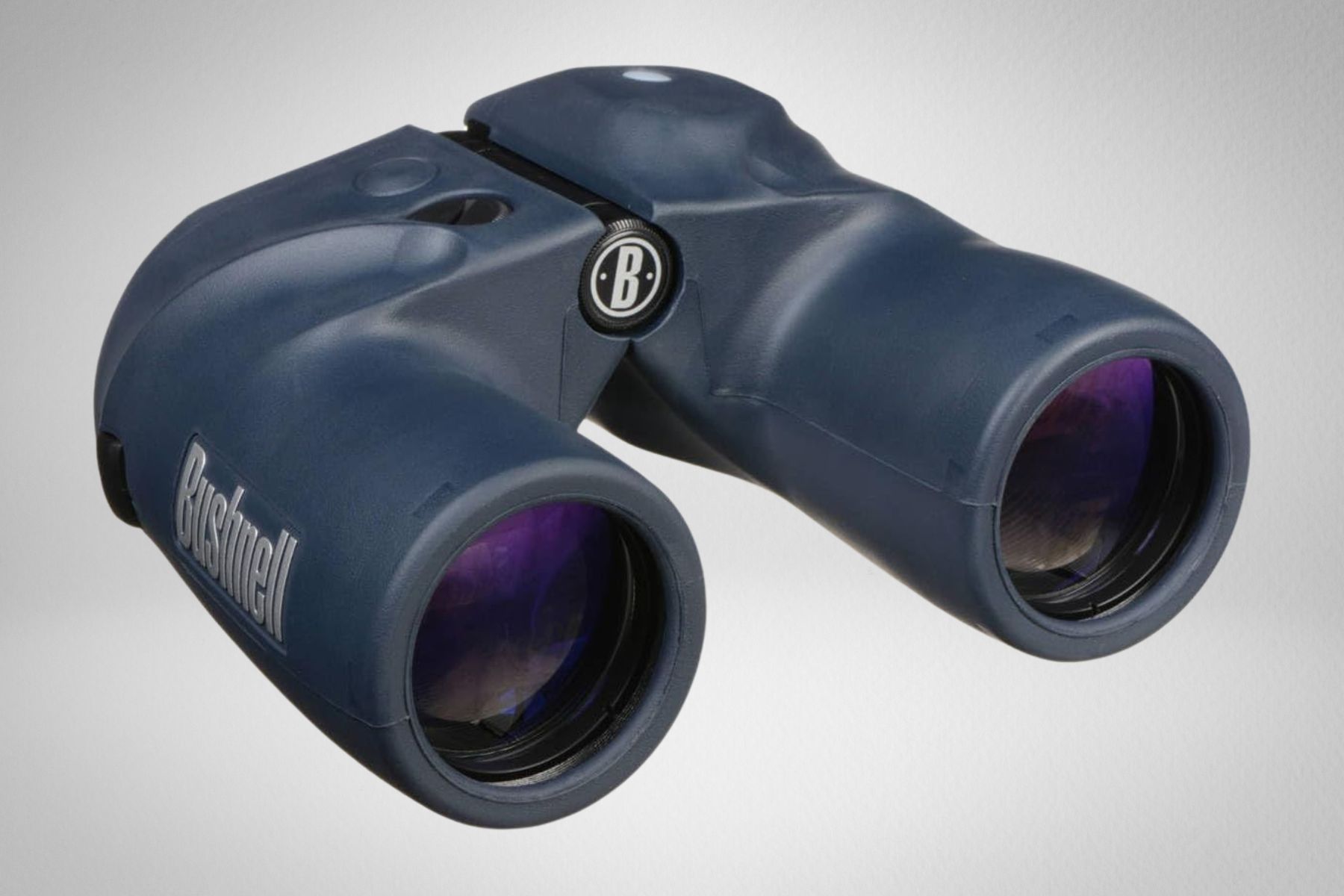
Bushnell is a well-known company with a pretty good reputation that’s well-deserved. These marine binoculars have been put through its paces by many a seaman. Unlike Steiner binoculars, these are made in China, but they are both shock absorbent and waterproof: these binos will last decades, notwithstanding an exceptional blow.
When looking at the horizon from shore the image is clear with a good stable and bright view that speaks to the quality of the lenses. At dusk the optics allow enough light in to see well; at night, these Bushnells are great for looking at the moon, the stars. A good, reliable pair of binoculars for your nautical activities, these are indeed.
Things we like
- ✓ Good image capture in low light conditions
- ✓ No fogging
- ✓ Pretty robust
- ✓ Impressive flotation
Things we don't like
- ✗ The analog compass on the model that includes one is not too stable
- ✗ The lens cap is mystically not attached to the unit
7. Canon 12x36 IS III
Good Zoom, No Shake 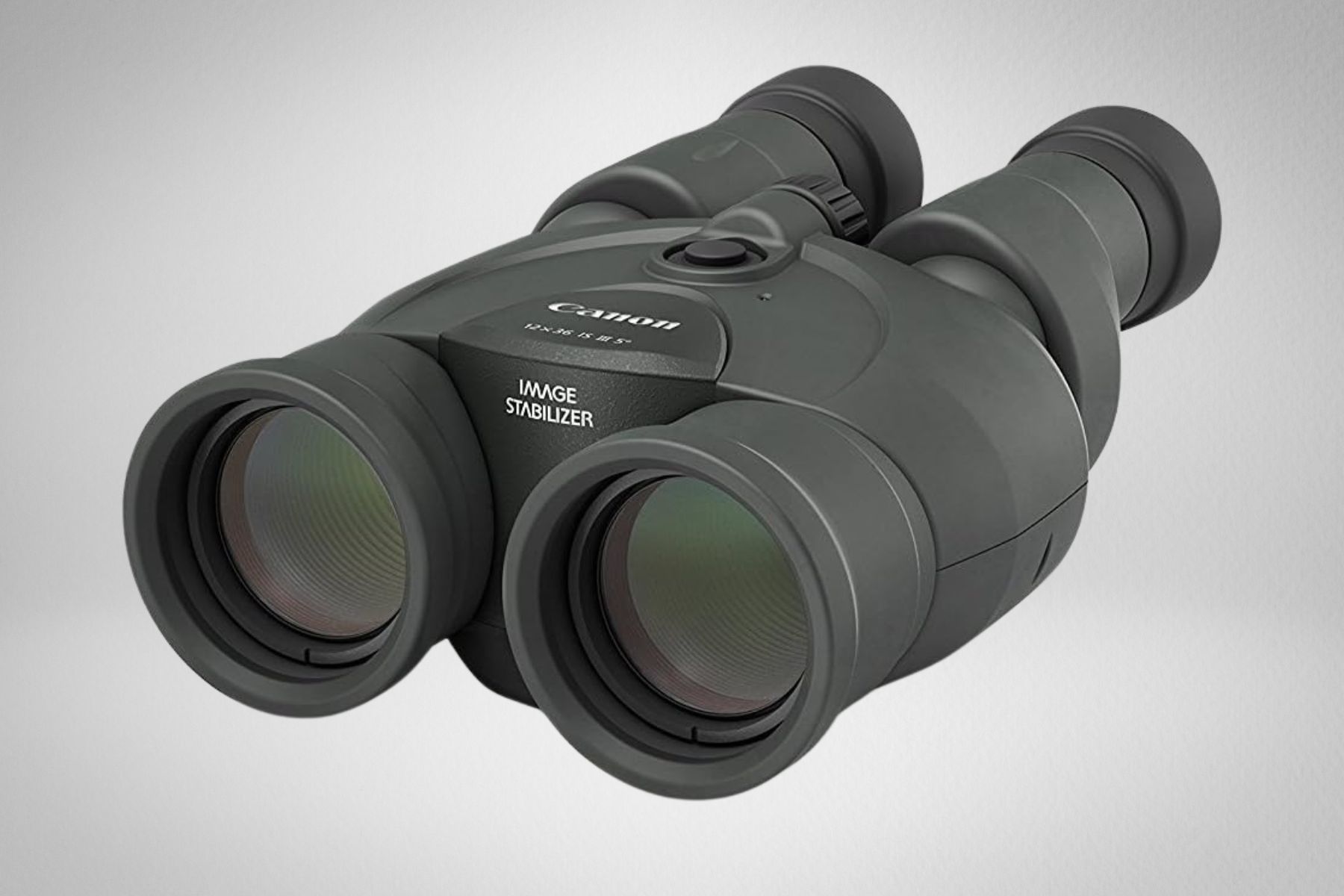
The Canon 12×36 IS III will be a game-changer for some people. Image-stabilized binoculars (ISBs) offer a smoother glassing experience by ensuring stability without a tripod’s support.
They come in really handy, especially for birders, hikers, and even sports fans. With 12x magnification, stabilization assistance promises to cut down on shaky viewing.
Canon is recognized for pioneering IS technology in binoculars, changing the game forever. Over the years, it has introduced many ISBs, significantly improving them from time to time.
Things we like
- ✓ Advanced and intuitive IS function that engages almost instantaneously
- ✓ User-friendly IS button
- ✓ Impressive edge-to-edge clarity with doublet field-flattener lenses
- ✓ Unobtrusive with anti-reflective exterior
- ✓ Energy-efficient
- ✓ Lightweight
- ✓ Versatile and performs well enough for stargazing
Things we don't like
- ✗ May not be suitable for eyeglass wearers
- ✗ Not fogproof and waterproof
- ✗ Produces minimal chromatic aberration
8. Hooway 7x50
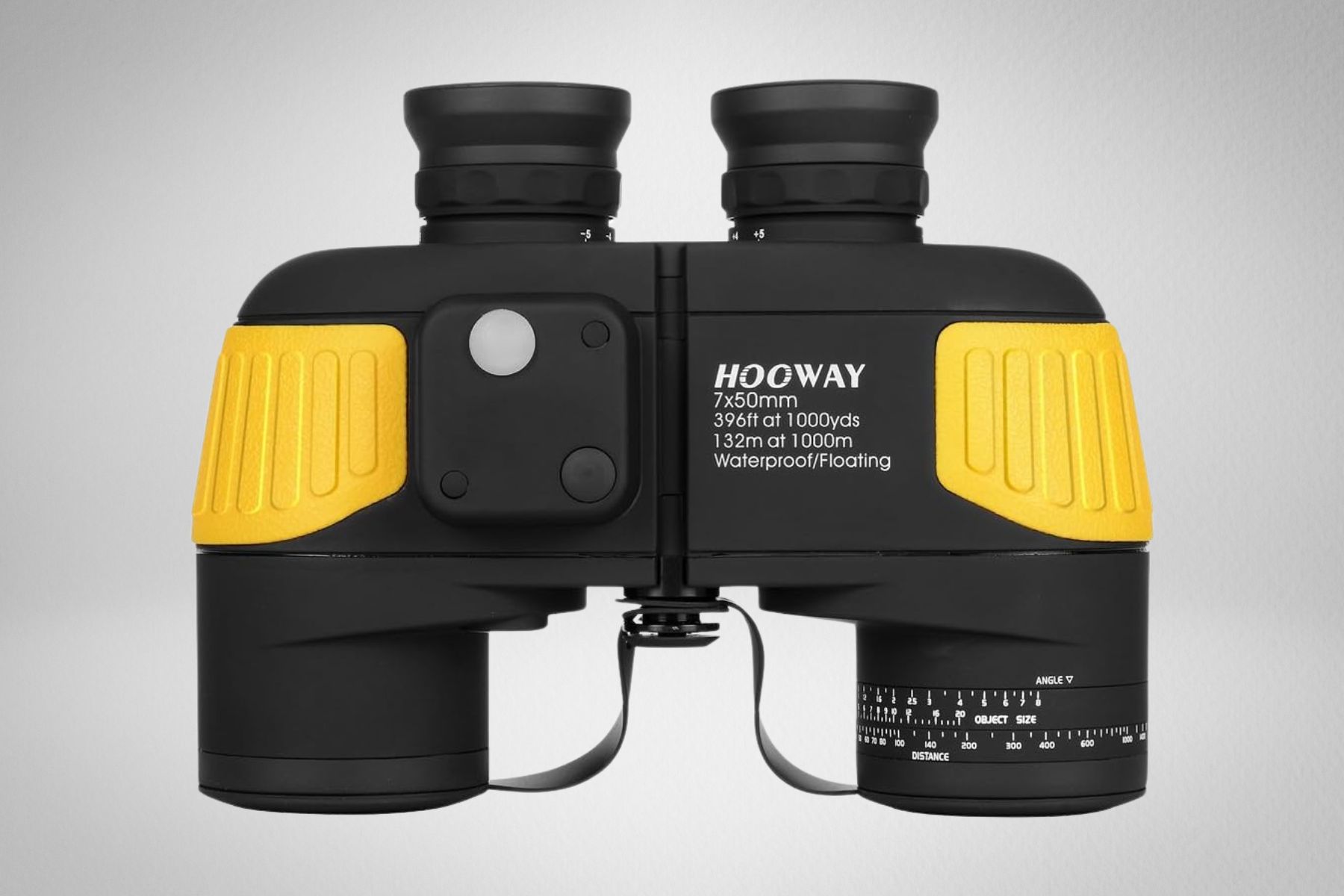
Hard to imaging getting more for your buck. I recently used these marine binoculars sailing a vikingship in choppy waters without a GPS, and therefore needing them for navigation. In a bucking and rolling longship these binoculars worked just fine. Contrast is not as sharp as the Nikon or Steiner models and low-light optics less impressive, but identifying buoys and checking out playful convoys of porpoises along the way worked just fine.
These Hooways have a rangefinder and compass and can tolerate a shock and occasional awe in the rough and tumble seas. This matches the yellow æsthetics of the Hooway design. Not everybody’s cup of tea, but it makes them easy to find in the water at dusk.
Things we like
- ✓ Multi-coated lens to reduce reflection
- ✓ Waterproof, fogproof, shockproof
- ✓ Very usable compass
- ✓ Rubber coating and form factor both ergonomic and non-slip
Things we don't like
- ✗ View-finder protective cap falls off easily
- ✗ Focusing may take a little longer, especially when sharing with other mariners
9. Fujinon Mariner WPC-XL
Navigation Binos 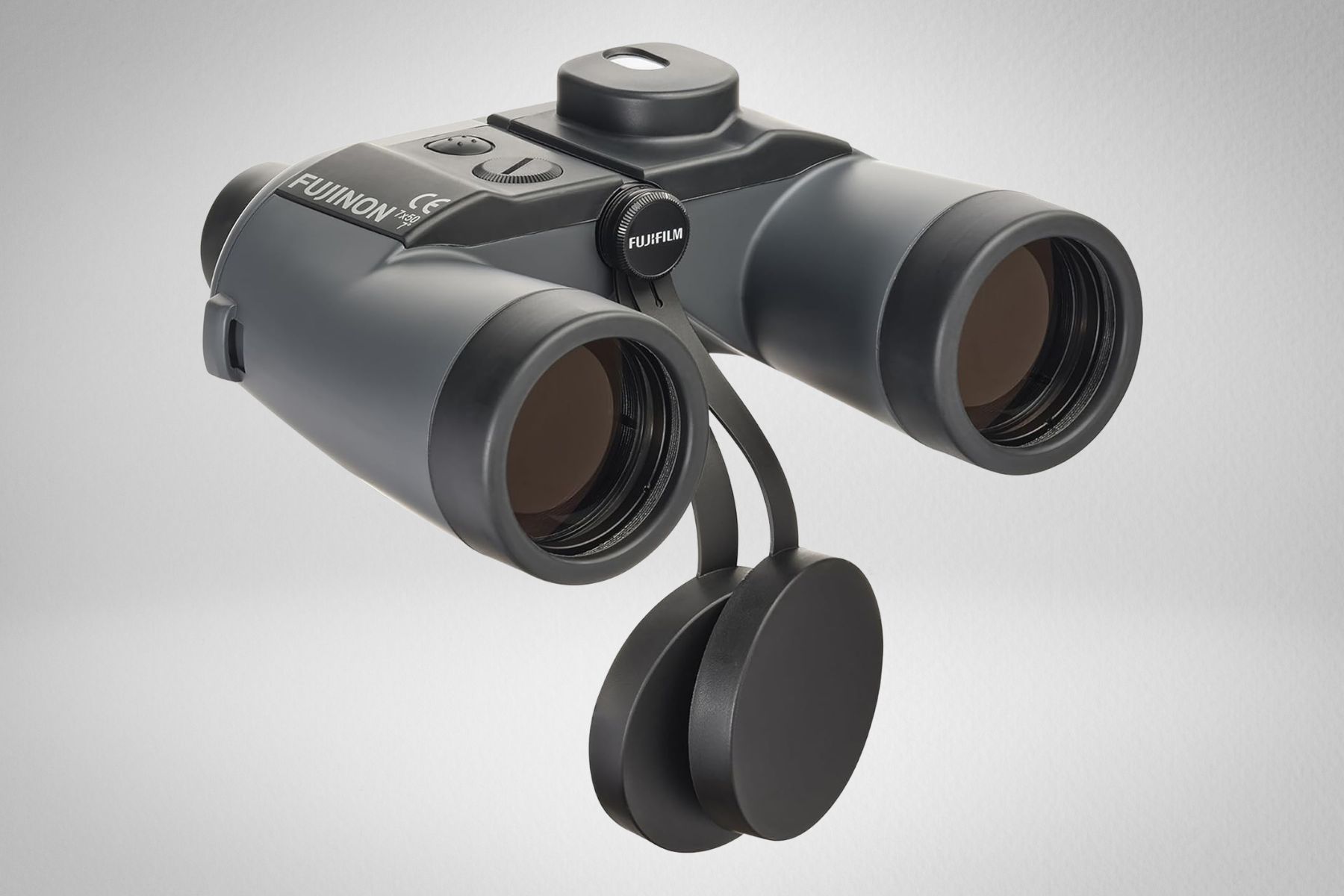
The Fujinon 7 x 50 WPC-XL may be an entry-level pair of binoculars, but they offer a lot. Powered by an LR43 battery, they are equipped with a high-precision compass. With the internal LED light, you won’t have difficulties using the built-in compass at night.
These marine binoculars are waterproof. They can handle being submerged in up to 1 m of water for five minutes. They come with a flotation strap so they won’t sink.
With a generous eye relief of 18 mm, this pair makes glassing easy and comfortable even for eyeglass wearers. You can see the entire field of view without hassle.
Things we like
- ✓ Built-in compass is precise
- ✓ Internal LED light makes using the compass at night a breeze
- ✓ Waterproof
- ✓ Floats in water with the flotation strap
- ✓ Generous eye relief
Things we don't like
- ✗ Not shock-absorbent
- ✗ Might be difficult to find batteries for the LED light
10. Barska Deep Sea 7x50
Great Budget Binos 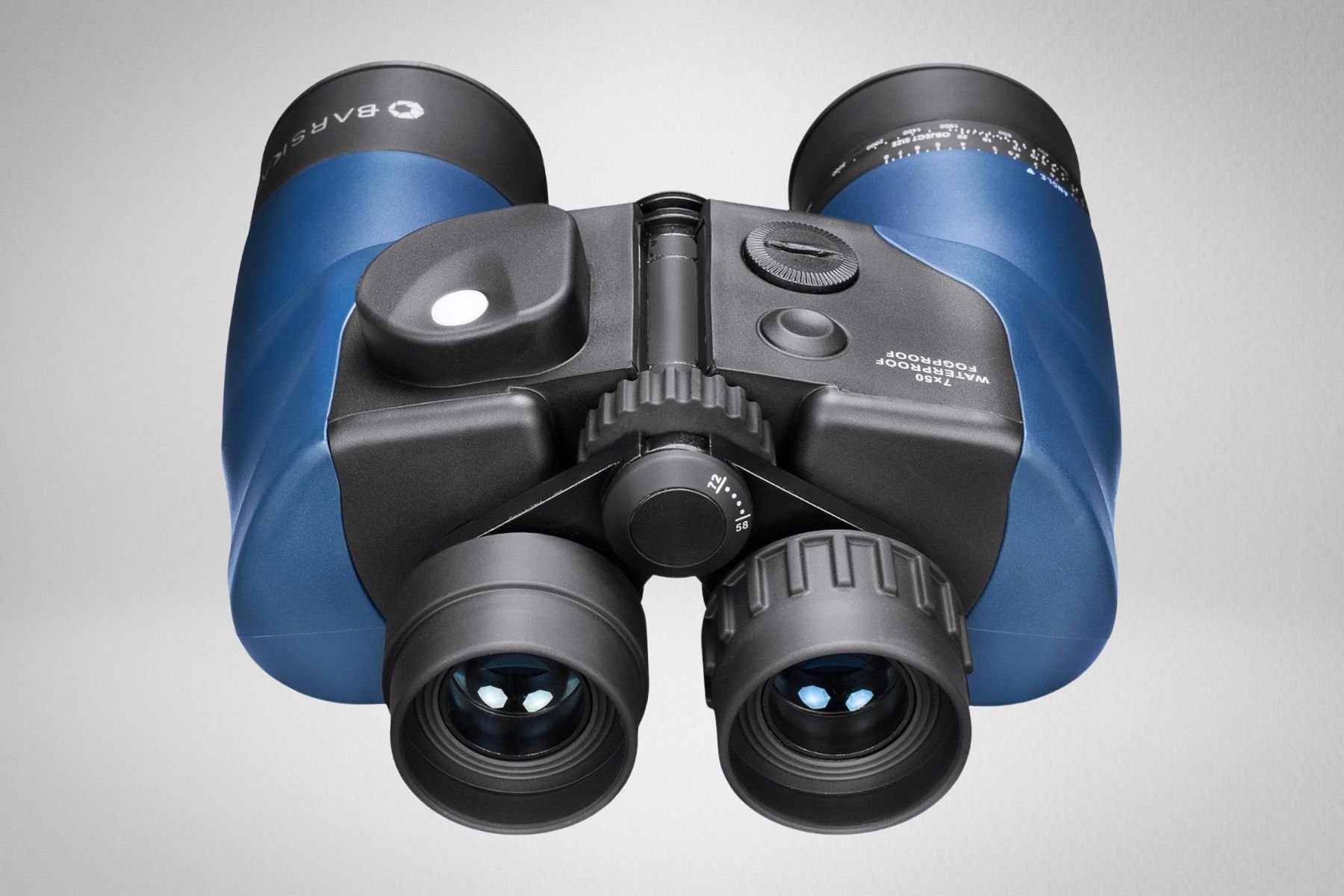
This product is something of a quagmire, in that, on the whole, they work pretty well. Their specs and performance at this price make for something rather attractive. When testing out a pair they seemed to give the same kind of viewing experience as the Hooway binoculars, albeit with a center focus knob, which is can be a mark in Barska’s favor.
But the construction feels less robust than other candidates. It doesn’t change the fact that most people will find using these spyglasses a delight, questioning why they’d spring for binoculars 2 or 3 times the price. Apparently service, support, and the Russian roulette factor explains it: there is a higher frequency of customers reporting defects. Still, these Barska Deep Sea marine binoculars are pretty good when they work, which–it must be said–is most of the time
Things we like
- ✓ Variable zoom makes target acquisition easier
- ✓ Single focus knob
- ✓ Reticle rangefinder and digital compass
- ✓ Compact, light-weight design
- ✓ Affordable
Things we don't like
- ✗ Probably won’t survive as many drops or hits as more expensive binoculars
- ✗ In case of any issues with the product, support might be difficult to get