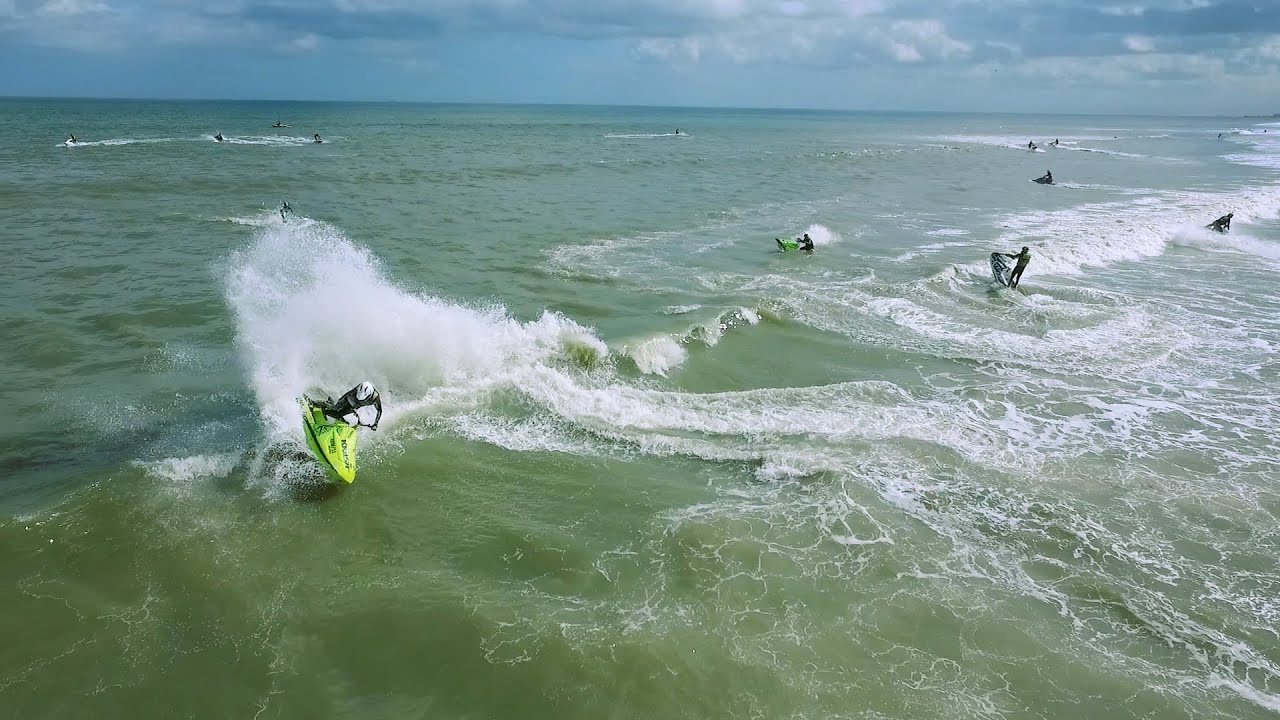
For years, the original jet ski was a stand up PWC. Iconic in the 80s, these sporty jet powered craft were steadily overtaken in popularity by sit-down jet skis by Polaris and Sea Doo.
Today, there are only a handful of stand-up jet skis on the market–some are only legal for competition. But they are capable of more trickery and stunts, hence they fall under the category of FREESTYLE.
The few still in production have benefited by leaps and bounds the technological innovation and efficiency that personal watercraft have stood for as their popularity continues to grow.
Check out this guide to the best stand up PWCs available. It also includes some models from Krash Industries that we’ve only heard about. So, unfortunately, the list is small. But hold on to your handlebars. The future may reveal some electric choices.
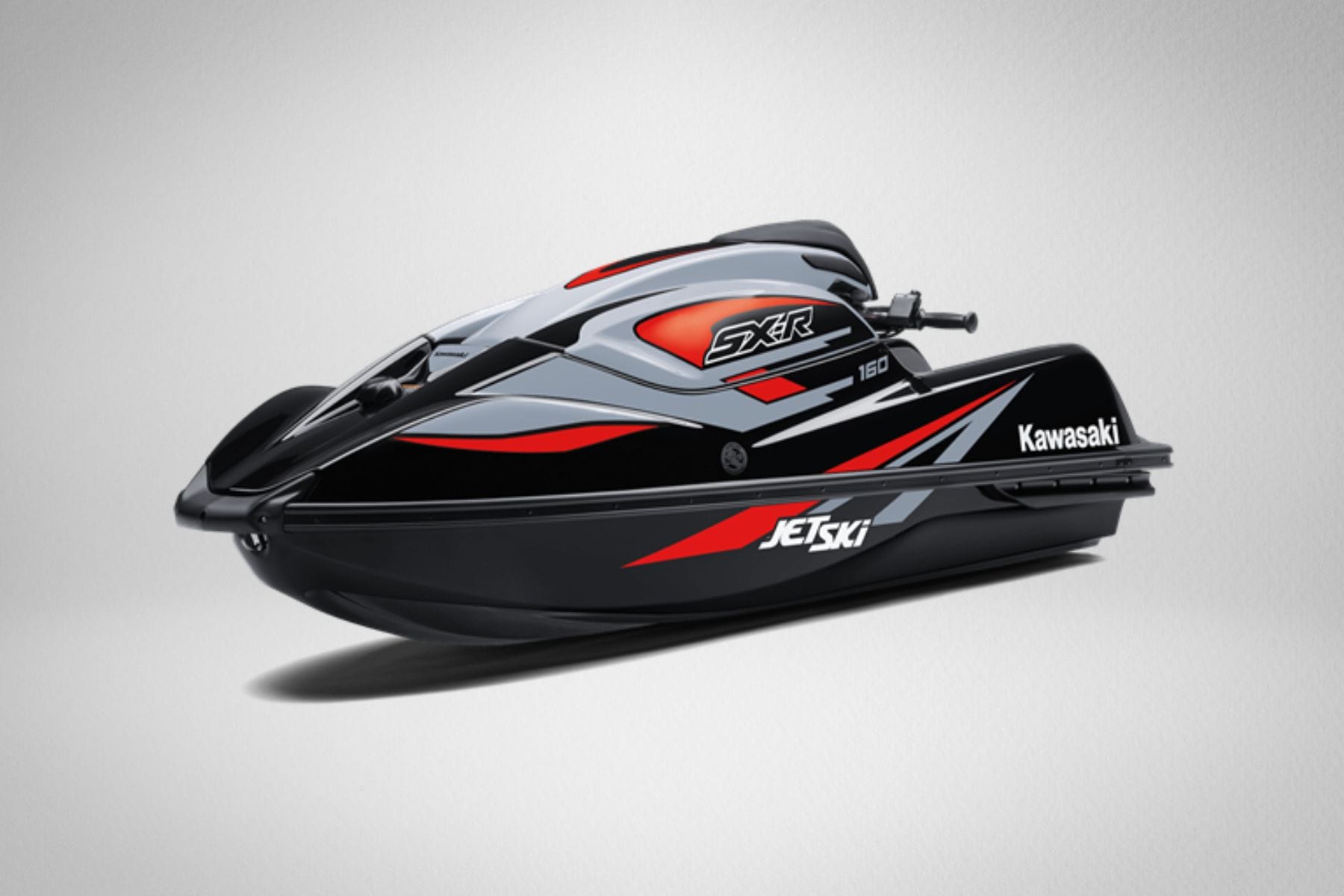
1. Kawasaki SX-R 160
Stability and Speed
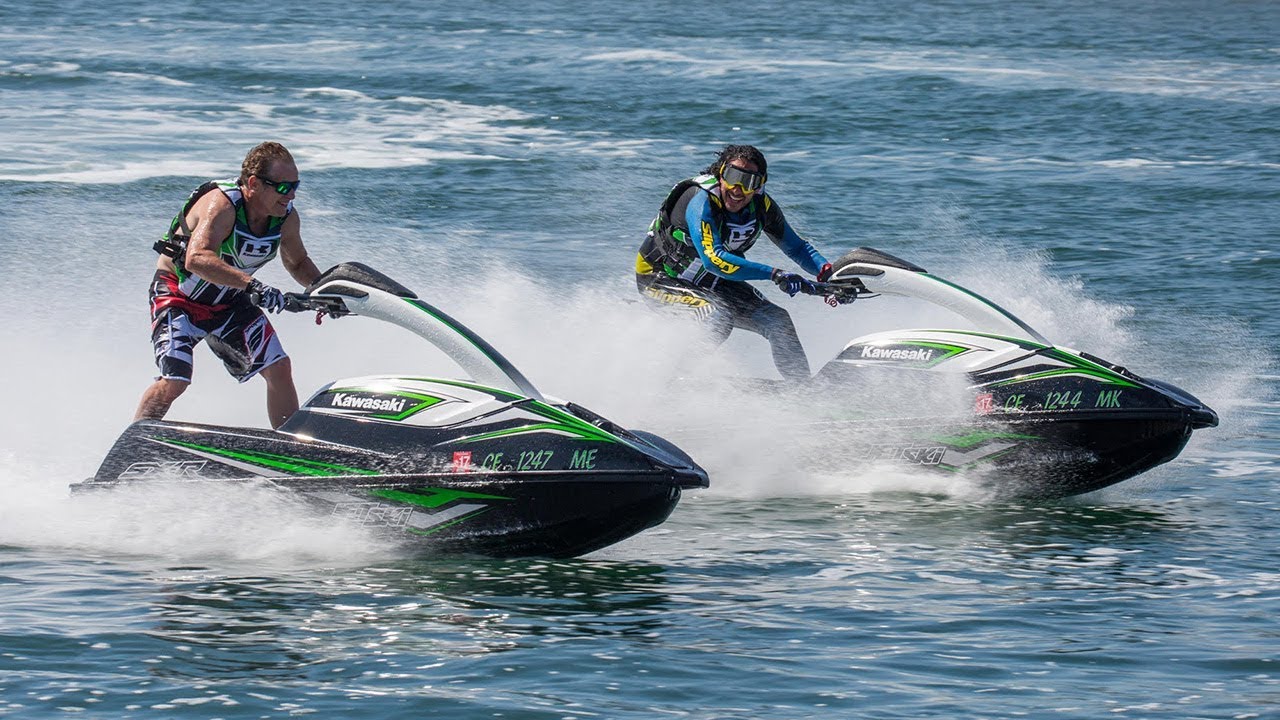
The Kawasaki SX-R 160 stand up PWC is the fastest jet ski you can buy. With a bigger motor comes more stability, too. That’s not without some guardrails in terms of agility, but with a flat-out speed potential of 60+ mph, that stable ride is much appreciated.
As the maker of the original recreational stand up, this SX-R 160 will appeal to watercraft enthusiasts with a bit more taste for freestyle adventure. There are some considerations worth noting before hopping onto one of these, but it’s definitely a ride worth taking.
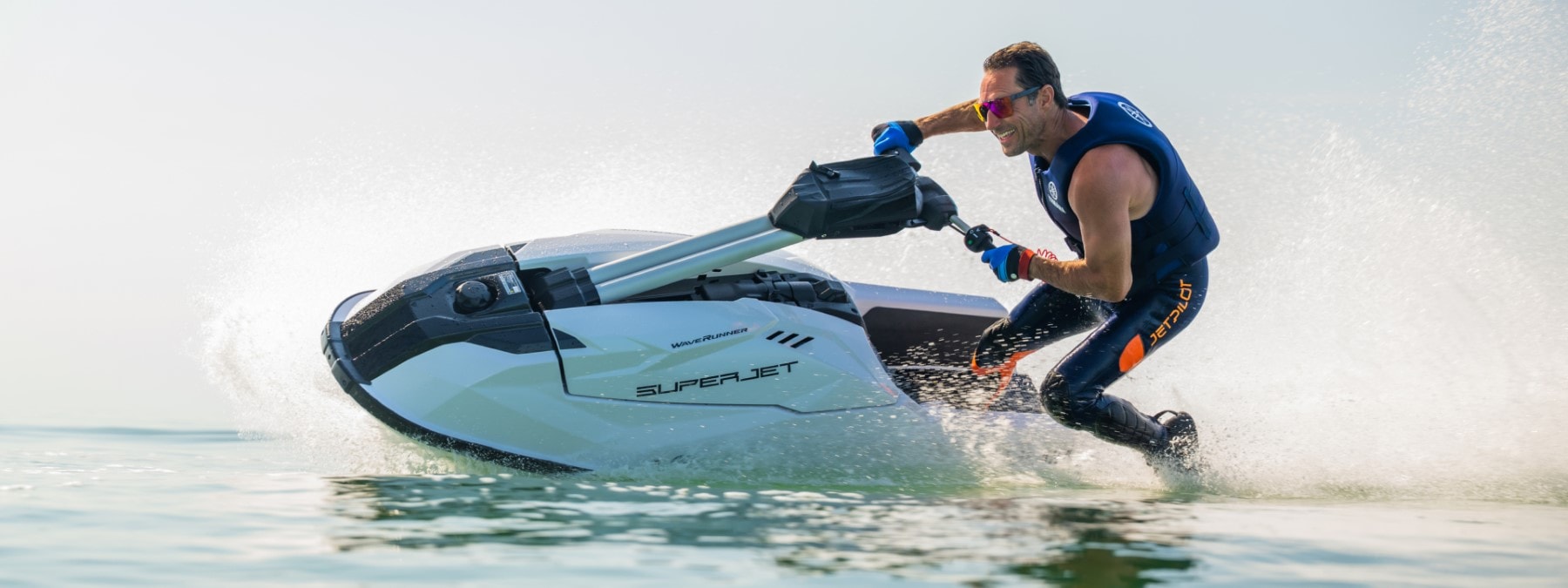
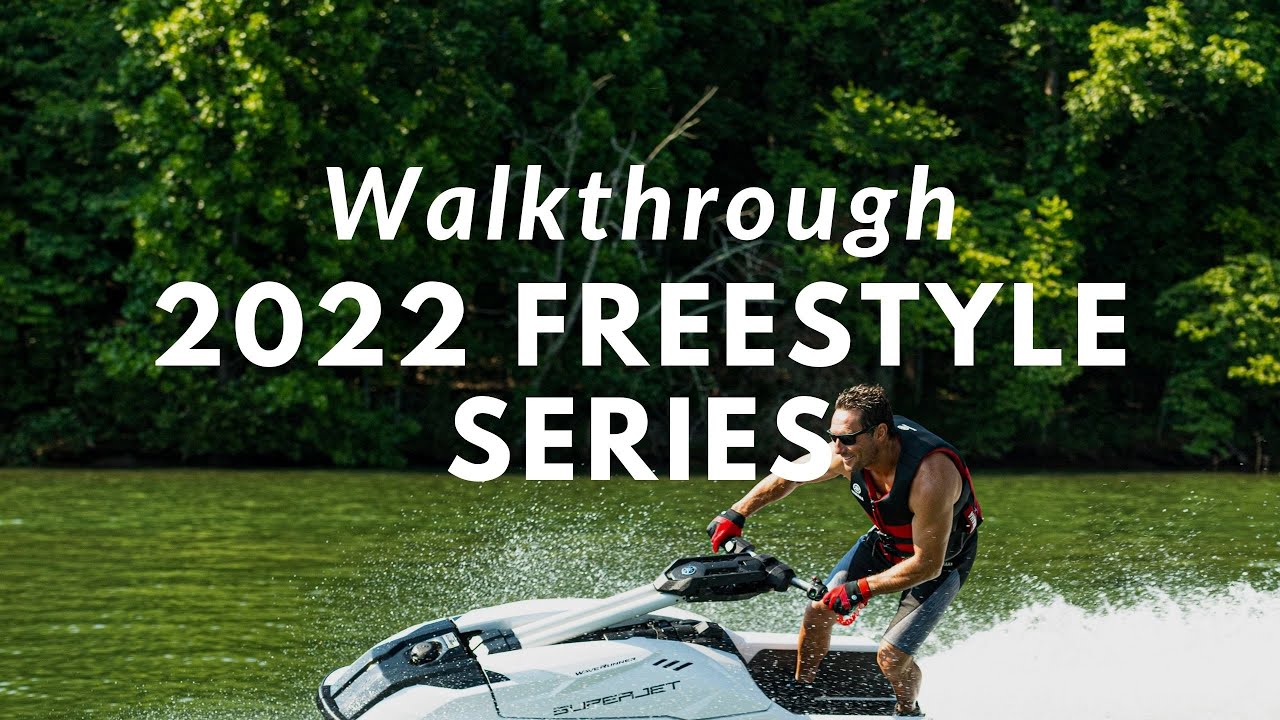
The Yamaha SuperJet shows Yamaha’s dedication to stand-up jet ski riding. There are really only two players in this PWC segment and they continue to challenge each other with innovation.
The new SuperJet hull, with a more prominent front section, retains agility and poise while attempting to improve stability for leisure and competitive usage.
The ‘L’ (Learning) mode gives less experienced riders regulated power and sensitivity until they can unleash the machine’s full capability. The adjustable race-style steering pole matches professional racers’ forward-leaning riding stance for accurate turns and maneuvers.
Things we like
✓ High-Performance TR-1 Engine
✓ Compact and Lightweight
✓ Design improvements bring cruising a little closer
✓ New Wider Lightweight Hull
✓ 'L' (Learning) Mode
✓ Adjustable Race-Style Steering Pole
Things we don't like
✗ Handlebars–only DIY options for change or customization
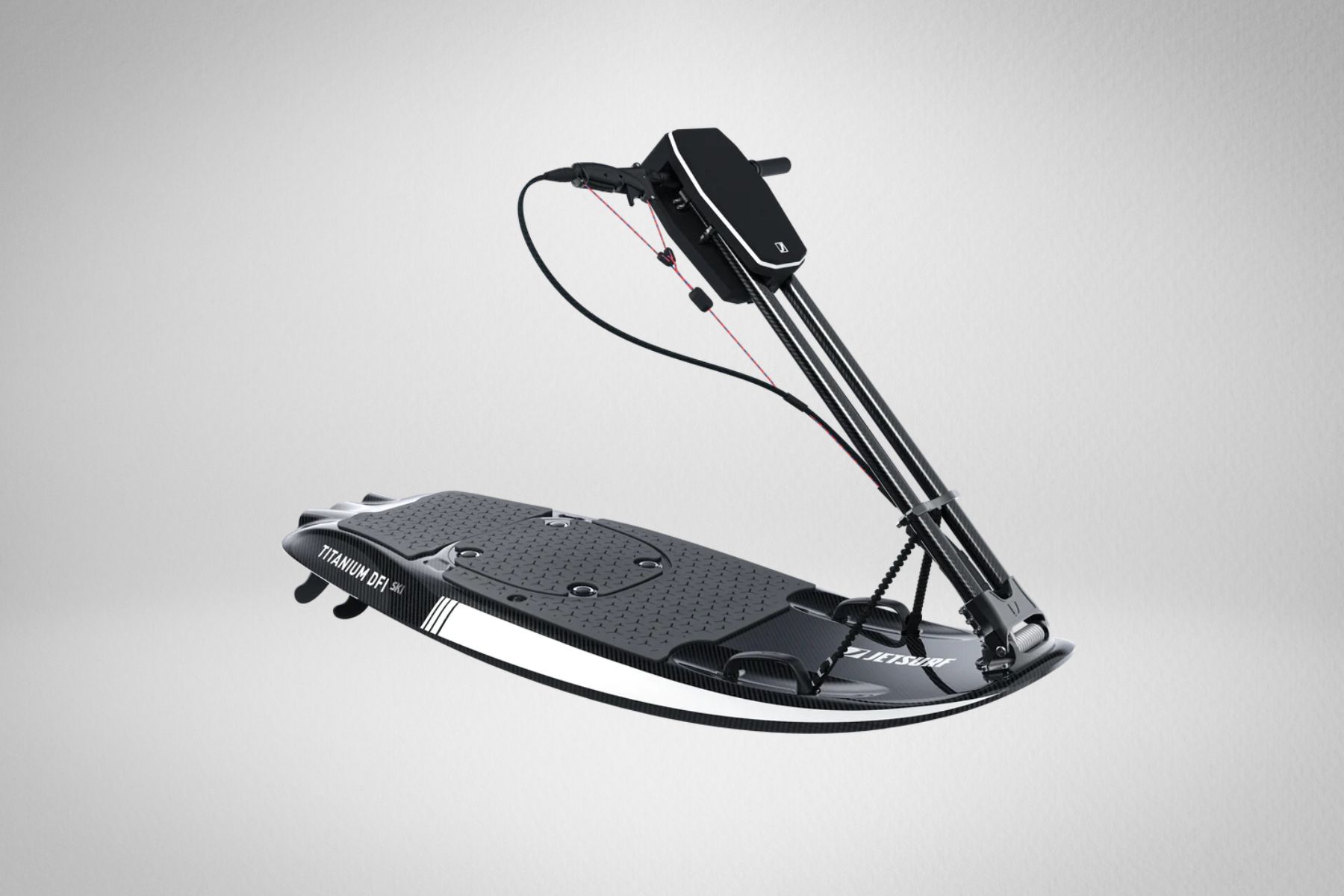
From jet powered surfboard world and racing brand extraordinaire, the Titanium DFI from JetSurf is one of a growing hybrid products. This is stand up jet ski is based on their surfboard model–and it can be turned into a jet powered board too.
Weighing less than 55 lbs (without fuel) with a 100cc 2-stroke motor, the appeal of this PWC is to the cottage segment or for boaters on anchor.
It’s the slimmest and lightest stand up PWC out there and seems designed more for casual cruising than for ripping it up. Expect a max ride time of 45 minutes running on a 50:1 unleaded to oil mix.
Things we like
✓ One person can carry this
✓ Anyone can get on these and ride immediately
✓ So cool that it can switch between jet ski and electric surfboard
✓ Makes less noise than any other stand up jet ski
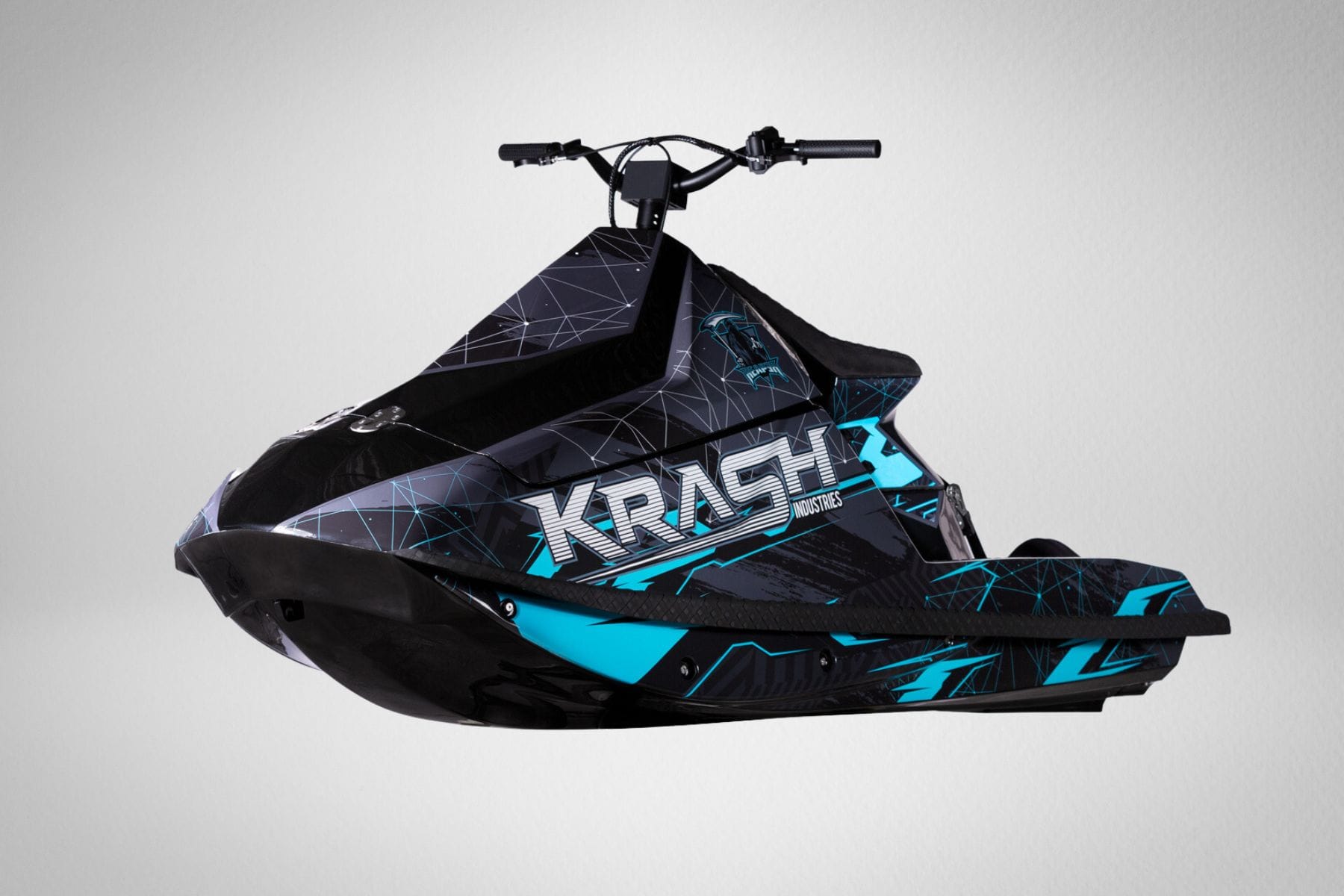
The Krash Reaper is a powerful stand-up jet ski for experts. The Reaper is similar to a dirt bike on the water.
It has a responsive hull and a powerful 997cc engine. The Reaper’s large, narrow deck and built-in wake plate make it great for stunts and acrobatics.
The Krash Reaper targets experienced jet ski riders seeking a high-performance, aggressive model. The Reaper is great for trick and stunt riders. Low fuel capacity, cost, and availability may be downsides of the Krash Reaper.
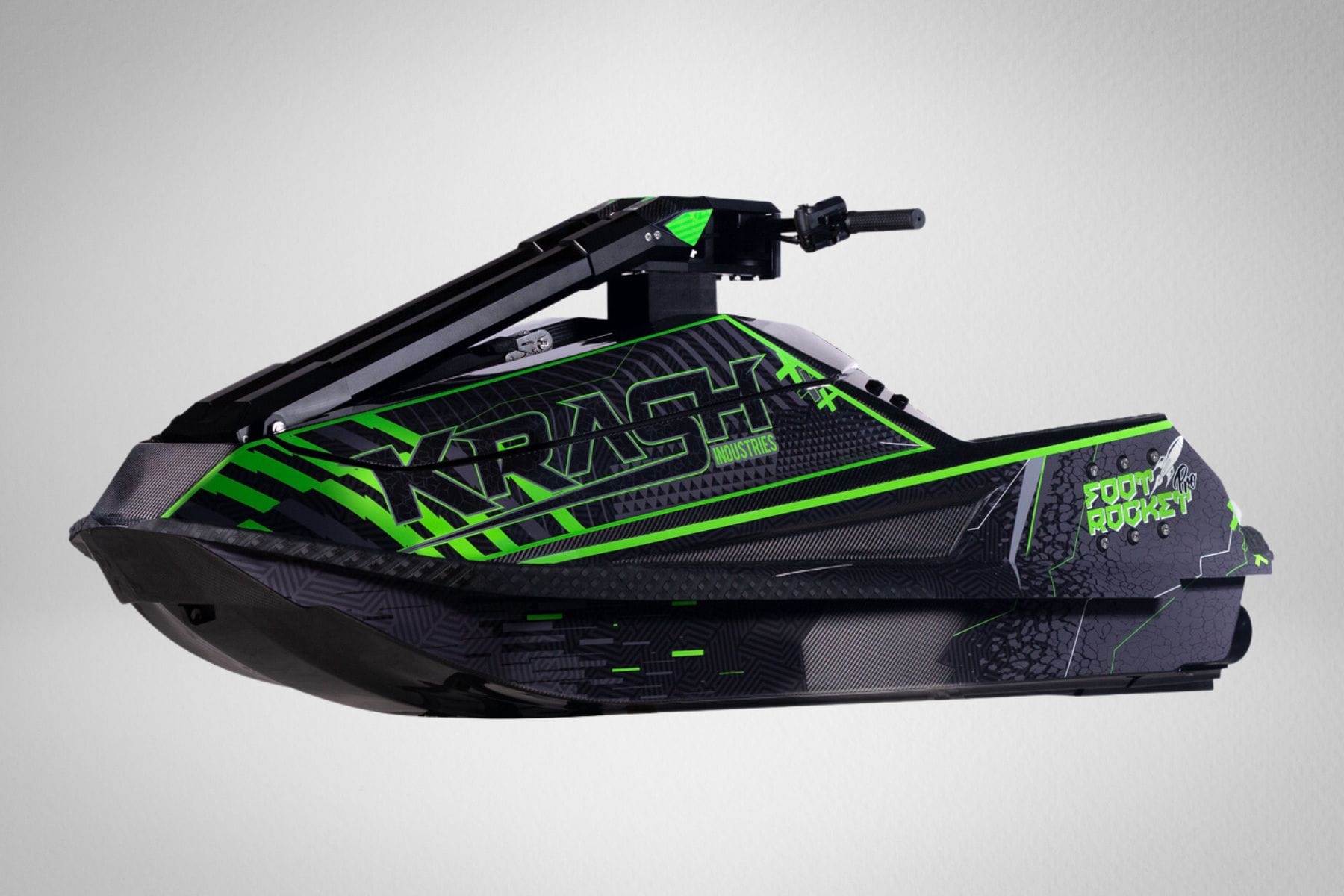
The Krash FootRocket Pro is the most advanced model in the Krash lineup. It is the lightest model with the most powerful engine. The Footrocket Pro is a lighter version of the Footrocket that is 100% carbon composite. It has a 1200cc engine, a carbon fiber hull, and several other features make it ideal for high-performance riding. The perfect customer for the Krash FootRocket Pro is an experienced rider looking for a high-performance ski that can handle aggressive riding. The FootRocket Pro is also a good choice for riders who want to compete in freestyle competitions. The FootRocket Pro is the most expensive stand-up jet ski in the Krash lineup.
Jet skis go back to the 70s when the born-to-be wild sensation finally reached water. After some smaller companies’ attempts to make a sellable product, Kawasaki of Japan managed a 500cc 2-stroke jet engine into a plastic chassis.
In fact, a jet ski technically refers to this model by Kawasaki and includes it’s newer SXR. This is to Yamaha’s SuperJet, a Waverunner by their designation. Similarly, Sea Doo calls their PWCs simply Sea Doos.
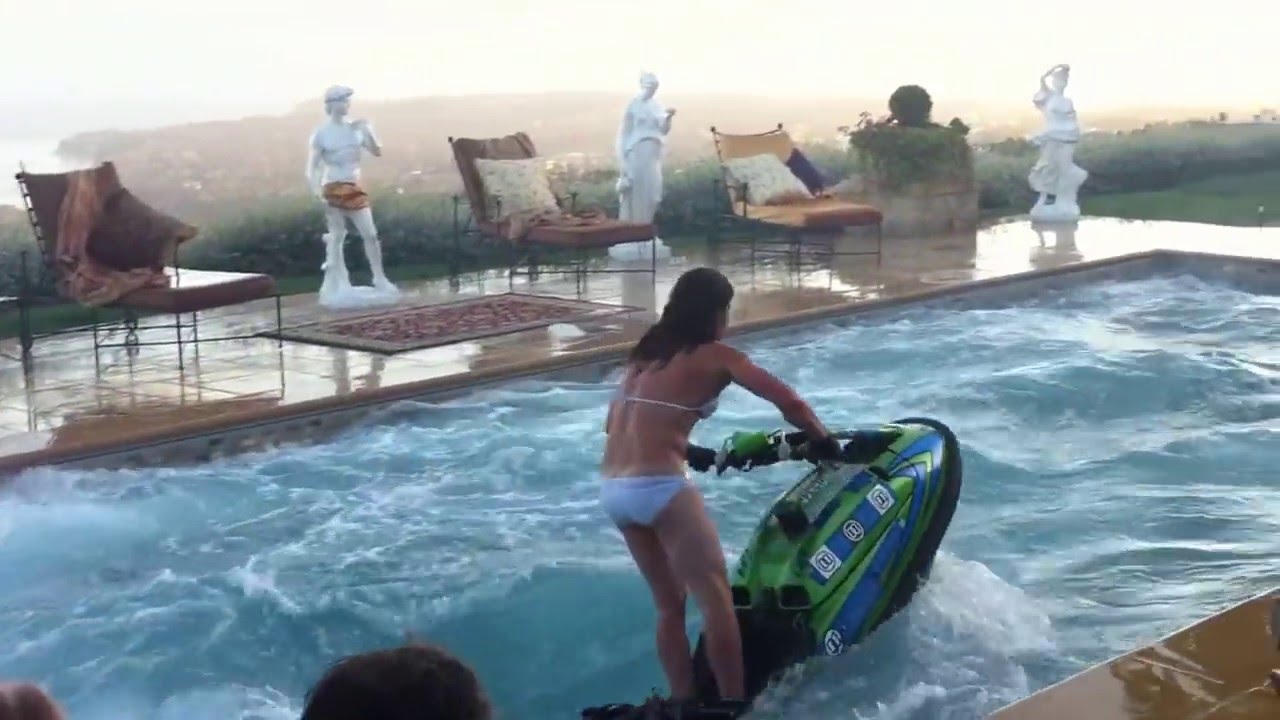
Stand up PWCs are fun and can do so much more than sit-down style jet skis. First and foremost, they can do flips. The riding experience is unique and cannot really be compared.
For starters, stand ups don’t carry gear and can’t really support tandem riding. On the other hand, they’re easier to transport and can even be carried by 3 people from trailer or flat bed truck to the water.
The Kawasaki SX-R stands out for its leading performance and innovative features, boasting a 1,498cc engine for impressive acceleration and speed. It’s the fastest of the legal and readily available stand up jet skis with a top speed of 62 mph!! While most won’t need to go that fast, the iconic Kawasaki jet ski has a claim to fame and a legacy to protect–and it does it well.
The Kawasaki SX-R displays the brand’s commitment to power and accuracy. The SX-R’s 1,498cc four-stroke engine is noted for its power and stability. This feature lets motorcyclists confidently ride waves. The sleek, muscular stand-up jet ski optimizes mobility for fast turns and precise control.
This unique combination appeals to seasoned and beginner stand-up jet skiers for a more cruiser-friendly experience.
Not to be outdone, the highly regarded Yamaha SuperJet is known for its agility and maneuverability, thanks to its compact hull design and gutsy 1,049cc 4-stroke engine. This is a lighter PWC than Kawasaki’s. That makes this Waverunner a more lively stand up jet ski.
As noted, the SuperJet’s lightweight, robust hull improves agility and reactivity. For riders who favor nimbleness and precision above sheer power, the 1,049cc 4-stroke engine offers snappy acceleration and a thrilling riding experience.
Yamaha’s SuperJet is known for its dependability, maintaining the brand’s reputation. This type caters to stand-up jet skiers who prefer simplicity and basics.
The Krash Industries series boasts an innovative design and state-of-the-art technology, showcasing impressive performance in freestyle tricks and racing maneuvers. Krash offers several models with distinct features tailored to various preferences while providing a unique experience combining excitement and mastery of the open water, but are only for use in competition in the US.
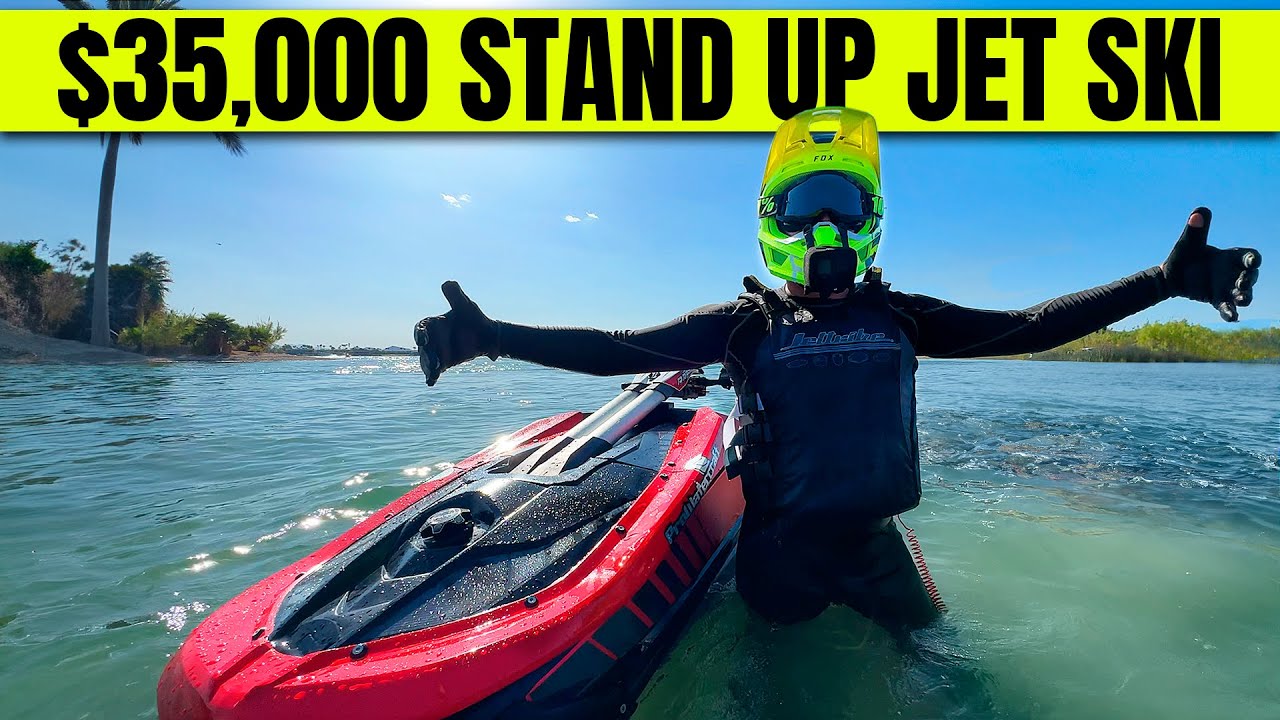
The ProForce 3.0 Stand Up Jet Ski is a beast of it’s own universe, speaking a language of its own and costing something entirely out of most people’s concept of affordable. On the other hand, the ProForce 3.0 is a titan among giants in the racing world.
Check out this video of what $35,000 feels like when shredding a lake.
The Krash Predator, Reaper, Footrocket, and Footrocket Pro stand-up jet skis from Krash Industries provide a unique touch to the market. The models attract riders who want tailored performance.
Krash jet skis are known for their adaptability, allowing riders to personalize engine sets, hull designs, and handlebars. Tinkerers and speed freaks love this device because it lets them push performance limits.
However, Krash jet skis are less well-known than Kawasaki or Yamaha and have garnered recognition for their creative approach to the sport. Krash is just for competition use in the US. Proforce offers users the chance to build their stand-up jet ski.
The Kawasaki SX-R, Yamaha SuperJet, Krash, and ProForce stand-up jet skis each possess unique qualities that contribute to the diverse landscape of stand-up jet skis. The various manufacturers offer options to cater to riders’ preferences and riding styles.
Kawasaki emphasizes power and stability, Yamaha focuses on agility and precision, while Krash prioritizes customization and innovation. These choices give riders an exhilarating and personalized experience on the water.
FAQ
How do stand-up jet skis differ from ordinary jet skis?
Riding stand-up jet skis requires standing on a tiny platform. This design lets riders do stunts, like flips in the most extreme and leaps more dynamically. Additionally, there’s no space for storage or extra passengers.
Do novices need experience on stand-up jet skis?
New jet skiers and watercraft riders should avoid stand-up jet skis. Stand-up jet skiing demands expertise, balance, and coordination, which can be difficult for beginners.
How much do stand-up jet skis cost?
Stand-up jet skis begin at $8,199.
Are stand-up jet skis primarily for competition or recreation?
Stand-up jet skis are more performance-oriented and may take more expertise to control than seated jet skis.
Weekly
Get one honest boat review a week
One boat we ran, one guide worth reading, one model we'd shop next week. No press-release rewrites. Unsubscribe any time.