What defines a personal watercraft
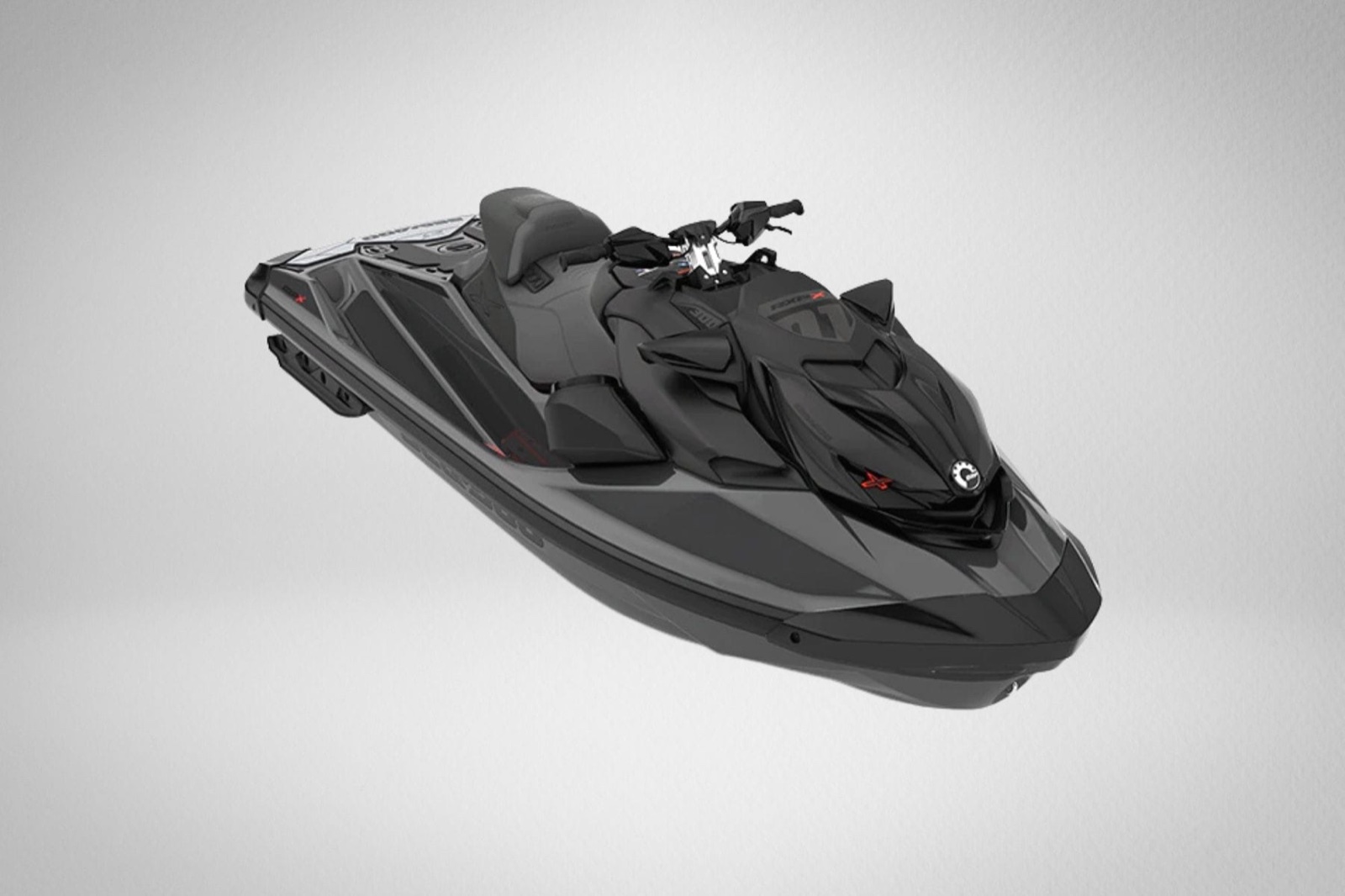
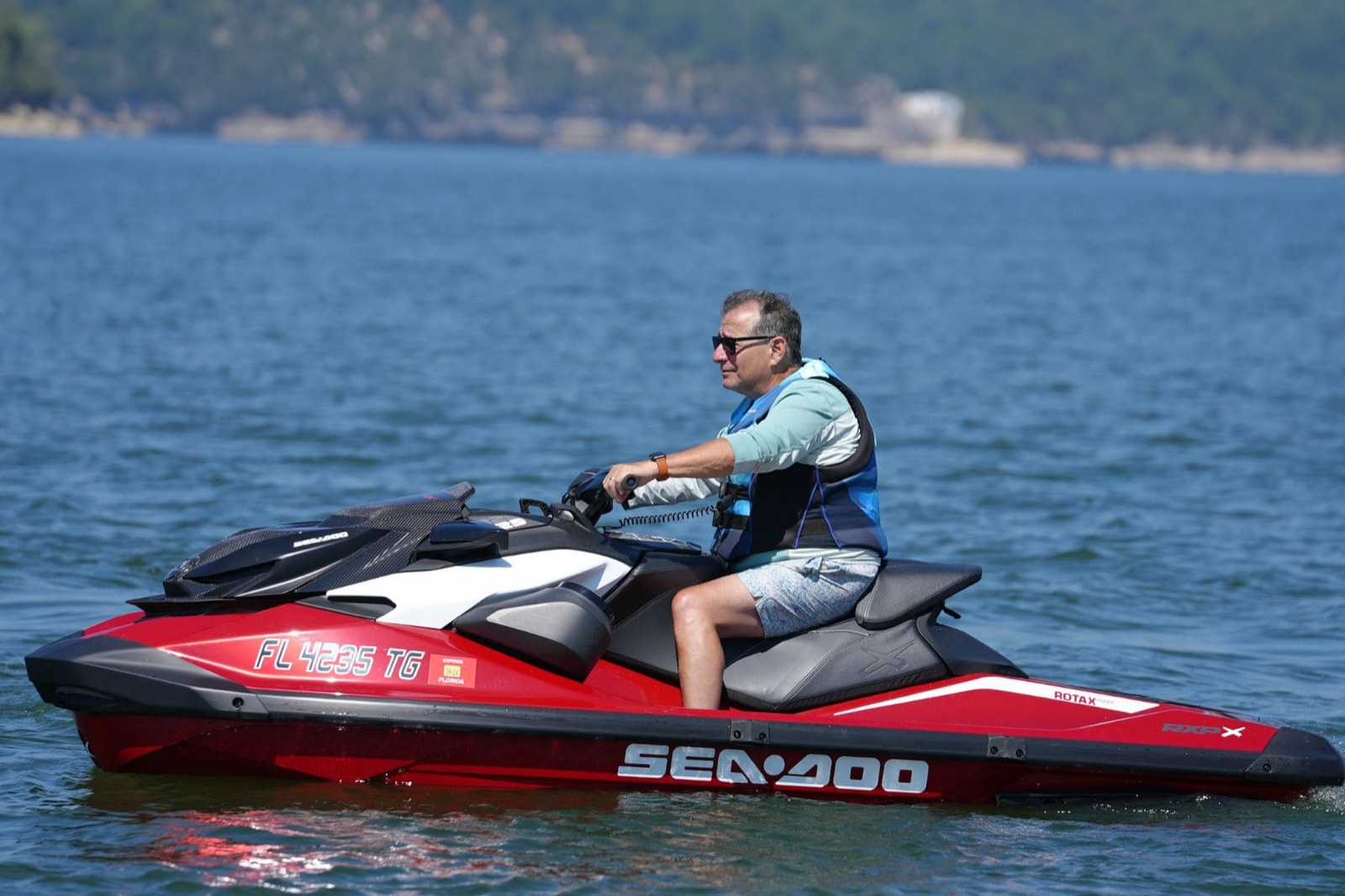
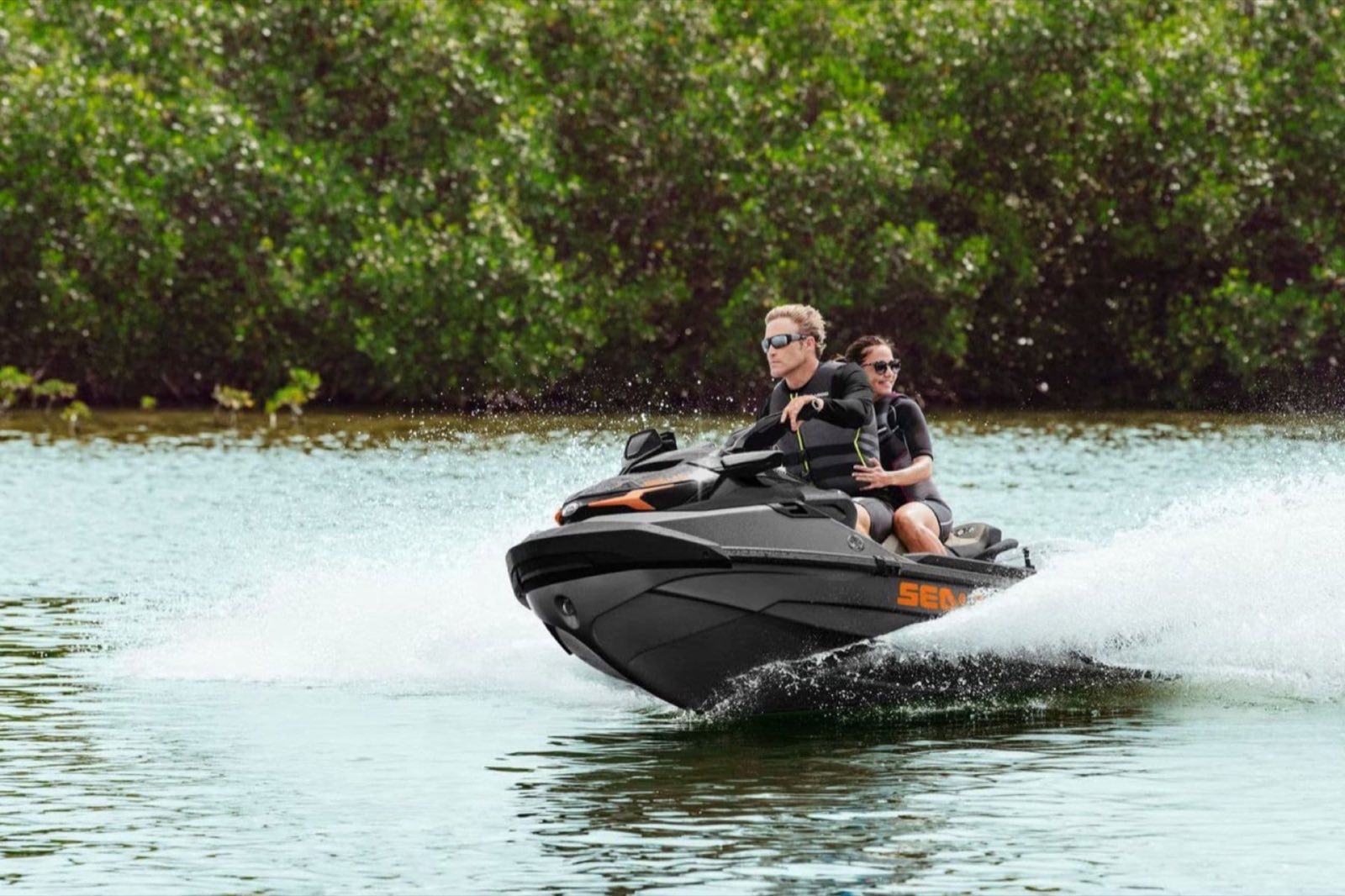
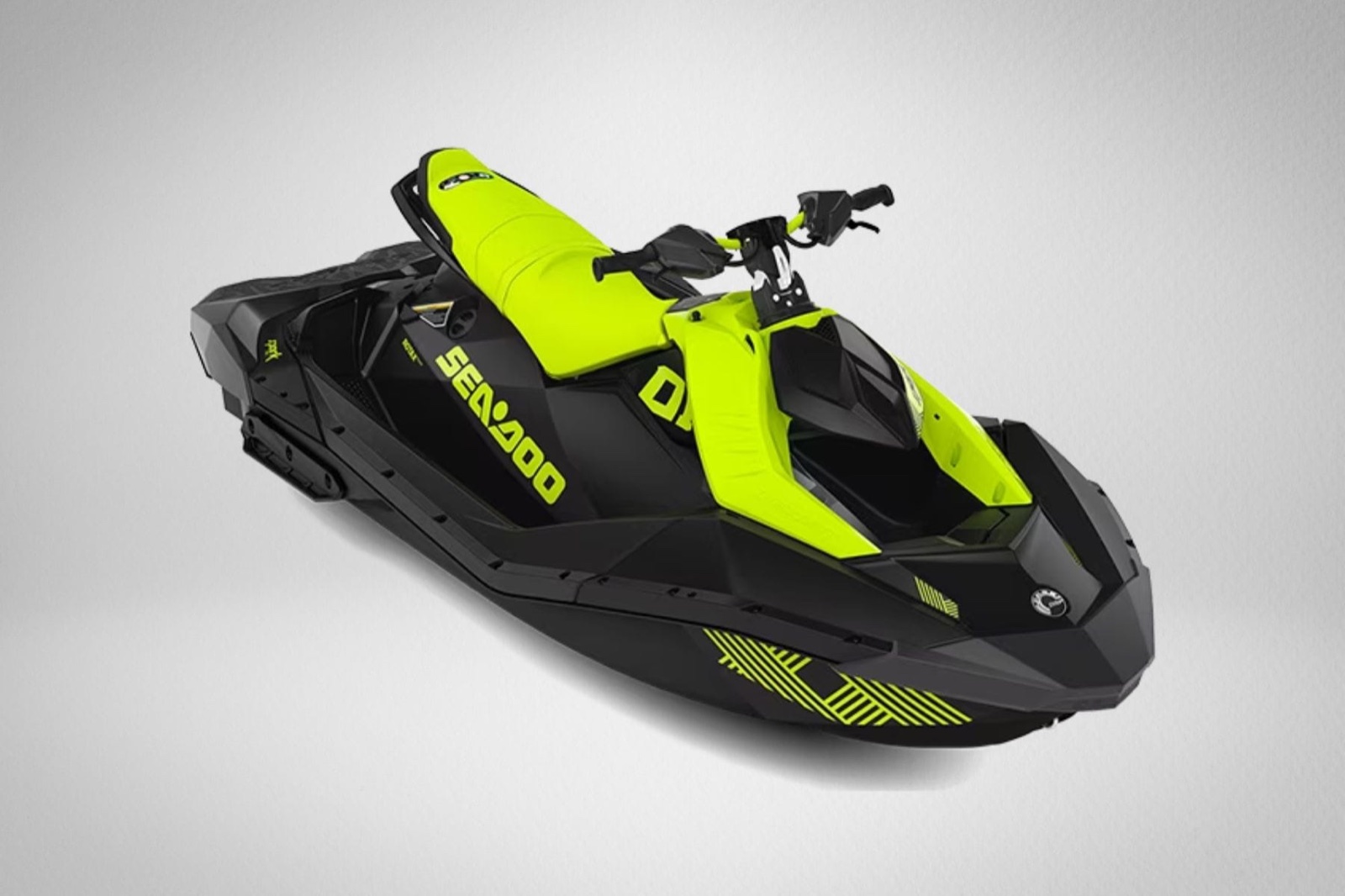
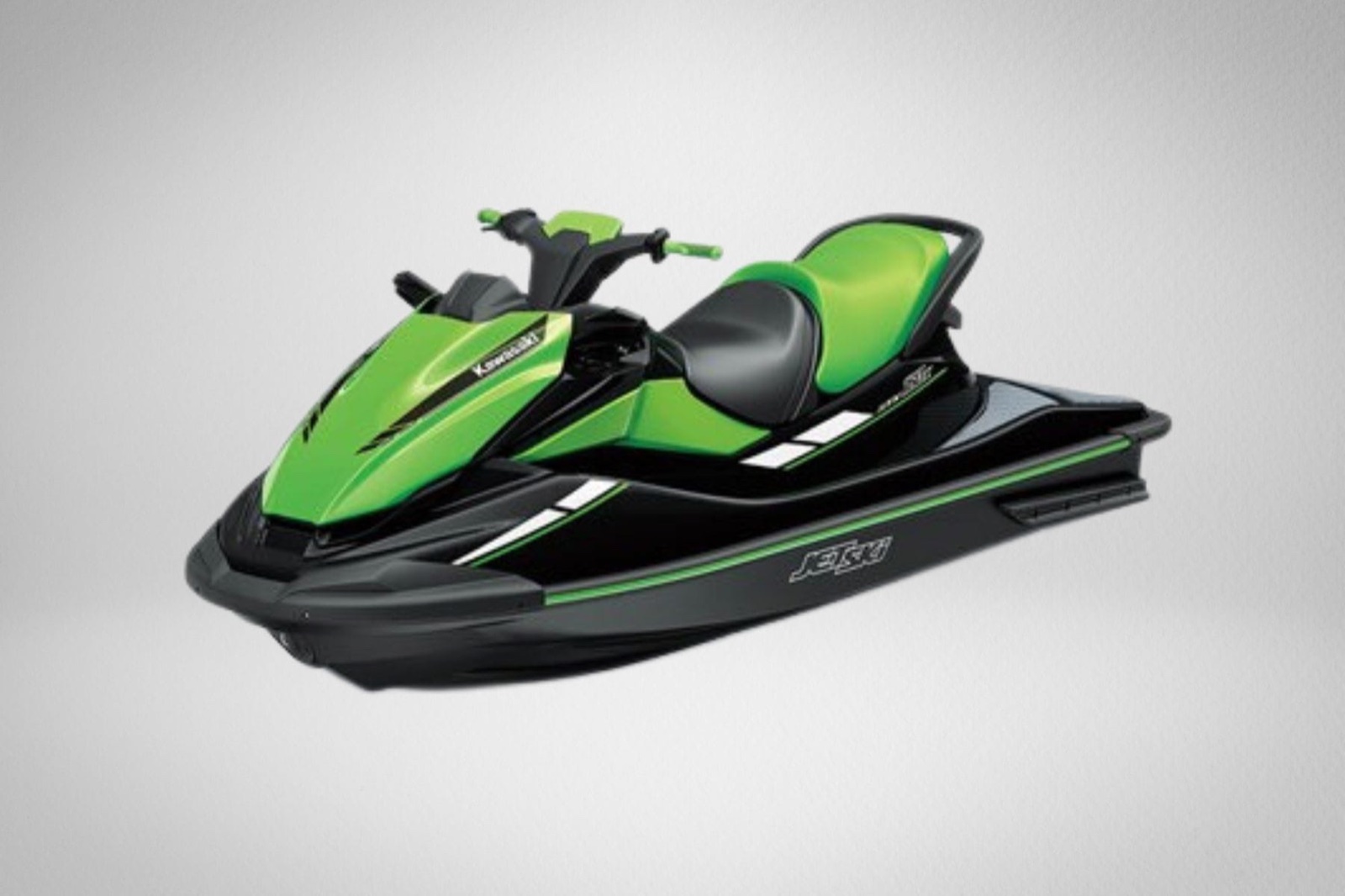
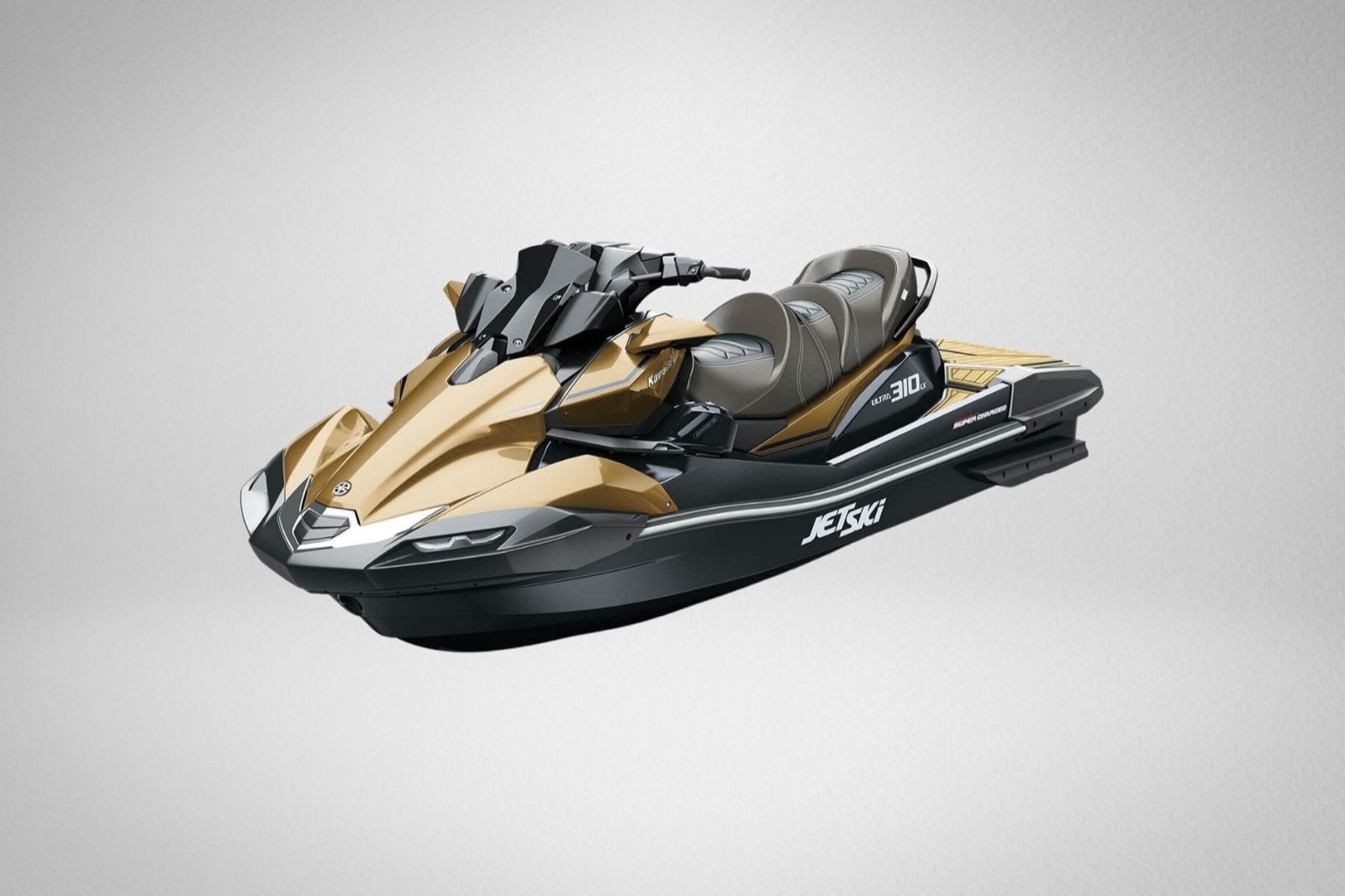
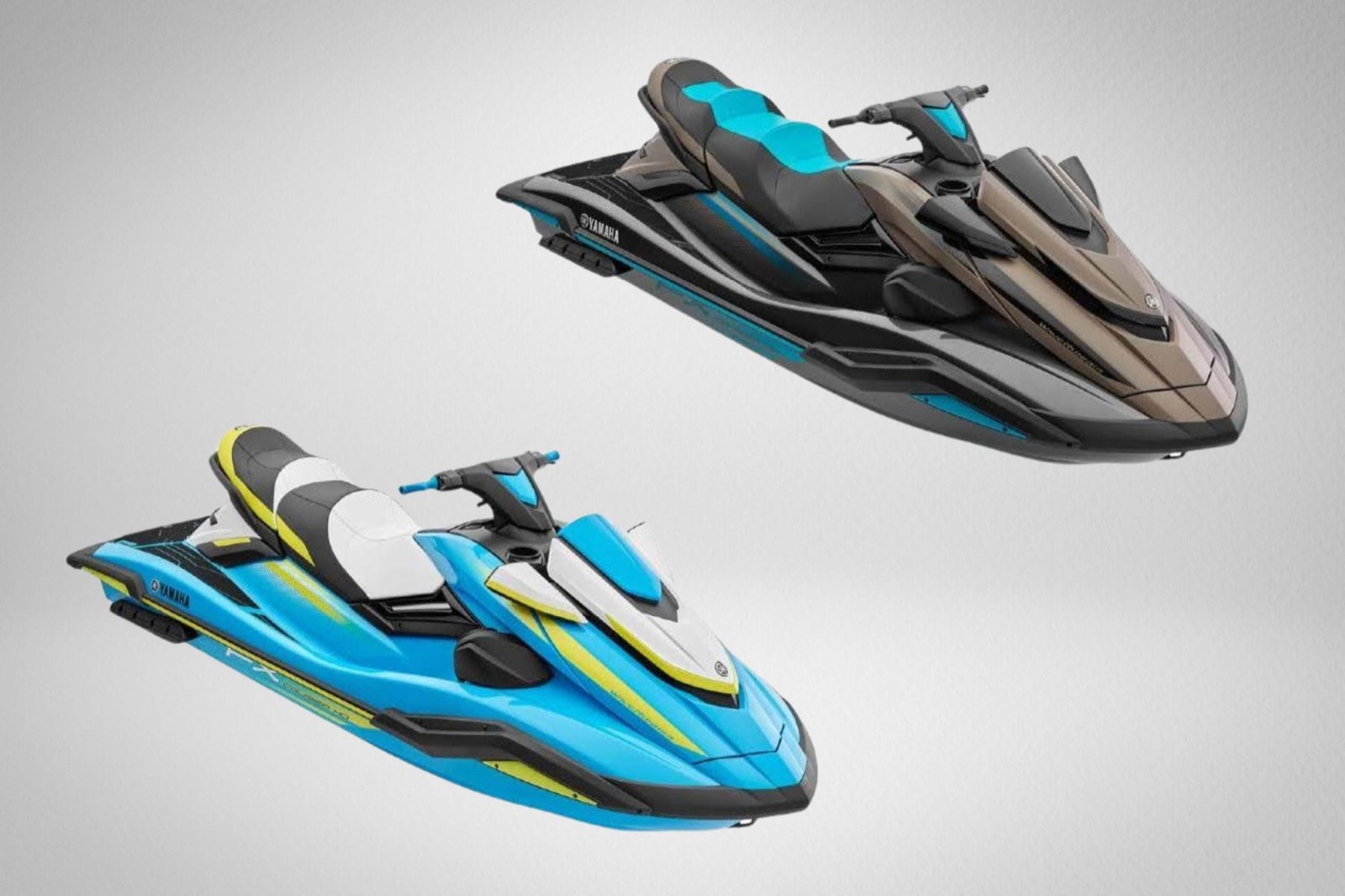
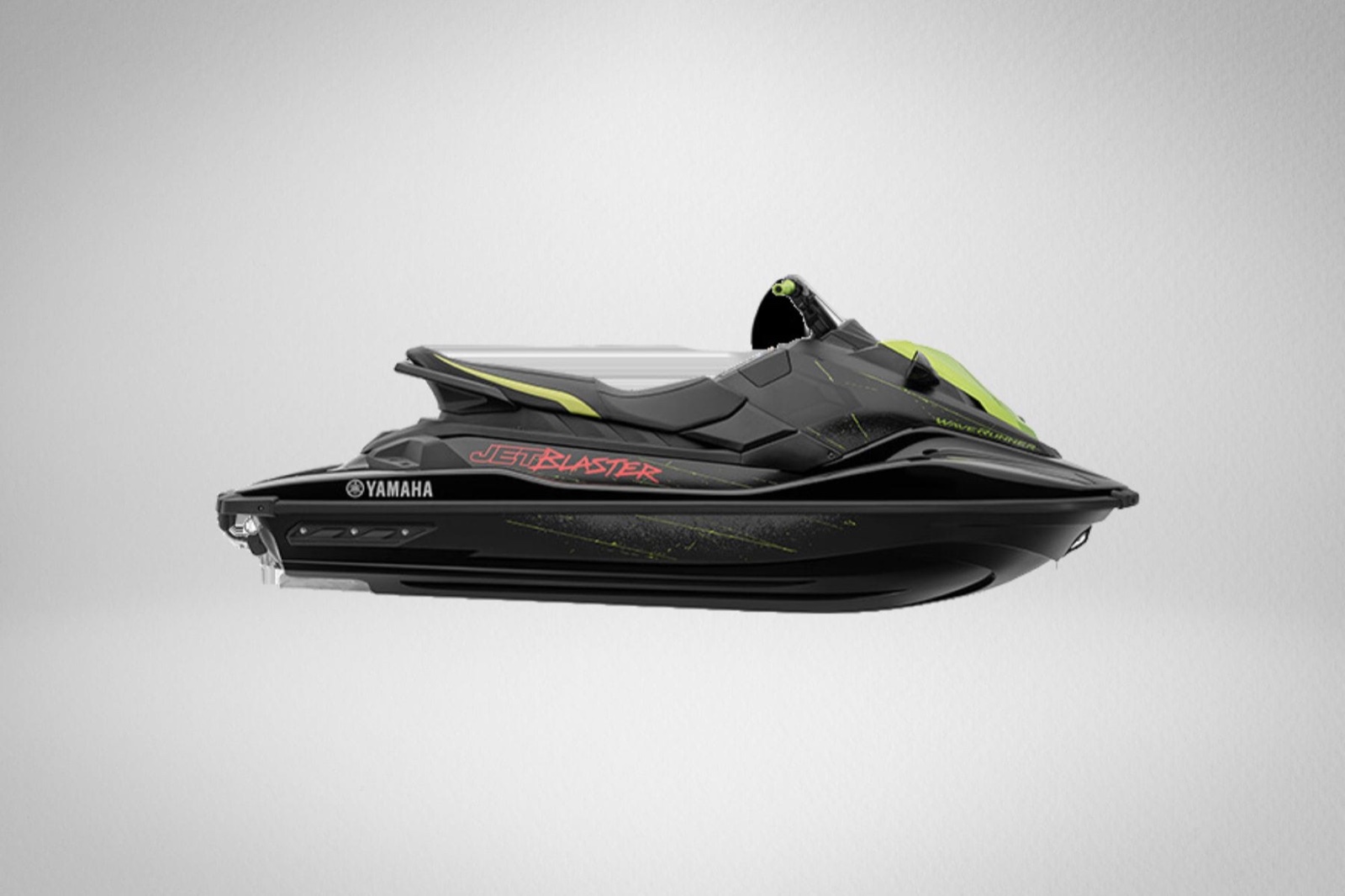
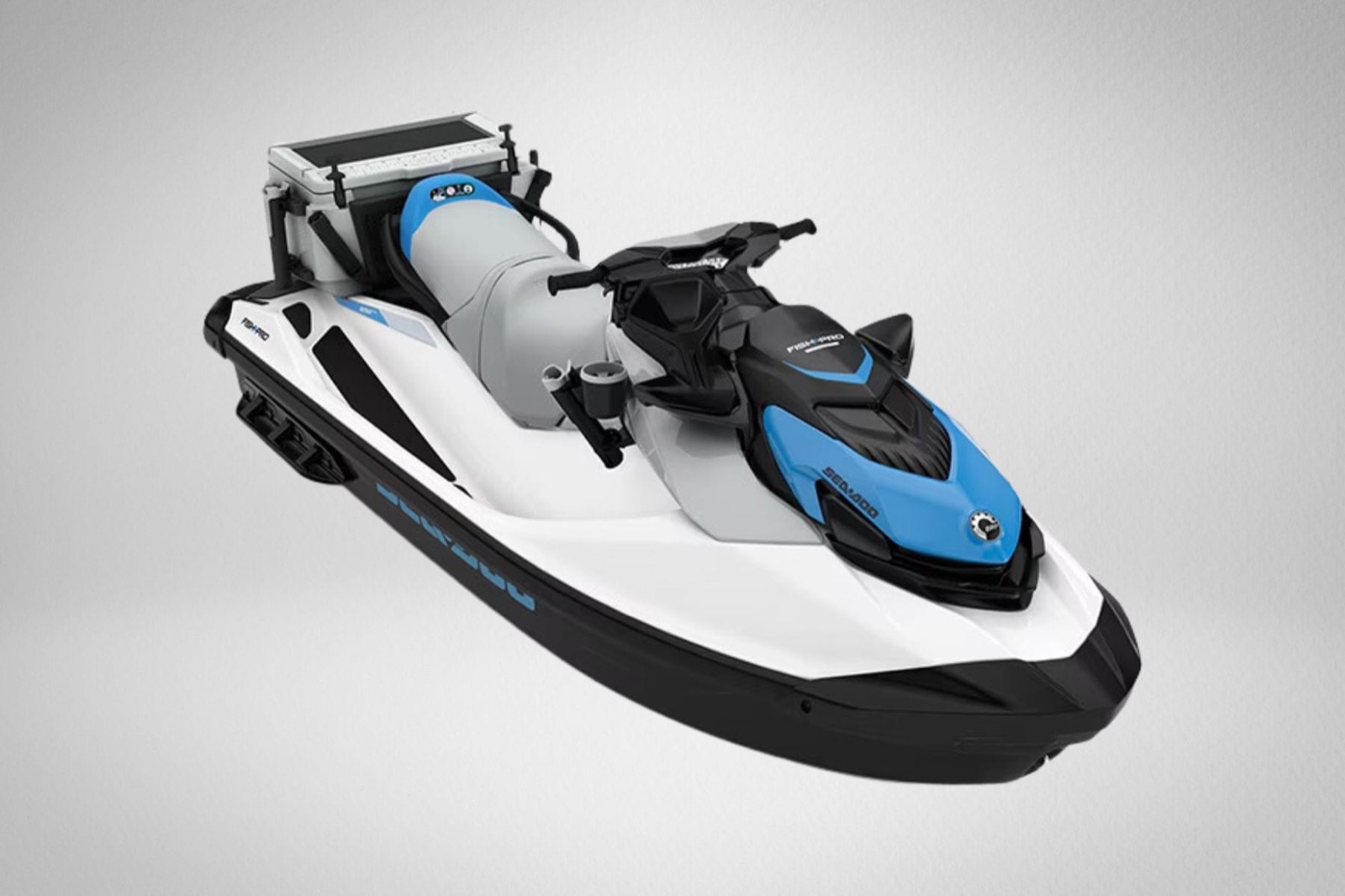
A personal watercraft is a small jet-driven craft, typically 9 to 12 feet, designed to carry one to three riders straddling a saddle. The propulsion is always a jet pump driven by a 60 to 325 horsepower internal-combustion or electric motor. Three sub-segments dominate: recreation skis tuned for entry buyers and casual riders, performance skis tuned for closed-course speed, and touring skis with deeper-V hulls and storage for offshore use. A fourth, fishing PWC, has emerged since 2020 with extended platforms and rod holders.
Buyers self-sort by four filters before they read a single review: ride category, brand ecosystem, two-up versus three-up capacity, and price tier including the used market.
What buyers actually pay
PWC depreciation is steeper than boats: year one runs 18 to 25 percent off MSRP because dealer floor turnover happens in spring. Five-year depreciation lands at 50 to 60 percent for performance models and 40 to 50 percent for touring units that hold up better mechanically. Sea-Doo holds value 5 to 8 percent better than Yamaha at five years on equivalent trims, mostly because the iBR brake and reverse system shifted buyer expectations. Used sweet spot sits at 3 to 5 years where supercharger rebuild intervals on the 300+ horsepower units have not yet hit, but the heaviest depreciation is behind.
Model-year defects worth screening
Sea-Doo 300-horsepower Rotax engines built 2016 to 2018 had a supercharger washer wear pattern that required a $900 to $1,400 rebuild around 200 hours, surfaced across owner-mechanic forum threads. Pre-2020 Sea-Doo Spark hulls had a known fuel-line crimp that fatigued in salt service. Yamaha SVHO motors are mechanically robust but pre-2018 boats had fragile clutch dogs in the reverse gate. Kawasaki Ultra 310 hulls 2014 to 2017 had an inspection-port gasket that leaked into the bilge under hard cornering. None of these are deal-breakers, but each shifts the used negotiation by $1,500 to $3,000.