Boat & Sail
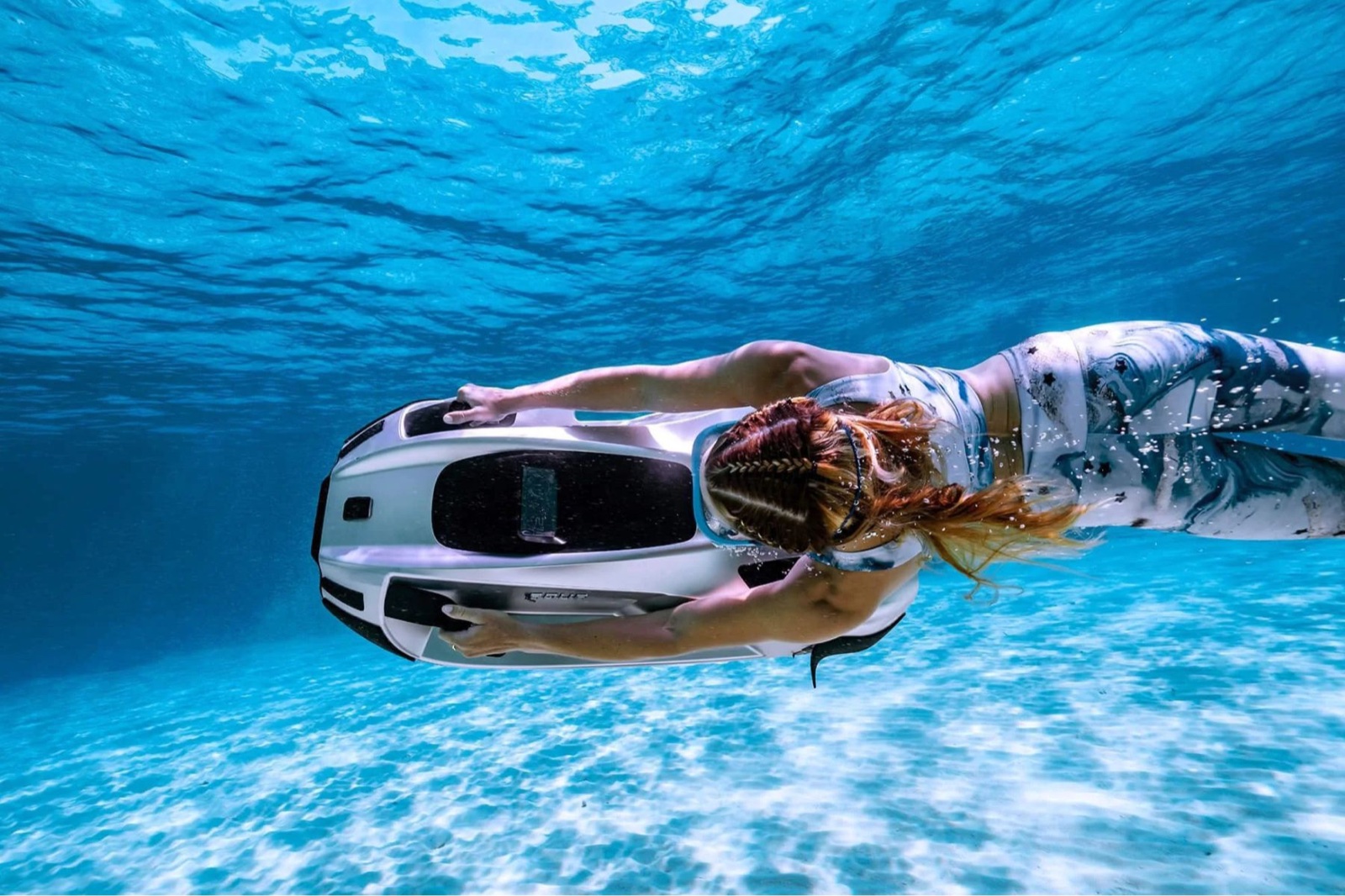
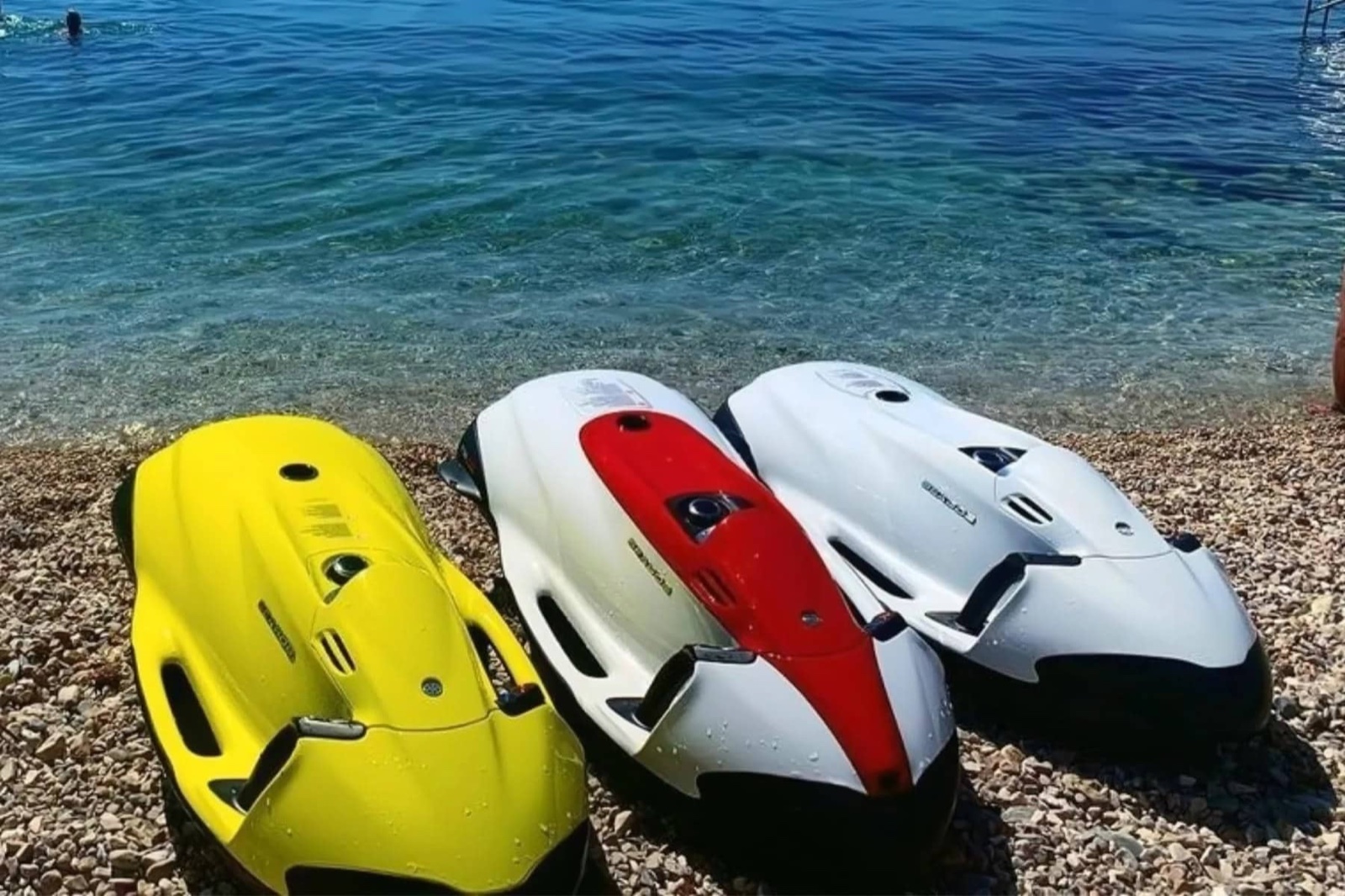
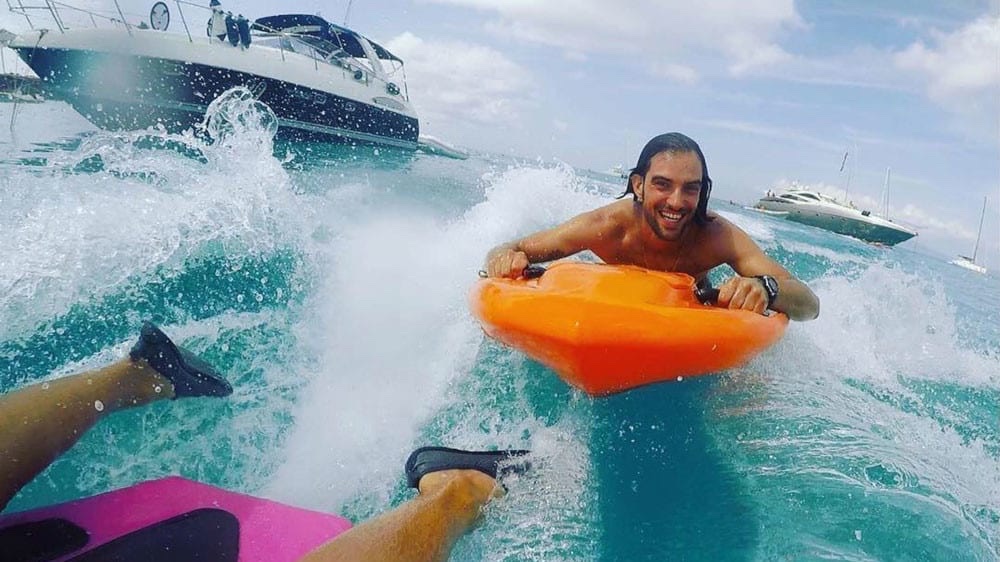
Rider piloting a jet body board prone-position

Top guide · eFoil · Jet body boards

5 Best Jet Body Boards in 2026

The jet body board segment is genuinely small in 2026. Five brands have credible products on the market, and one (Cayago, with the Seabob lineup) defines the premium tier almost on its own. The category is defined by prone-position electric tow, where the rider lies on the unit and a small impeller drive pulls them through the water at 12 to 21 km/h. The use cases run from snorkel and scuba assist (the Seabob F5 SR's 40 m dive rating is the segment-defining feature) to surface recreation and vacation-home casual ownership.

The picks span $3,990 to $22,490 and include luxury dive-rated, premium surface-recreation, mid-tier value, and entry-tier casual options. Our weighting reflects what matters to a jet body board buyer: build (25 percent) leads because the dive rating and corrosion management define the product, performance (20 percent) and range (20 percent) for ride time and motor honesty, systems (15 percent) for throttle and dash polish (Piezo vs trigger), value (15 percent), and resale (5 percent). Resale carries less weight here than in the eFoil segment because Seabob holds value strong while the rest of the segment is small enough that resale data is thin.

Filters below let you narrow by use, board size, and price tier. Each pick includes the year combination that consistently appears at the right price as of April 2026.

By Boat & Sail Editorial · Updated April 2026 · 8 models evaluated, 5 selected

5 Best Jet Body Boards in 2026, image 1
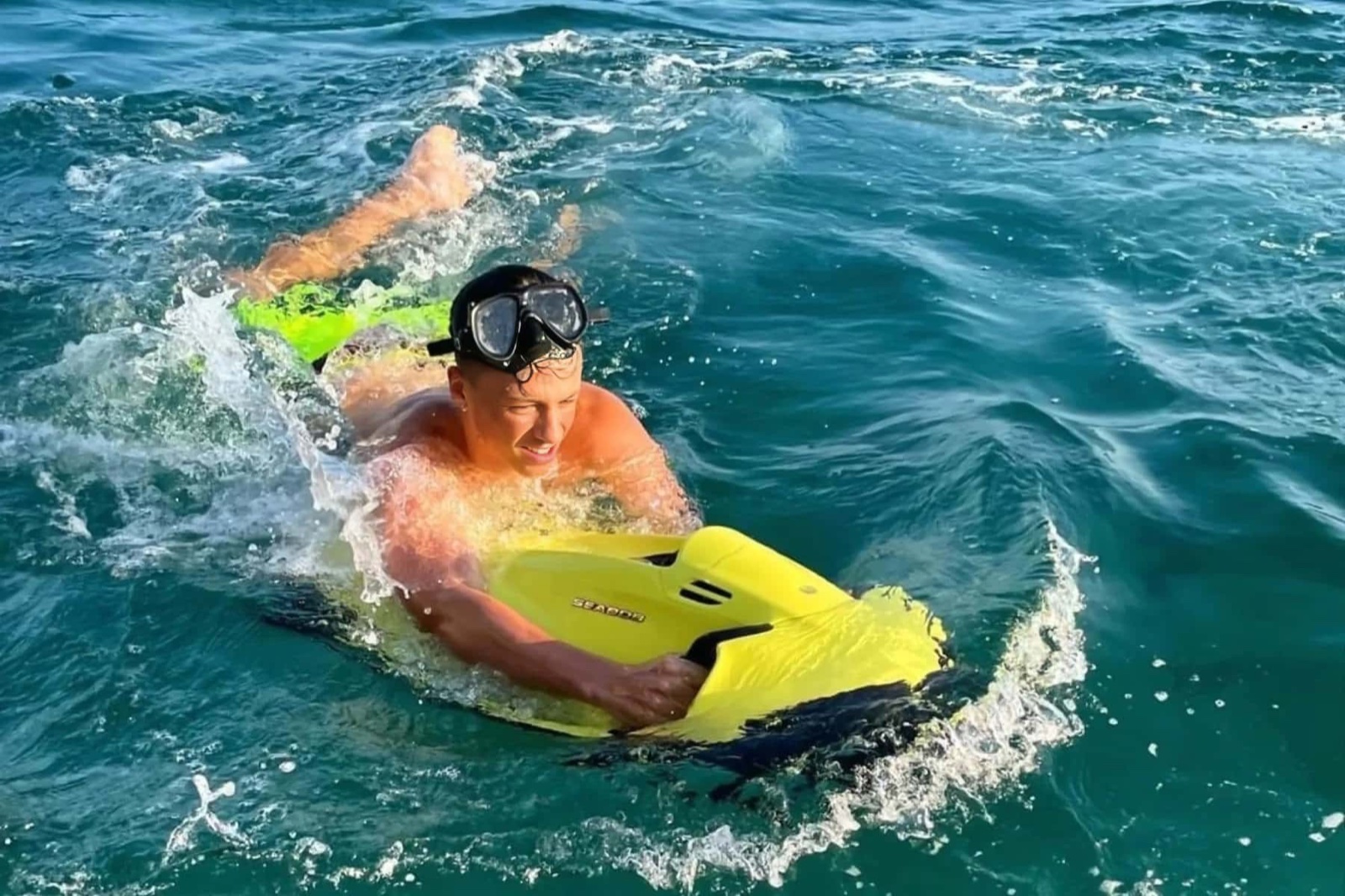
5 Best Jet Body Boards in 2026, image 2
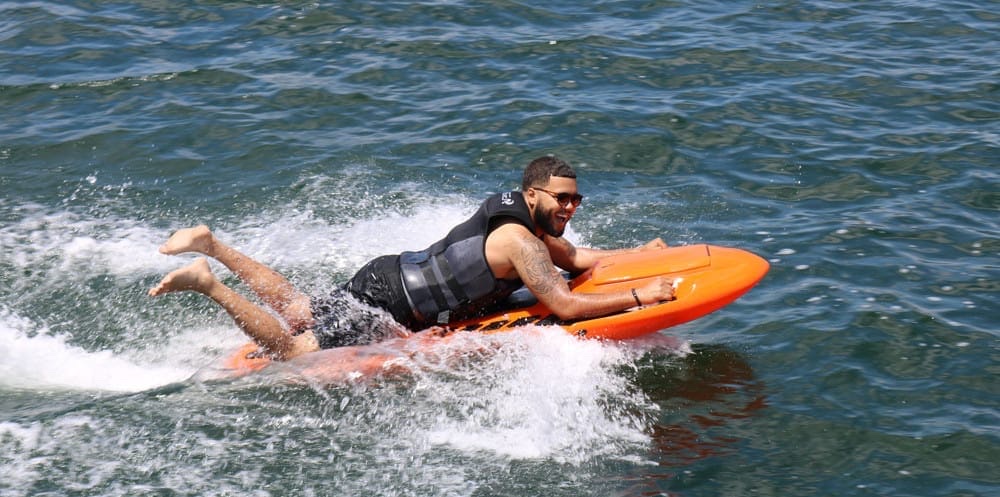
5 Best Jet Body Boards in 2026, image 3
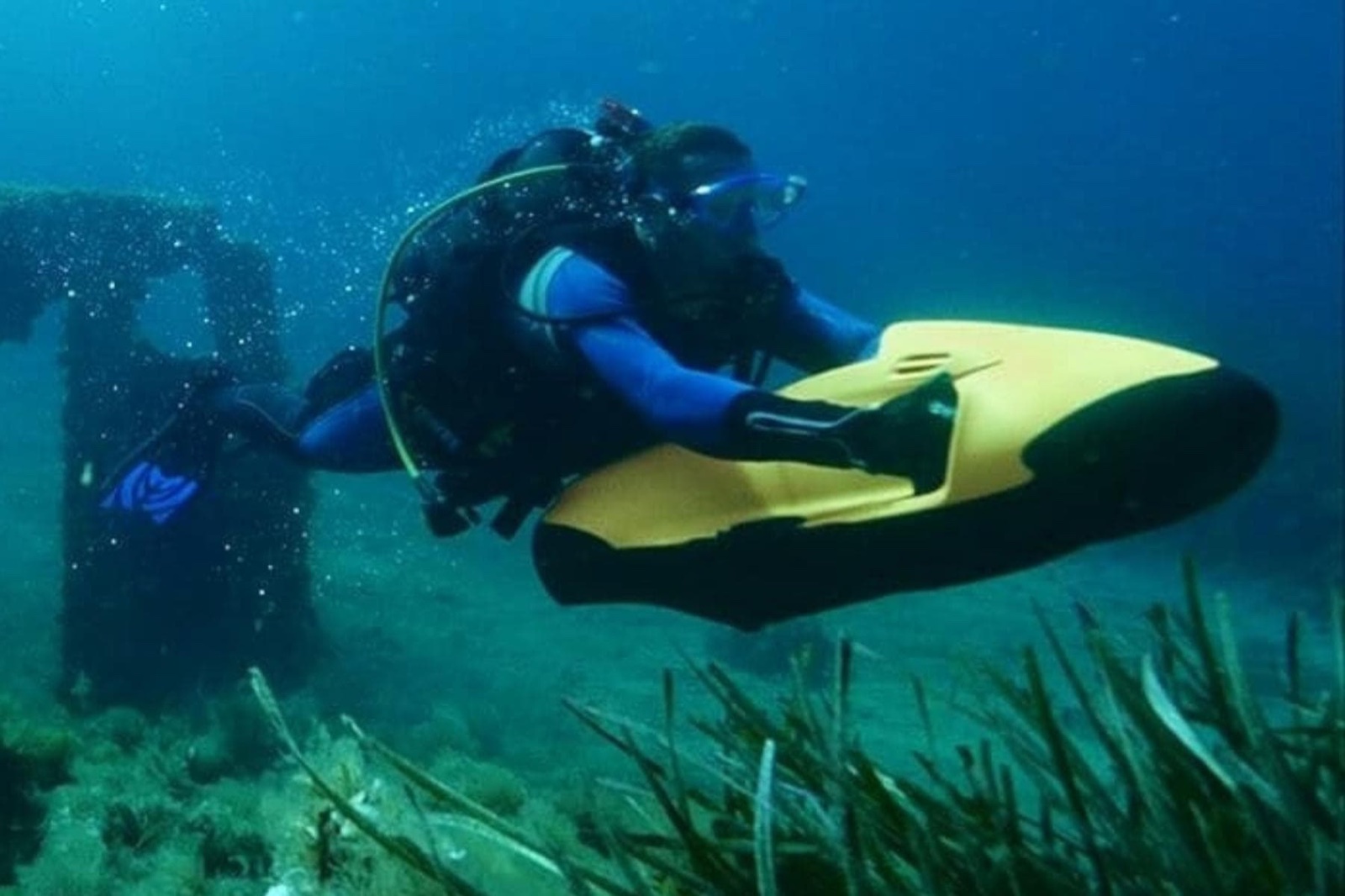
5 Best Jet Body Boards in 2026, image 4
5 Best Jet Body Boards in 2026, image 5
Filter: | |

Compare all 5 at a glance

Pricing sampled April 2026 from dealer quotes and broker listings. Click a unit to jump to its review.

#UnitClass UseUsed range BuildSystemsValue Best for
1 Seabob F5 SR
Cayago
standard recreation $12,500–17,500 (2022–2024 units) ★★★★★ ★★★★★ ★★★☆☆ recreation, dive-assist
2 Cayago Seabob F5
Cayago
standard recreation $8,800–12,500 (2022–2024 units) ★★★★★ ★★★★☆ ★★★★☆ recreation, freeride
3 Hadoco T-One
Hadoco
standard recreation $5,800–8,200 (2022–2024 units) ★★★★☆ ★★★★☆ ★★★★★ recreation, freeride
4 ASAP Watercraft Sumo
ASAP Watercraft
large recreation $7,800–11,000 (2022–2024 units) ★★★★☆ ★★★★☆ ★★★★☆ recreation, dive-assist
5 Kymera Body Board
Kymera
compact recreation $2,200–3,800 (2022–2024 units) ★★★☆☆ ★★★☆☆ ★★★★★ recreation
1. Cayago · standard · recreation · luxury

Seabob F5 SR

Seabob F5 SR

The verdict: Yes, the segment-defining premium product and the dive-rated reference

The Seabob F5 SR is the segment-defining jet body board in 2026 and the only product at this tier with a credible dive rating (40 m factory rated). German build by Cayago, carbon-fiber-reinforced hull, and the E-Jet Power System pushing 21 km/h top end on the SR. The Piezo control system is the segment's reference, finger-press throttle is intuitive in 30 seconds. Battery 1.4 kWh, 30 to 60 minutes ride time depending on speed-step setting (the SR has seven steps). The dive rating and neutral-buoyancy tuning make this the only jet body board worth consideration for snorkel-tow and scuba-bag-pull duty. The price is the trade, $19,000 entry is the segment's premium and the math is conditional on dive-or-yacht-fleet use cases. We tested an F5 SR in the Mediterranean in summer 2024, the build is honest and the dive rating is genuine.

Build

★★★★★

Performance

★★★★★

Accommodations

★★★★☆

Systems

★★★★★

Value

★★★☆☆

Resale

★★★★★

Build. Carbon-fiber-reinforced hull, hand-laid in Germany. Marine 316 stainless hardware. Piezo throttle housing is the segment's most refined. Battery sled and electrical bay are dive-rated to 40 m factory standard.

Performance. E-Jet Power System impeller, 21 km/h (13 mph) top end on speed-step seven. Battery 1.4 kWh, 30 minutes hard riding (top step), 60 minutes at speed-step three. Charge time 90 minutes.

Accommodations. Length 4 ft 7 in (1.4 m), width 21 in. Weight including battery 32 kg. Prone-position riding only. Neutral-buoyancy tuning means the unit floats balanced rather than nose-up. GPS overlay on dash standard.

Systems. Piezo finger-press throttle is the segment's reference, intuitive control. Color-LED dash with battery, speed, depth, and temperature display. GPS overlay for speed and route logging. Dive rating 40 m factory standard.

Value. Value math is conditional. For dive-and-yacht-fleet use, the math works because no other jet body board is rated for dive depth. For surface-only recreation, the Cayago F5 base trim or the Hadoco T-One save $5,000 to $10,000.

Resale. Seabob holds resale better than any other jet body board. Three-year depreciation 28 to 32 percent for clean F5 SR units. Strong demand from yacht-fleet buyers and dive operators keeps inventory moving.

What's included

Seabob F5 SR unit, E-Jet Power System impeller, 1.4 kWh dive-rated battery, Piezo throttle controls, color-LED dash, GPS overlay, charger, transport bag.

What costs extra

Second battery, dual-charger, premium custom colorway, GPS-route subscription extension, club-membership program access, dive-tow handle accessory.

What works

  • Only jet body board with credible 40 m factory dive rating in 2026
  • Piezo finger-press throttle is the segment's reference for intuitive control
  • Neutral-buoyancy tuning makes snorkel-tow and scuba-bag-pull use clean
  • Carbon-fiber hand-laid German build, segment-best finish
  • Resale 8 to 12 points stronger than Cayago base or Hadoco at three years

What doesn't

  • $19,000 entry is the segment's premium, $5,000 over Cayago F5 base trim
  • Battery 1.4 kWh is small relative to electric jetboards in the same price range
  • Prone-position only, not a sit-on or stand-up alternative

Best for

Yacht-fleet owners adding a tender-tier toy. Dive operators tow-and-pull use cases. Buyers who want the segment-reference build and dive rating.

Not ideal for

Surface-recreation-only buyers, the Cayago F5 base saves money. Sub-$15,000 budget shoppers, Hadoco T-One fits.

Best year & trim to buy

2024 F5 SR with the refined Piezo throttle and GPS overlay revisions. The 2022 launches had earlier-generation Piezo firmware that occasionally needed factory reset, 2024 firmware resolved that.

Pricing, April 2026

New
$18,990–22,490 new (2026 MSRP)
Used
$12,500–17,500 (2022–2024 units)
Read the full Seabob F5 SR review →
2. Cayago · standard · recreation · premium

Cayago Seabob F5

Cayago Seabob F5

The verdict: Yes, the surface-recreation answer at the lower Cayago price tier

The Cayago Seabob F5 is the entry trim of the same product line as the F5 SR. Same German build, same hull tooling, and the same Piezo control philosophy at a price point that saves $5,000 over the SR. The trade is on dive rating (the F5 base is rated to a meaningful but not factory-certified depth), top-end speed (17 km/h vs 21 km/h on the SR), and battery capacity (1.2 kWh vs 1.4 kWh). For surface-only recreation use cases, the F5 base is the math, the SR pricing is for dive and yacht-fleet buyers. We rode an F5 base alongside an F5 SR in the same conditions, the surface ride is honestly close, the dive-tow use case is where the SR justifies its premium.

Build

★★★★★

Performance

★★★★☆

Accommodations

★★★★☆

Systems

★★★★☆

Value

★★★★☆

Resale

★★★★☆

Build. Carbon-fiber-reinforced hull, hand-laid in Germany. Same hull tooling and hardware as F5 SR. Battery sled is rated for surface use rather than factory-certified dive depth.

Performance. E-Jet Power System impeller, 17 km/h (11 mph) top end. Battery 1.2 kWh, 25 minutes hard riding, 50 minutes at speed-step three. Charge time 80 minutes.

Accommodations. Length 4 ft 7 in (1.4 m), width 21 in. Weight including battery 30 kg. Prone-position riding only. Surface-buoyancy tuning, slightly nose-up vs SR's neutral-buoyancy.

Systems. Piezo finger-press throttle, same as SR. Color-LED dash with battery, speed, and temperature display (no depth or GPS overlay on this trim). Five speed-steps vs SR's seven.

Value. $13,500 buys the German build and Piezo control philosophy at $5,000 less than F5 SR. The math works for surface-recreation buyers who do not need dive rating or GPS overlay.

Resale. Cayago F5 base holds resale within 35 to 40 percent at three years for clean units. Strong demand keeps inventory moving, listings move at fair speed.

What's included

Cayago Seabob F5 unit, E-Jet Power System impeller, 1.2 kWh battery, Piezo throttle controls, color-LED dash, charger, transport bag.

What costs extra

Second battery, dual-charger, dive-rated battery upgrade, GPS overlay (SR-only feature), premium custom colorway.

What works

  • Same German Cayago build at $5,000 below F5 SR
  • Carbon-fiber hand-laid hull, segment-shared finish quality
  • Piezo throttle controls are intuitive in 30 seconds, segment-best
  • Surface-recreation case justified without paying for dive rating
  • Resale strong enough to keep three-year ownership math credible

What doesn't

  • Top end 17 km/h is 4 km/h below F5 SR, performance riders will notice
  • No dive rating, snorkel-tow only at shallow surface depth
  • No GPS overlay on dash, the SR's route-logging is a real differentiator

Best for

Surface-recreation buyers in the Seabob ecosystem. Yacht-tender buyers who do not need dive rating. Cayago-brand loyalists at the lower entry trim.

Not ideal for

Dive-and-tow buyers, F5 SR's 40 m rating is the answer. Sub-$10,000 budget shoppers, Hadoco T-One fits.

Best year & trim to buy

2024 F5 with the refined battery and the latest Piezo firmware. The 2022 launches had occasional Piezo firmware issues resolved by 2024.

Pricing, April 2026

New
$13,490–15,990 new (2026 MSRP)
Used
$8,800–12,500 (2022–2024 units)
Read the full Cayago Seabob F5 review →
3. Hadoco · standard · recreation · mid

Hadoco T-One

Hadoco T-One

The verdict: Yes, the strongest mid-tier value for surface jet body boards

The Hadoco T-One is the mid-tier answer to the Seabob ecosystem. Carbon-skin hull rather than full carbon-fiber-reinforced (the Cayago grade), Asia build, and a control system that runs on a dual-trigger throttle rather than the Piezo finger-press of Seabob. Top end 18 km/h, battery 1.0 kWh, 22 to 35 minutes ride time depending on speed setting. The math is honest, $9,000 brings credible jet body boarding to buyers who would otherwise stretch to a used Seabob or skip the segment entirely. The trade is on resale (the segment is small and Hadoco is the newer entrant), and on the systems polish, the dash does not have GPS or depth overlay. For recreation-only surface use, the Hadoco T-One is the value math.

Build

★★★★☆

Performance

★★★★☆

Accommodations

★★★★☆

Systems

★★★★☆

Value

★★★★★

Resale

★★★☆☆

Build. Carbon-skin hull with EPS core, Asia build. 316 stainless hardware. Build tolerances are good, finish polish is one tier below Cayago. Battery sled is surface-rated rather than dive-rated.

Performance. Hadoco impeller, 18 km/h (11 mph) top end. Battery 1.0 kWh, 22 minutes hard riding, 35 minutes at lowest speed-step. Charge time 100 minutes.

Accommodations. Length 4 ft 6 in (1.37 m), width 22 in. Weight including battery 28 kg. Prone-position riding only. Surface-buoyancy tuning.

Systems. Dual-trigger throttle (left and right hand triggers) rather than Piezo. LED dash with battery and speed display, no GPS or depth overlay. Five speed-steps.

Value. $9,000 entry is the strongest mid-tier value in jet body boards. The $5,000 to $13,000 saving vs Cayago and Seabob makes the segment accessible to buyers who would otherwise pass.

Resale. Hadoco resale is the weakest of the picks here. Three-year depreciation 45 to 50 percent. The brand is newer, used market is thin outside Asia.

What's included

Hadoco T-One unit, impeller and motor, 1.0 kWh battery, dual-trigger throttle, LED dash, charger, transport bag.

What costs extra

Second battery, dual-charger, premium colorway, GPS upgrade, dive-rated battery, club-membership access.

What works

  • Strongest mid-tier value at $9,000, $5,000 below Cayago F5 base
  • Carbon-skin hull with credible build for the price tier
  • Dual-trigger throttle is intuitive, alternative to Piezo for buyers who prefer it
  • 22-minute hard-riding cruise time is honest at the price tier
  • Brings jet body boarding to buyers who would otherwise skip the segment

What doesn't

  • Resale 12 to 18 points harder than Cayago at three years
  • No GPS or depth overlay on dash, the systems gap is real
  • Battery 1.0 kWh is small relative to Cayago F5 (1.2 kWh) at similar form factor

Best for

Mid-tier-budget buyers. Surface-recreation-only riders. Buyers who would otherwise skip the segment due to the Seabob price tier.

Not ideal for

Resale-first buyers, Cayago holds value better. Dive-and-tow buyers, Seabob F5 SR is the answer.

Best year & trim to buy

2024 T-One with the refined impeller and the larger 1.0 kWh battery. The 2022 launches had a 0.8 kWh battery that limited cruise meaningfully.

Pricing, April 2026

New
$8,990–10,490 new (2026 MSRP)
Used
$5,800–8,200 (2022–2024 units)
Read the full Hadoco T-One review →
4. ASAP Watercraft · large · recreation · premium

ASAP Watercraft Sumo

ASAP Watercraft Sumo

The verdict: Yes, especially for larger riders or two-rider tow use cases

The ASAP Watercraft Sumo is the larger-rider and tow-capable answer in the jet body board segment. Wider hull and higher displacement mean it carries riders past 100 kg without sinking the nose, and the tow-handle attachment in the rear lets a snorkeler or scuba diver hold on for a no-throttle pull. Top end 19 km/h, battery 1.3 kWh, 28 minutes hard riding. The Sumo is heavier (35 kg) and bulkier than the Cayago F5, the trade is real, but for larger riders and dive-or-tow use cases, the Sumo carries weight better than the slimmer competitors. Build is honest, finish is mid-tier. We tested a Sumo in Bali in winter 2024, the larger volume changed how heavier riders rated the segment.

Build

★★★★☆

Performance

★★★★☆

Accommodations

★★★★★

Systems

★★★★☆

Value

★★★★☆

Resale

★★★☆☆

Build. Carbon-skin hull with EPS core, US-design Asia-build. 316 stainless hardware. Larger volume and beam for displacement rather than top-end speed.

Performance. ASAP impeller, 19 km/h (12 mph) top end. Battery 1.3 kWh, 28 minutes hard riding, 45 minutes at lowest speed-step. Charge time 110 minutes.

Accommodations. Length 5 ft 0 in (1.52 m), width 24 in. Weight including battery 35 kg. Prone-position riding. Tow-handle attachment in rear for snorkel-or-dive pull. Higher displacement carries 100 kg-plus riders without nose-sinking.

Systems. Dual-trigger throttle. LED dash with battery, speed, and depth-warning display. Tow-handle mount. Five speed-steps.

Value. $12,000 entry is competitive with Cayago F5 base at $13,500. The Sumo's displacement and tow-handle differentiate it for larger-rider and dive-tow use cases.

Resale. ASAP Watercraft resale is mid-pack. Three-year depreciation 42 to 47 percent. Smaller used market keeps inventory thin in some regions.

What's included

ASAP Watercraft Sumo unit, impeller and motor, 1.3 kWh battery, dual-trigger throttle, LED dash with depth-warning, tow-handle mount, charger, transport bag.

What costs extra

Second battery, dual-charger, dive-rated battery upgrade, GPS overlay, premium colorway.

What works

  • Higher displacement carries 100 kg-plus riders without nose-sinking
  • Tow-handle attachment for snorkel and dive pull-along use
  • $12,000 entry is competitive with Cayago F5 base in the premium tier
  • Battery 1.3 kWh and 28-minute hard-riding cruise are honest at the price
  • Larger volume is meaningfully more stable for new riders

What doesn't

  • Heavier (35 kg) and bulkier than Cayago F5, transport math is harder
  • Top end 19 km/h is 2 km/h below F5 SR, performance riders will notice
  • Resale 8 to 10 points harder than Cayago F5 at three years

Best for

Larger riders (100 kg-plus). Snorkel-tow and dive-pull use cases. Households where riders share a single unit across body sizes.

Not ideal for

Smallest-volume-preferred riders, Cayago F5 fits. Dive-rated factory certification buyers, Seabob F5 SR is the answer.

Best year & trim to buy

2024 Sumo with the refined impeller and the larger 1.3 kWh battery. The 2022 launches had a 1.0 kWh battery that limited heavier-rider cruise time.

Pricing, April 2026

New
$11,990–14,490 new (2026 MSRP)
Used
$7,800–11,000 (2022–2024 units)
Read the full ASAP Watercraft Sumo review →
5. Kymera · compact · recreation · mid

Kymera Body Board

Kymera Body Board

The verdict: Yes for entry-tier-budget buyers, no for recurring use

The Kymera Body Board is the entry-tier-budget pick that brings prone-position electric tow under $5,000. The build is the most modest of the picks here, the battery is smaller (0.7 kWh), and the top end 12 km/h is meaningfully slower than the premium options. The math works for buyers who want to try the segment before committing to a Cayago, for kids or beginner riders in slow-mode use, and for vacation-home casual ownership where the unit gets 5 to 10 sessions per year. For owners who plan to ride 20-plus times per year, the build durability and resale math drives shoppers to the Hadoco T-One or higher. We tested a Kymera in shared-use settings, the unit works, the durability past 80 hours is the trade.

Build

★★★☆☆

Performance

★★★☆☆

Accommodations

★★★★☆

Systems

★★★☆☆

Value

★★★★★

Resale

★★☆☆☆

Build. Polyethylene-and-EPS hull, US assembly with global components. Hardware is mid-grade. Build polish is the most modest of the picks here, finish is functional rather than premium.

Performance. Kymera impeller, 12 km/h (7 mph) top end. Battery 0.7 kWh, 18 minutes hard riding, 30 minutes at lowest speed-step. Charge time 70 minutes.

Accommodations. Length 4 ft 4 in (1.32 m), width 22 in. Weight including battery 22 kg. Prone-position riding. Slow-mode option for kids and learners caps top end at 6 km/h.

Systems. Single-trigger throttle. Basic LED dash with battery indicator. Slow-mode toggle for kids. Three speed-steps.

Value. $4,000 entry is the strongest sub-$5,000 value in jet body boards. The math works for casual and vacation-home ownership, the segment math falls apart for serious users.

Resale. Kymera resale is the weakest of any pick here. Three-year depreciation 55 to 65 percent. Used market is informal and thin.

What's included

Kymera Body Board unit, impeller and motor, 0.7 kWh battery, single-trigger throttle, LED dash, slow-mode toggle, charger.

What costs extra

Second battery, dual-charger, transport bag (varies by trim), premium colorway, dive-rated upgrade.

What works

  • Strongest sub-$5,000 entry, brings the segment to budget buyers
  • Slow-mode caps top end at 6 km/h for kids and beginner safety
  • Lighter (22 kg) than premium picks, transport and storage are easy
  • Casual and vacation-home use case fits 5 to 10 sessions per year
  • $4,000 is below the cost of two used Cayago batteries, the math is honest

What doesn't

  • Top end 12 km/h is 9 km/h below F5 SR, performance riders will be frustrated
  • Build durability past 80 hours is the segment's weakest, owner threads flag it
  • Resale 20 to 30 points harder than Cayago, trade-up math is brutal

Best for

Entry-tier-budget buyers who want to try the segment. Vacation-home casual ownership (5 to 10 sessions per year). Kids and beginner riders with slow-mode use.

Not ideal for

20-plus session per year owners, durability and resale math drives buyers up-tier. Performance-first riders, the top end is too low.

Best year & trim to buy

2024 with the refined slow-mode toggle and the latest battery firmware. The 2022 launches had occasional throttle-firmware glitches resolved by 2024.

Pricing, April 2026

New
$3,990–5,490 new (2026 MSRP)
Used
$2,200–3,800 (2022–2024 units)
Read the full Kymera Body Board review →

How we picked

The jet body board segment in 2026 is small. Five credible brands, one segment-defining premium product (Seabob F5 SR), and a thinner field below it than buyers expect. The category sits between water toys and prosumer watercraft, the dive-rating use case (Seabob F5 SR at 40 m factory standard) is what makes the premium math defensible for buyers who would otherwise question the segment's price tier. Surface-recreation use cases work at every price point, the value math falls into place differently for each tier.

Our picks span $3,990 to $22,490 new, $2,200 to $17,500 used. We evaluated 8 candidate models, prioritized those with consistent build quality and clean owner-thread reputations on battery management and impeller-housing seal, and kept five. Seabob F5 SR leads the luxury tier on dive rating and segment-reference build. Cayago F5 base covers the surface-recreation case at the lower Cayago price tier. Hadoco T-One leads mid-tier value. ASAP Watercraft Sumo covers the larger-rider and tow-handle case. Kymera Body Board covers the entry-tier-budget casual case.

Cross-references include 600-plus owner posts from Seabob owners groups and the broader water-toy community in the rolling 12 months. Battery-life threads, dive-rating verification tallies, and three-year resale data informed our year-range guidance, particularly for the Cayago lineup where firmware revisions changed the buyer experience between 2022 and 2024.

Each unit scored on six dimensions, weighted for the jet body board segment specifically (resale carries thinner weight than it would for boats because Seabob alone defines strong resale and the rest of the field has thin used-market data):

  • Build (25%). Hull material, hardware grade, dive-rating credibility, finish polish.
  • Performance (20%). Top end, motor power, displacement and rider-weight handling.
  • Range / battery (20%). Honest battery telemetry, cruise-time spec accuracy, charge time, dive-rating capability.
  • Systems (15%). Throttle type and waterproofing (Piezo vs trigger), dash and GPS overlay, depth-warning systems.
  • Value (15%). Dollars per feature on the new and used markets, ecosystem cost over three years.
  • Resale (5%). Three-year depreciation and demand. Weighted thin, the segment is small and resale data is concentrated on Seabob.

Quarterly refresh, next revision July 2026.

What people actually ask

What is a jet body board?

A jet body board is a prone-position electric tow watercraft. The rider lies on the unit, holds a finger-press or trigger throttle, and a small electric impeller pulls the rider through the water at 12 to 21 km/h depending on tier. The form factor is closer to a body-surf board than a stand-up surfboard, the riding position is stomach-down with arms forward holding the throttle. Use cases run from snorkel and dive assist (the dive-rated Seabob F5 SR is the segment example) to surface recreation. The segment is distinct from electric jetboards (stand-up) and from eFoils (foiling on a mast).

Why so expensive?

Three reasons. First, the carbon-fiber-reinforced hull on premium units (Cayago Seabob lineup) is hand-laid in Germany at small volumes, the per-unit build cost is high. Second, the dive-rated battery and electrical-bay sealing on the Seabob F5 SR is genuinely engineered to 40 m factory standard, which adds materials and validation cost. Third, the segment is small (5 to 8 credible brands globally), which keeps unit volumes low and per-unit overhead high. Mid-tier (Hadoco T-One, $9,000) closes some of the gap with surface-rated build and Asia manufacturing, the entry tier (Kymera, $4,000) closes more by going lighter on materials and durability.

Dive use cases, what works?

The Seabob F5 SR's 40 m factory dive rating is the only credible dive-tow option in 2026. Use cases include snorkel-tow (riders prone on the unit covering more reef per session), scuba-bag-pull (towing a gear bag during shore-entry dives), and reef-survey work (dive operators use the F5 SR for mapping passes). The dive rating means the battery and electrical bay survive 40 m static depth with the unit running, the surface-rated alternatives (F5 base, Hadoco, ASAP, Kymera) work to snorkel depth (3 to 5 m) but are not factory-rated for sustained dive depth.

Can kids ride?

Yes, with the slow-mode option. The Cayago Seabob F5 and F5 SR have speed-step settings that cap top end at 6 to 8 km/h on the lowest setting, which is the right pace for kids age 8-plus. The Kymera has a dedicated slow-mode toggle that caps at 6 km/h. The Hadoco and ASAP units have lowest speed-steps in the 7 to 9 km/h range, which is workable for kids age 10-plus. For kids under 8, the segment is not the right fit, the prone position and throttle control still demand swimmer-level competence in the water.

Seabob vs Cayago, what's the difference?

Seabob is the brand name, Cayago is the German parent company that makes the Seabob lineup. The two names refer to the same product family. F5, F5 SR, and the older F7 are all Cayago-built Seabob units. Some buyers see "Seabob" branding on the dash and "Cayago" on the warranty paperwork and assume different brands, the units are identical and the warranty support is unified through Cayago dealers. Buying from a Cayago authorized dealer gives the same warranty as buying from a Seabob-branded reseller.

Travel and customs, what to expect?

The lithium-ion batteries on every credible jet body board are above the 99 Wh-equivalent airline-compliance threshold, which means batteries cannot fly in checked or carry-on bags. Battery-only surface freight is the standard workflow, 5 to 10 days each direction depending on origin. The unit itself (without battery) flies as oversize sporting equipment in most carriers, $200 to $500 round-trip in oversize-bag fees. Customs declaration as electric watercraft is straightforward in most jurisdictions, EU and US imports rarely face VAT or duty surprises. Yacht-tender owners often keep the unit on board year-round to skip the air-travel logistics entirely.

Weekly

Get one honest boat review a week

One boat we ran, one guide worth reading, one model we'd shop next week. No press-release rewrites. Unsubscribe any time.