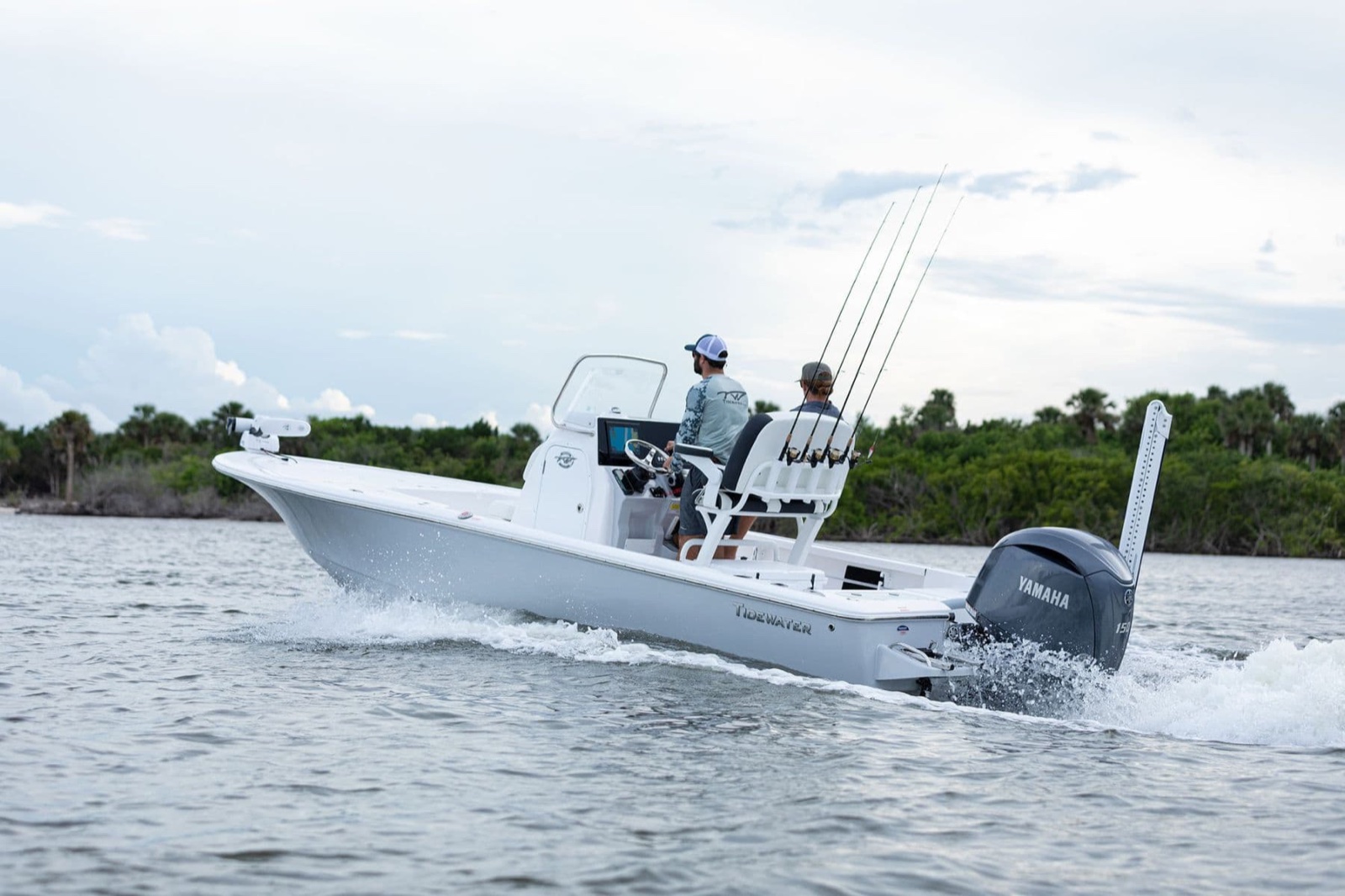
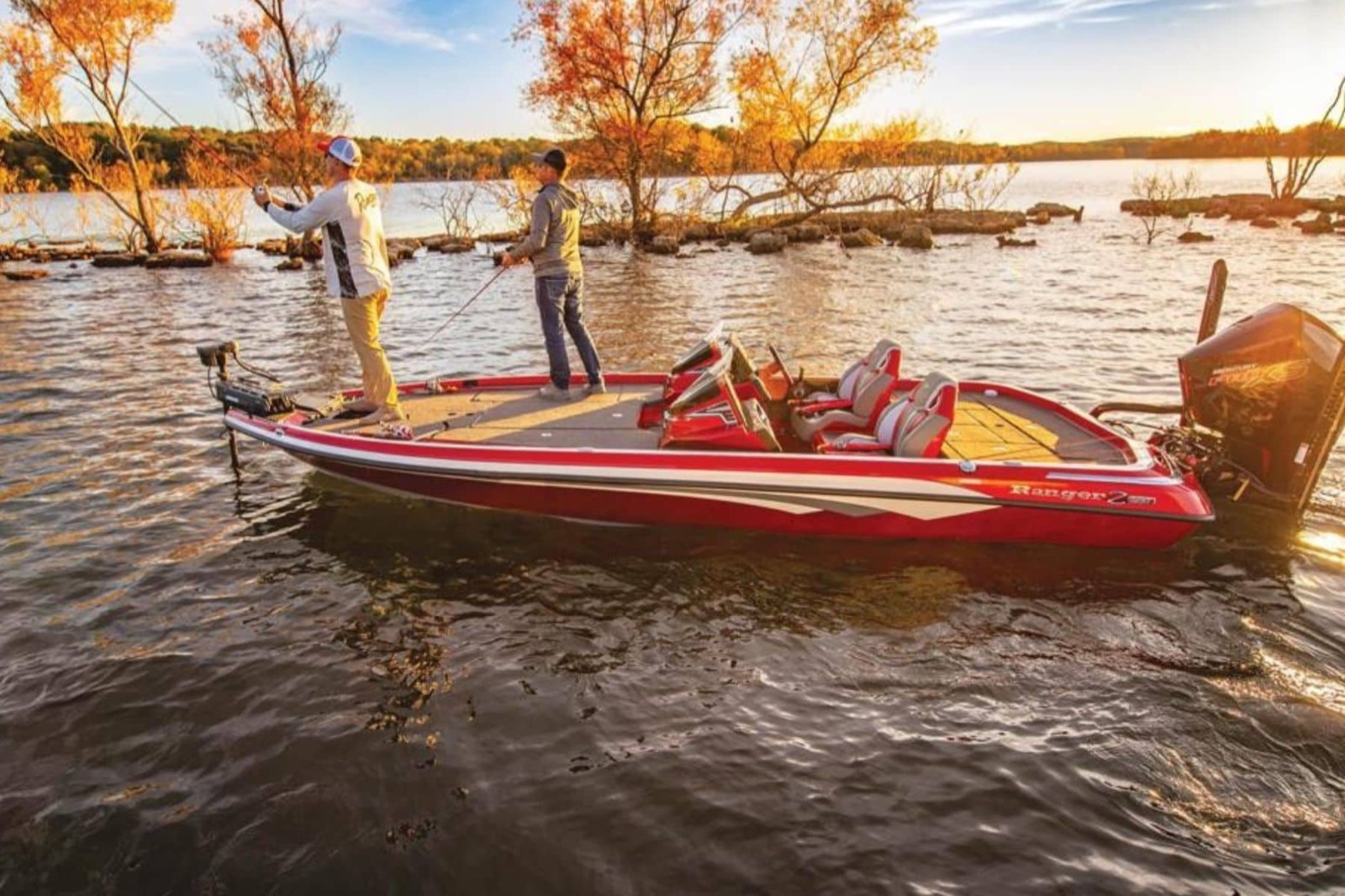
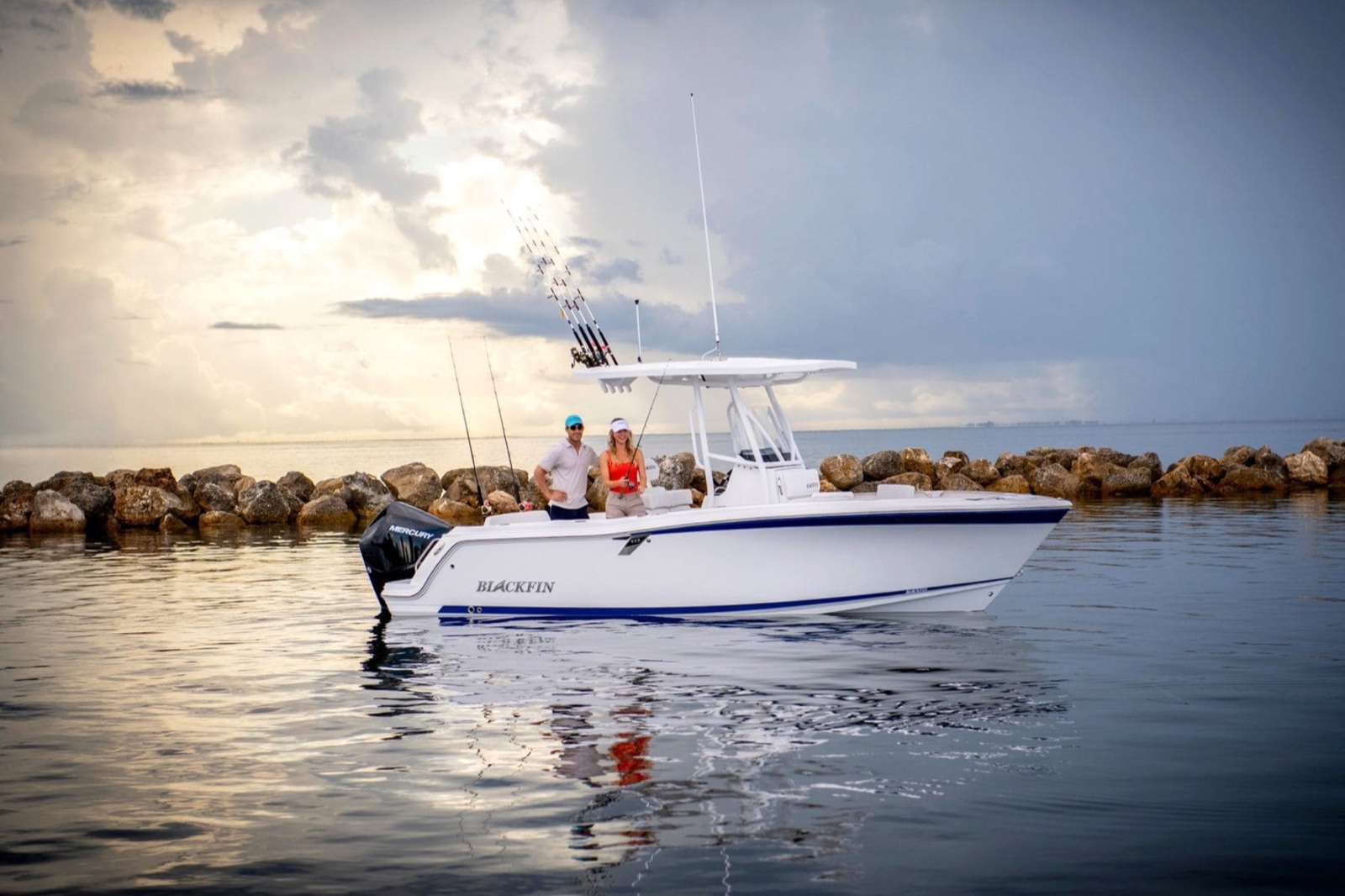
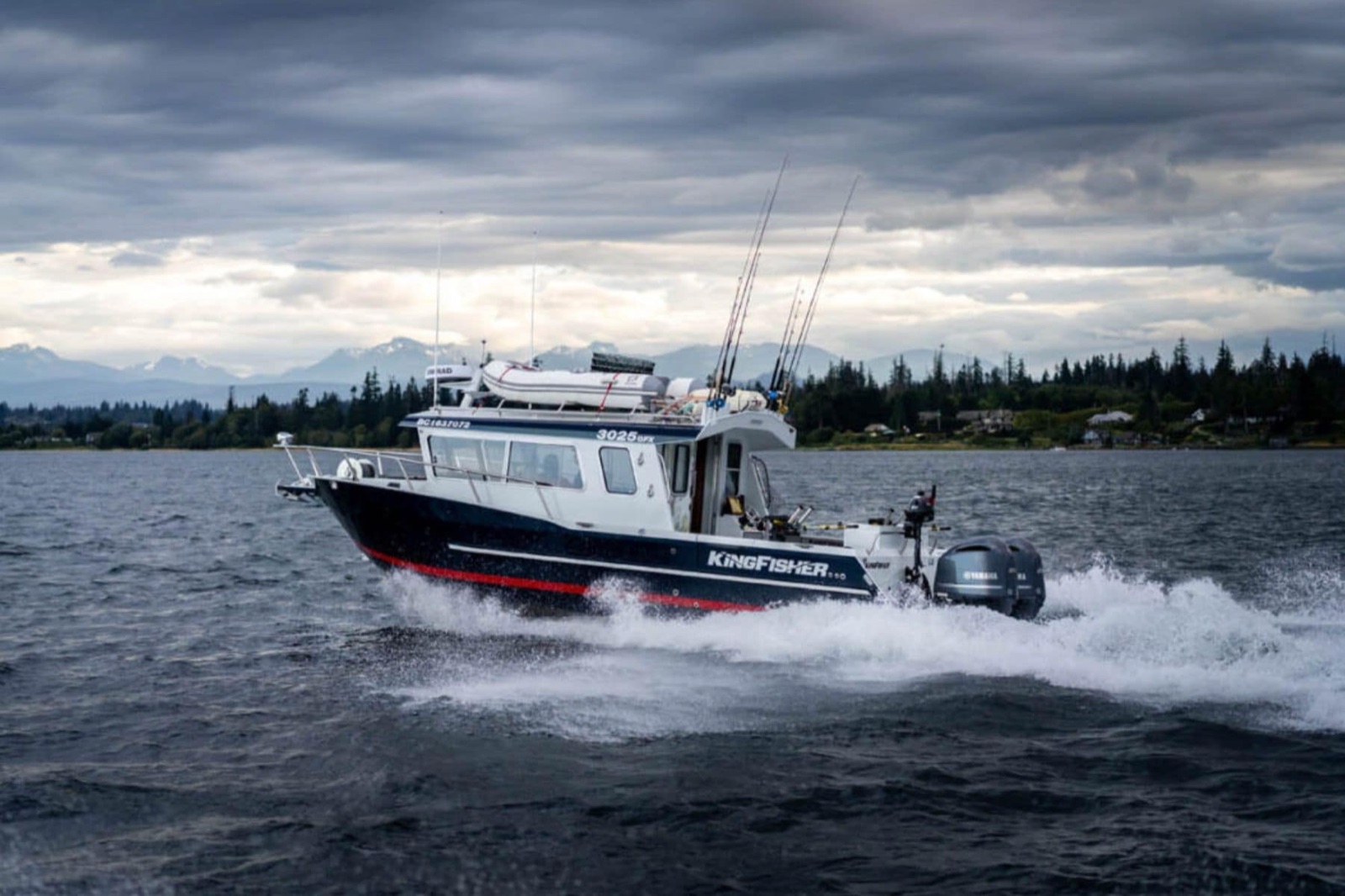
What defines a bay boat
A bay boat is a shallow-draft saltwater fishing platform sized 18 to 26 feet, designed to fish the inshore zone (estuaries, flats, oyster bars) but capable of running nearshore in light chop. Draft is the defining number: a true bay boat sits in 12 to 18 inches of water at rest. Hulls split between tunnel designs popular in Texas and Louisiana, modified-V designs that dominate Florida, and hybrid forms that compromise the two. Power is almost always single outboard, 150 to 300 horsepower, with bracket-mounted engines becoming the norm above 22 feet to free up cockpit space and improve hole-shot.
Buyers self-sort by four filters before they read a single review: length, hull style, primary regional water type, and price tier including the used market.
What buyers actually pay
Year-one depreciation runs 12 to 18 percent in the segment, gentler than bowriders because the buyer pool is older, more brand-loyal, and less price-sensitive. Five-year depreciation lands at 25 to 35 percent for premium brands like Pathfinder, Scout, and Hell's Bay and 35 to 45 percent for entry tier. Tournament-spec boats with documented service history hold within 15 percent of new at three years. The used sweet spot is the 4-to-7-year window where the original Yamaha SHO or Mercury Pro XS has 300 to 500 hours, well below the 2,000-hour life expectancy with proper flush.
Model-year defects worth screening
Pre-2017 Pathfinder TRS hulls had a livewell plumbing routing that pulled saltwater past a bilge bulkhead and corroded the fuel-sender wire harness. The 2017 redesign moved it. Mercury 250 Pro XS motors built 2019 to 2020 had a cylinder-head gasket pattern that failed around 400 hours, surfaced across owner-mechanic forum threads. Pre-2018 Scout bay boats used a leaning-post bait well pump that was undersized for the volume, leading buyers to an aftermarket retrofit. Skeeter SX series boats 2014 to 2016 had a Power-Pole bracket attachment point that telegraphed stress cracks through the gel coat.